
Hard to date
Wood is replaced in stages, so the house is a mixture of periods.
A timber house in Gamle Stavanger regarded as probably the oldest standing wooden house in the city, parts of it dating from the seventeenth century or earlier. Dating timber houses is difficult: wood is replaced and repaired in stages, so an old house is usually a mixture of periods. Blidensol's oldest parts are estimated to the late sixteenth or seventeenth century, which places it before the great Stavanger fire of 1860. The name means roughly gentle sun, said to come from its sunny position on the rise overlooking the harbour. The house is private and lived in and is not visited inside, but it stands on the walking route through Gamle Stavanger, a district of about a hundred and seventy white timber houses on cobbled streets — among the most complete surviving in northern Europe. The whole quarter escaped demolition in the 1960s thanks to a local conservation campaign.
Wood is replaced in stages, so the house is a mixture of periods.
The meaning of the name, said to come from its sunny position above the harbour.
A local campaign rescued Gamle Stavanger in the 1960s.
The Gamle Stavanger district
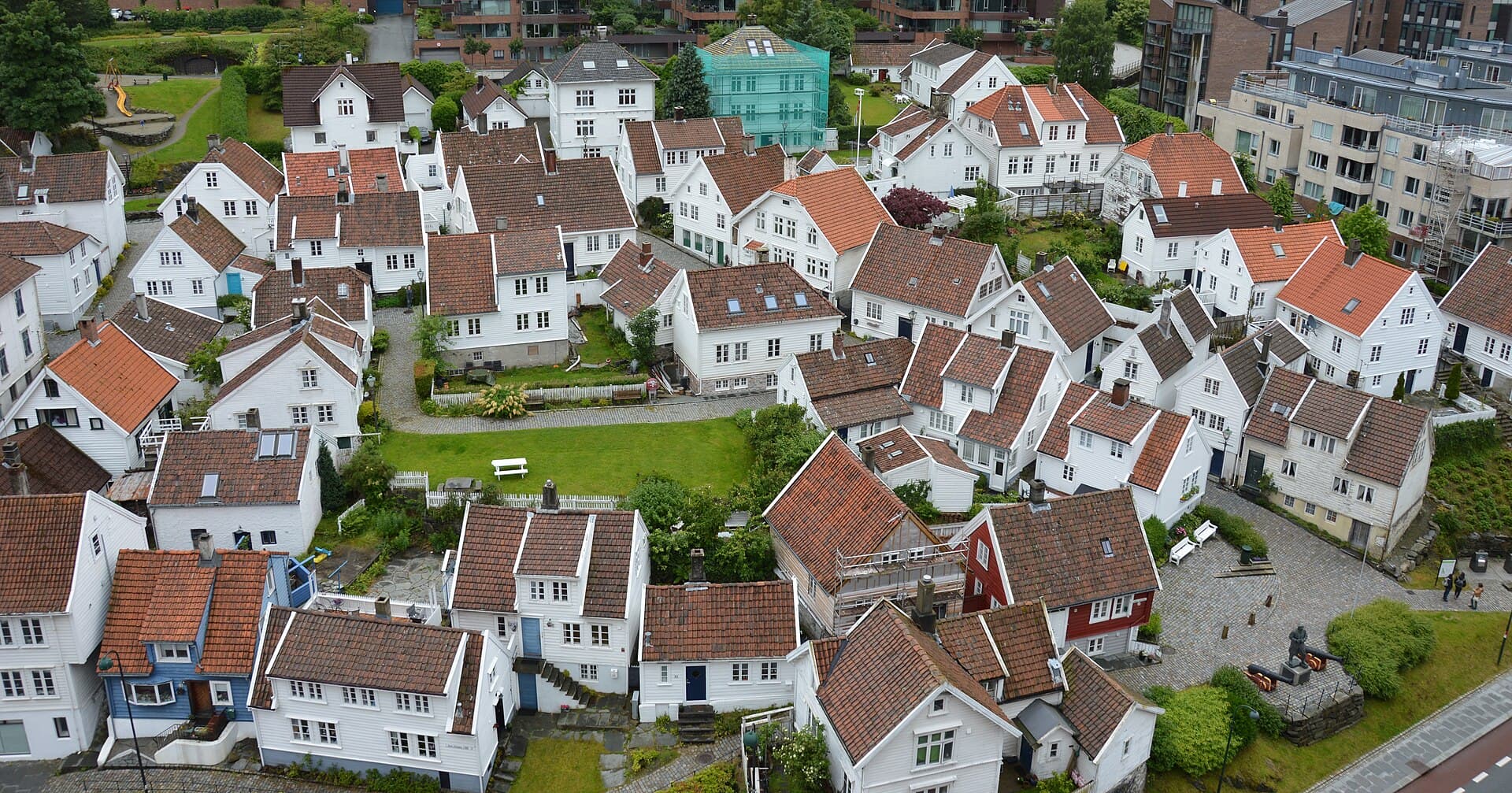 Gamle Stavanger — the Old White TownGamle Stavanger is Northern Europe's largest preserved cluster of white wooden h2 minutes walk4.6
 Norwegian Canning MuseumA real sardine cannery in Old Stavanger, kept as it was and opened as a museum e2 minutes walk4.5
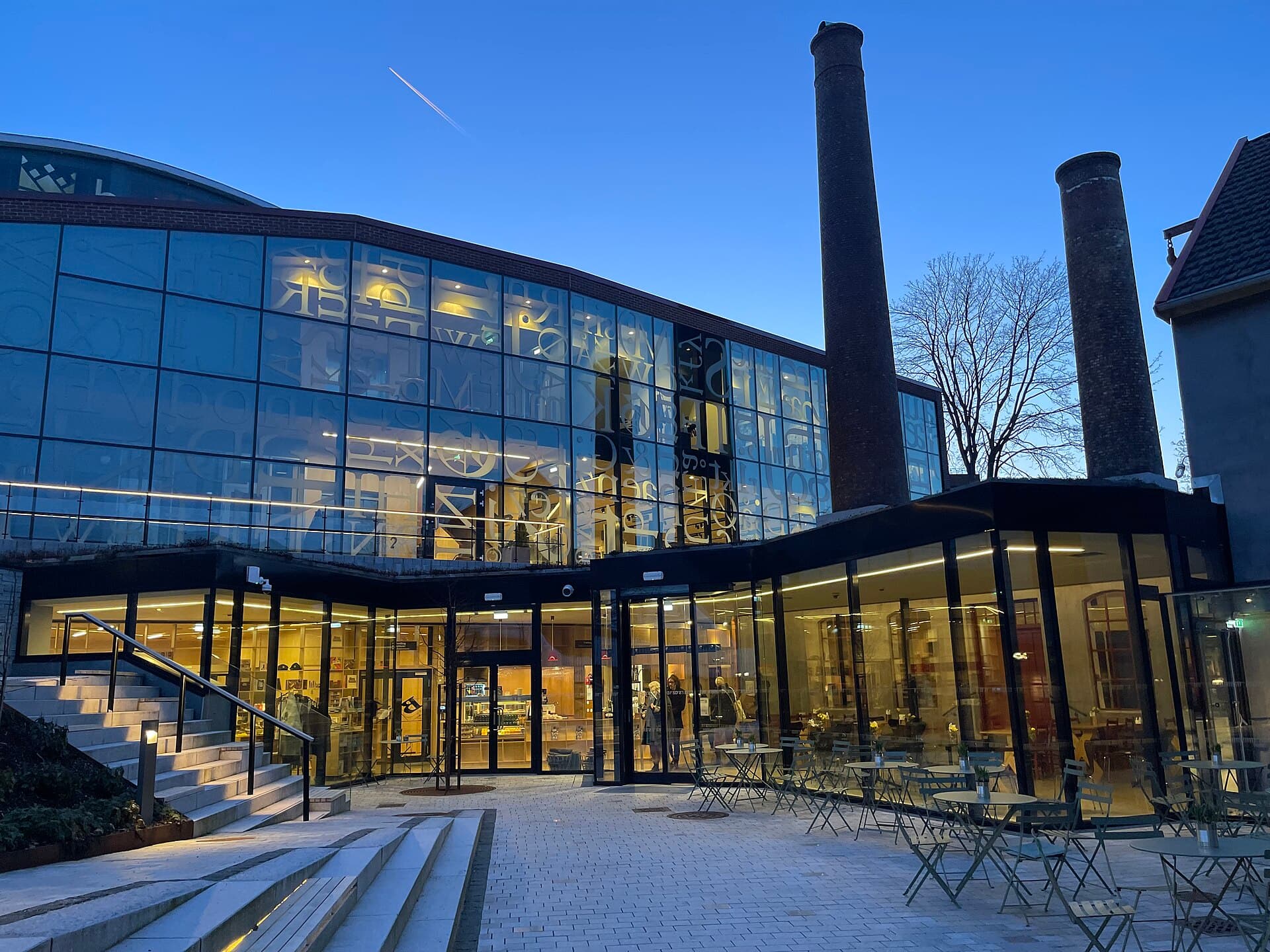
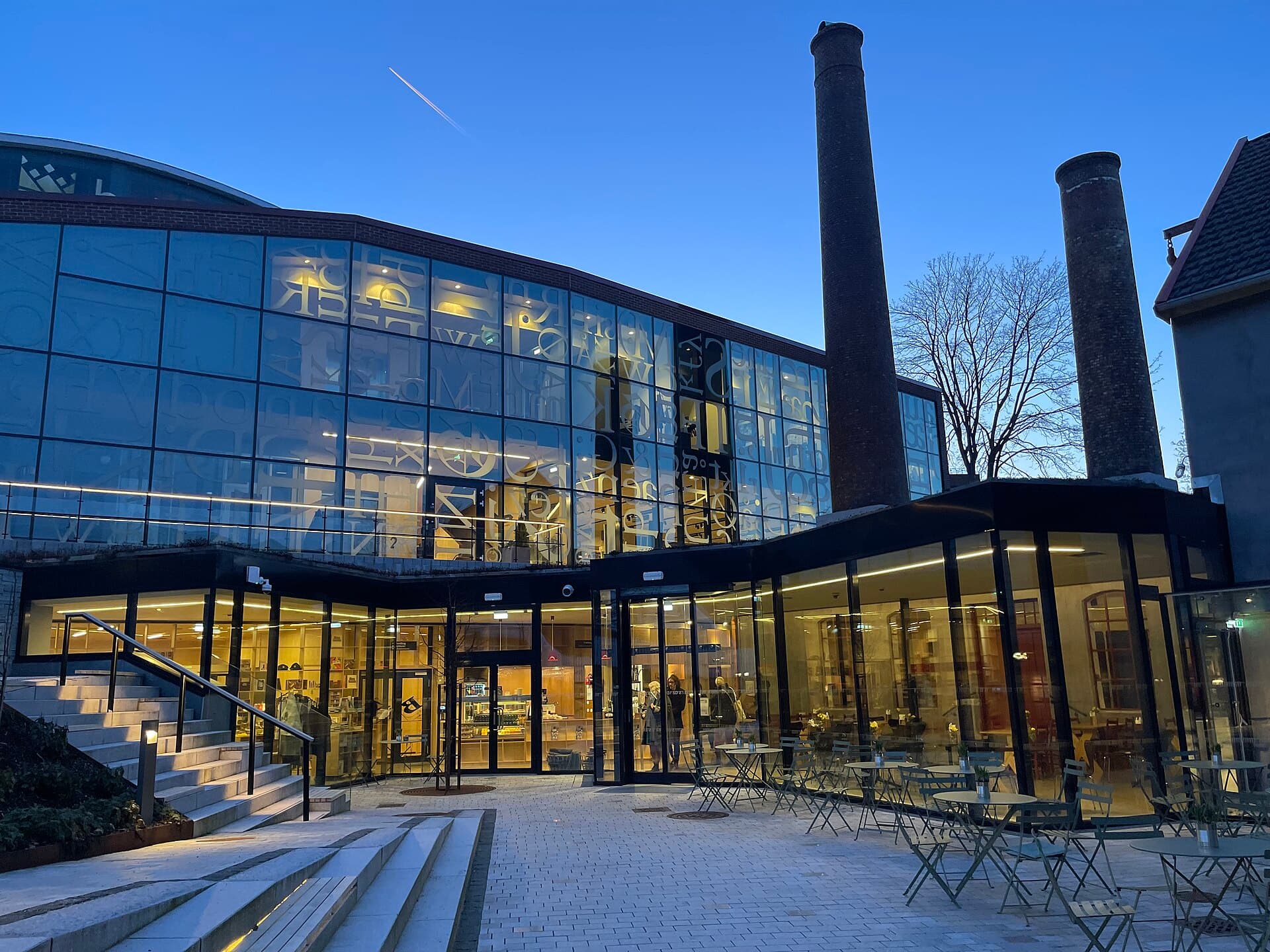 The Norwegian Printing MuseumThe Norwegian Printing Museum stands in Norsk, the old industrial quarter on the5 minutes walk4.3
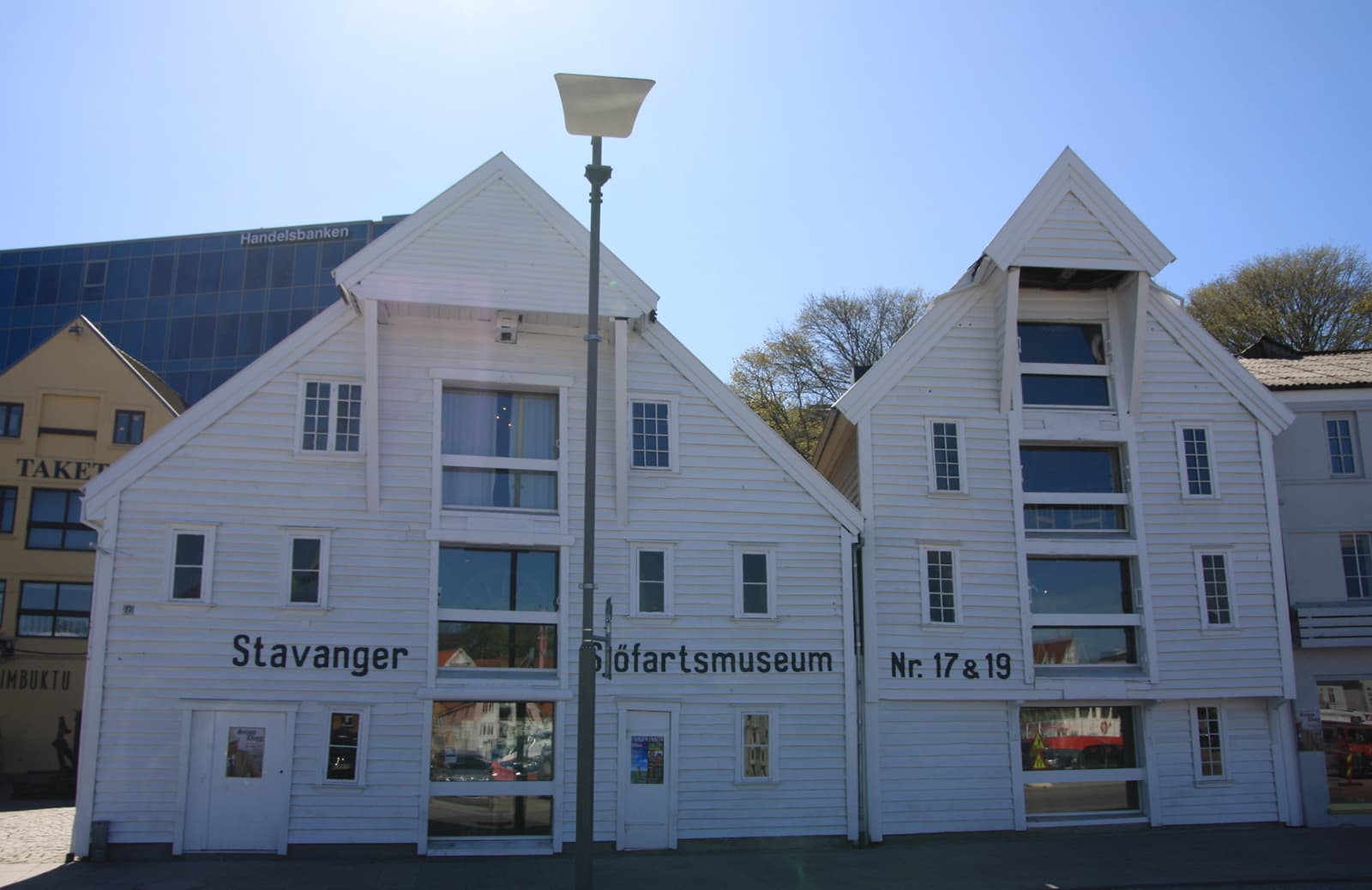 Stavanger Maritime MuseumA museum occupying two old merchant warehouses on the Vågen harbour quay in the 6 minutes walk4.4
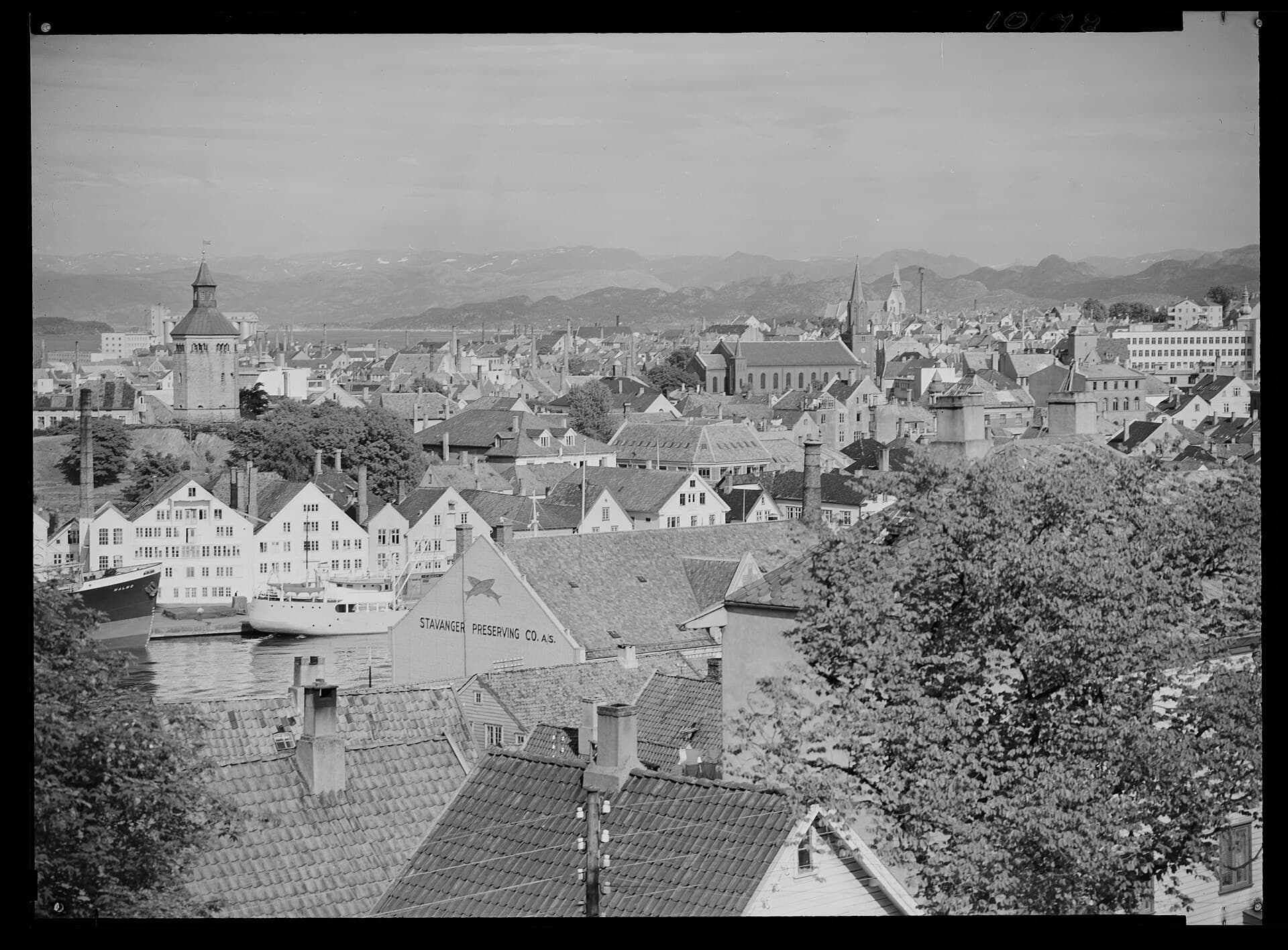 Valberg TowerValberg Tower is Stavanger's tangible fire-watch history: a fire lookout tower (6 minutes walk4.3
Because timber was abundant and stone suitable for quick building was scarce, and because wood insulates better in a cold climate. The other side is that fires were catastrophic: many Norwegian towns burned entirely once or more, among them Bergen, Stavanger and Oslo. After each great fire the rules were tightened — wider streets, stone firebreak walls, wooden roofs banned — which is why districts of the same city differ in style according to when they last burned.
The district is small and walked in half an hour to an hour, but it is better to wander without a set route — the streets are narrow and winding and the houses alike in their whiteness and different in their detail. The best time is early morning when it is empty, or evening when the windows light up. It is a genuine residential quarter, not a museum: remember people live behind these doors.