
The Linotype
Casting a whole line from molten lead.
Wolfmann — CC BY-SA 4.0 · Adolph Tidemand / Bengt Nordenberg / Winckelmann & Söhne / Christian Tønsberg — Public domain · Adolph Tidemand / Winckelmann & Söhne / Christian Tønsberg — Public domain · Georg Friedrich Felsing / William Unger / After Rembrandt — Public domain
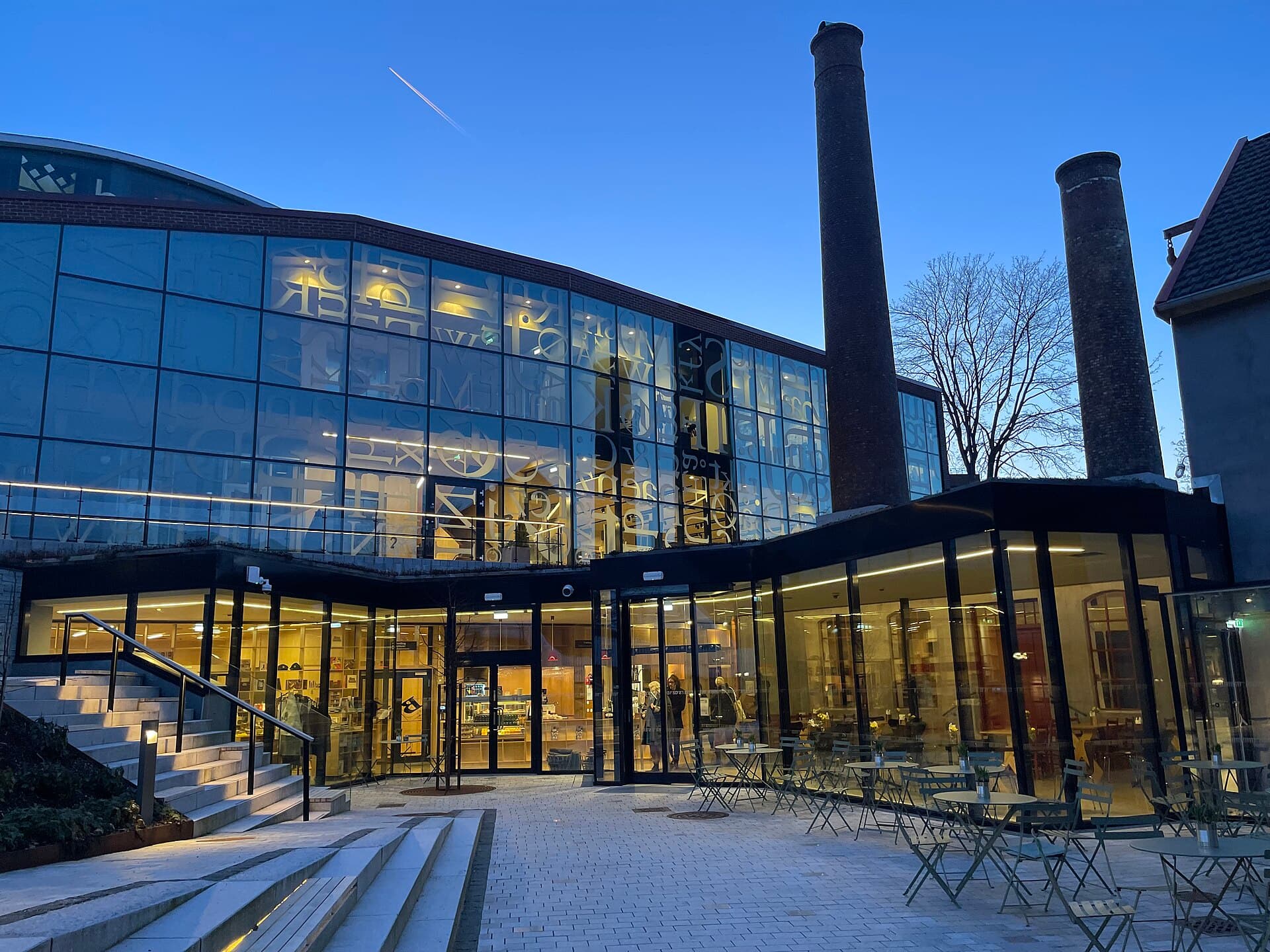
The Norwegian Printing Museum stands in Norsk, the old industrial quarter on the waterfront north of Stavanger, occupying a former factory building within a single museum complex that gathers several industries. The collection is about printing before the computer: hand-setting type letter by letter, Linotype machines casting a whole line from molten lead, lithographic presses and binding equipment. The point is that printing was a precise manual trade that took years to learn and disappeared within a single generation. The practical advantage is that the museum is operational: the machines run and staff work them on set days, and a visitor can set their own name in type, print it and take it away. The complex also holds the canning museum and the city museum — the ticket is usually shared, and it is the best thing to do in Stavanger on a wet day.
Casting a whole line from molten lead.
Printing, canning and city museums side by side.
Øvre Strandgate 88, 4005 Stavanger
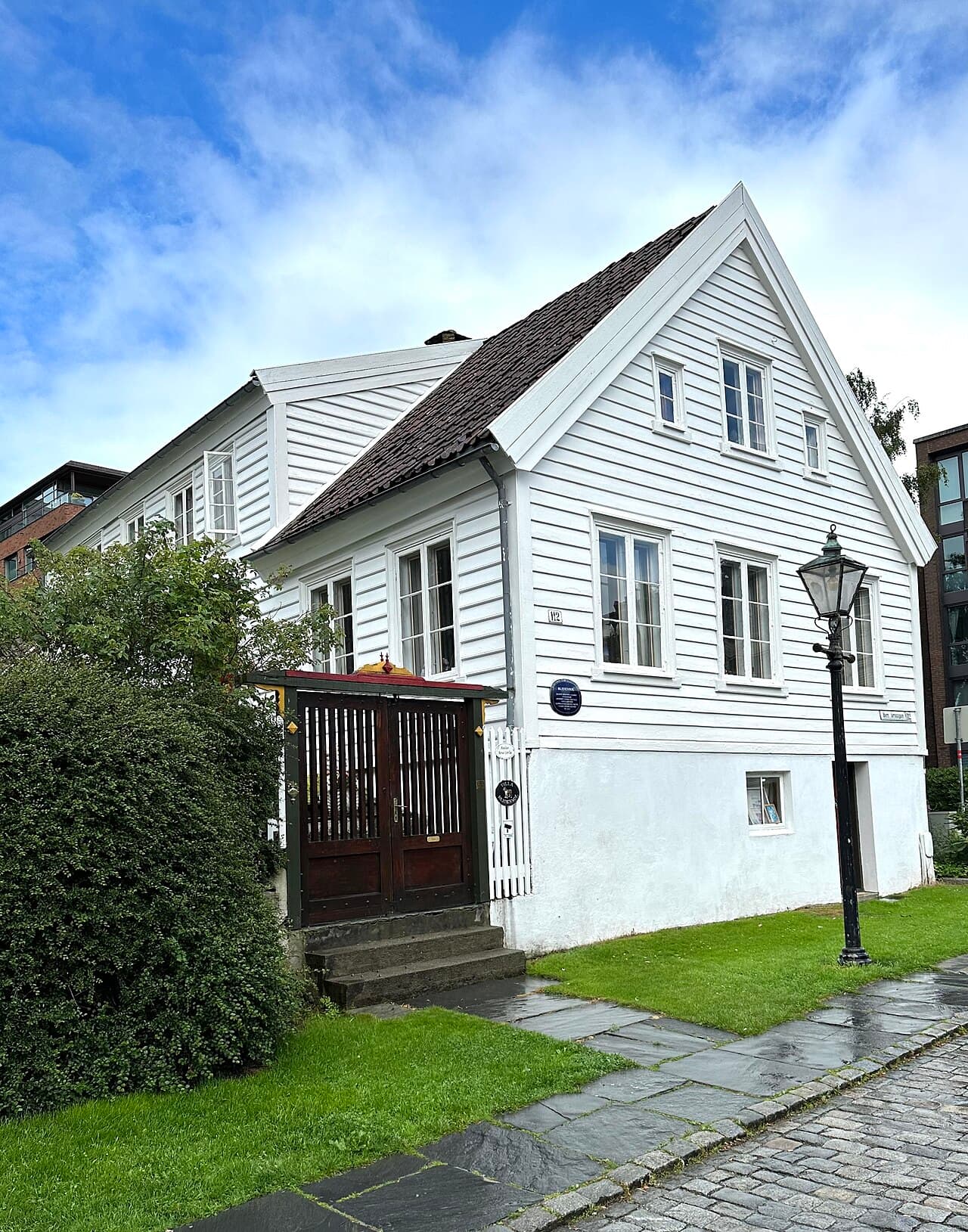 The Blidensol HouseA timber house in Gamle Stavanger regarded as probably the oldest standing woode5 minutes walk4.5
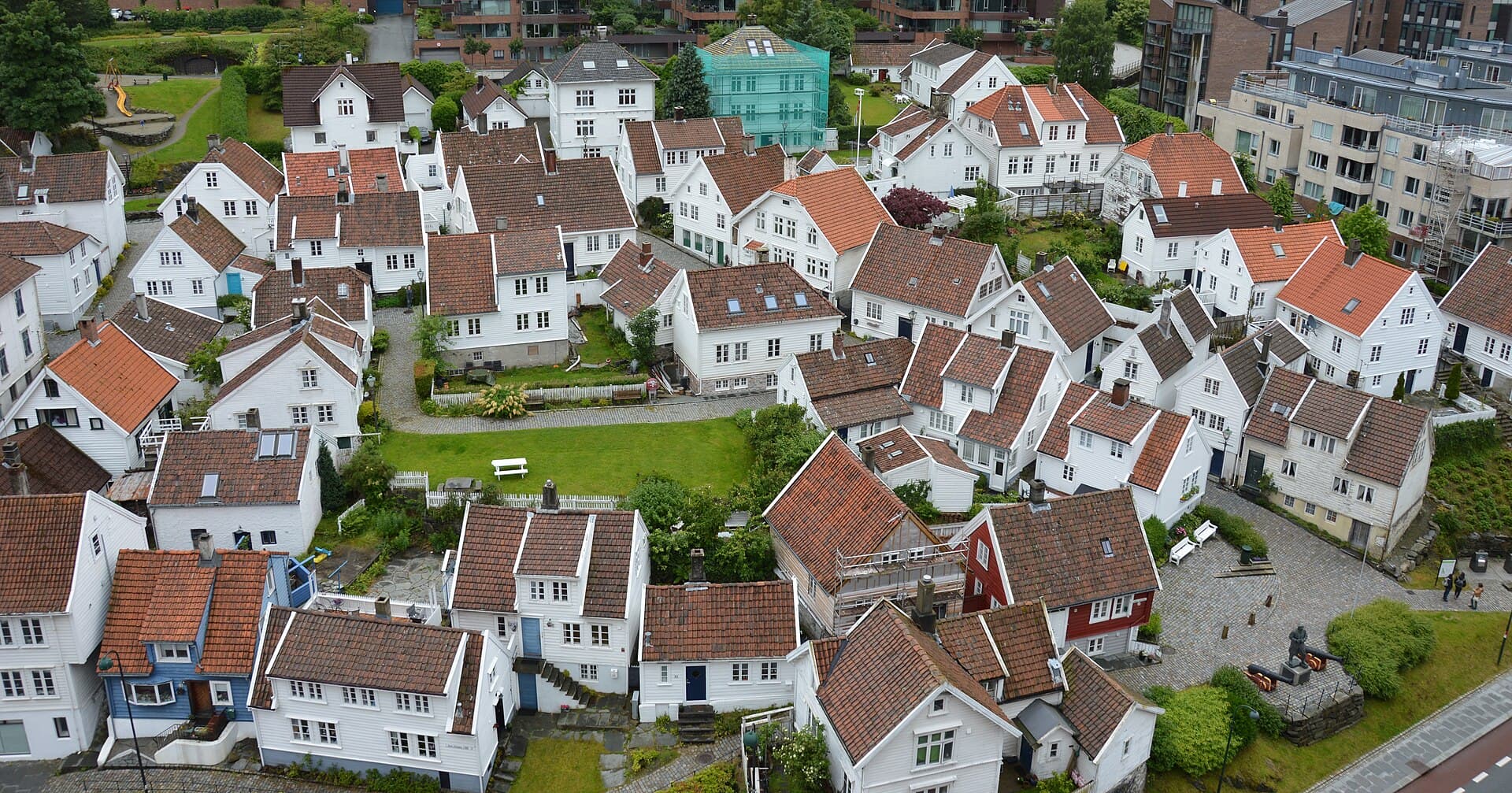 Gamle Stavanger — the Old White TownGamle Stavanger is Northern Europe's largest preserved cluster of white wooden h7 minutes walk4.6
 Norwegian Canning MuseumA real sardine cannery in Old Stavanger, kept as it was and opened as a museum e7 minutes walk4.5
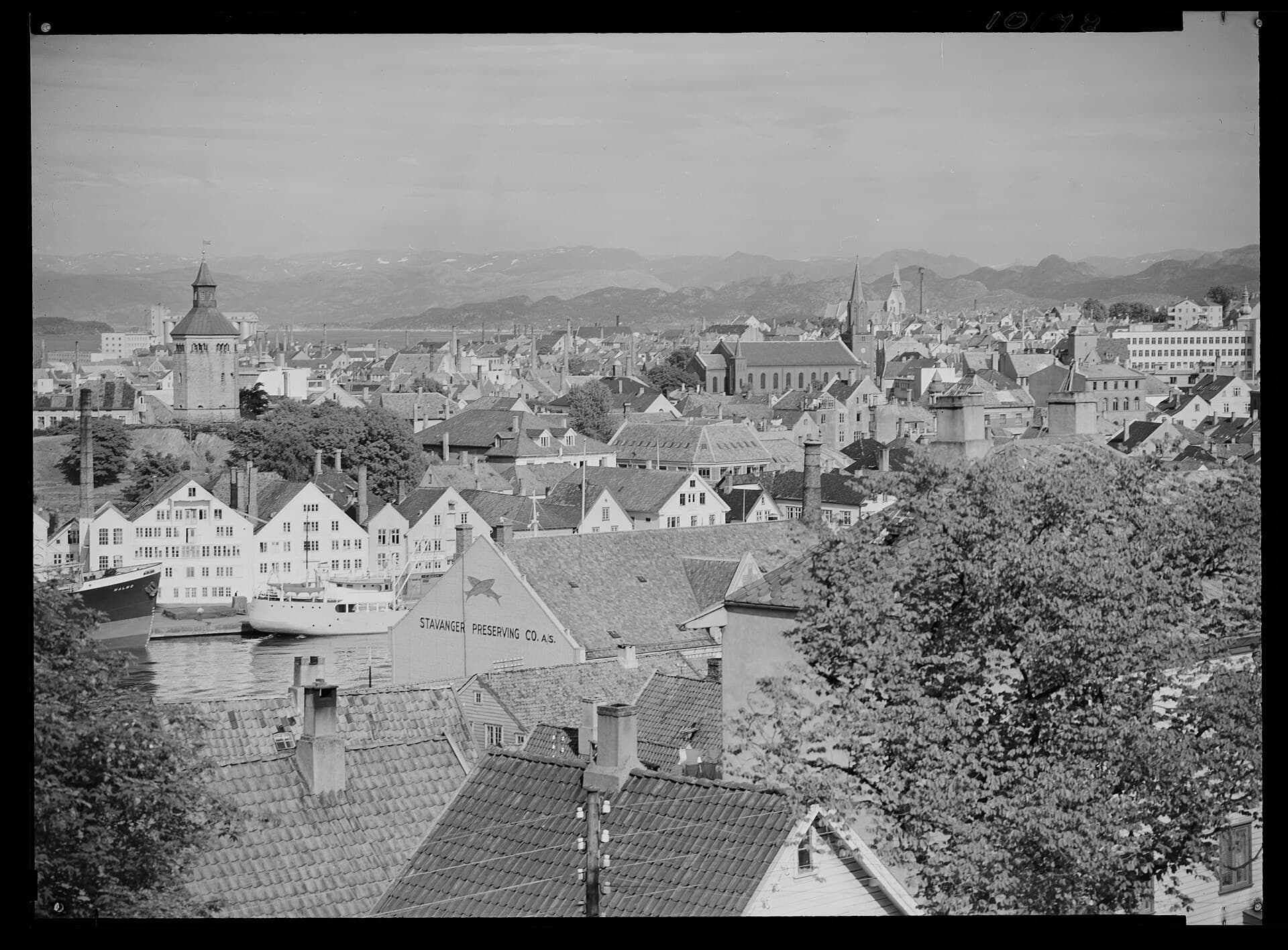 Valberg TowerValberg Tower is Stavanger's tangible fire-watch history: a fire lookout tower (10 minutes walk4.3
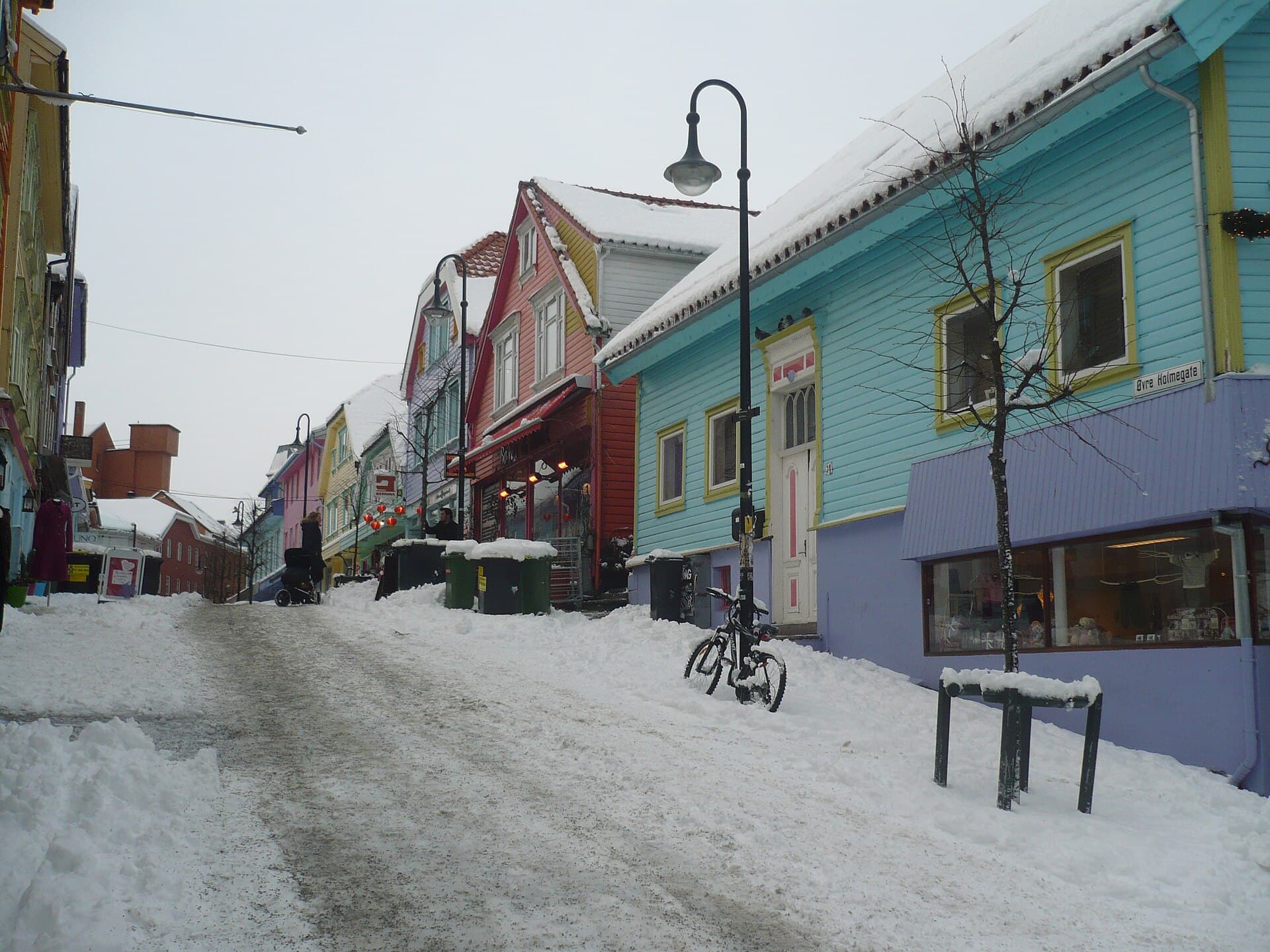 Fargegaten — the Colour StreetFargegaten — literally the Colour Street — is the former Øvre Holmegate: a modes10 minutes walk4.6
Because canning built the city before oil did. At the start of the twentieth century Stavanger had more than fifty factories canning smoked sardines, and the city exported millions of tins a year worldwide. The museum is in an original factory, and fish is actually smoked there on set days and offered for tasting. The story connects directly to the petroleum museum: a city built on a small fish and then on oil.