
Twenty thousand tiles
İznik tilework covering the upper walls — the source of the name Blue.
Moonik — CC BY-SA 3.0 · Ray Swi-hymn from Sijhih-Taipei, Taiwan — CC BY-SA 2.0 · Ray Swi-hymn from Sijhih-Taipei, Taiwan — CC BY-SA 2.0 · Ray Swi-hymn from Sijhih-Taipei, Taiwan — CC BY-SA 2.0
An early seventeenth-century mosque on Sultanahmet Square, standing directly opposite Hagia Sophia across the garden. Sultan Ahmed I built it between 1609 and 1616, beginning at the age of nineteen. He meant it to match the Hagia Sophia that had stood in front of him for a thousand years, and that architectural challenge explains its scale and its position. Its common name, the Blue Mosque, comes from the interior: more than twenty thousand İznik tiles cover the upper walls, most of them in shades of blue, with two hundred and sixty windows below that once threw light across them. From outside it is distinguished by six minarets — a matter of controversy at the time, because the Sacred Mosque in Mecca had the same number, so a seventh was ordered built there to settle it. The mosque is working and performs its full religious function: it closes to visitors during the five daily prayers, and for longer on Friday. Entry is free, shoes must be removed, women are asked to cover their hair, and modest dress is expected of everyone.
İznik tilework covering the upper walls — the source of the name Blue.
Their number caused controversy, as the Sacred Mosque then had the same.
Built to match what had stood in front of it for a thousand years.
Sultanahmet Square, Fatih
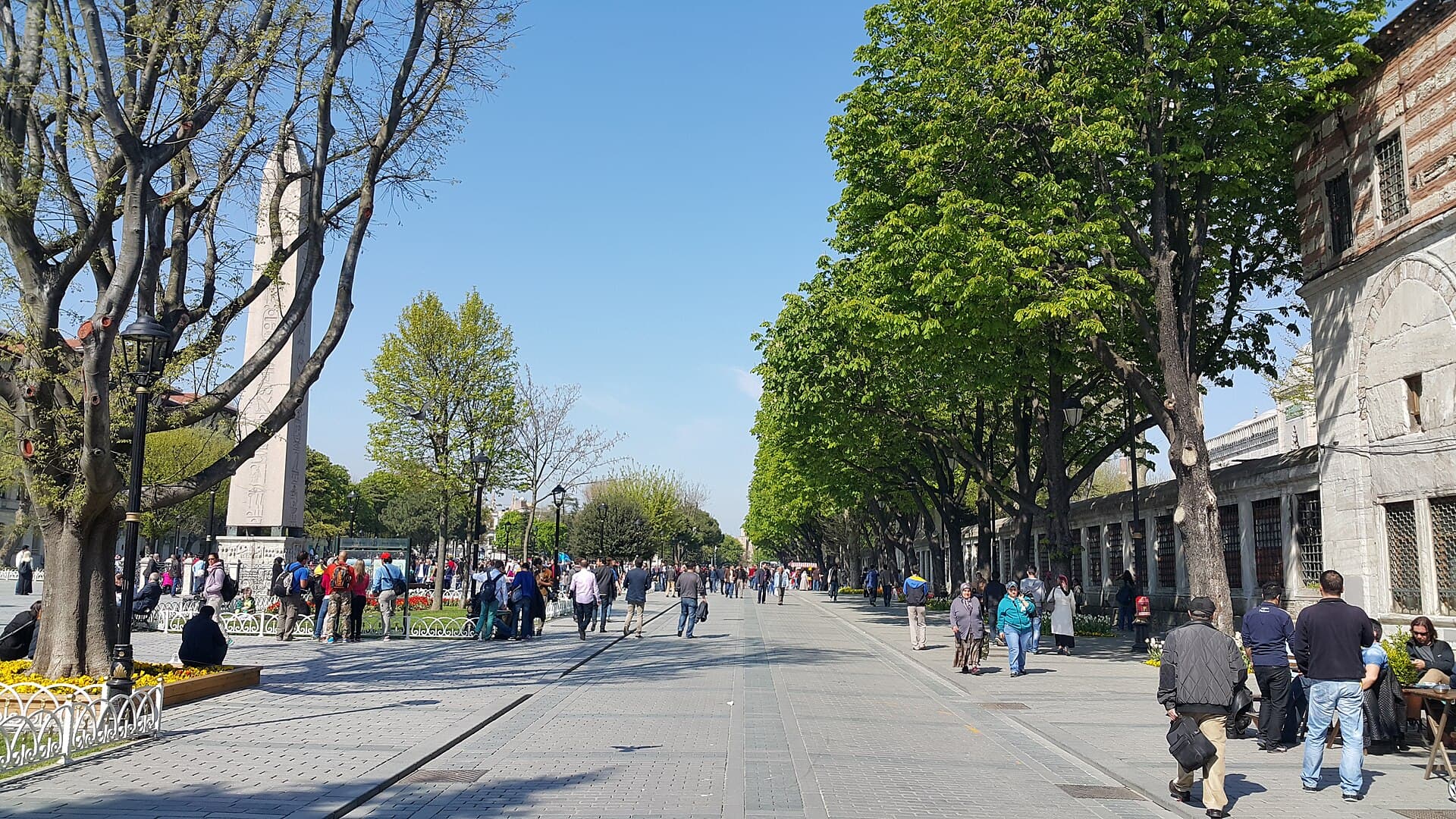 Hippodrome (Sultanahmet Square)About two metres under your feet lies the chariot track where something like a h2 minutes walk4.6
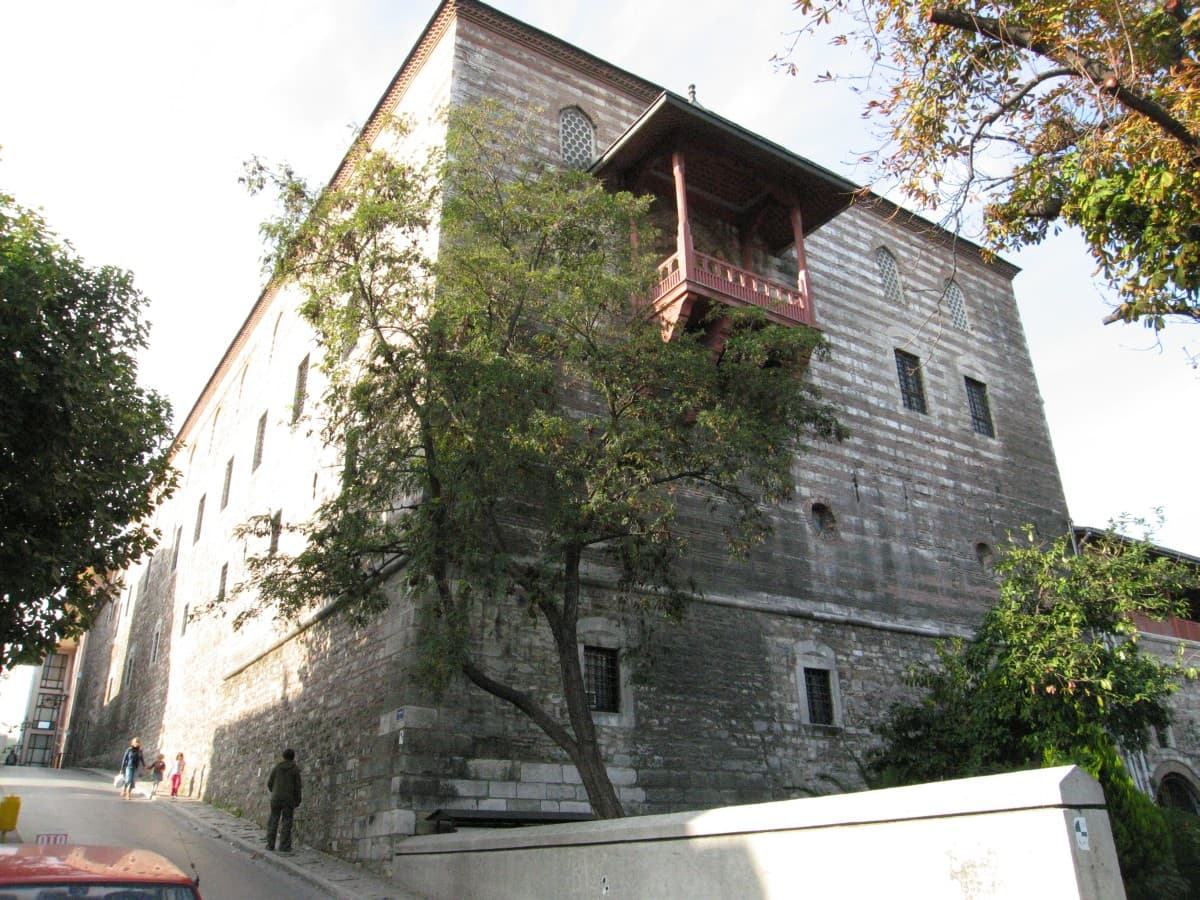 Turkish and Islamic Arts MuseumOne of the finest carpet collections on earth is not in Tehran or Cairo but in a3 minutes walk4.7
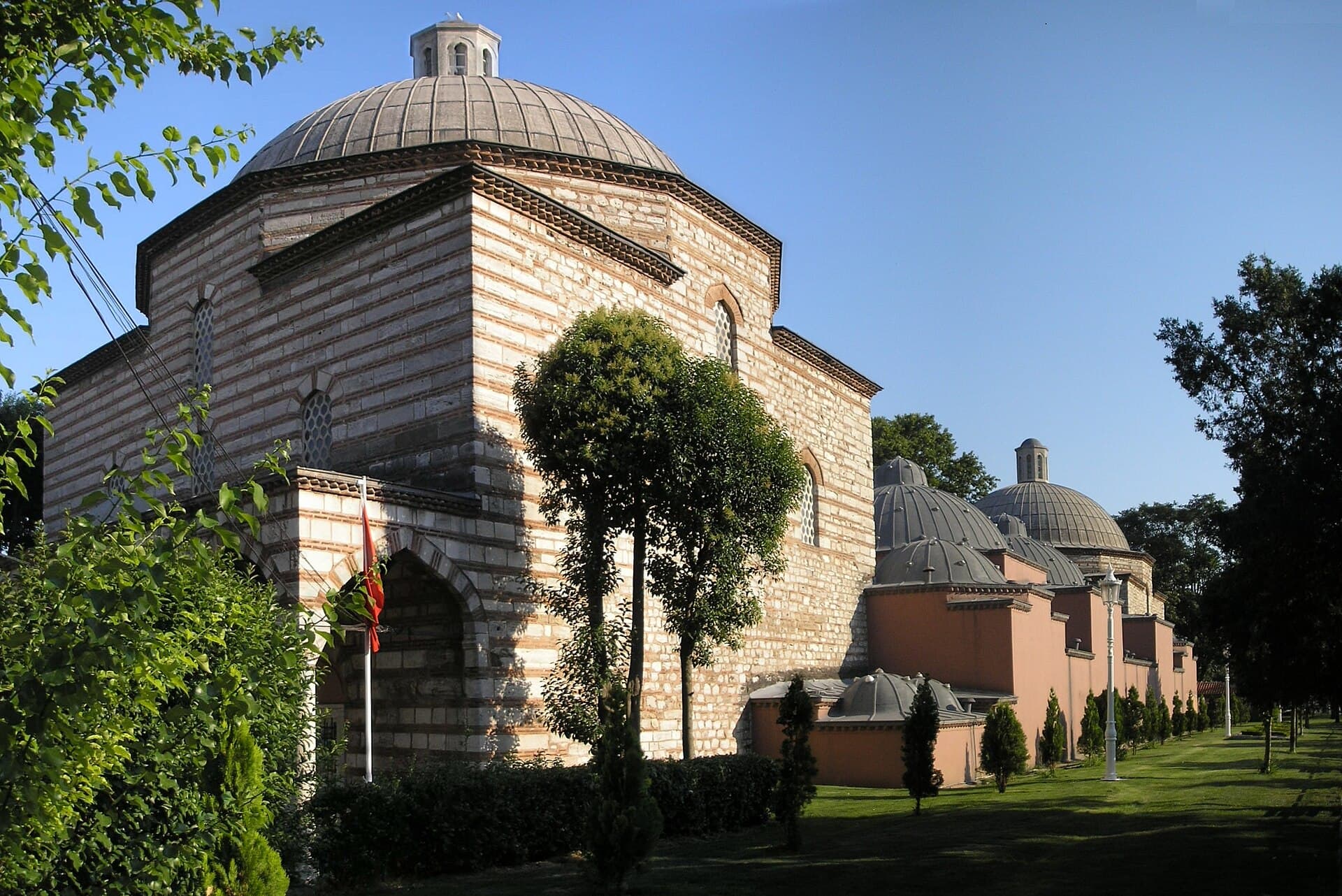 Hürrem Sultan HammamBetween Hagia Sophia and the Blue Mosque, where every tour group stops for photo3 minutes walk4.5
 Basilica CisternThe largest surviving underground cistern of Constantinople, below ground a few 4 minutes walk4.5
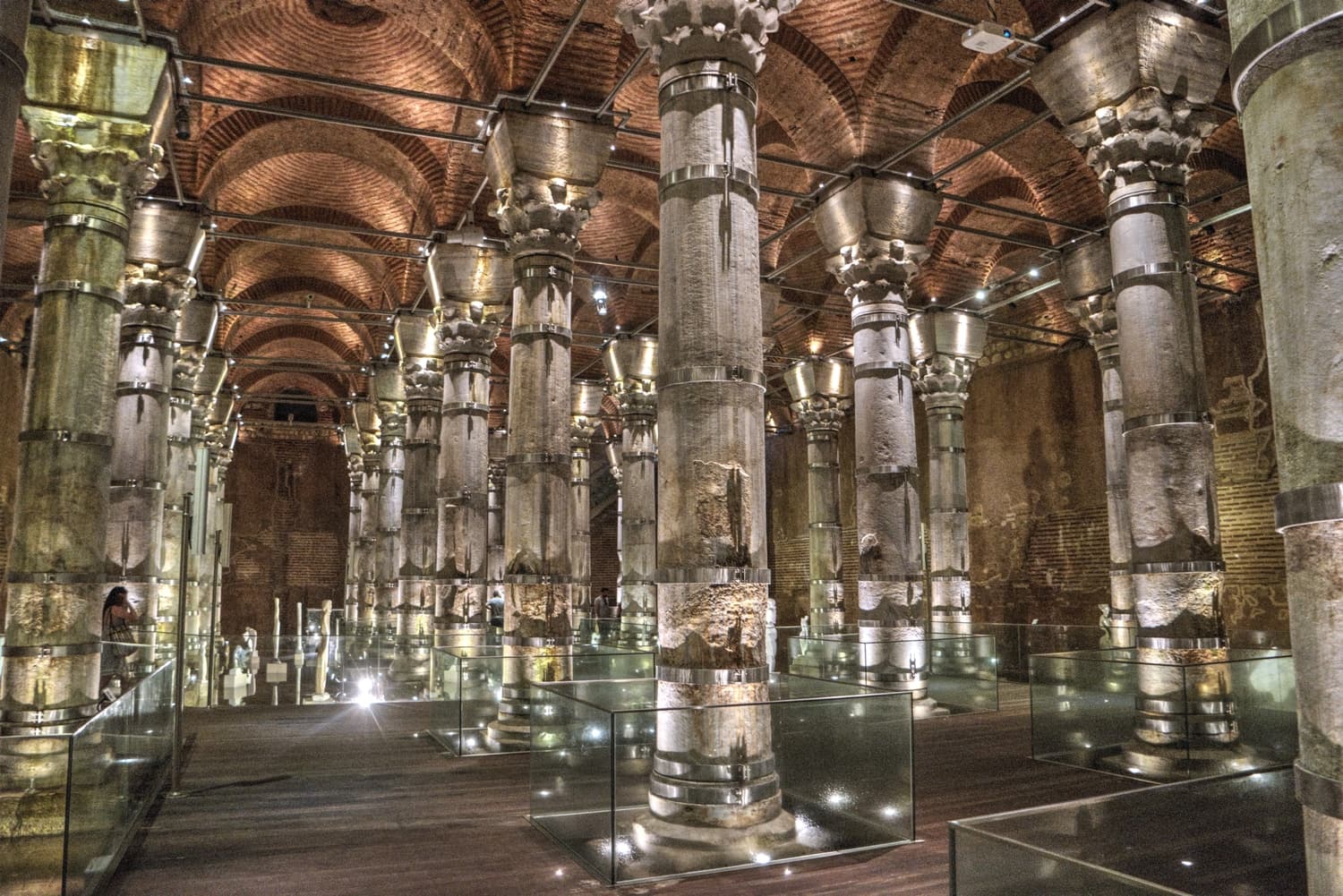 Theodosius Cistern (Şerefiye)Sixteen centuries old, and for the better part of a century it sat out of sight.5 minutes walk4.3
The mosque closes to visitors about half an hour before each call to prayer until the prayer ends — five times a day — and for longer around Friday midday, roughly two hours. The best windows are an hour after dawn prayer or mid-morning between the noon and afternoon prayers. Prayer times shift with the season, so check them for your day.
Yes — the mosque is open to visitors of both sexes outside prayer times. Hair, arms and legs must be covered, and coverings are lent free at the entrance for anyone who needs one. During prayer a separate section is set aside for women worshippers as is customary.