
The Medusa heads
Two carved bases, one inverted and one on its side — the reason unknown.
Diego Delso — CC BY-SA 4.0 · Ray Swi-hymn from Sijhih-Taipei, Taiwan — CC BY-SA 2.0 · Dmitry Kolesnikov — CC BY 2.0 · Tcyagizefem — CC BY-SA 4.0
The largest surviving underground cistern of Constantinople, below ground a few steps from Hagia Sophia. The emperor Justinian built it in the sixth century to store water carried to the city through aqueducts running tens of kilometres. It covers some ten thousand square metres, its roof held on three hundred and thirty-six marble columns in twelve rows. The columns are themselves a story: most were taken from older Roman buildings and reused, which is why their capitals and sizes differ. At the far end two stand on bases carved as the head of Medusa — one upside down, the other on its side, and nobody knows with certainty why. The site was restored and reopened with lighting, raised walkways and light installations, which changed the experience from what it was. The air inside is cold and damp year-round and the floor can be slippery — wear suitable shoes. Booking ahead is strongly advisable: the queues are very long in season.
Two carved bases, one inverted and one on its side — the reason unknown.
Most taken from older Roman buildings, which is why their capitals differ.
Built to store what Justinian's aqueducts carried into the city.
Sultanahmet, near Hagia Sophia
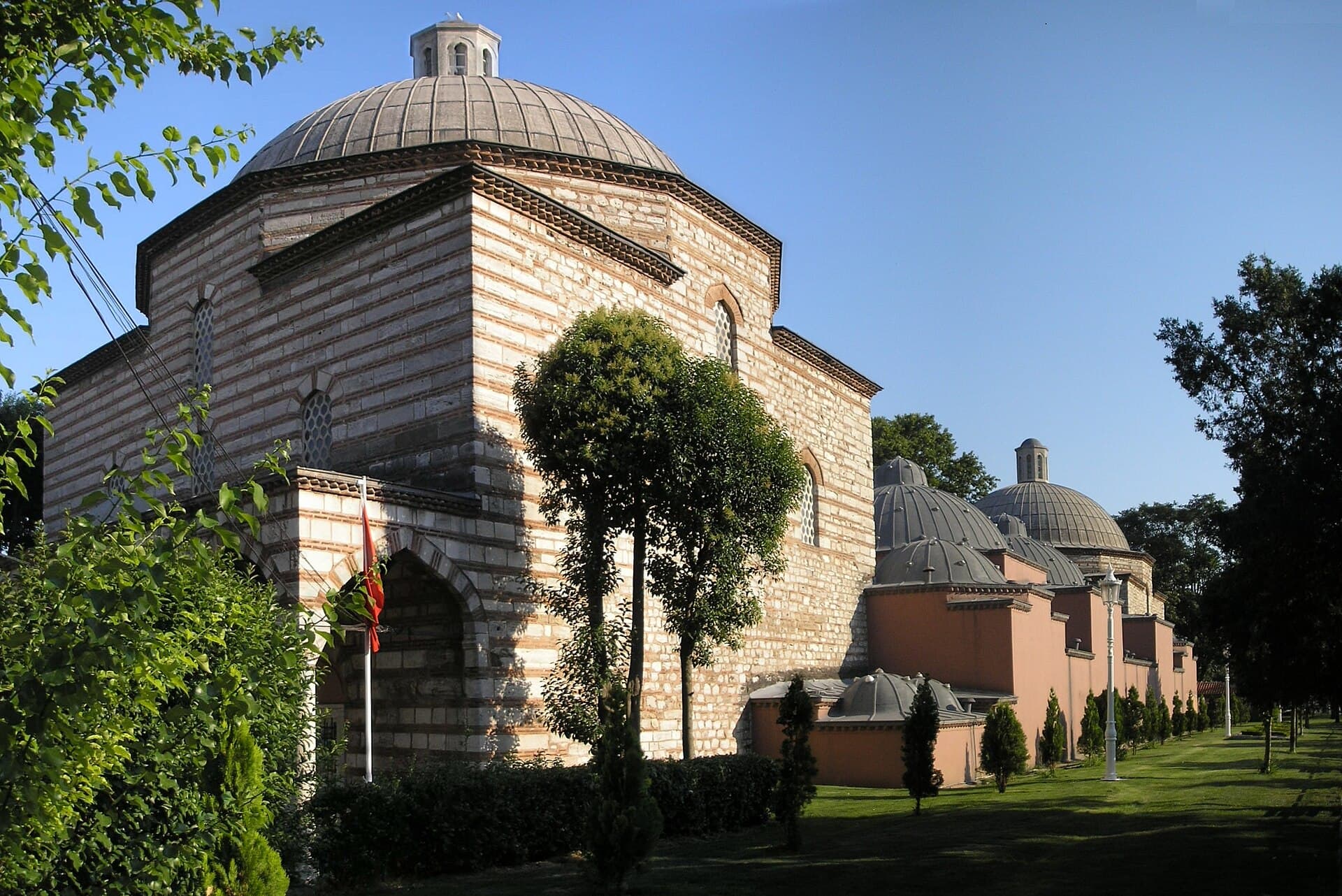 Hürrem Sultan HammamBetween Hagia Sophia and the Blue Mosque, where every tour group stops for photo2 minutes walk4.5
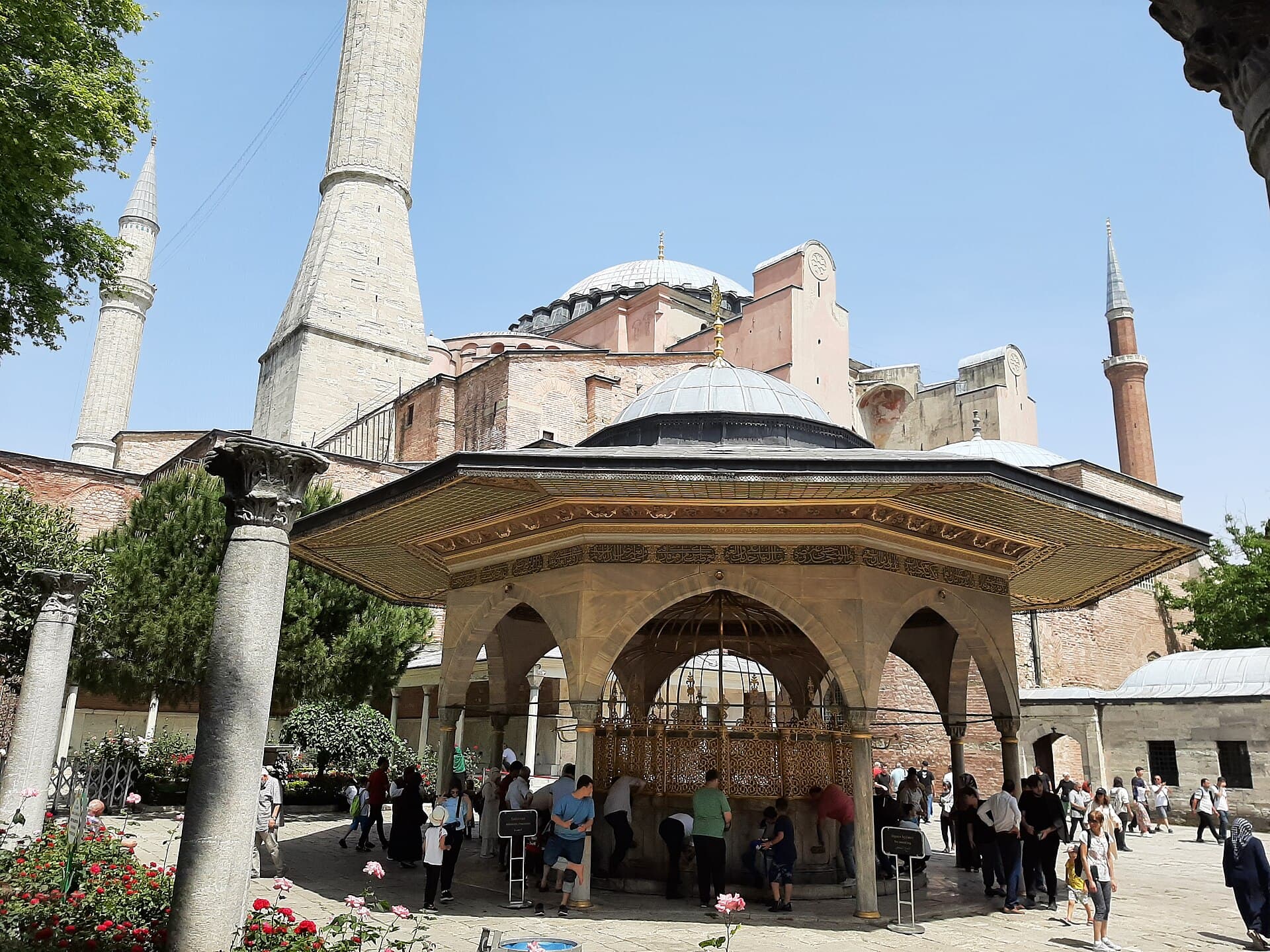 Hagia SophiaOne building that has carried three identities across fifteen centuries. The emp2 minutes walk4.7
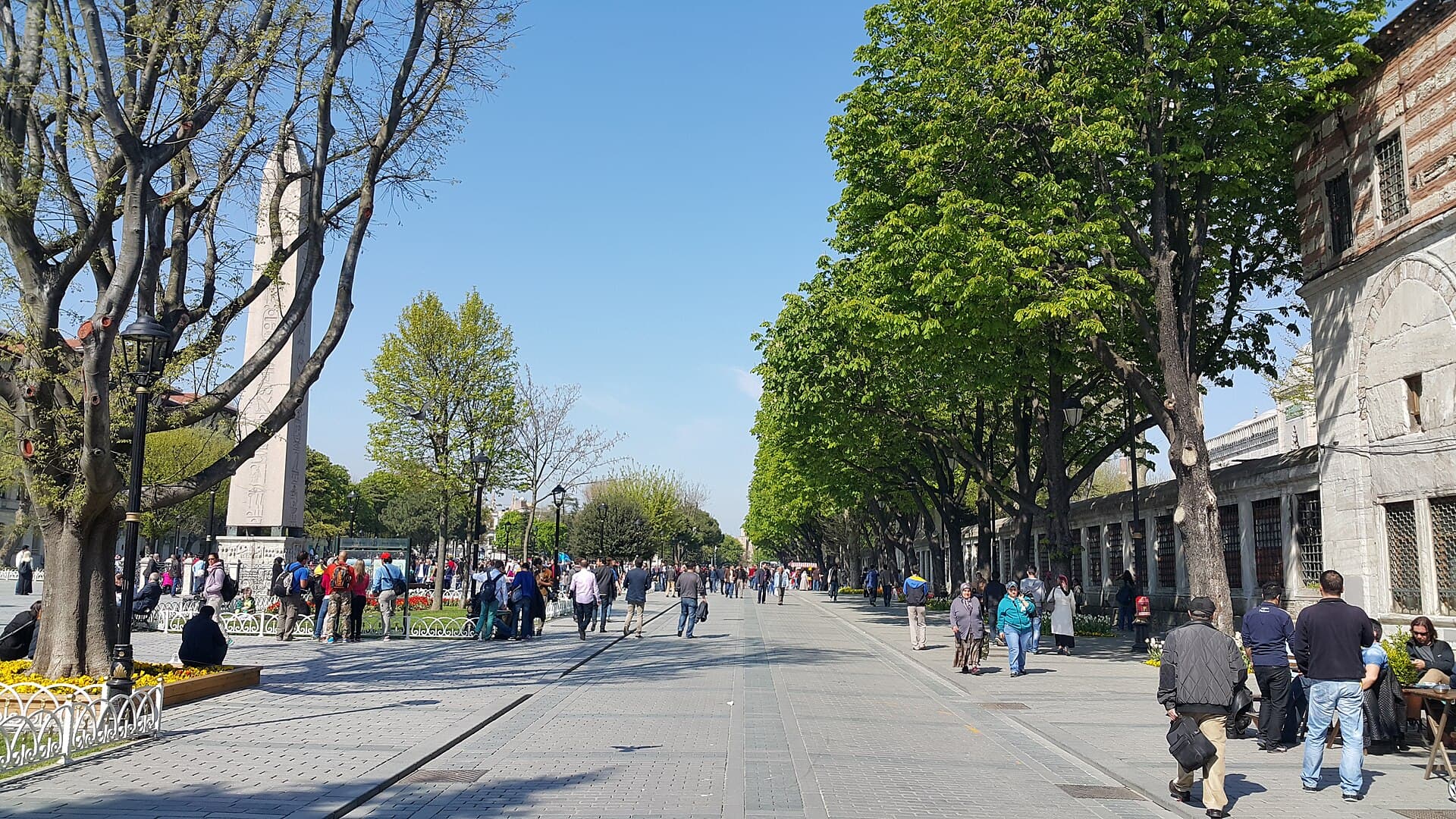 Hippodrome (Sultanahmet Square)About two metres under your feet lies the chariot track where something like a h4 minutes walk4.6
 Blue MosqueAn early seventeenth-century mosque on Sultanahmet Square, standing directly opp4 minutes walk4.6
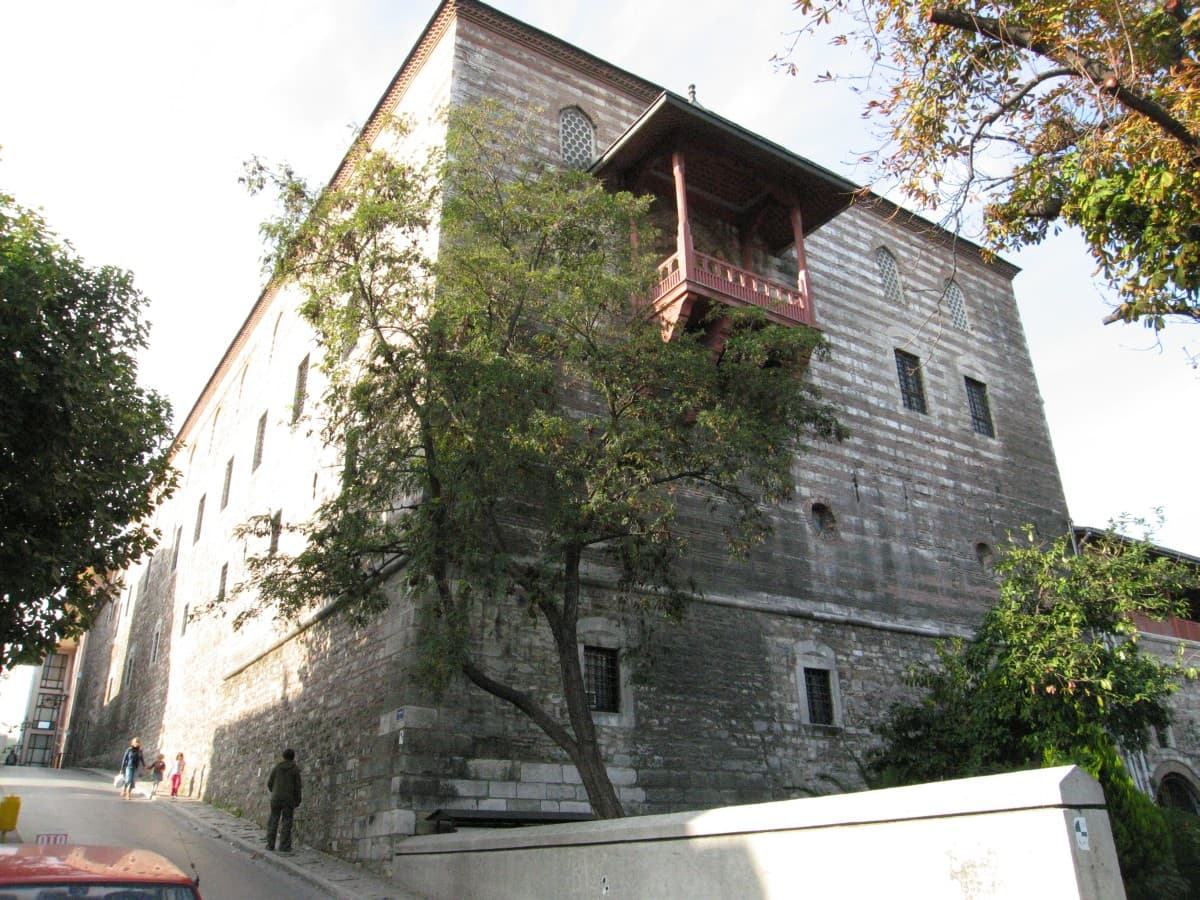 Turkish and Islamic Arts MuseumOne of the finest carpet collections on earth is not in Tehran or Cairo but in a5 minutes walk4.7
Two marble bases carved as the head of Medusa from Greek myth, taken from an older Roman building and reused here as column bases. One is placed entirely upside down, the other on its side. The likeliest explanation is purely practical: the stones were the right size and were set as the construction required rather than as the myth would suggest.
It is underground with dim light and a low ceiling in places, but it is very wide and nothing like a narrow tunnel. Anyone with severe claustrophobia may find it uncomfortable, though most people do not. The route is marked and can be left.