
The glasshouse range
Rainforest, desert and alpine climates in one run of glasshouses, and the place to be on a wet day.
temporalata — CC BY-SA 2.0 · Reginald Bassey — CC BY-SA 4.0 · Reginald Bassey — CC BY-SA 4.0 · Reginald Bassey — CC BY-SA 4.0
The man who taught Darwin his botany is the reason this garden exists. John Stevens Henslow had outgrown the university's cramped old garden in the town centre, persuaded it to buy forty acres south of the town in 1831 and, after years of delay, saw planting begin in 1846 on what is now one of England's finest botanic gardens: more than 8,000 plant species, a lake dug out of an old gravel pit, and trees approaching two centuries old that would justify the ticket on their own. This is not a flower show but an orderly lesson in how plants are related. The Systematic Beds are 144 island beds that sort the flowering families like the pages of a textbook laid on the lawn, and the glasshouse range, rebuilt in the 1930s, takes you in ten minutes from rainforest humidity to desert dryness to alpine chill. The rock garden sits in front of it; at the far side the Winter Garden peaks between December and late March, exactly when most British gardens are a dreary grey. The famous apple tree, a scion of Newton's tree at Woolsthorpe, stood by the Brookside gate until a storm brought it down in February 2022; grafted clones are being raised for replanting, so do not promise the children you will show it to them yet. For Gulf families in summer this is the ideal decompression after the crowded colleges and the punts: wide lawns where picnics are allowed, flat paths that suit a pushchair perfectly, and a café open all year. Children up to 16 enter free, so a whole family pays only for the adults. In winter the gates shut at 16:00 and the light goes before that, so make it a morning visit. Getting there is easy: about ten minutes' walk from Cambridge railway station via the Station Road gate on Hills Road, or a quarter of an hour from the centre to the Brookside gate on Trumpington Road. Booking ahead is not required, but the online ticket is 10% cheaper, and most visitors are content with two hours. If you have only half a day in Cambridge, the colleges come first; with a full day, this is the best way to end it.
Rainforest, desert and alpine climates in one run of glasshouses, and the place to be on a wet day.
Blazes with colour and scent from December to late March; planted in 1979, it was the first winter garden at any British botanic garden and a good reason for a garden ticket on a winter trip.
144 beds sorting the plant families across the lawn, beside a lake and near-two-century trees made for a picnic.
1 Brookside, Cambridge CB2 1JE
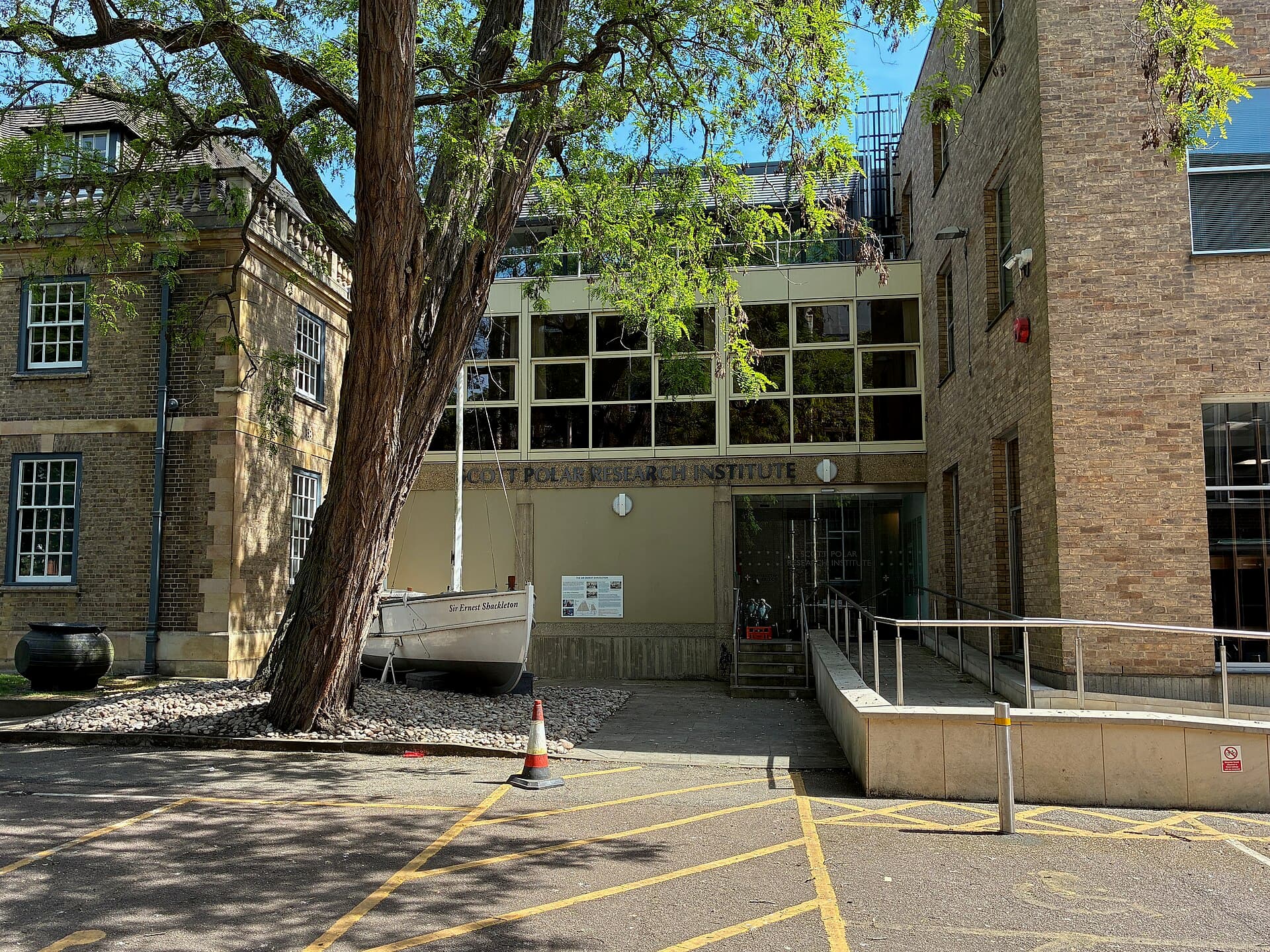 The Polar MuseumIn a tent on the Antarctic ice in March 1912, days from death, Captain Robert Fa7 minutes walk4.7
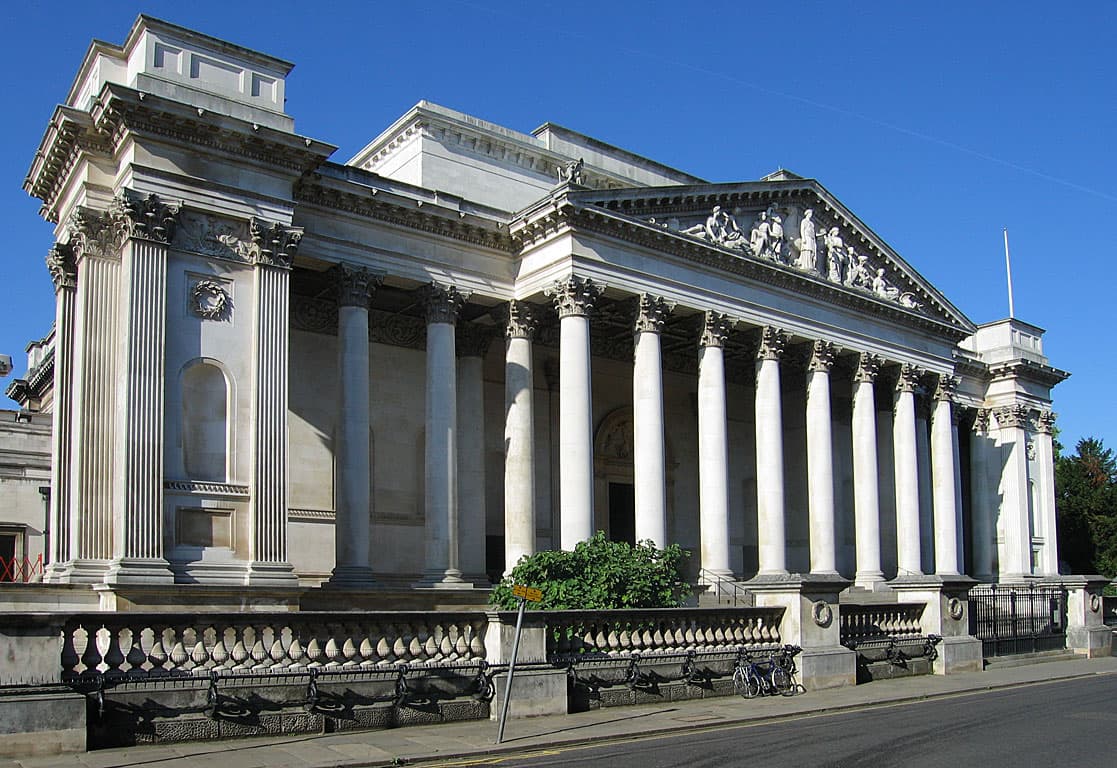 Fitzwilliam MuseumWalk in through the main door and you are under a gilded ceiling held up by marb12 minutes walk4.8
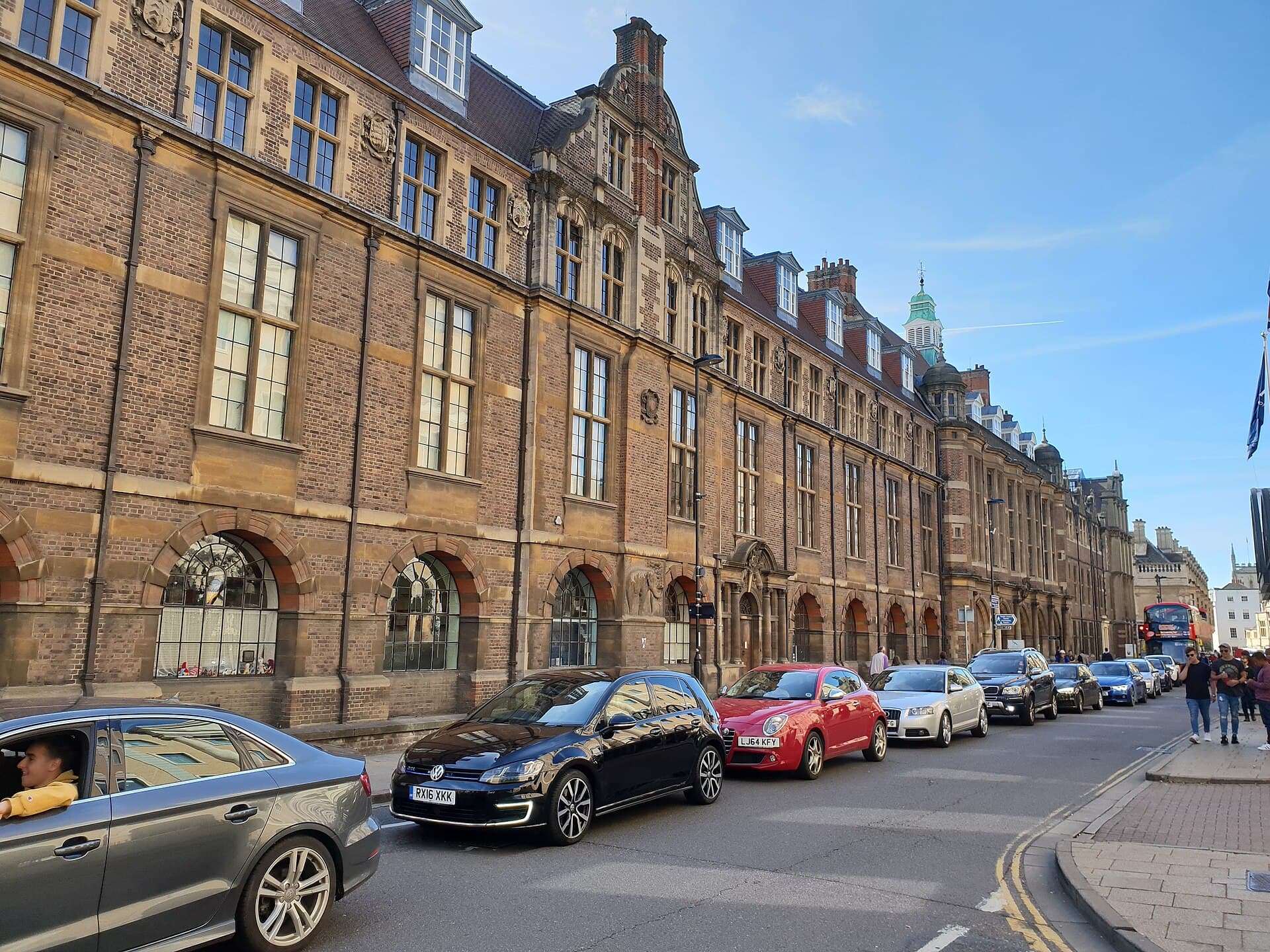 Sedgwick Museum of Earth SciencesAt the top of a grand double stone staircase, guarded by carved bears on one sid14 minutes walk4.8
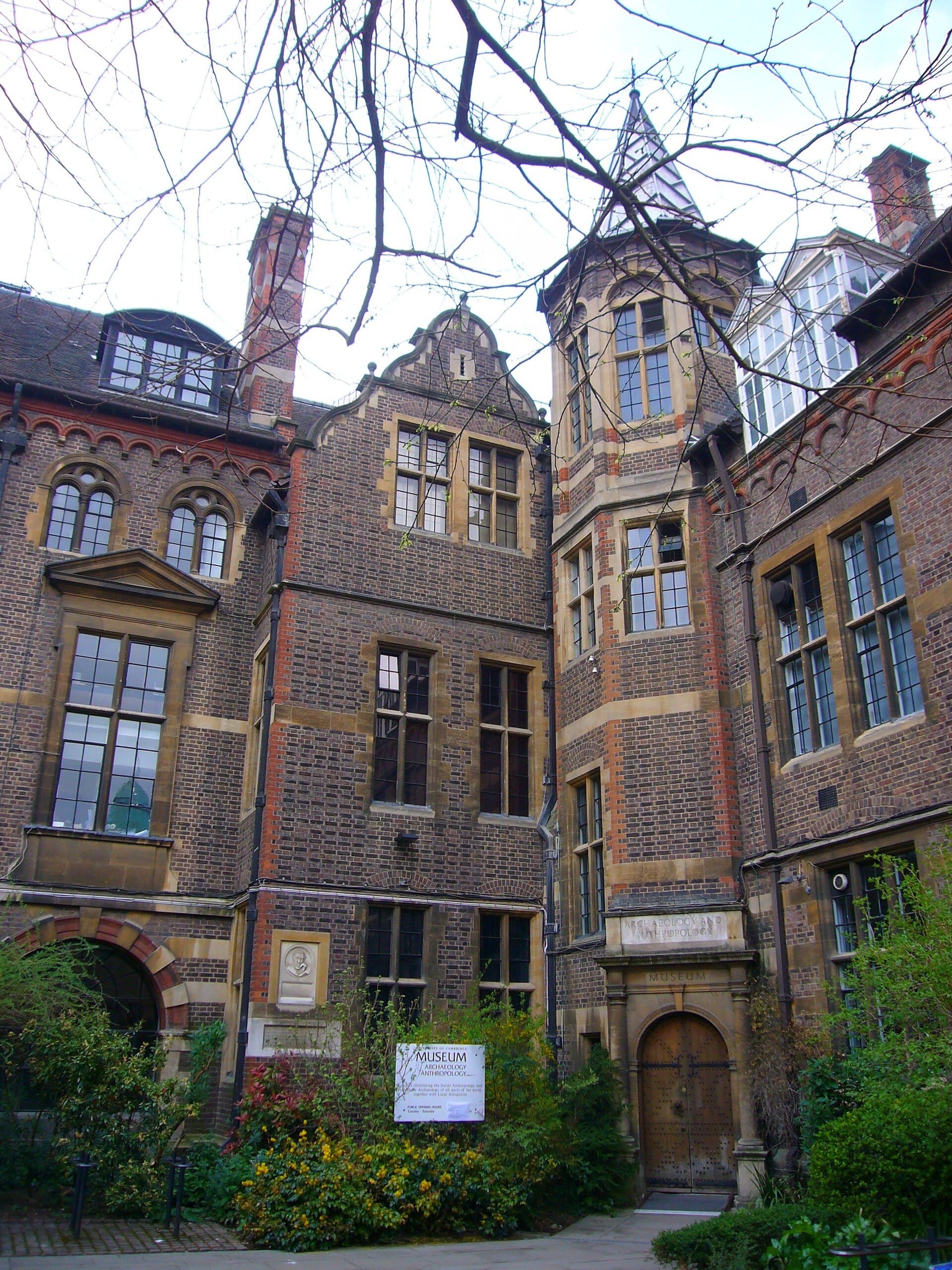 Museum of Archaeology and AnthropologyA fourteen-metre cedar totem pole, carved by the Haida people of Haida Gwaii off14 minutes walk4.6
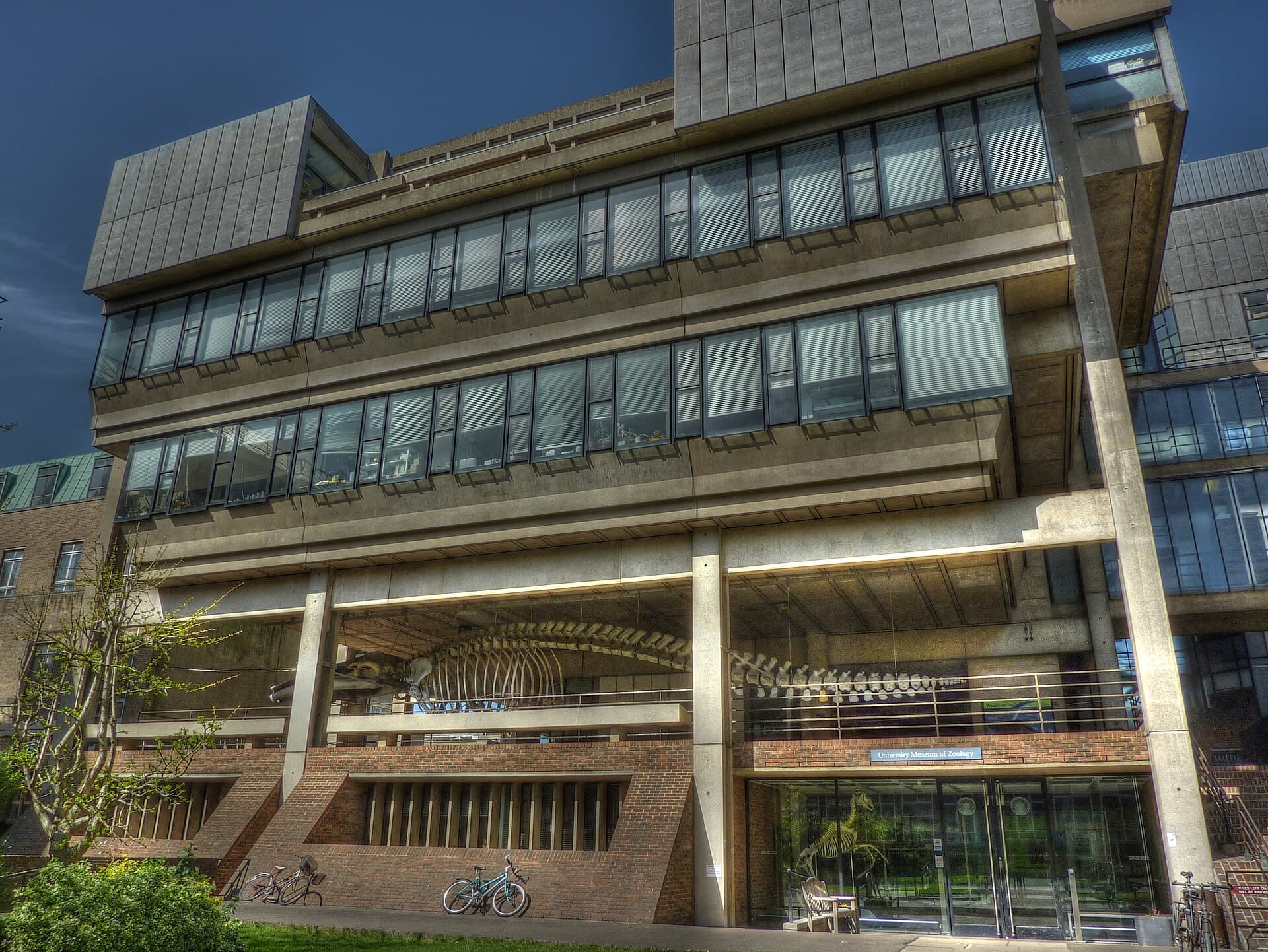 Museum of ZoologyA fin whale skeleton more than 21 metres long hangs over your head before you ha15 minutes walk4.8
Worth it, but for a different reason: children will not care about plant families, they will care about the huge lawns, the lake and the steamy glasshouses, and they enter free up to 16 with flat paths for pushchairs. Allow two hours at most and bring a picnic, since eating on the grass is allowed.
With only half a day in Cambridge, stick to the colleges and the Backs along the river; they are the essence of the city. The Botanic Garden is an addition for a full day or for a family that wants room to breathe away from the crowds, and its trump card is being ten minutes' walk from the railway station on the way back to London.