
The rock garden
Alpine plants gathered across stone terraces.
Tiia Monto — CC BY-SA 3.0 · Tiia Monto — CC BY-SA 3.0 · Guilhem Vellut from Annecy, France — CC BY 2.0 · Guilhem Vellut from Annecy, France — CC BY 2.0
Geneva's botanical garden is not ornamental planting but a **working scientific institution**: founded in 1817 by the botanist Augustin Pyramus de Candolle, and moved to its present lakeside site north of the city in 1904. It now covers 28 hectares and holds more than eleven thousand plant species, and entry is **always free** — which helps make it one of Geneva's most visited places, with hundreds of thousands of visitors a year. What makes it more than a garden is that it is not only plants: a rock garden of alpine species, beds devoted to threatened Swiss flora, mature trees in the arboretum, tropical glasshouses, and **small animal enclosures** with deer, ibex, peacocks and flamingos — where Geneva families spend their weekends. Behind closed doors sits a herbarium of over six million specimens, among the largest in the world. It lies on the Lausanne road beside the park of the Palais des Nations — minutes, that is, from the Ariana museum and the Broken Chair, all three free. With a restaurant inside and wide lawns, it is the best free half day in a city where everything costs. But come between April and October: in winter the garden loses most of what distinguishes it and only the glasshouses remain.
Alpine plants gathered across stone terraces.
Deer, ibex and flamingos — the children's favourite.
Over six million plant specimens, among the world's largest.
Chemin de l'Impératrice 1, 1292 Chambésy-Geneva
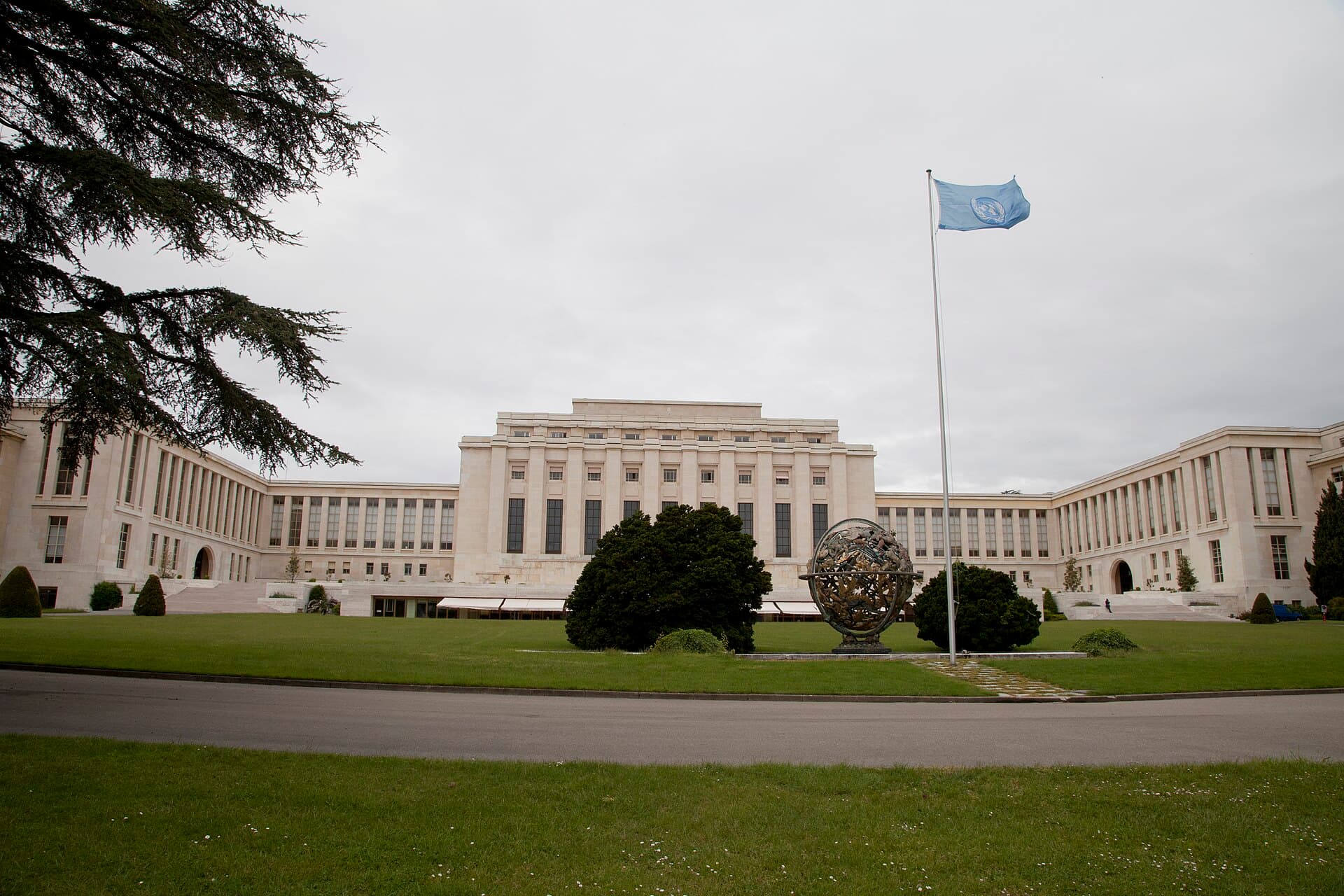 Palais des NationsIn the Ariana park above the lake spreads the Palais des Nations — built for the6 minutes walk4.5
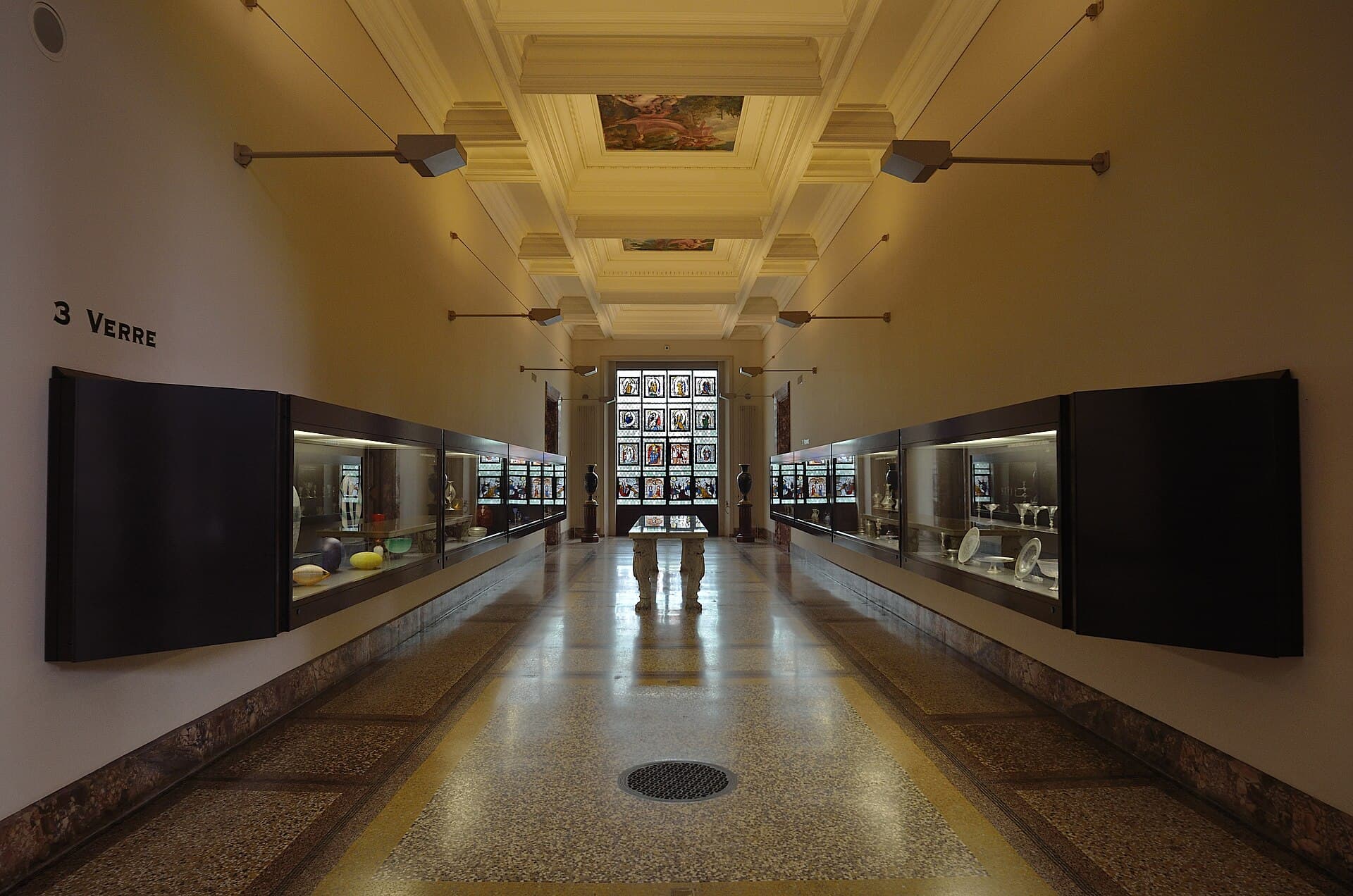 Musée ArianaThe Ariana is the **Swiss Museum of Ceramics and Glass**, and the only museum in7 minutes walk4.5
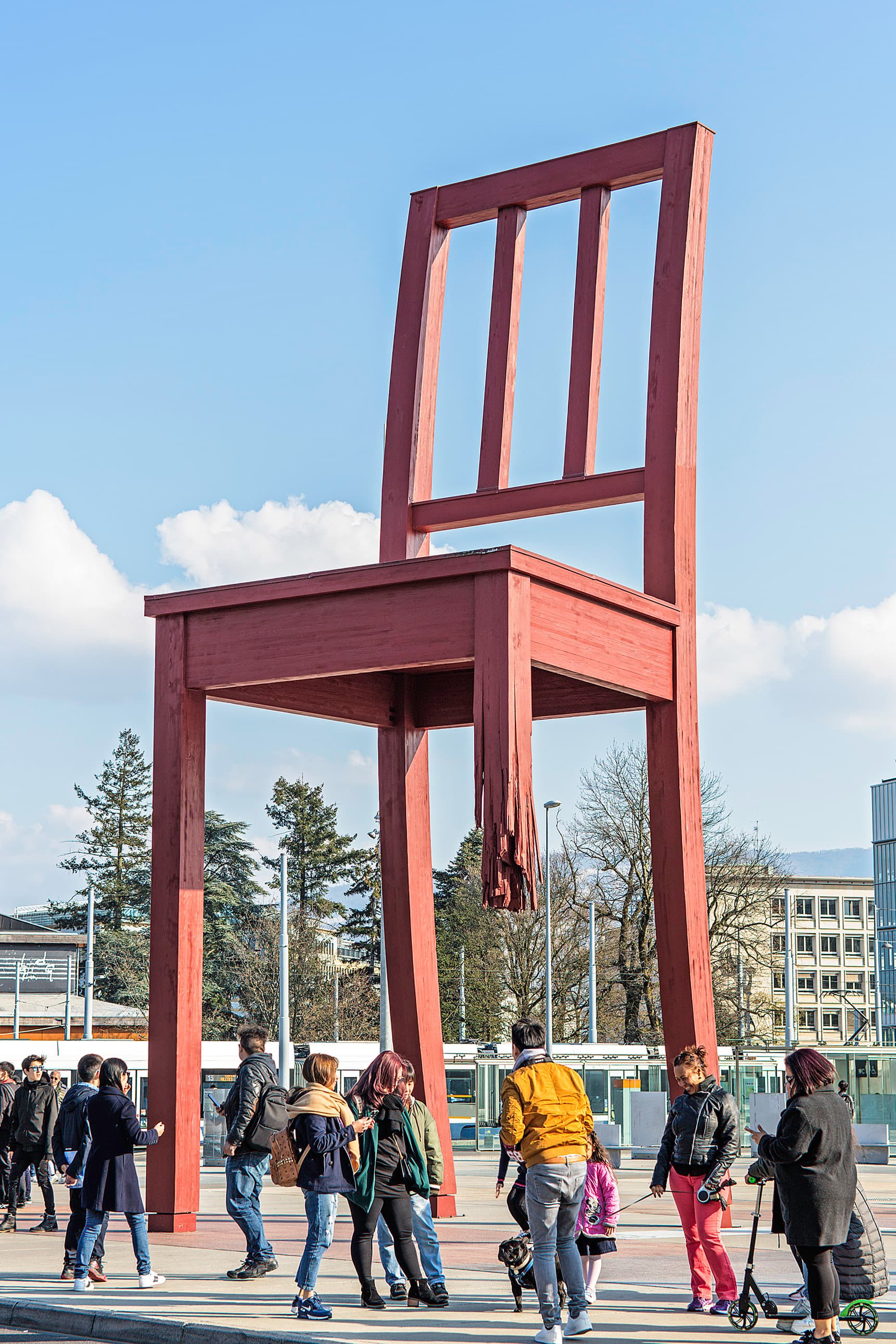 Broken ChairA giant wooden chair twelve metres tall and made of 5.5 tonnes of timber, standi8 minutes walk4.6
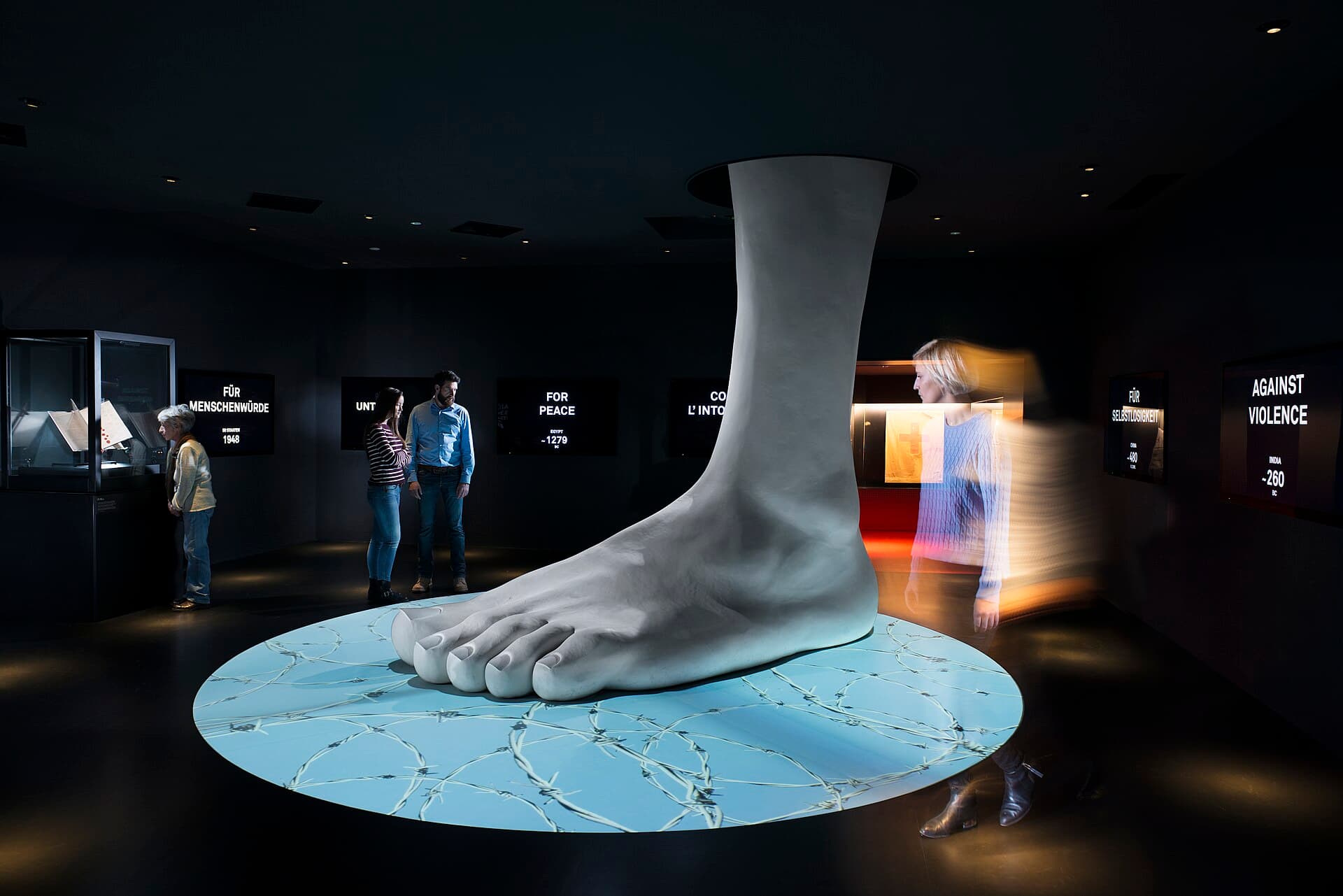 International Museum of the Red Cross and Red CrescentThis museum tells the story of an idea born in Geneva that changed the conduct o9 minutes walk4.6
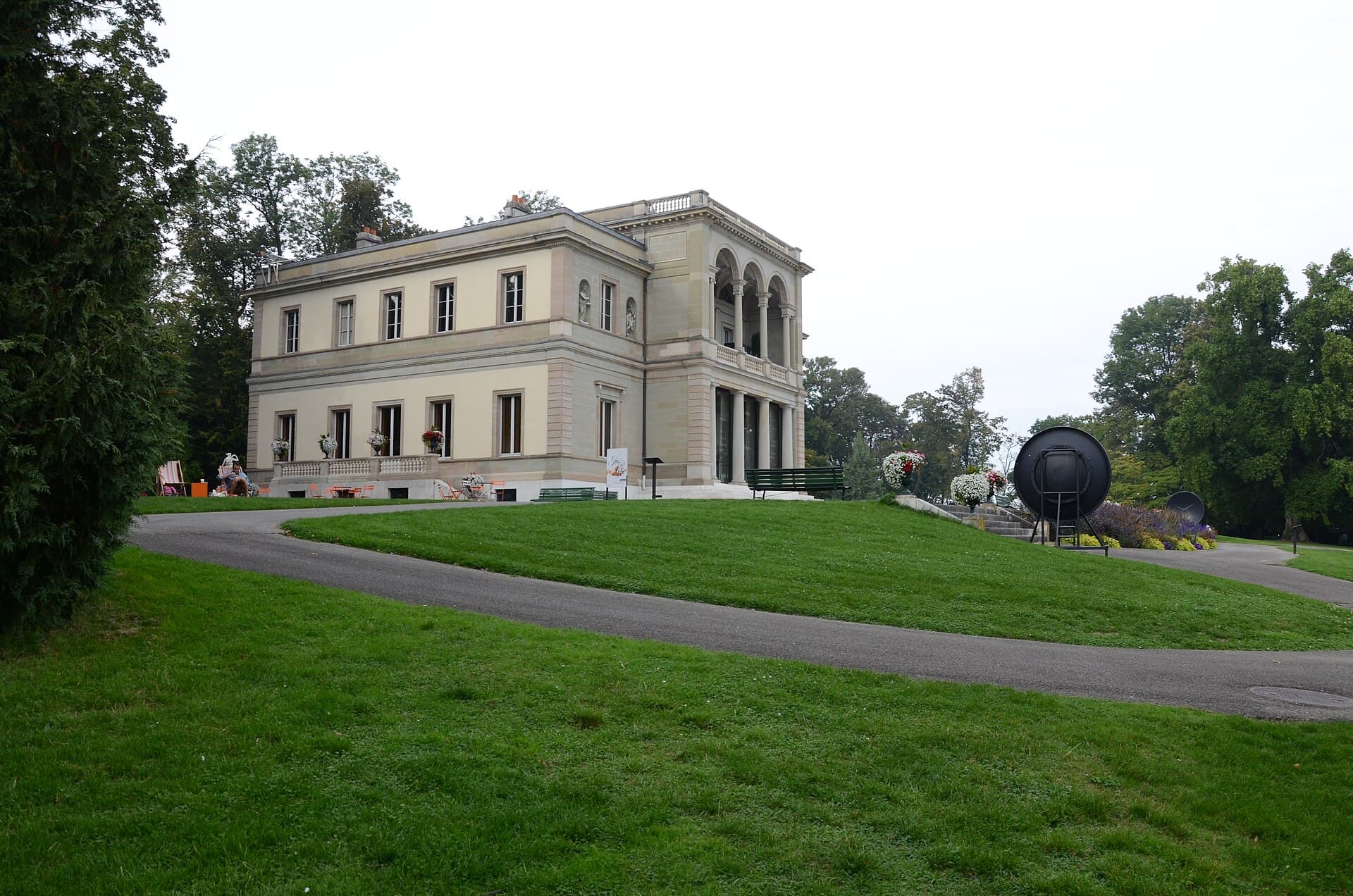 Museum of the History of ScienceA small, **free** museum inside the Villa Bartholoni, a white neoclassical villa10 minutes walk4.5
This garden is the anchor. Take tram 15 or bus 8 to Nations, start with the **Broken Chair** on the square (ten minutes), then the **Ariana museum** and its free permanent collection, then walk down into the **botanical garden** and on to the lakeshore. Three entirely free stops across four hours, costing only a transport ticket — and if you are staying in a Geneva hotel, the free transport card it gives you covers that.
Yes, and it is among Geneva's best options with them: free, with open ground to run on, and enclosures of deer, ibex and peacocks that hold children better than any museum in the city. Bring water and food or use the garden restaurant, and avoid winter — cold and bare beds empty it of its pleasure.