
The Human Rights Room
Barceló's hundred-colour dripping ceiling — diplomacy's most famous roof.
Cancillería Ecuador — CC BY-SA 2.0 · Guilhem Vellut from Annecy, France — CC BY 2.0 · Agence Rol. Agence photographique (commanditaire) — Public domain · Benoît Prieur — CC0
In the Ariana park above the lake spreads the Palais des Nations — built for the League of Nations in 1936 and inherited by the UN: its second seat after New York and its busiest in meetings, host to Geneva's eternal negotiations from human rights to war truces. Guided tours (passport required) enter the history-making halls: the great Assembly Hall, and the Human Rights Room under Miquel Barceló's dripping-colour ceiling — Spain's famous gift — along corridors of member nations' presents. The guides are actual UN staff with conference tales. Before the gate stands the Broken Chair on its severed leg — the landmine victims' monument facing the hundred and ninety-three member flags — international Geneva's icon, seen free even without a tour.
Barceló's hundred-colour dripping ceiling — diplomacy's most famous roof.
Twelve metres on a severed leg — the landmine cry facing the flags.
The nations' seats where the news-opening speeches are made.
Free peacocks roam the park — an old Japanese gift, multiplied.
Avenue de la Paix 14, 1211 Geneva
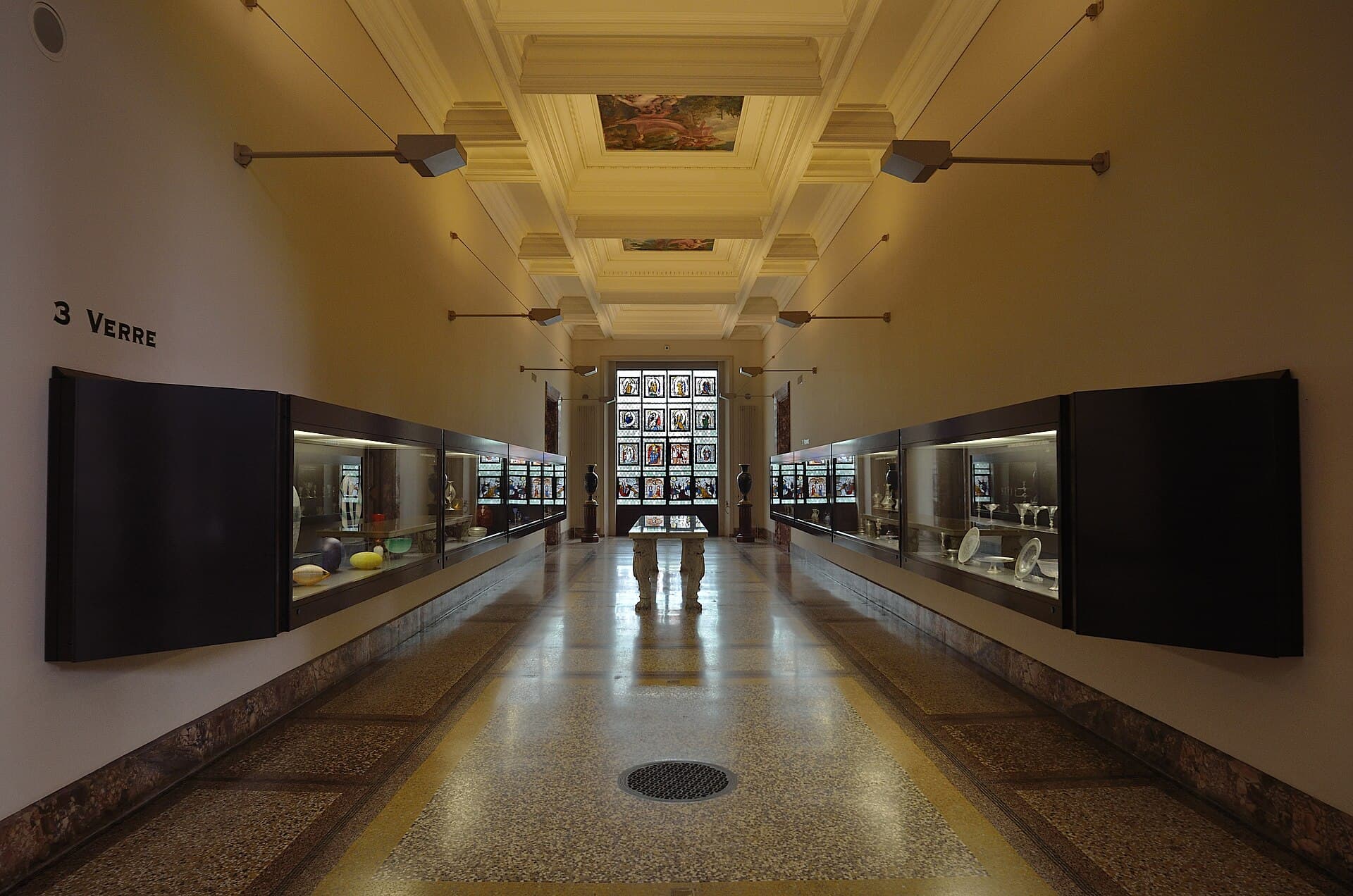 Musée ArianaThe Ariana is the **Swiss Museum of Ceramics and Glass**, and the only museum in2 minutes walk4.5
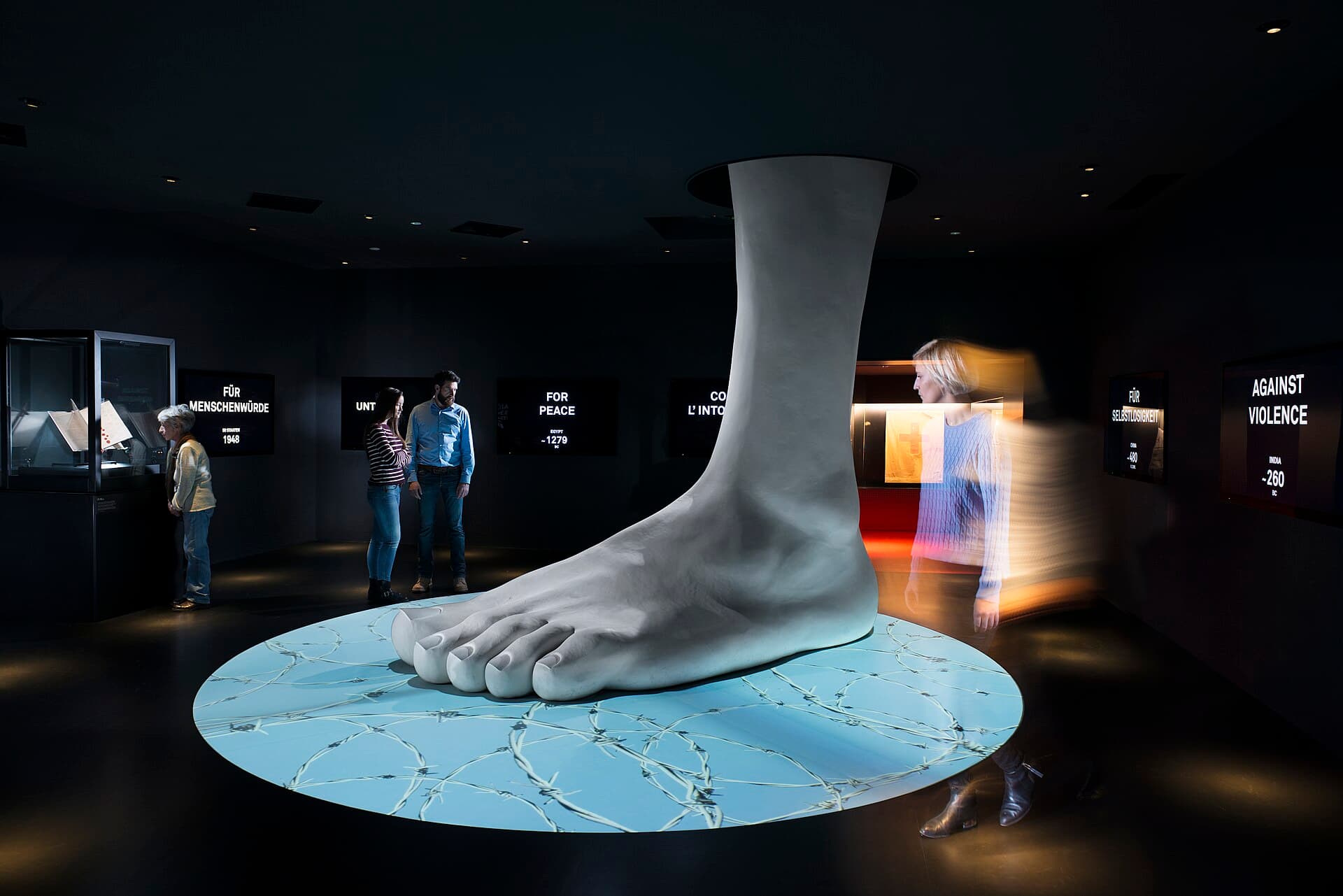 International Museum of the Red Cross and Red CrescentThis museum tells the story of an idea born in Geneva that changed the conduct o4 minutes walk4.6
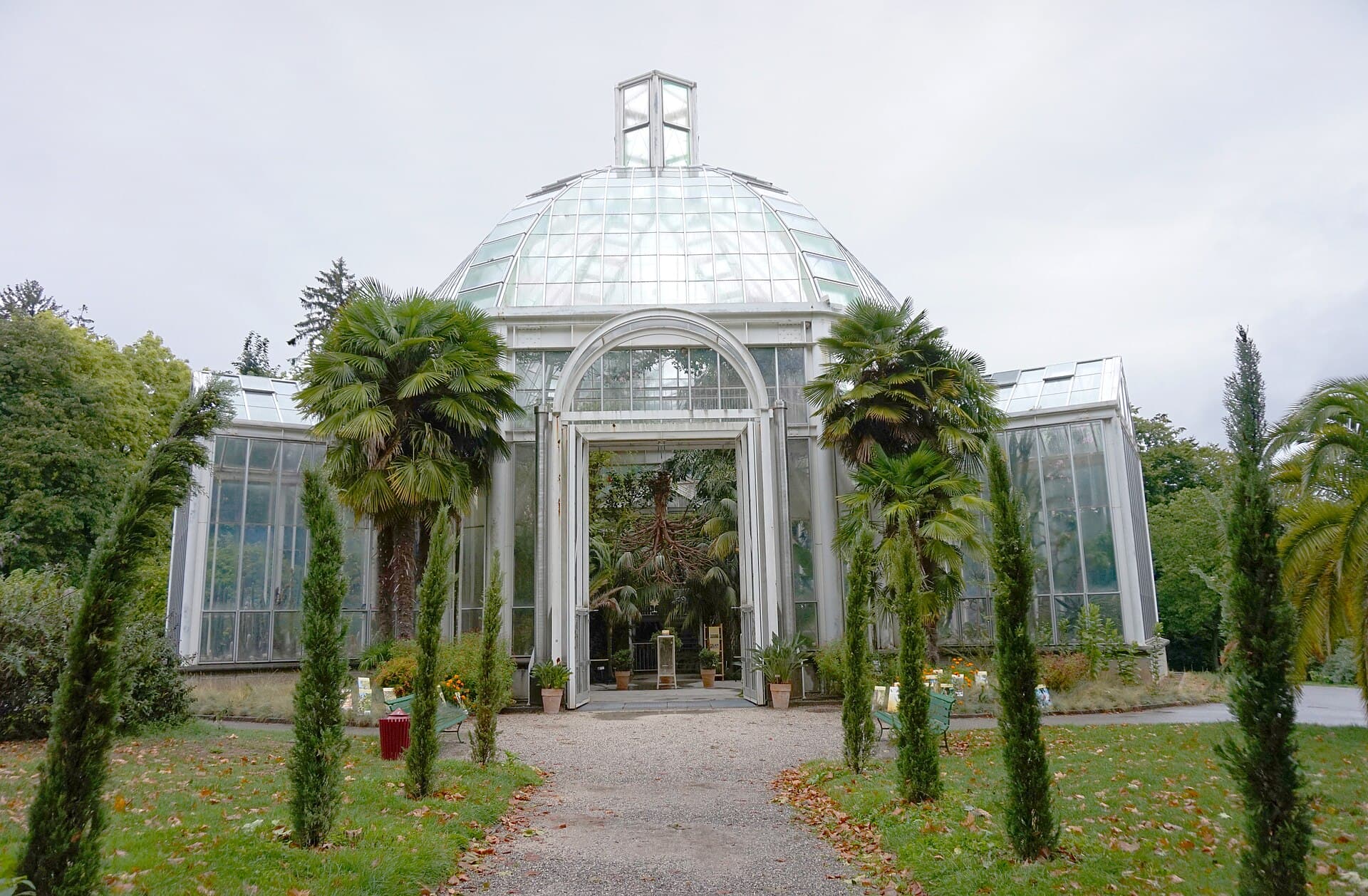 Geneva Botanical GardenGeneva's botanical garden is not ornamental planting but a **working scientific 6 minutes walk4.6
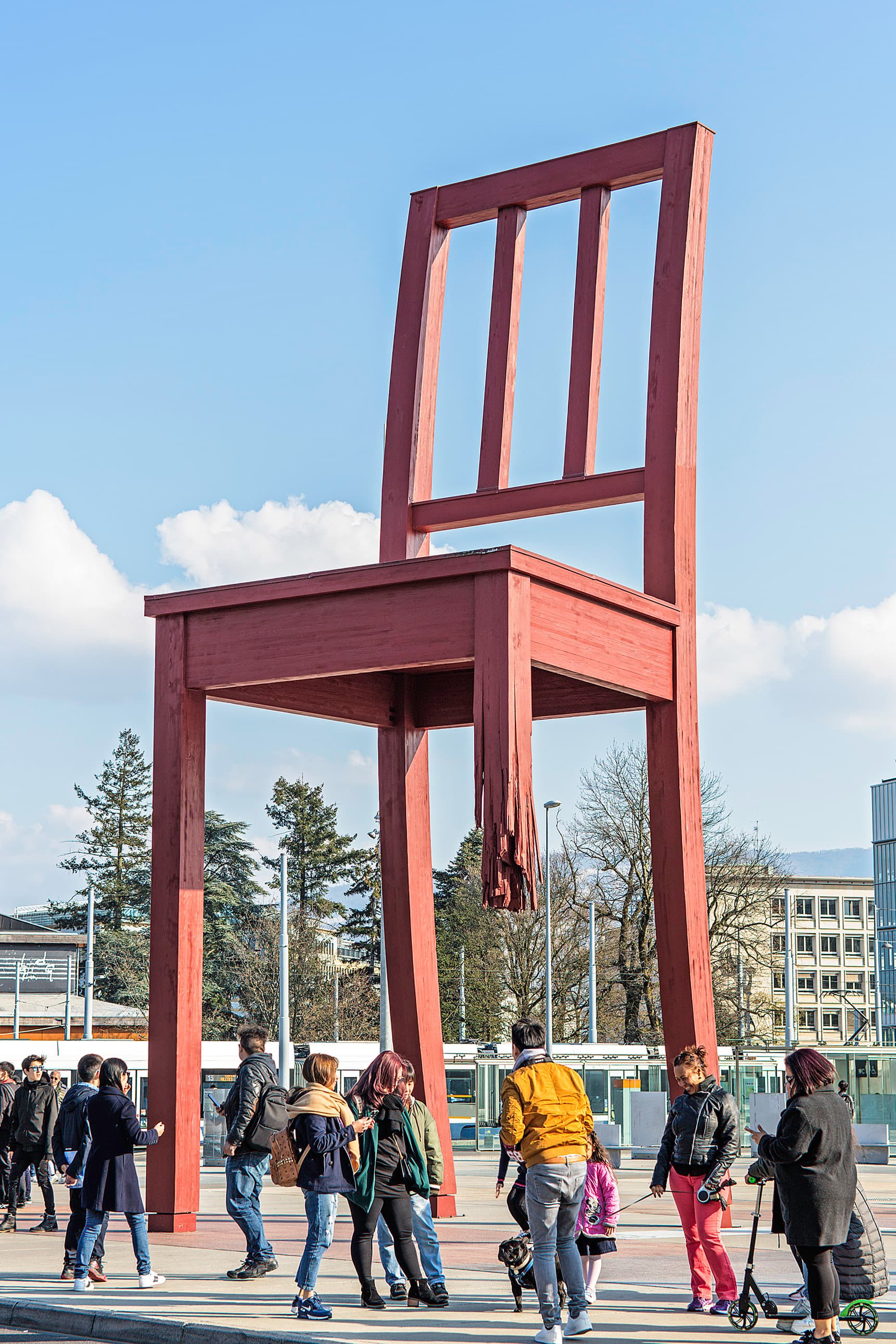 Broken ChairA giant wooden chair twelve metres tall and made of 5.5 tonnes of timber, standi6 minutes walk4.6
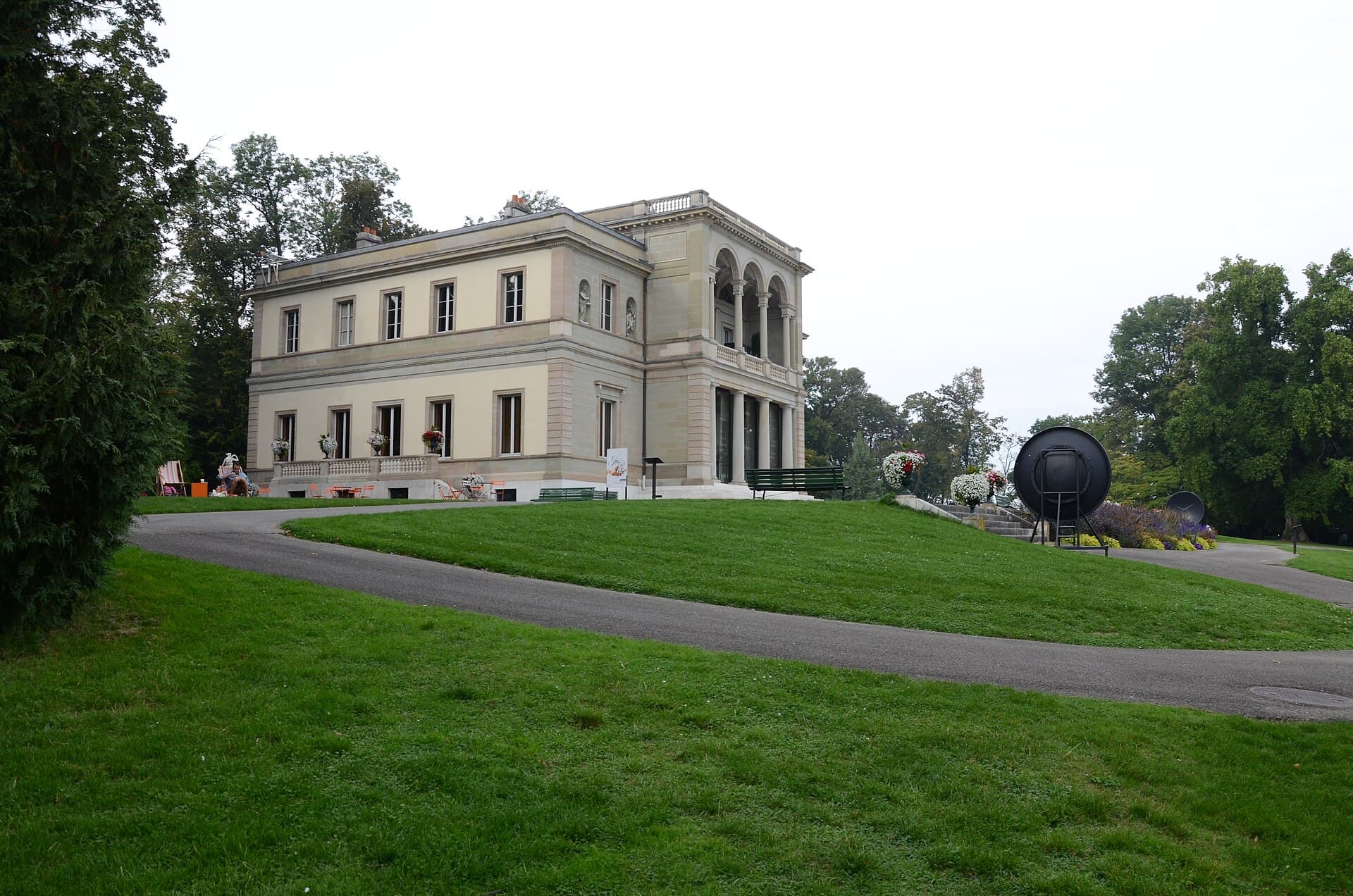 Museum of the History of ScienceA small, **free** museum inside the Villa Bartholoni, a white neoclassical villa14 minutes walk4.5
Book online the moment travel firms (windows open a month out and fill), favour Tuesday–Thursday clear of September summits — and carry the passport itself, not a photo. Against sudden cancellations the fallback stands ready: the neighbouring Red Cross Museum, among Europe's most powerful.
Handicap International raised it in 1997 to press the mine-ban treaty's signing: a giant chair whole but for one torn leg — life continuing after amputation, the absence testifying. Meant for months, the world refused its removal — among the most successful political sculptures ever.
The Red Cross Museum adjoins (a deeply affecting hour), the Ariana ceramics museum shares the park, and WTO and WHO gates serve enthusiasts — 'International Geneva' is a whole quarter, closed by a tram returning you lakeside in fifteen minutes.