
The severed leg
A blunt symbol of what mines do to civilian bodies.
Markus Schweizer — CC BY-SA 4.0 · Photograph by Mike Peel (www.mikepeel.net). — CC BY-SA 4.0 · Photograph by Mike Peel (www.mikepeel.net). — CC BY-SA 4.0 · Photograph by Mike Peel (www.mikepeel.net). — CC BY-SA 4.0
A giant wooden chair twelve metres tall and made of 5.5 tonnes of timber, standing on three legs with the fourth torn away and splintered. It stands on the **Place des Nations** directly opposite the main entrance to the Palais des Nations, so every diplomat entering the United Nations in Geneva passes it. The Swiss artist Daniel Berset designed it, the carpenter Louis Genève built it, and Handicap International erected it on 18 August 1997. It was never innocent sculpture but temporary political pressure: it went up months before the **Ottawa Treaty** banning anti-personnel mines was signed in December 1997, and the amputated leg stands for what mines do to civilians. It was meant to remain three months. It was taken down in 2005 while the square was redesigned and returned in February 2007, this time dedicated to the campaign against **cluster munitions**, whose treaty was signed in 2008 — and it has stayed ever since. In practice it is a ten-minute photograph stop and no more: the square is wide, exposed and windy, with little around it to hold you. But it is free and always there, in the middle of the international quarter — so pair it with the Ariana museum and the botanical garden minutes away on foot, or with a guided tour inside the Palais des Nations if you have booked one.
A blunt symbol of what mines do to civilian bodies.
Put up temporarily in 1997 and still standing.
The UN and the Red Cross are right around it.
Place des Nations, 1202 Geneva
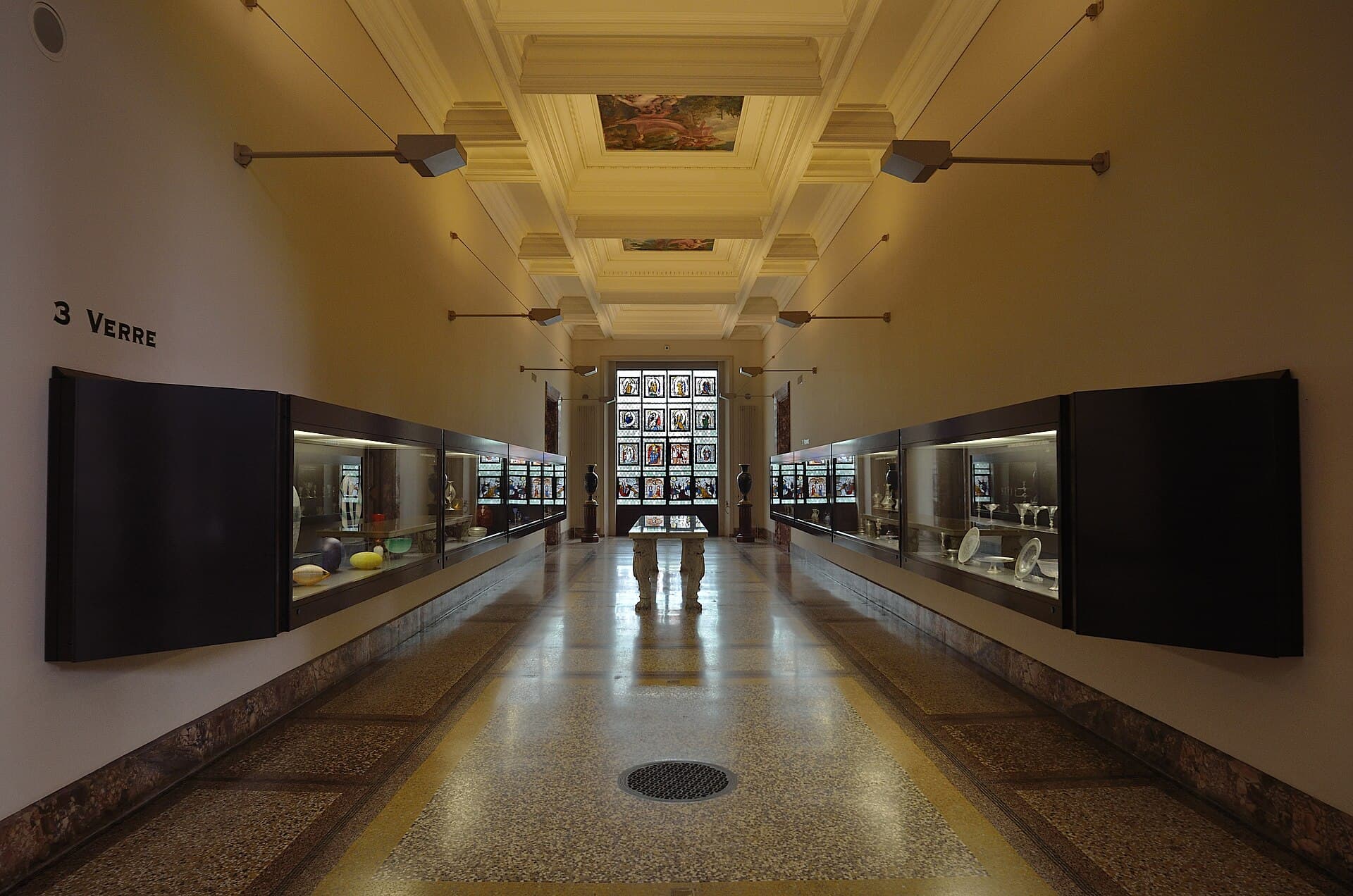 Musée ArianaThe Ariana is the **Swiss Museum of Ceramics and Glass**, and the only museum in4 minutes walk4.5
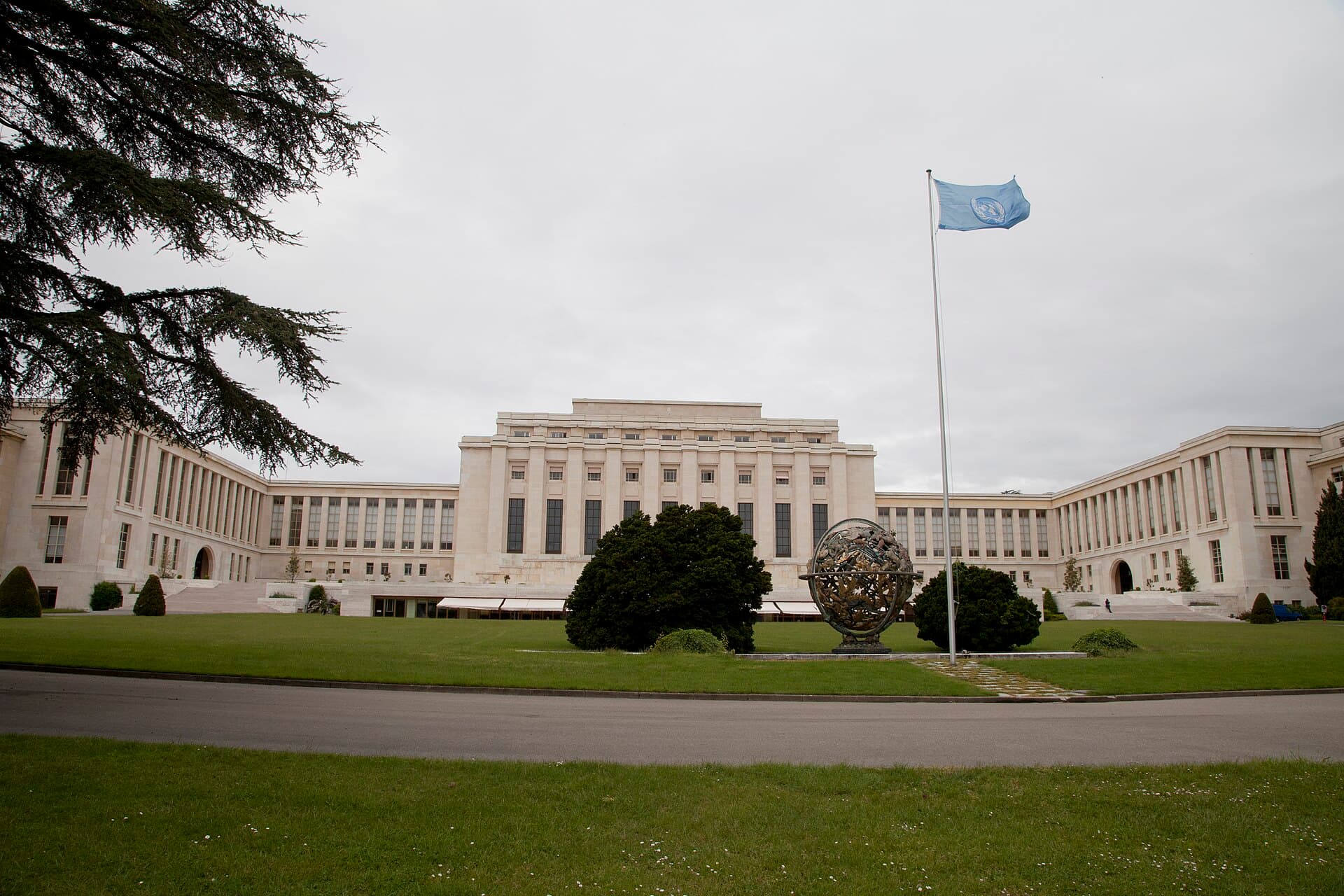 Palais des NationsIn the Ariana park above the lake spreads the Palais des Nations — built for the6 minutes walk4.5
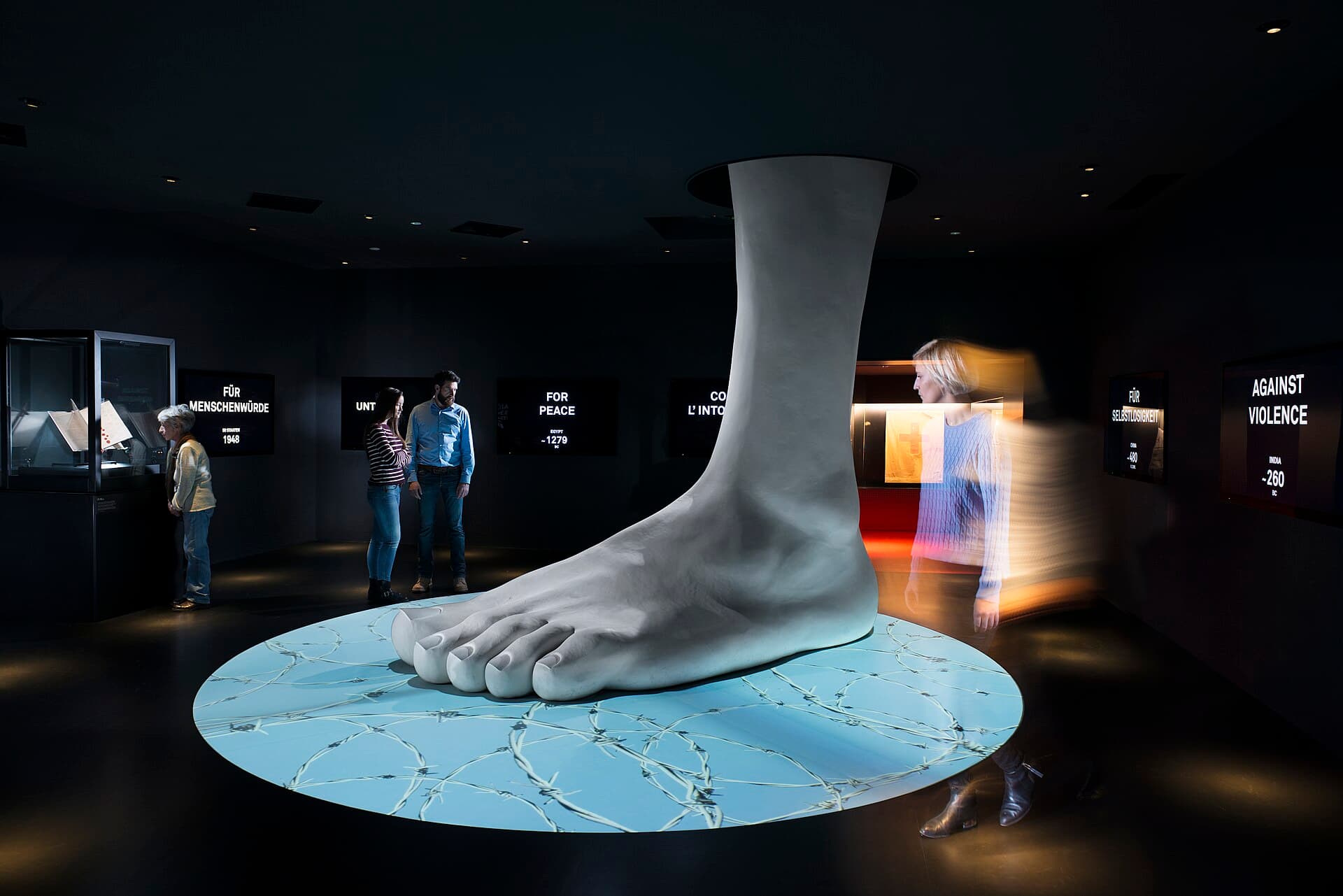 International Museum of the Red Cross and Red CrescentThis museum tells the story of an idea born in Geneva that changed the conduct o7 minutes walk4.6
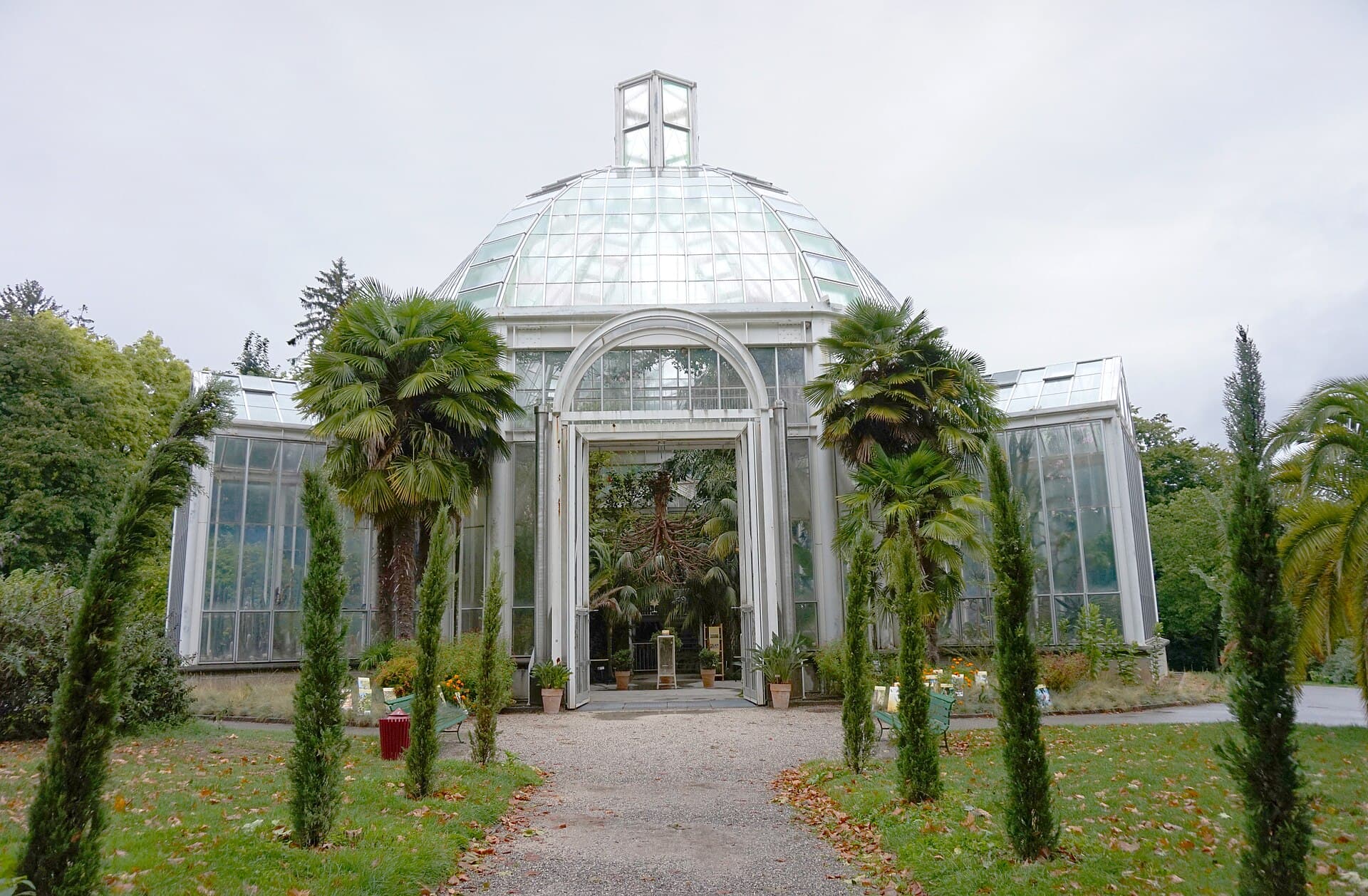 Geneva Botanical GardenGeneva's botanical garden is not ornamental planting but a **working scientific 8 minutes walk4.6
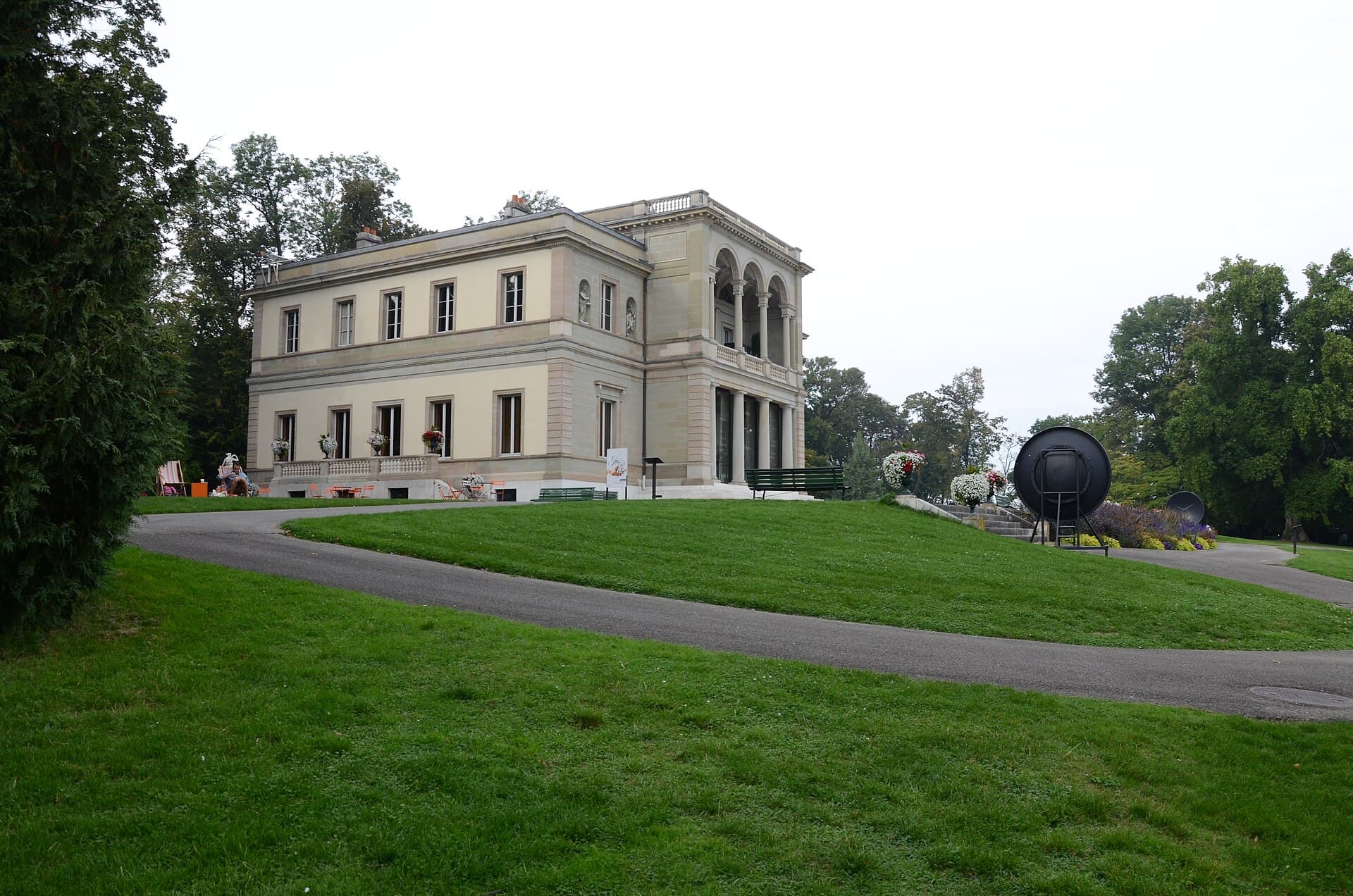 Museum of the History of ScienceA small, **free** museum inside the Villa Bartholoni, a white neoclassical villa13 minutes walk4.5
Yes, but only on a guided tour booked in advance through the UN Geneva website — there is no walk-in entry from the square. The tour runs about an hour on weekdays, costs something close to CHF 15, and requires a **passport**, with security screening and no large bags. Book weeks ahead in summer; slots sell out. Bear in mind rooms can close at short notice when an official meeting is called.
No — it is not a destination on its own. Make it one stop in a half day in the Nations quarter: the botanical garden and the Ariana museum (both free) are minutes away on foot, and the Red Cross museum is about ten minutes up Avenue de la Paix, beside the Ariana — that one is ticketed. Done that way you cover the best of northern Geneva for a tram fare plus, if you want it, the Red Cross entry.