
The prisoners-of-war archive
Millions of cards from 1914, on UNESCO's Memory of the World register.
MuseeCroixRouge — CC BY-SA 4.0 · MuseeCroixRouge — CC BY-SA 4.0 · MuseeCroixRouge — CC BY-SA 4.0 · Dennis G. Jarvis — CC BY-SA 2.0
This museum tells the story of an idea born in Geneva that changed the conduct of war: a Geneva businessman named **Henry Dunant** found himself by chance in 1859 on the battlefield of Solferino in northern Italy, among thousands of wounded men left without care. He wrote about what he saw in 1862; the International Committee of the Red Cross was founded in 1863, and the first Geneva Convention signed in 1864 — the foundation stone of all international humanitarian law. The museum opened in 1988, next door to the ICRC headquarters. The permanent exhibition is divided into three sections, each designed by an architect from a different continent: **defending human dignity** (Gringo Cardia, Brazil), **restoring family links** (Diébédo Francis Kéré, Burkina Faso) and **refusing fatality**, meaning disaster prevention (Shigeru Ban, Japan). Its most powerful holding is the archive of the **International Prisoners-of-War Agency**, set up by the committee in 1914: millions of handwritten cards used to trace prisoners and inform their families, on **UNESCO's Memory of the World** register since 2007. The museum also holds the first Nobel Peace Prize medal, shared in 1901 by Dunant and the French pacifist Frédéric Passy. It sits in the international quarter north of the centre, directly opposite the Palais des Nations, so it slots easily into a half-day that also takes in Place des Nations and the Broken Chair. The subject is heavy by nature — war, famine, displacement — and while the display is modern and visual, it does not soften the content. One of Geneva's three best museums if human history interests you.
Millions of cards from 1914, on UNESCO's Memory of the World register.
The 1901 Nobel Peace Prize, shared by Henry Dunant and Frédéric Passy.
Each section of the permanent display designed by an architect from a different continent.
Avenue de la Paix 17, 1202 Geneva
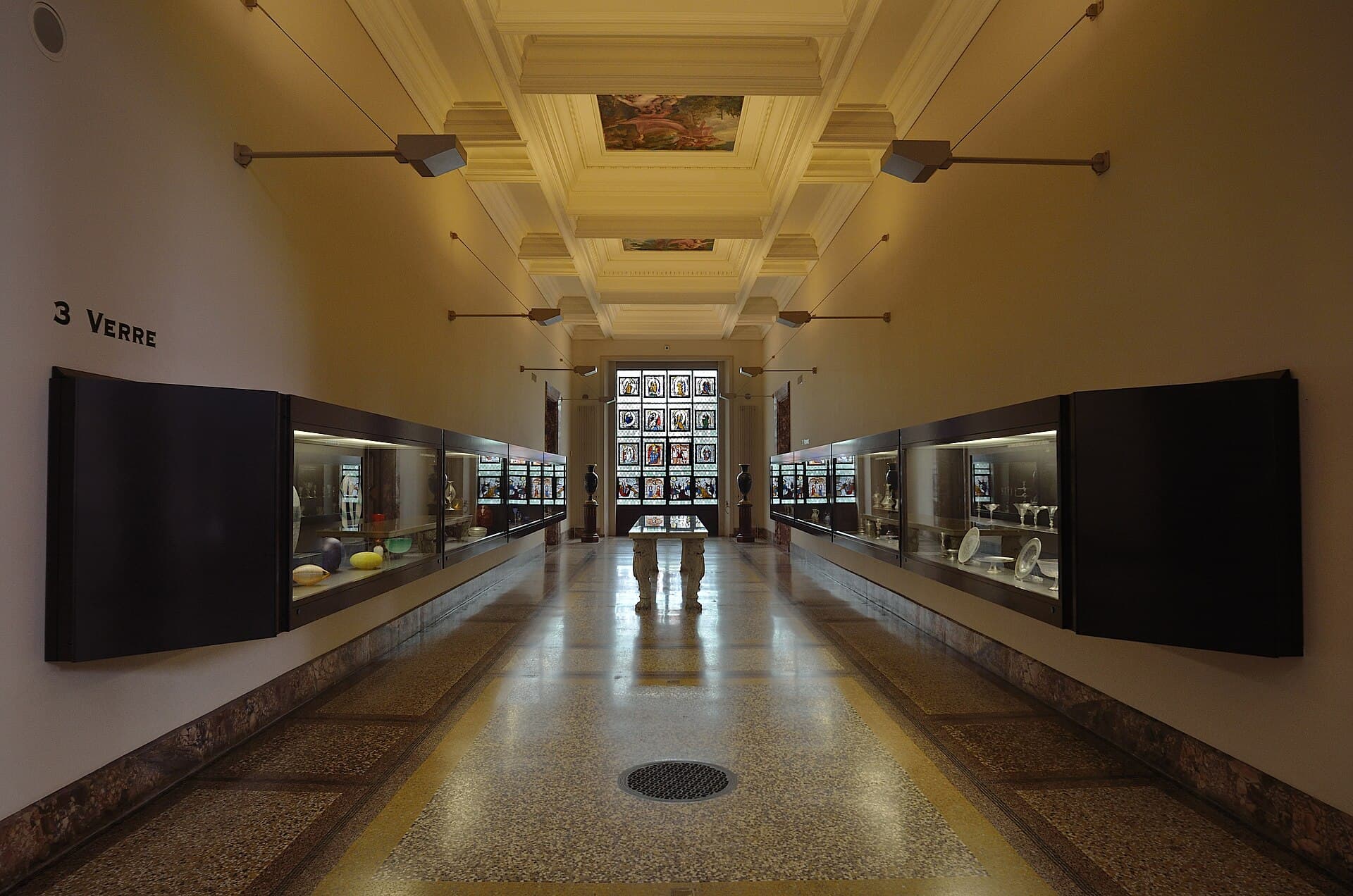 Musée ArianaThe Ariana is the **Swiss Museum of Ceramics and Glass**, and the only museum in3 minutes walk4.5
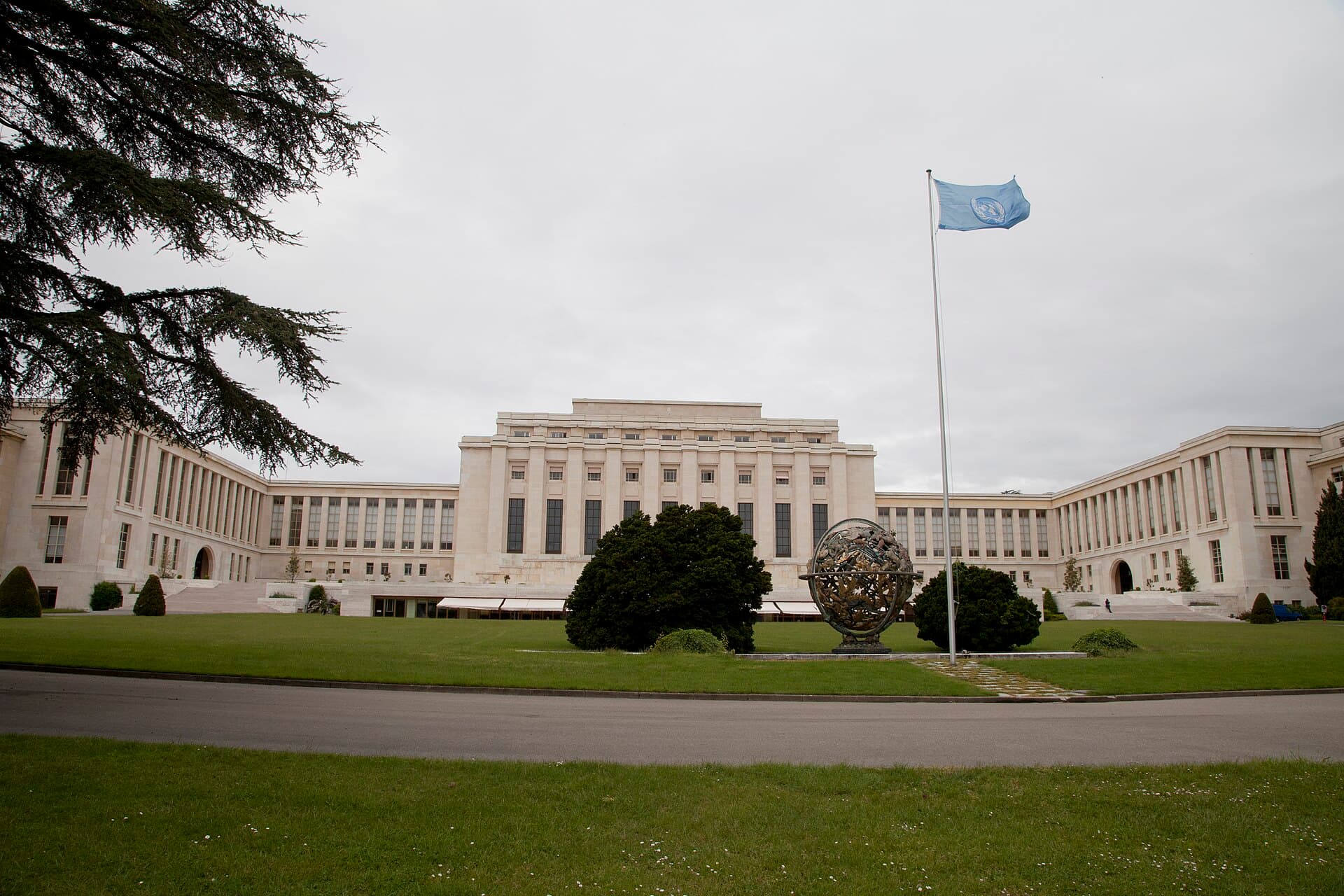 Palais des NationsIn the Ariana park above the lake spreads the Palais des Nations — built for the4 minutes walk4.5
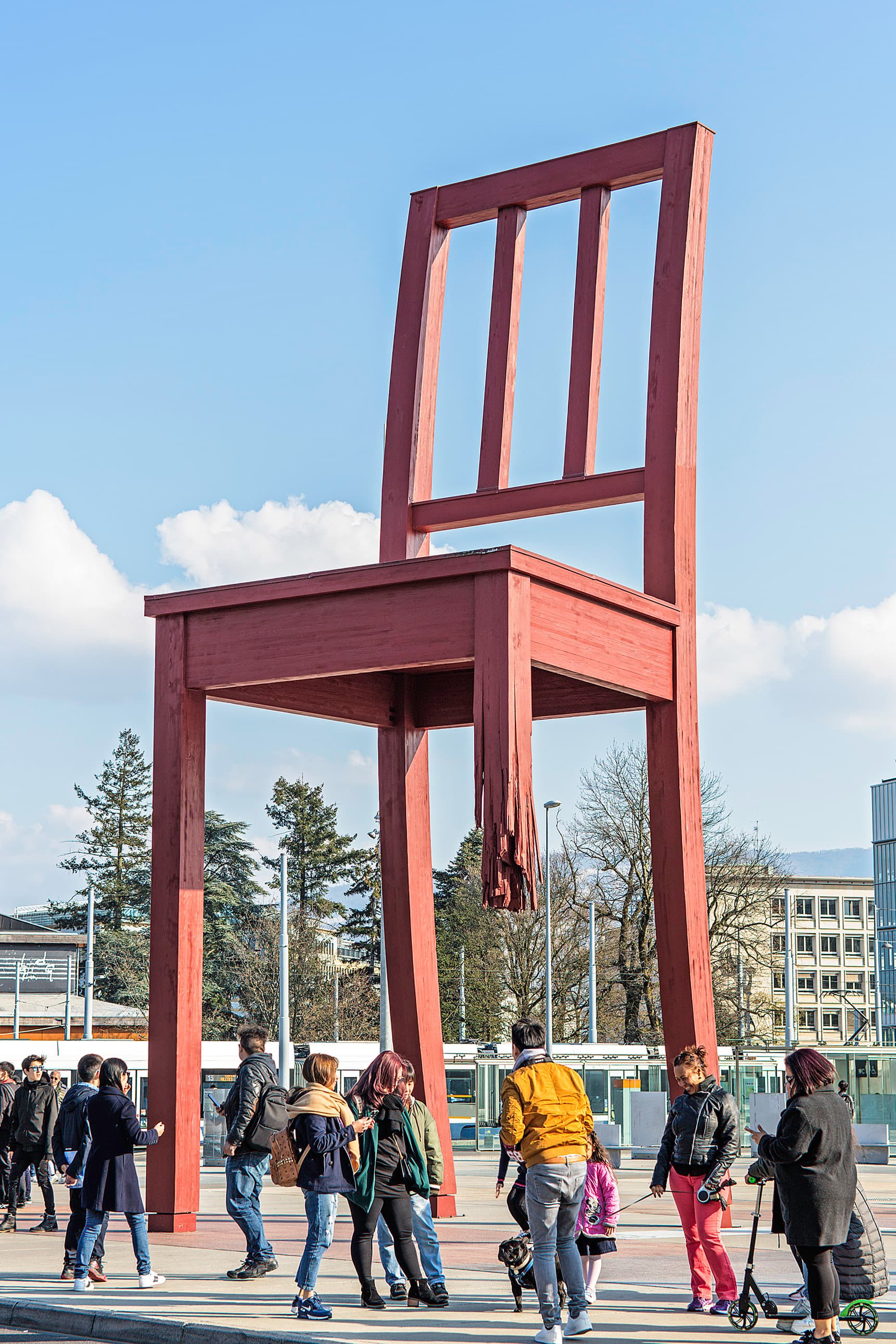 Broken ChairA giant wooden chair twelve metres tall and made of 5.5 tonnes of timber, standi7 minutes walk4.6
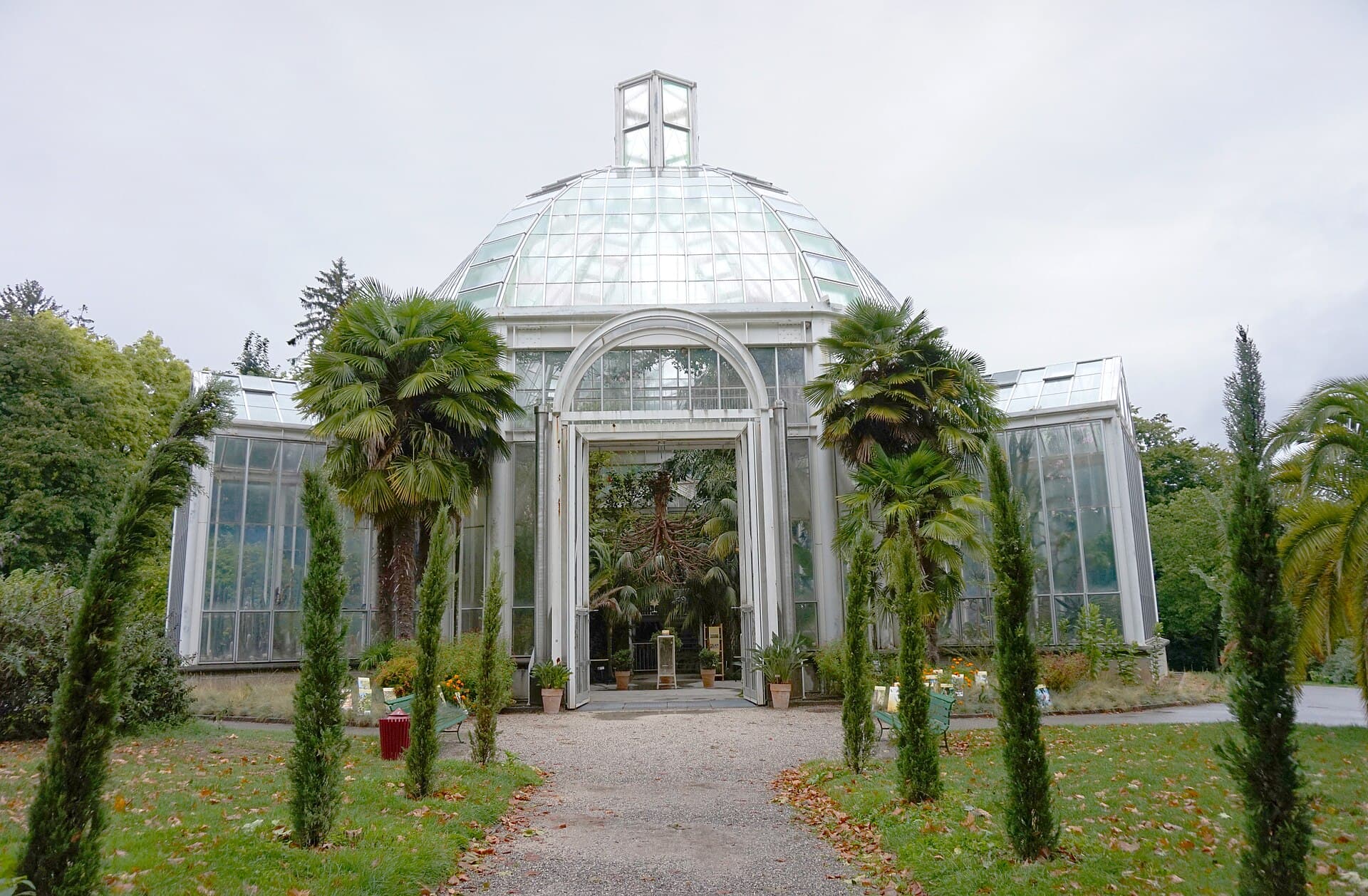 Geneva Botanical GardenGeneva's botanical garden is not ornamental planting but a **working scientific 9 minutes walk4.6
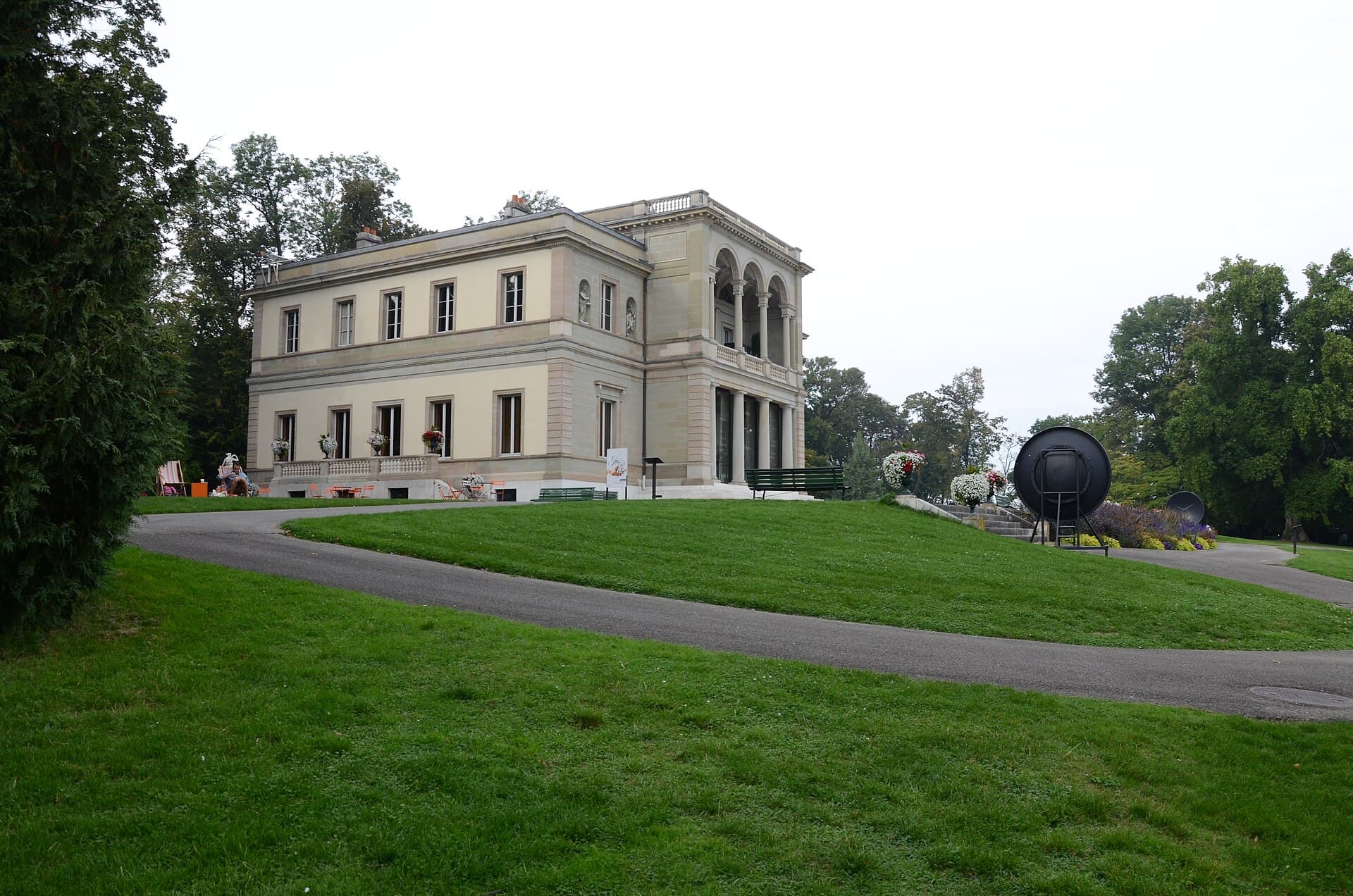 Museum of the History of ScienceA small, **free** museum inside the Villa Bartholoni, a white neoclassical villa18 minutes walk4.5
Because the Ottoman Empire objected during the 1877–78 war with Russia to using a cross emblem for its wounded, adopted the red crescent instead, and had it accepted for the duration. The **1929 Geneva Convention** then recognised it formally as an emblem equal to the red cross, and dozens of national societies across the Arab and Muslim world use it today. A third, neutral emblem — the **red crystal** — was added in 2005. The museum tells this story itself, and it is one of the clearest threads in the display for an Arab visitor.
Above roughly twelve: yes, and genuinely worthwhile. Younger than that: **we would not recommend it** — the displays deal with mass killing, famine and separated families, and some filmed testimony is hard to watch. Entry is free under 12, but that does not mean it was designed for them. The nearby family alternative: the large free Ariana park next door, and Place des Nations with the Broken Chair sculpture in the open air.