
The audio guide
Included in the ticket, and it is what turns knee-high walls back into an abbey, a royal palace and a royal burial place (English, French and Japanese only).
Rob Farrow — CC BY-SA 2.0 · Cbaile19 — CC0 · Andy Li — CC0 · Andy Li — CC0
The first Christian king of Anglo-Saxon England was buried here, and so was the monk who baptised him. When Augustine arrived from Rome in 597 on Pope Gregory's orders, King Aethelberht of Kent gave him land just outside the city wall, and by about 598 a Benedictine abbey stood on it that would serve for centuries as the resting place of Kent's kings and Canterbury's earliest archbishops. What you see today is not an abbey but a plan of one: stone footings and knee-high walls traced across a wide green lawn, with a few fragments still standing well above head height to remind you how big the thing once was. The story that completes the place is the story of its destruction. In 1538 Henry VIII closed it along with every other monastery in England. The abbey church was pulled down and its stone went into the city's houses, but the abbot's lodgings were spared and rebuilt as a royal palace. Elizabeth I lodged here in 1573; Charles I spent his wedding night here with Henrietta Maria in 1625. Then the palace fell down too. The audio guide, included in the ticket, is what makes these layers legible. Without it, this is a handsome field of ruins and you will be done in twenty minutes. Do not skip the small museum by the entrance: stone coffins, carved fragments from the abbey's columns and doorways, and a clear account of how the Normans built over the Saxon churches. Out among the footings, look for the stump of the octagonal rotunda that Abbot Wulfric began around the middle of the eleventh century to link the older Saxon churches and never finished, an unusual shape in English building. Together with the cathedral and St Martin's Church, the site has been a UNESCO World Heritage Site since 1988, and a combined Canterbury World Heritage Pass covers all three. Practicalities: an adult ticket is £12.70 at the gate on a standard day, £10.90 on quiet weekdays and £14.50 at peak times, and booking online in advance saves 15 percent; there is no compulsory advance booking even in August. It opens daily from late March to the end of October, 10:00 to 17:00 with last entry at 16:30, but from early November to mid-March only on Saturdays and Sundays and only until 16:00, so check before you go. The audio tour is in English, French and Japanese only. The ground is flat grass, fine for pushchairs when dry and muddy after rain. From the cathedral it is a five-minute walk east along Longport; from Canterbury East station about fifteen minutes; there is a paid car park opposite the entrance. For families: children enjoy the run between the walls, but one hour is plenty.
Included in the ticket, and it is what turns knee-high walls back into an abbey, a royal palace and a royal burial place (English, French and Japanese only).
The footings of an octagonal building from the middle of the eleventh century, meant to link the abbey's Saxon churches and abandoned before it was ever finished.
Stone coffins and carved fragments from the abbey's columns in a small hall by the entrance, worth twenty minutes of your time.
Longport, Canterbury CT1 1PF
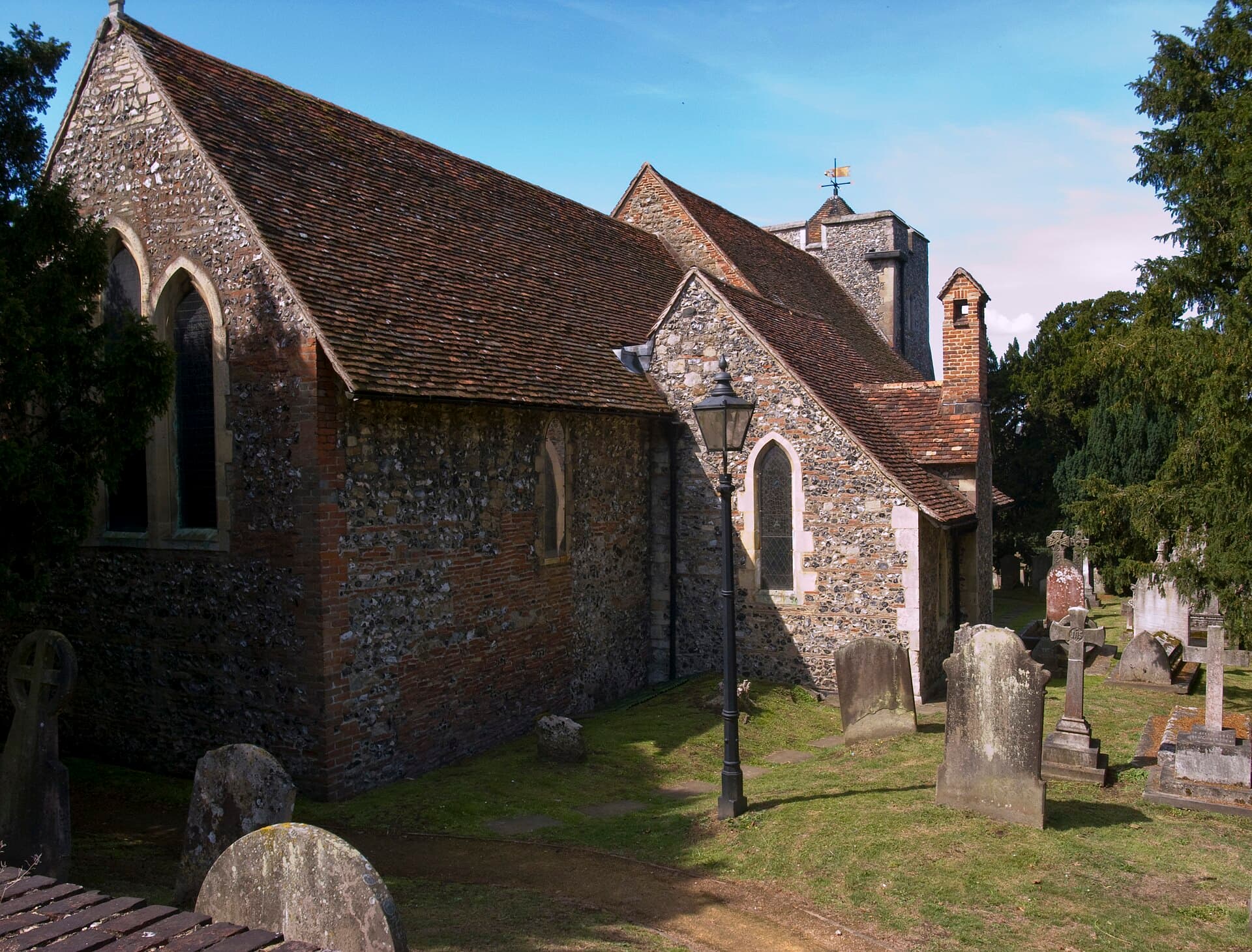 St Martin's ChurchBefore a single stone of Canterbury Cathedral was laid, people were already pray5 minutes walk4.6
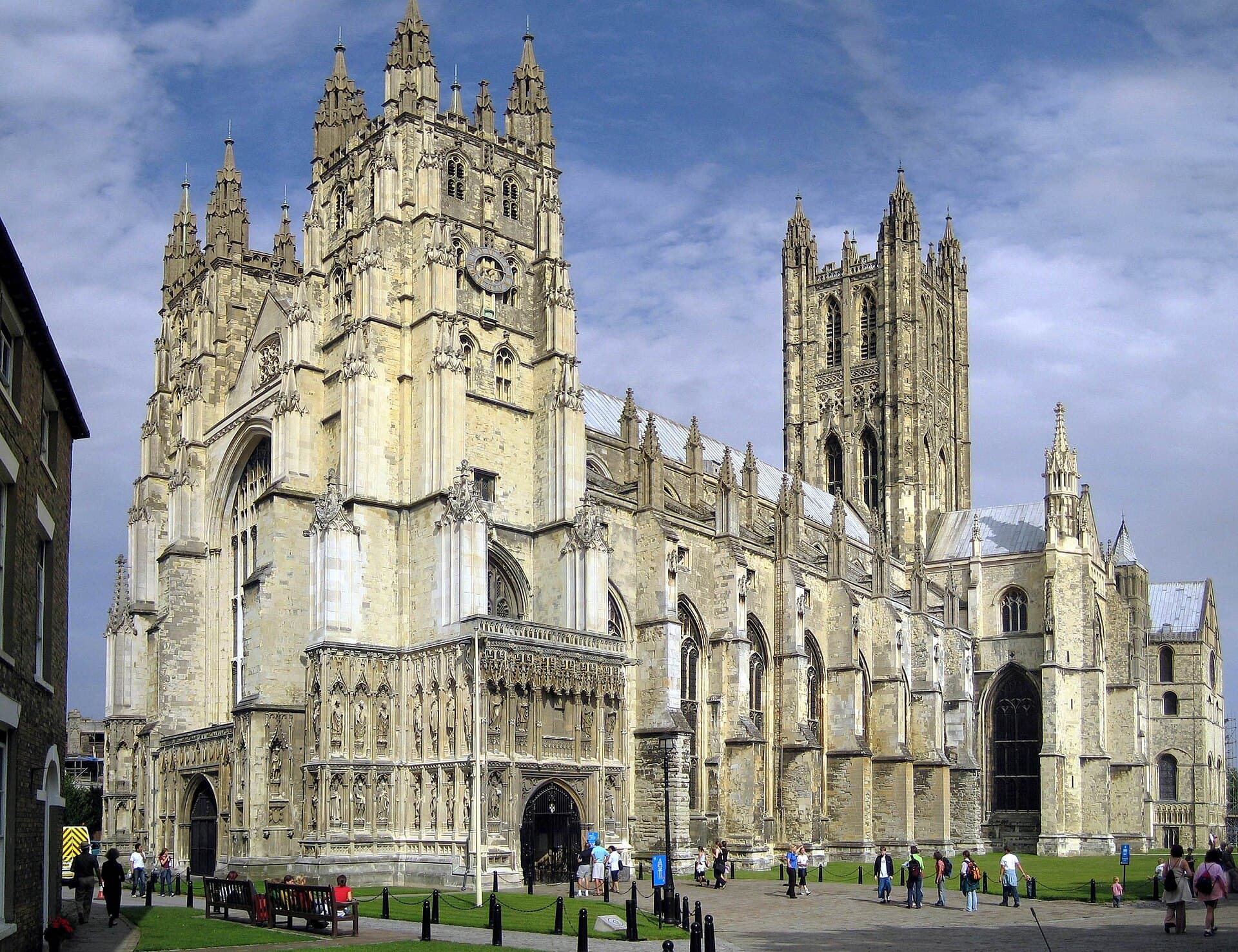 Canterbury CathedralOn a winter evening in 1170 four knights walked into this building and killed Ar5 minutes walk4.7
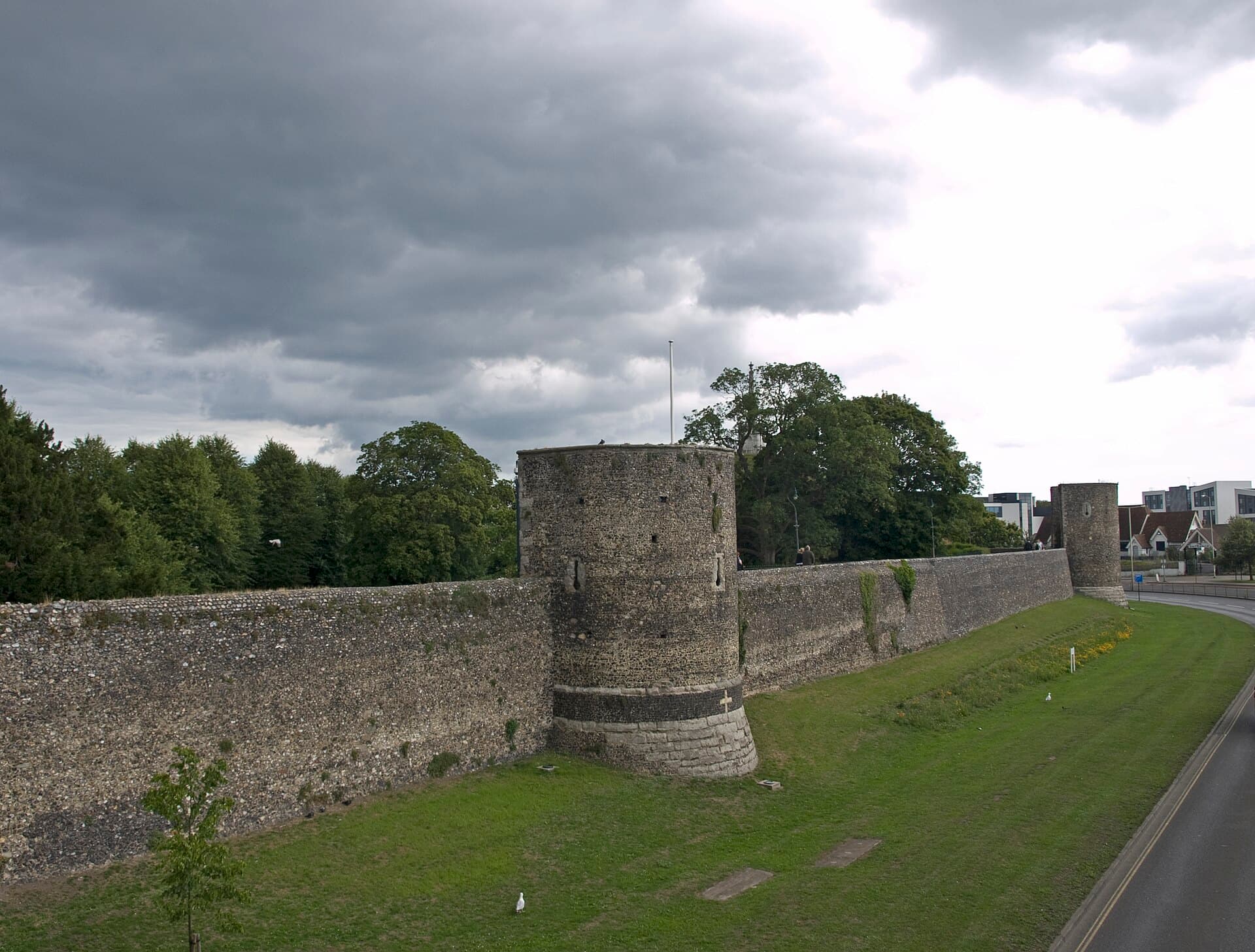 Canterbury City WallsStep out of Canterbury East station and the first thing you meet is not the cath6 minutes walk4.8
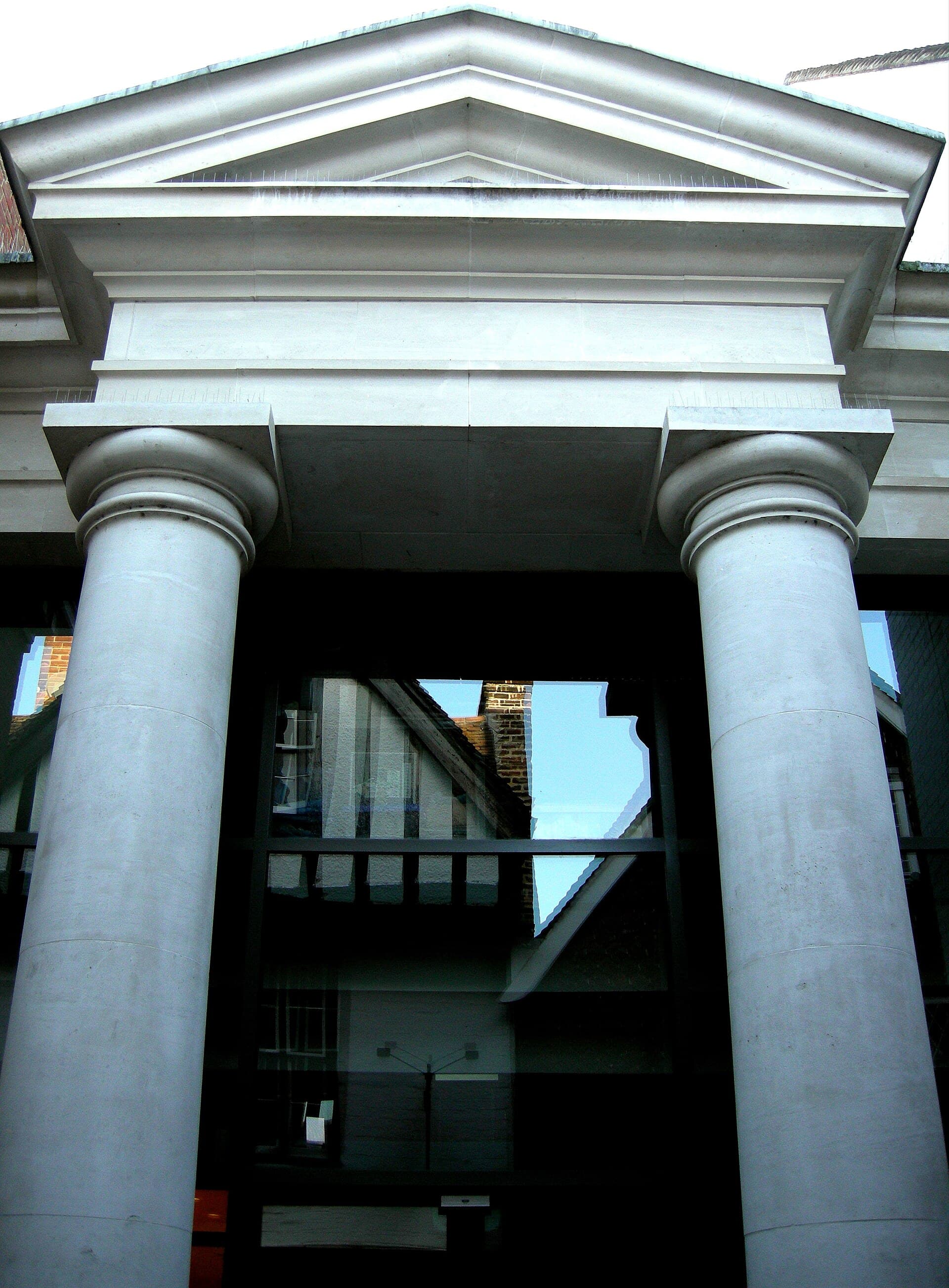 Canterbury Roman MuseumA few metres beneath the shoppers on Butchery Lane lies a Roman mosaic floor tha6 minutes walk4.4
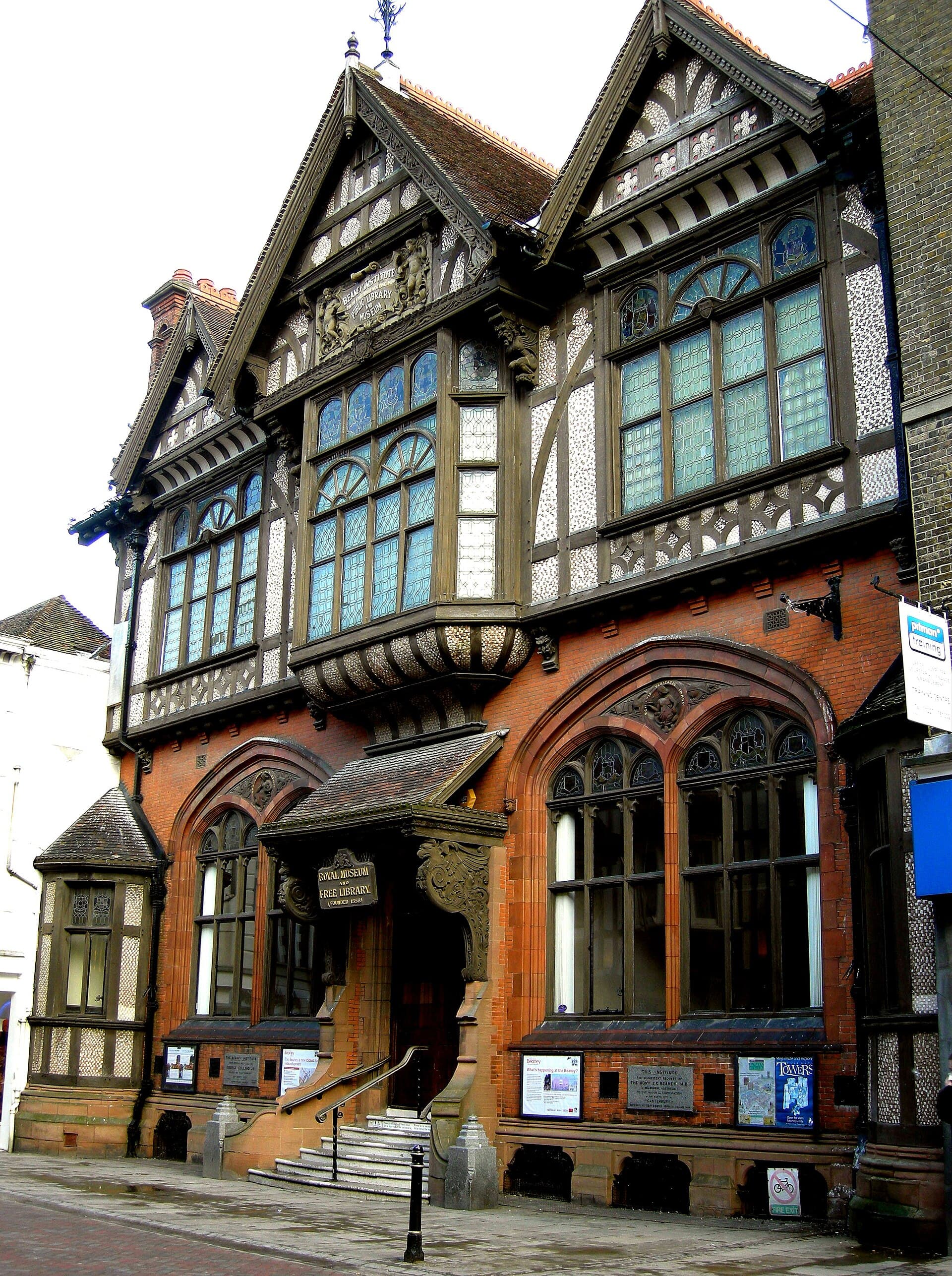 The Beaney House of Art & KnowledgeOne of the handsomest frontages on Canterbury's High Street was paid for by a co8 minutes walk4.5
With half a day, the cathedral comes first without argument, and the abbey second only if you enjoy history or already hold the World Heritage Pass. It is a quiet ruin field that makes sense with the audio guide, not a jaw-dropping sight; with young children, settle for the lawn and the museum and give it an hour.
No. The great gate, rebuilt between 1301 and 1309, belongs to the King's School and is not part of the English Heritage site, so you see it only from outside; the best view is from Lady Wootton's Green, two minutes round the corner from the abbey entrance.