
Chapel and hospital in one
A recurring pattern in Andalusian towns after the conquest: worship and care together.
Zarateman — CC0 · Antonio Luna — CC BY-SA 3.0 · Zarateman — CC0 · Zarateman — CC0
A small chapel in Marbella's old town, among the oldest religious buildings in the town, with origins in the sixteenth century. It was built shortly after Marbella passed to Castilian rule, attached to a small hospital serving the poor and travellers — a recurring pattern in Andalusian towns after the conquest: a chapel, a hospital and a shelter in one building. The style is plain Mudéjar: a modest structure with arches and a timber ceiling, nothing like the vast baroque churches of other Andalusian cities. This was a small coastal town, and a poor one before it became a resort. That is what makes it interesting: Marbella's old town is all that survives from before the coast turned into a tourist destination in the 1960s, and the chapel is part of it. It is very small and the visit is ten minutes, and it may be closed outside set hours. The old town around it, with its white lanes and squares, is the real visit — free and always open.
A recurring pattern in Andalusian towns after the conquest: worship and care together.
The old town is all that survives from before the coast changed in the 1960s.
Arches and a timber ceiling — a poor town, not a city of baroque churches.
The old town, Marbella
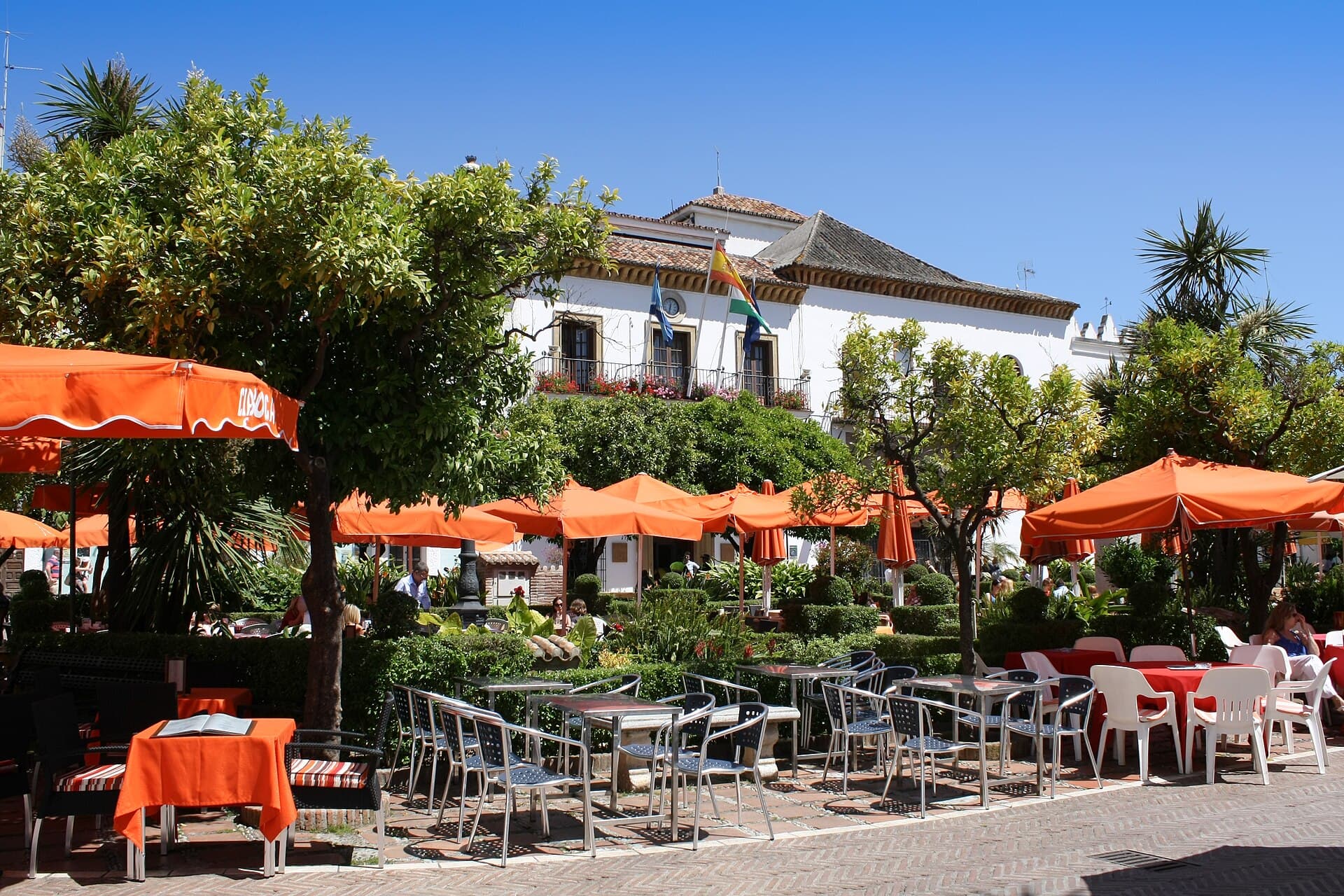 Plaza de los NaranjosThe main square of Marbella's old town, laid out in the late fifteenth century a1 minute walk4.7
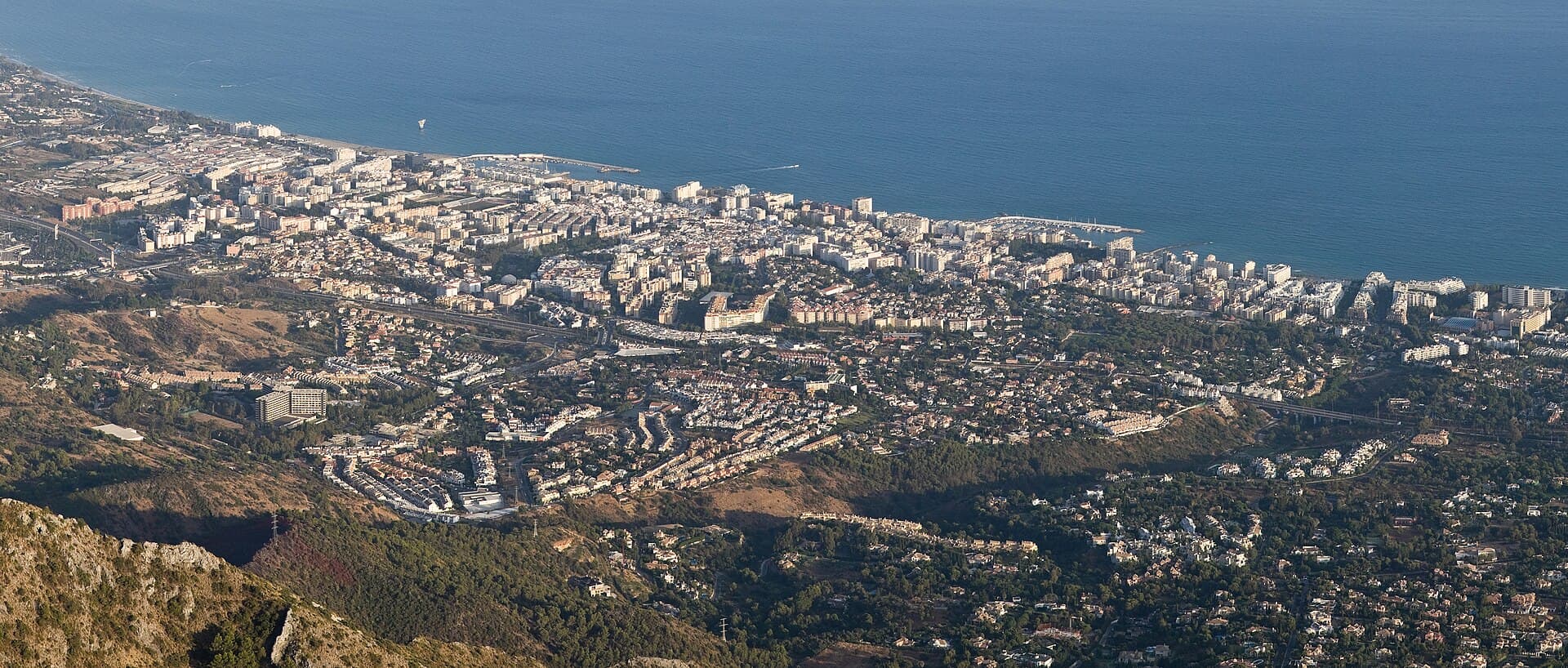 Marbella Old TownBehind the yacht front hides real Marbella: a complete white Andalusian town — n2 minutes walk
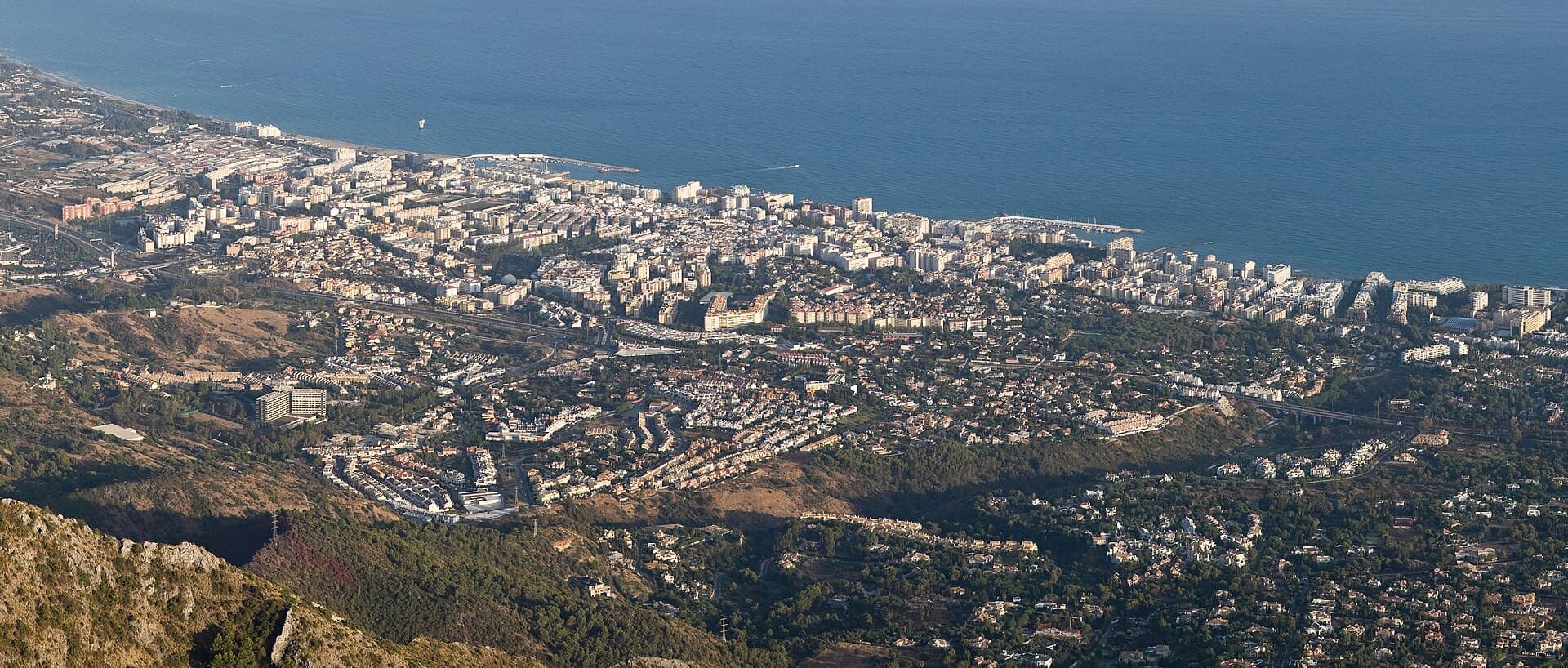 Avenida del Mar & the Dalí BronzesThe Avenida del Mar is Spain's strangest open museum: a short marble promenade j2 minutes walk4.5
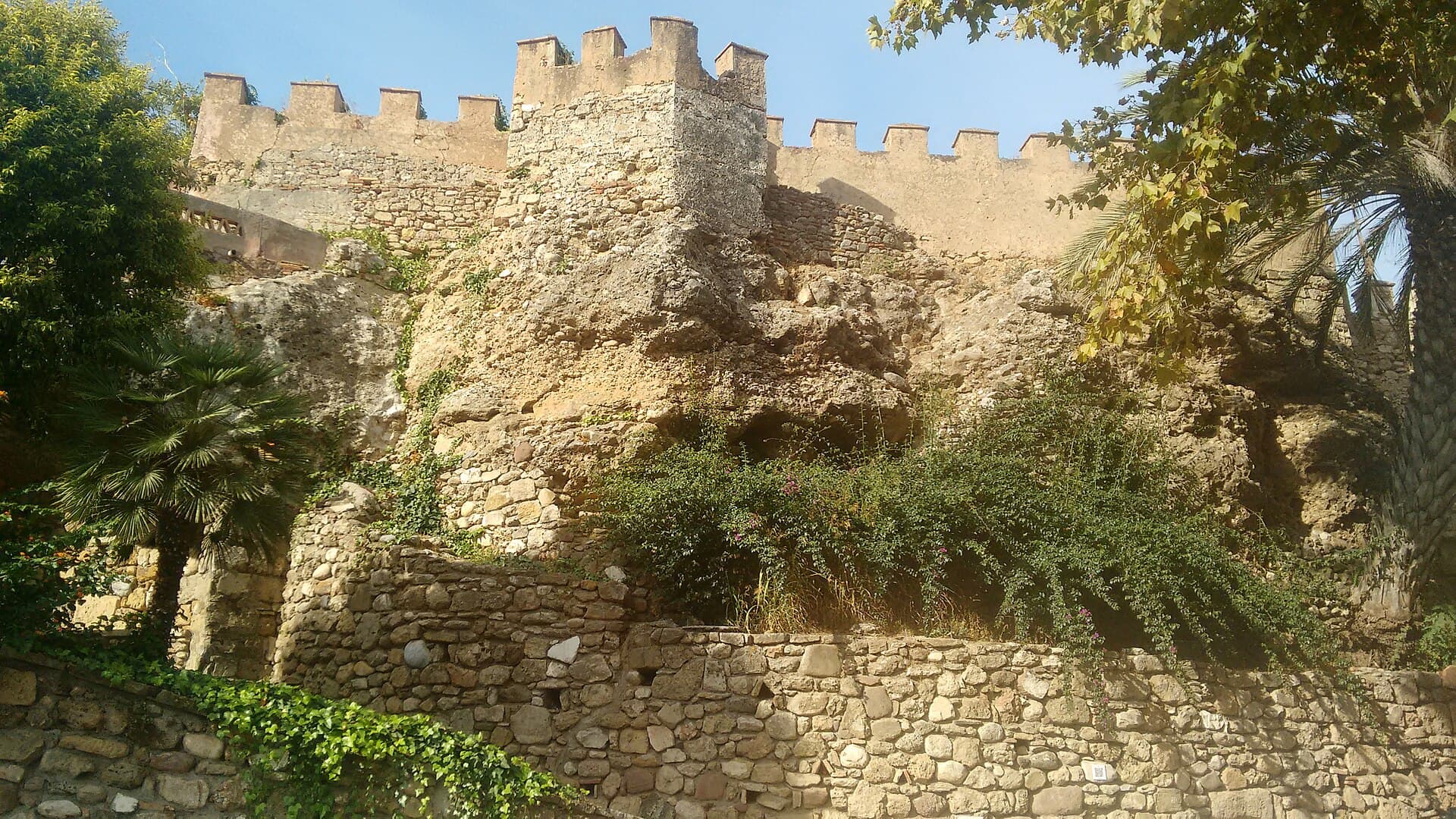 Marbella's Arab CastleMarbella's castle is Marbal-la's first witness: a tenth-century Umayyad qasba — 3 minutes walk4.2
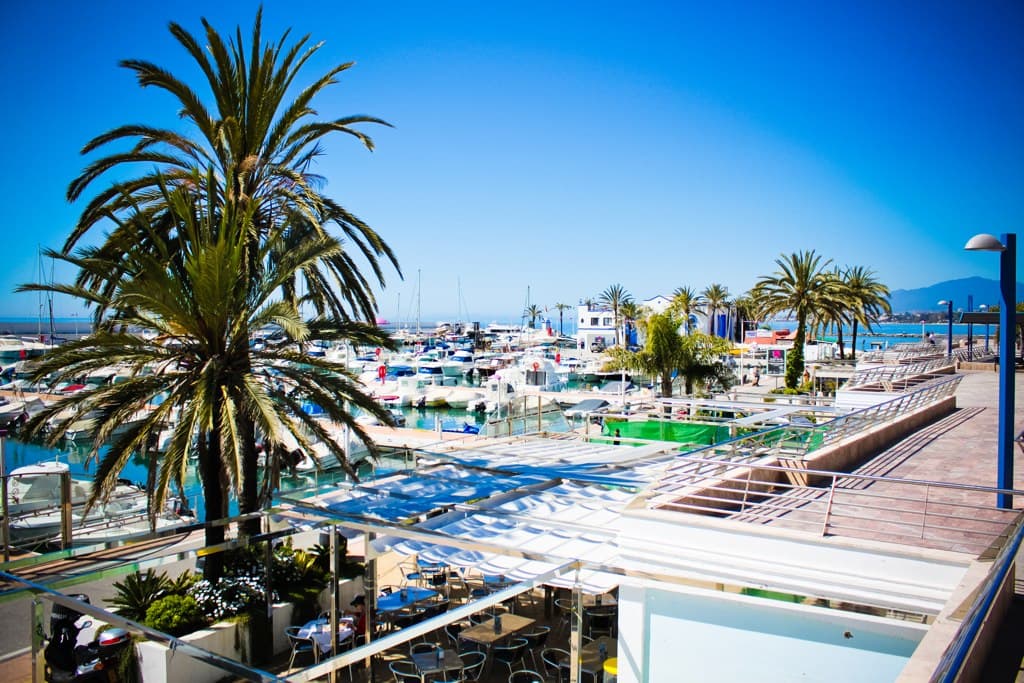 Marbella MarinaA yacht marina west of central Marbella — the town's own harbour rather than the6 minutes walk4.3
Yes, and it is by a wide margin the best thing in Marbella. Narrow white lanes, squares with orange trees, houses with pots on the walls, and the Plaza de los Naranjos at its heart. It is entirely unlike Marbella's seafront of hotels and marinas, and it costs nothing.
Portuguese-born, he lived in the sixteenth century and devoted his life to caring for the sick and poor in Granada, founding a refuge that became a model for organising healthcare. The order that carries his name runs hundreds of hospitals worldwide today, which is why many Spanish chapels and hospitals bear it.