
The Orange Square
Renaissance cafés beneath the trees — the maze's heart.
Diliff — CC BY-SA 3.0 · Unknown authorUnknown author — CC0 · Hernán Piñera from Marbella — CC BY-SA 2.0 · Bernardo Baggio — CC BY 2.0
Behind the yacht front hides real Marbella: a complete white Andalusian town — narrow lanes twisting like mountain-village alleys, lime-washed houses ablaze with bougainvillea, and at the maze's heart the Renaissance Orange Square with its cafés beneath the trees. The origin is purely Arab: Marbal-la, a small fortified town, its qasba walls and two castle towers still standing among the houses, the defensive Andalusi lane-plan untouched — so getting lost on purpose is the tour: the golden Church of the Incarnation, dripping flower passages, small craft shops among the restaurants. It is the complete balance to Banús: morning authenticity before evening splendour — and coffee in the Orange Square beneath its oranges is Marbella's first rite.
Renaissance cafés beneath the trees — the maze's heart.
White lime devoured by flowers — coastal Andalusia's image.
Walls and two towers of the first Arab town.
Plaza de los Naranjos, 29601 Marbella
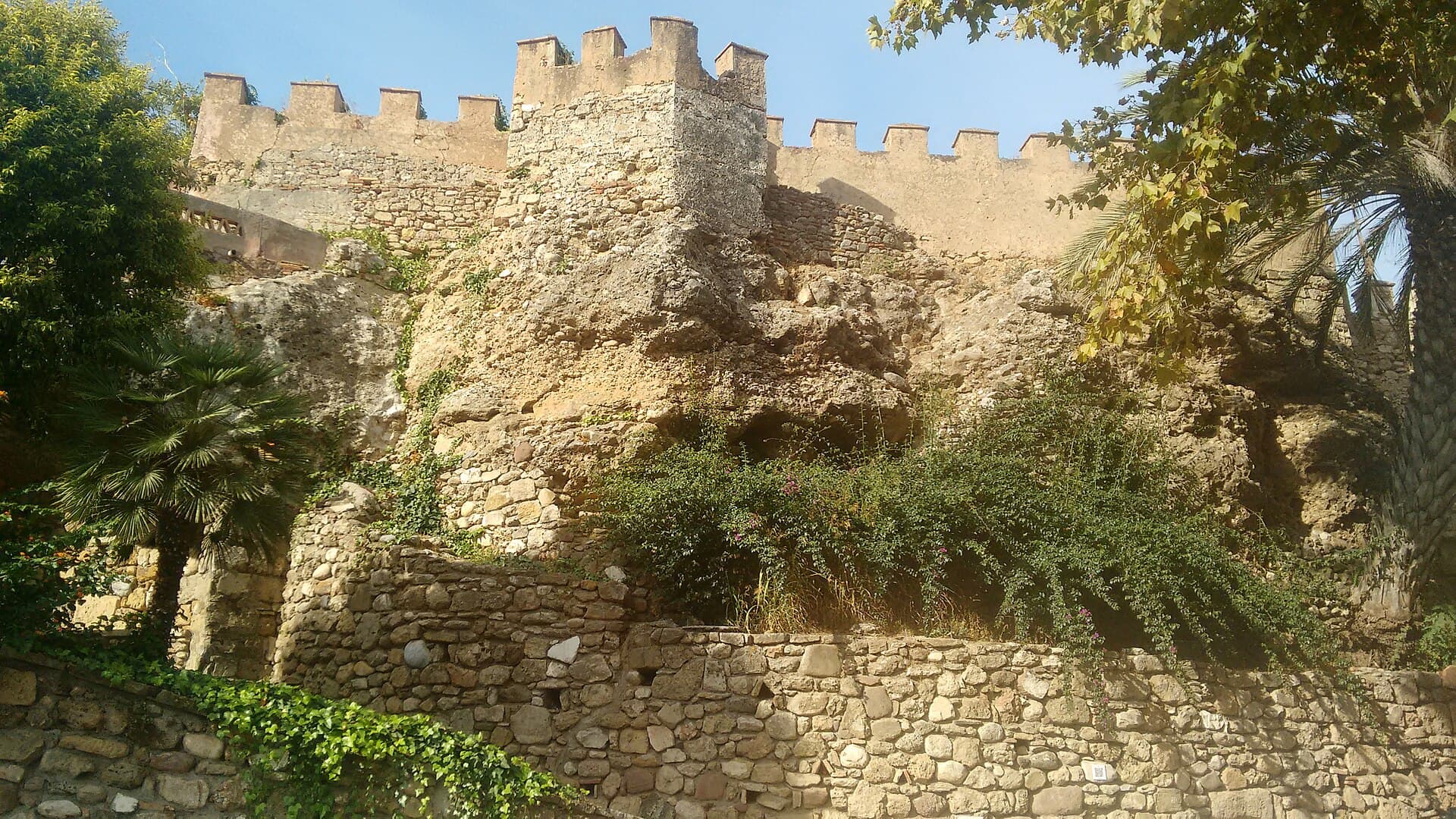 Marbella's Arab CastleMarbella's castle is Marbal-la's first witness: a tenth-century Umayyad qasba — 1 minute walk4.2
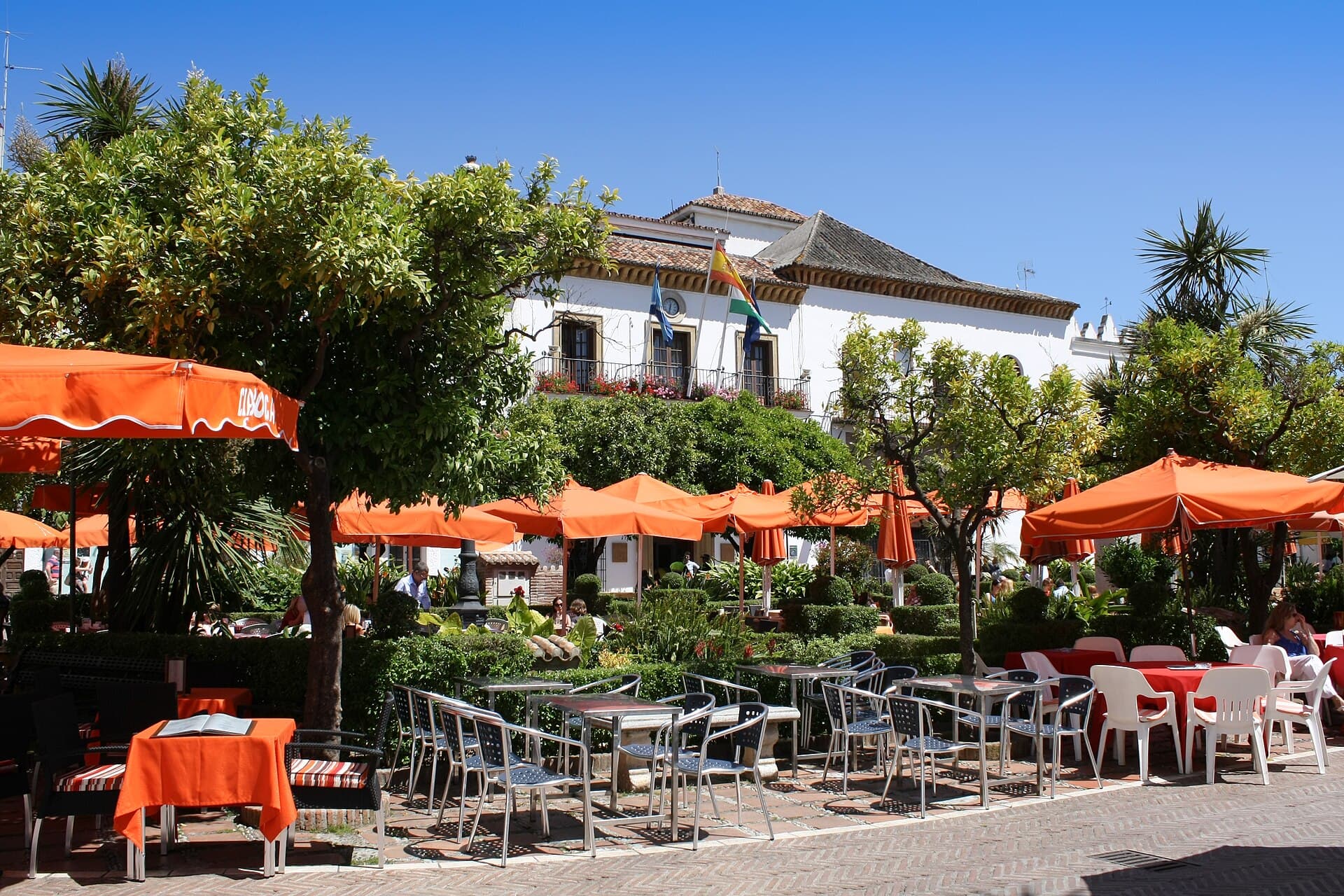 Plaza de los NaranjosThe main square of Marbella's old town, laid out in the late fifteenth century a1 minute walk4.7
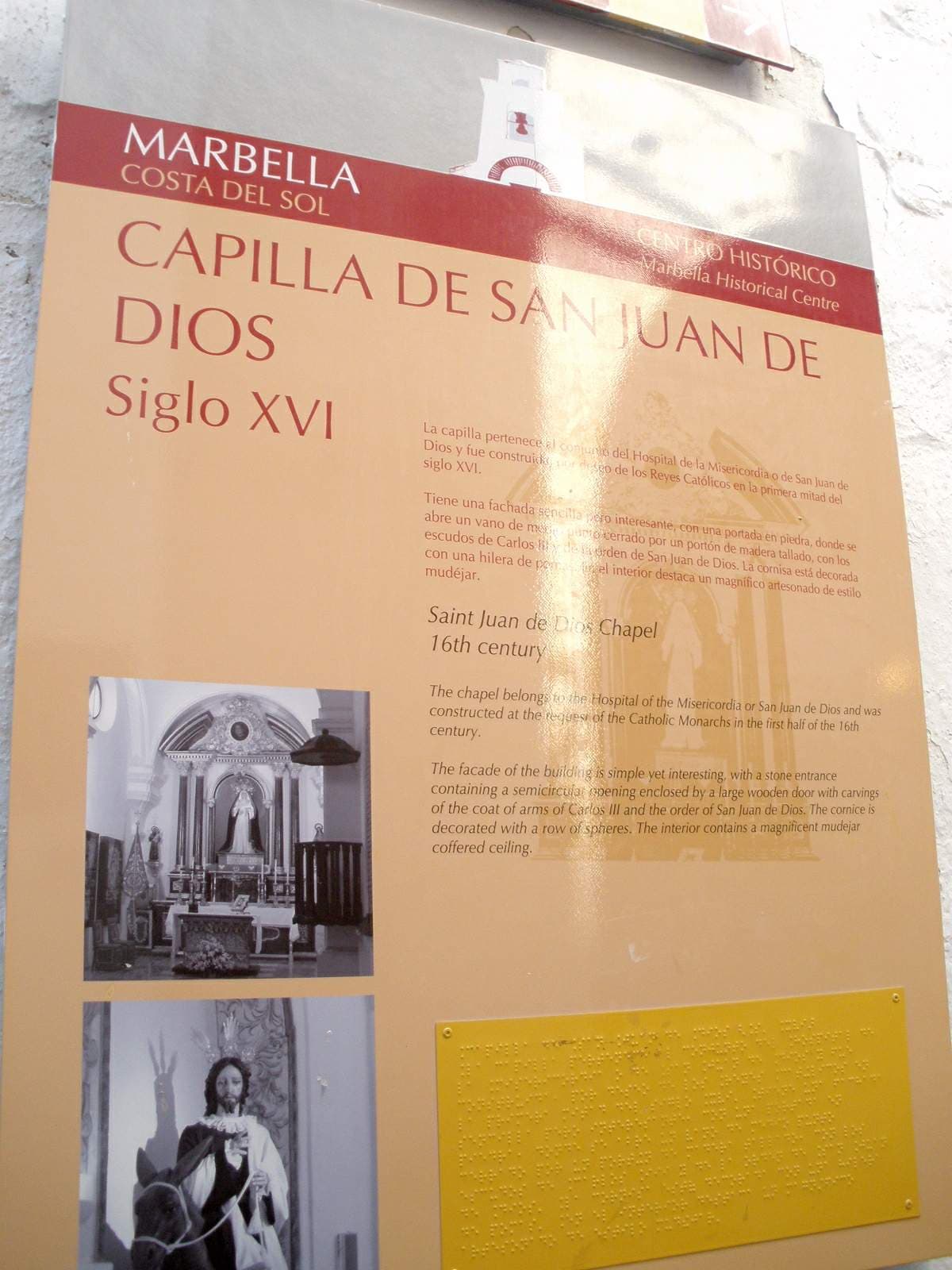 Chapel of San Juan de DiosA small chapel in Marbella's old town, among the oldest religious buildings in t2 minutes walk4.7
 Avenida del Mar & the Dalí BronzesThe Avenida del Mar is Spain's strangest open museum: a short marble promenade j4 minutes walk4.5
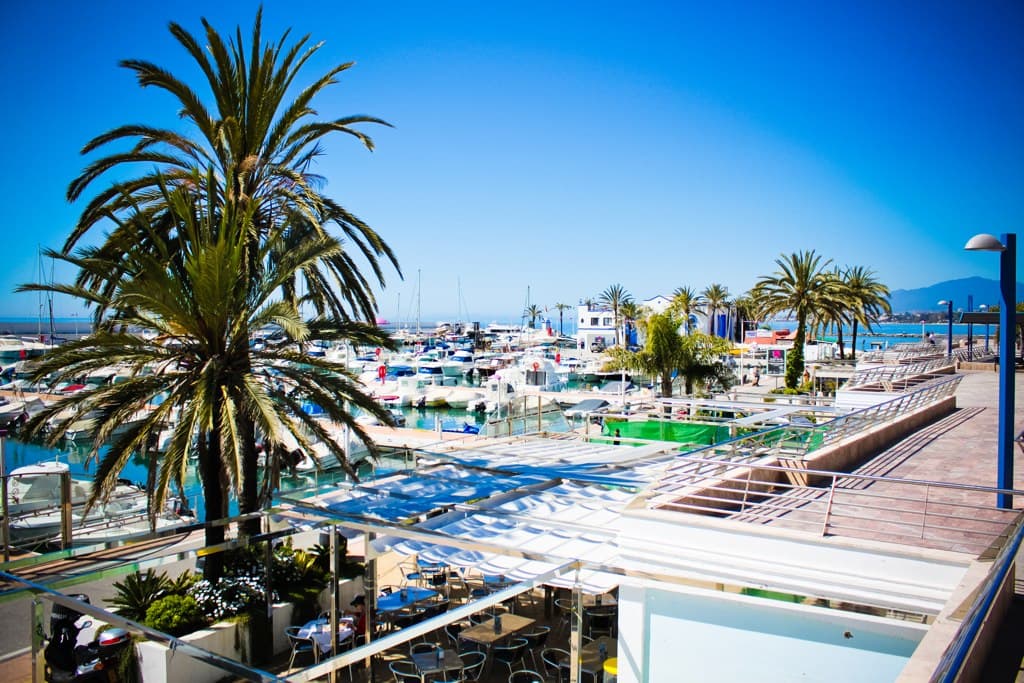 Marbella MarinaA yacht marina west of central Marbella — the town's own harbour rather than the7 minutes walk4.3
The proven formula: old town in the quiet morning, beach or promenade lunch at midday, Banús for the afternoon and sunset — two complementary faces minutes apart (a constant coastal bus or short taxi). The complete Marbella day chooses both.