
The embraced wall
White houses grown into Umayyad stone.
MarcasDeCoches — CC BY-SA 4.0 · MarcasDeCoches — CC BY-SA 4.0 · MarcasDeCoches — CC BY-SA 4.0 · MarcasDeCoches — CC BY-SA 4.0
Marbella's castle is Marbal-la's first witness: a tenth-century Umayyad qasba — Abd al-Rahman III's age — guarding the little anchorage for centuries, its walls and two towers still embracing the old town's houses: homes were built into the wall itself, making the monument a living residential fabric rather than a fenced site. The interior is closed (private holdings) — the visit an outer circuit: Calle Portada hugs the great wall with its reused Roman stones plain in the footings, the towers rising over white roofs. Twenty minutes within the old-town walk suffice — its value symbolic: the city's Arab origin standing among her cafés.
White houses grown into Umayyad stone.
Footings reused from Roman Marbella.
Calle Portada, 29601 Marbella
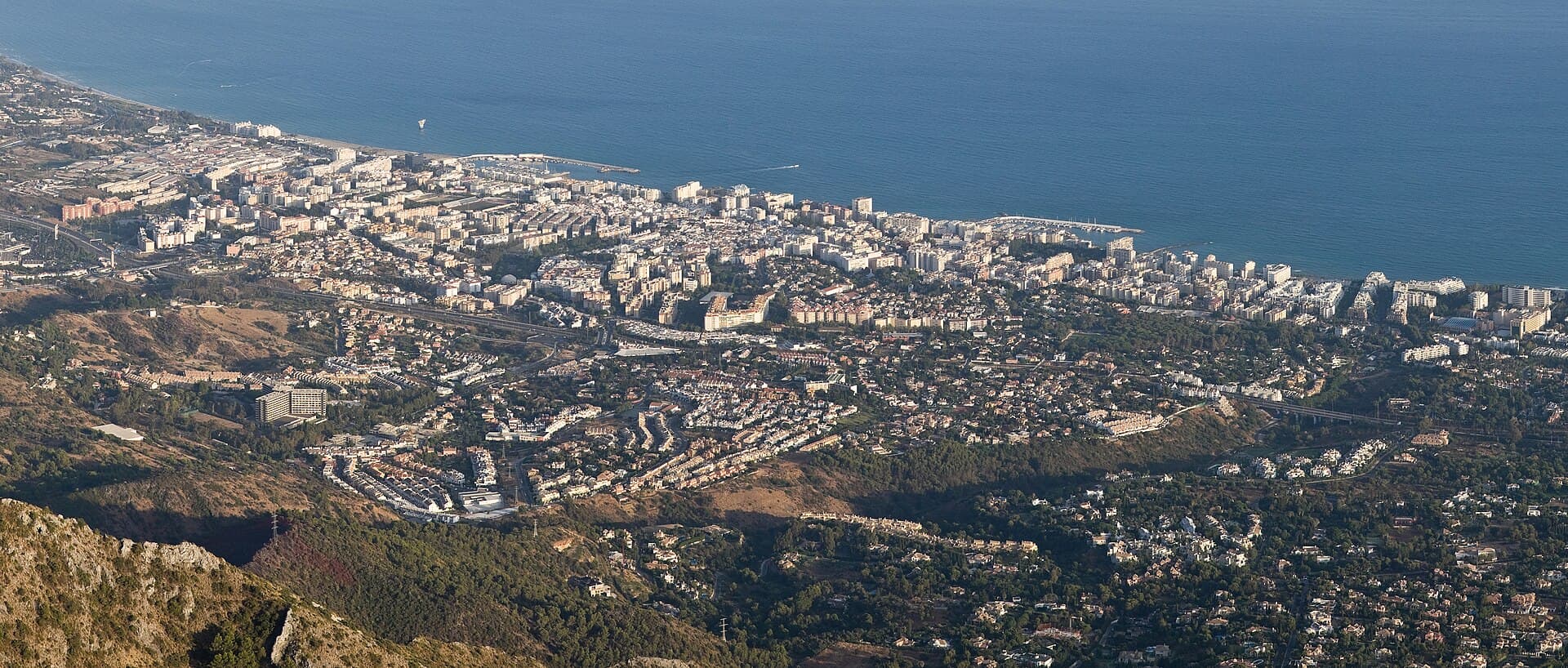 Marbella Old TownBehind the yacht front hides real Marbella: a complete white Andalusian town — n1 minute walk
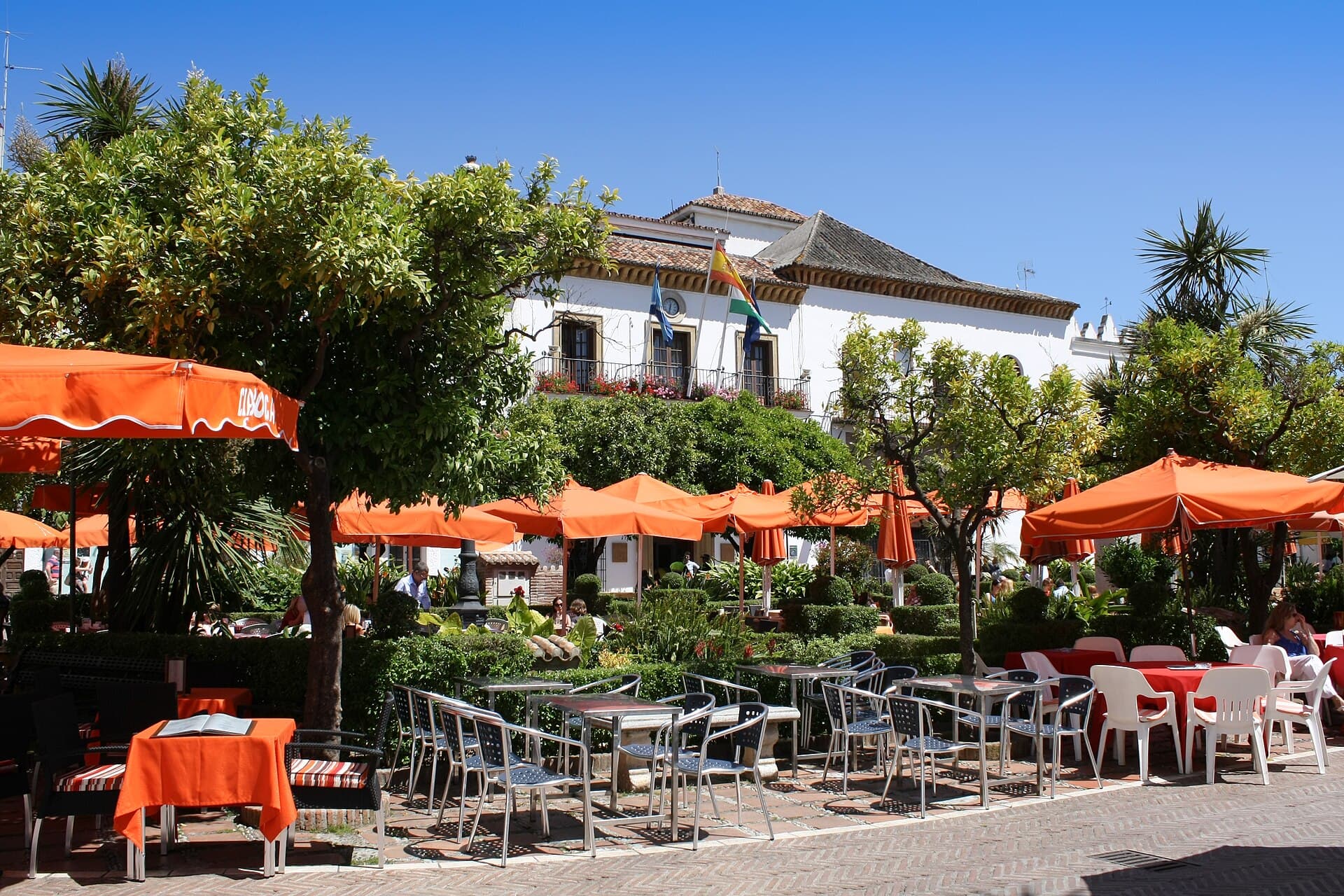 Plaza de los NaranjosThe main square of Marbella's old town, laid out in the late fifteenth century a2 minutes walk4.7
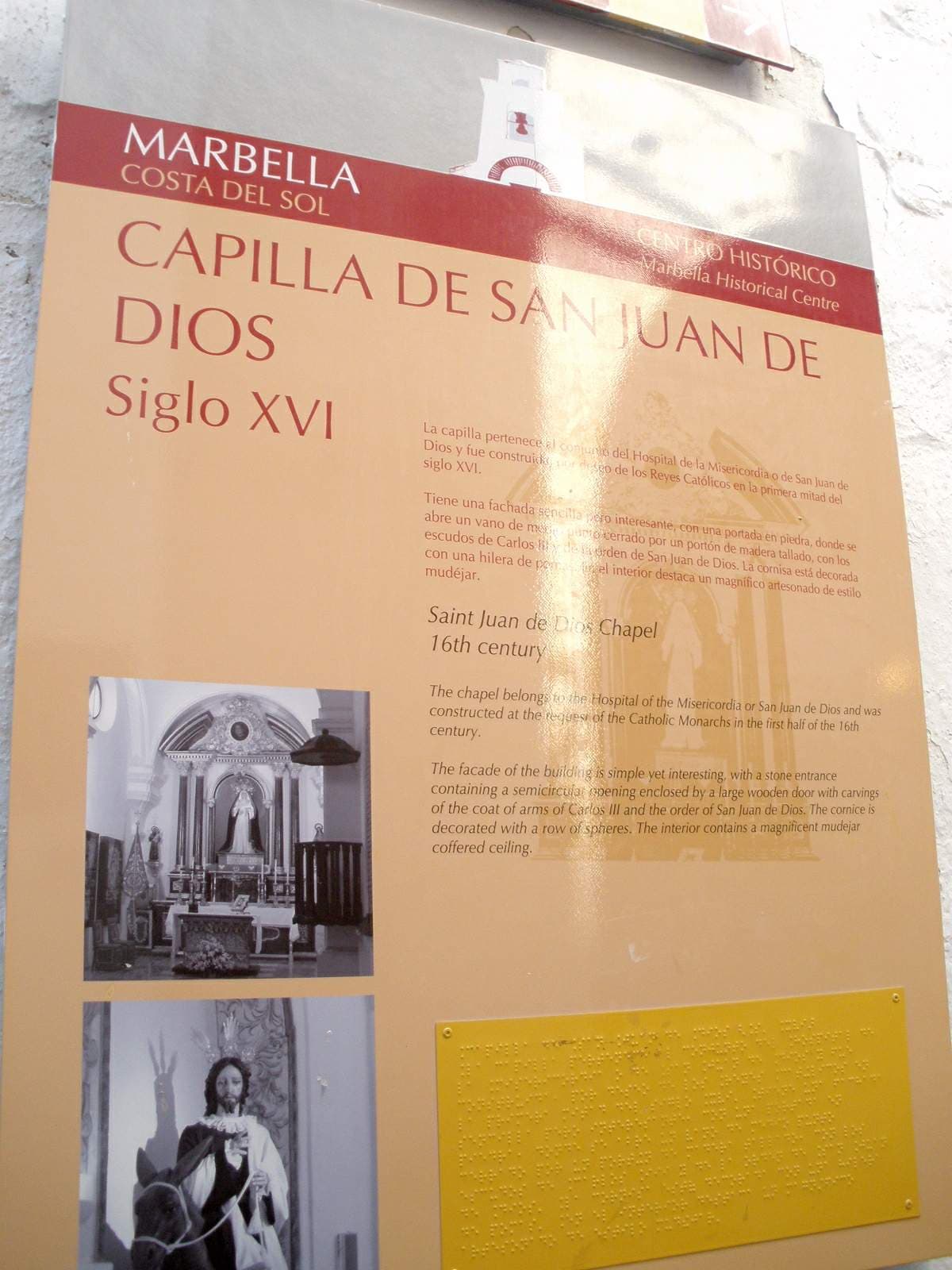 Chapel of San Juan de DiosA small chapel in Marbella's old town, among the oldest religious buildings in t3 minutes walk4.7
 Avenida del Mar & the Dalí BronzesThe Avenida del Mar is Spain's strangest open museum: a short marble promenade j4 minutes walk4.5
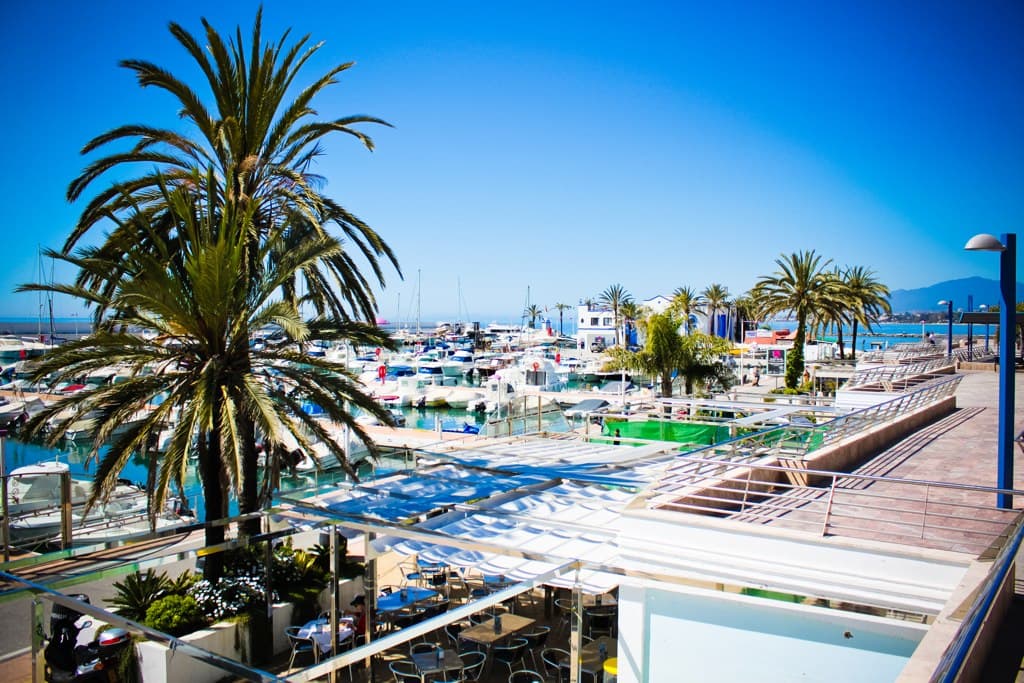 Marbella MarinaA yacht marina west of central Marbella — the town's own harbour rather than the8 minutes walk4.3
Because the interior became private homes across the centuries — preservation here chose life over museumhood: the castle lives inhabited as it always did. The outer circuit gives the story whole.