
Stone staircase
Pyramid-shaped.
Paul R. Burley — CC BY-SA 4.0 · Pintor Paulo Sérgio — CC BY-SA 4.0 · Wellington Da Costa Gomez — CC BY-SA 4.0 · Albertoleoncio — CC BY-SA 4.0 · Paul R. Burley — CC BY-SA 4.0 · Albertoleoncio — CC BY-SA 4.0
The Town Hall and Jail of Cachoeira is an 18th-century municipal building in the historic centre of Cachoeira, Bahia, on the Praça da Aclamação. Construction began in 1700 and was completed in 1712, after Cachoeira became a town by royal charter in 1693, and its design drew on Salvador's town hall, finished in 1698, a pattern repeated in the town halls of the towns around the Bay of All Saints. The building has two storeys and a broad pyramidal stone staircase, a rectangular plan and a hipped roof. The ground floor held two jail cells and a staircase, and the upper floor two cells for upper-class prisoners and rooms for the council's offices. Brazilian independence forces used it in 1822 during the war of independence, tying it to Cachoeira's leading part in that war. The building faces a broad boulevard leading to the Paraguaçu River, with the town of São Félix in view on the opposite bank. It now holds a small museum of the town's history; check its times. Cachoeira, with its protected old town, is visited on a day trip from Salvador.
Pyramid-shaped.
And São Félix.
Protected Cachoeira.
Praça da Aclamação, historic centre, Cachoeira, Bahia
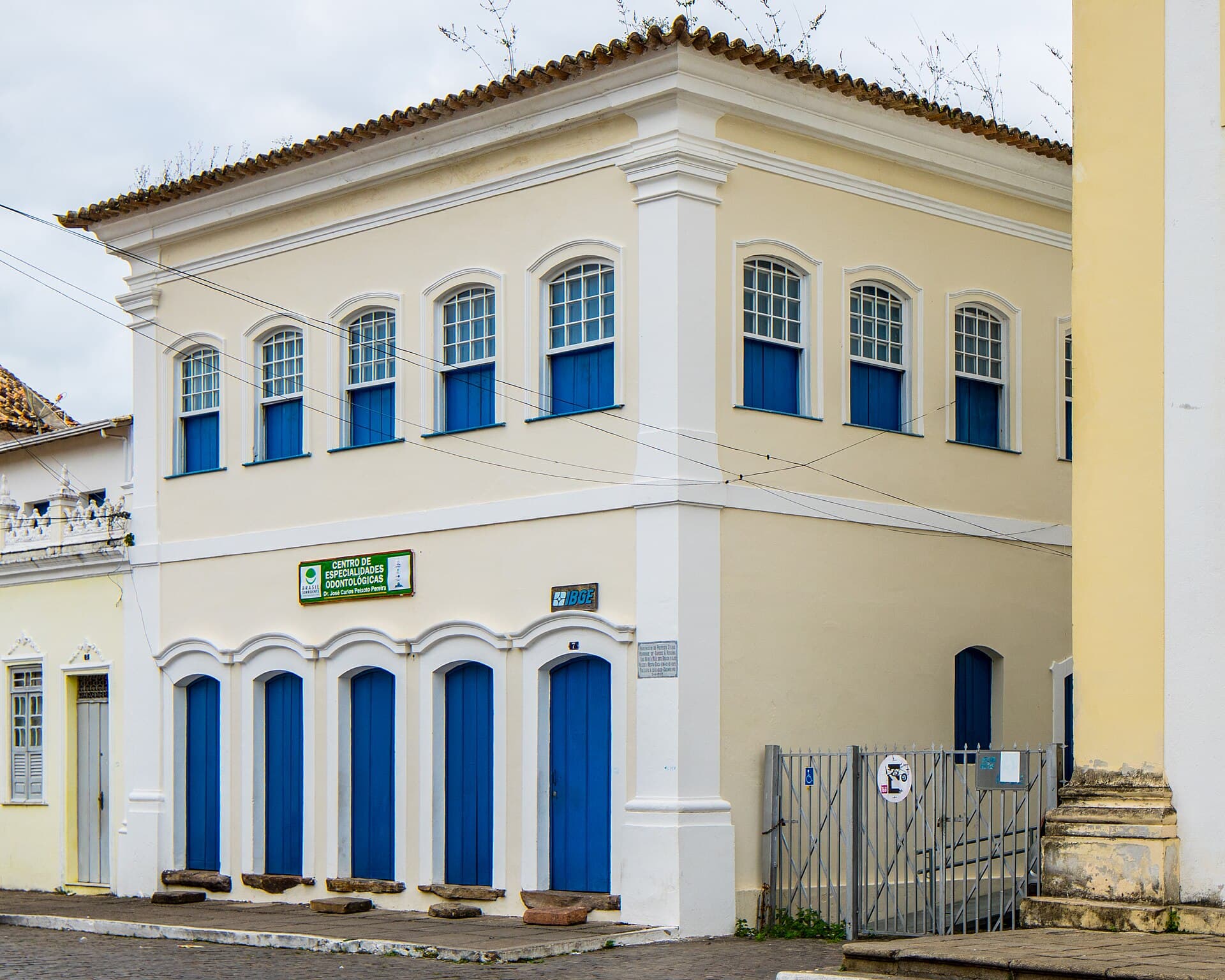 Museu Hansen Bahia (Ana Nery's birthplace)The Hansen Bahia Museum in Cachoeira stands in the house where Ana Nery was born2 minutes walk4.5
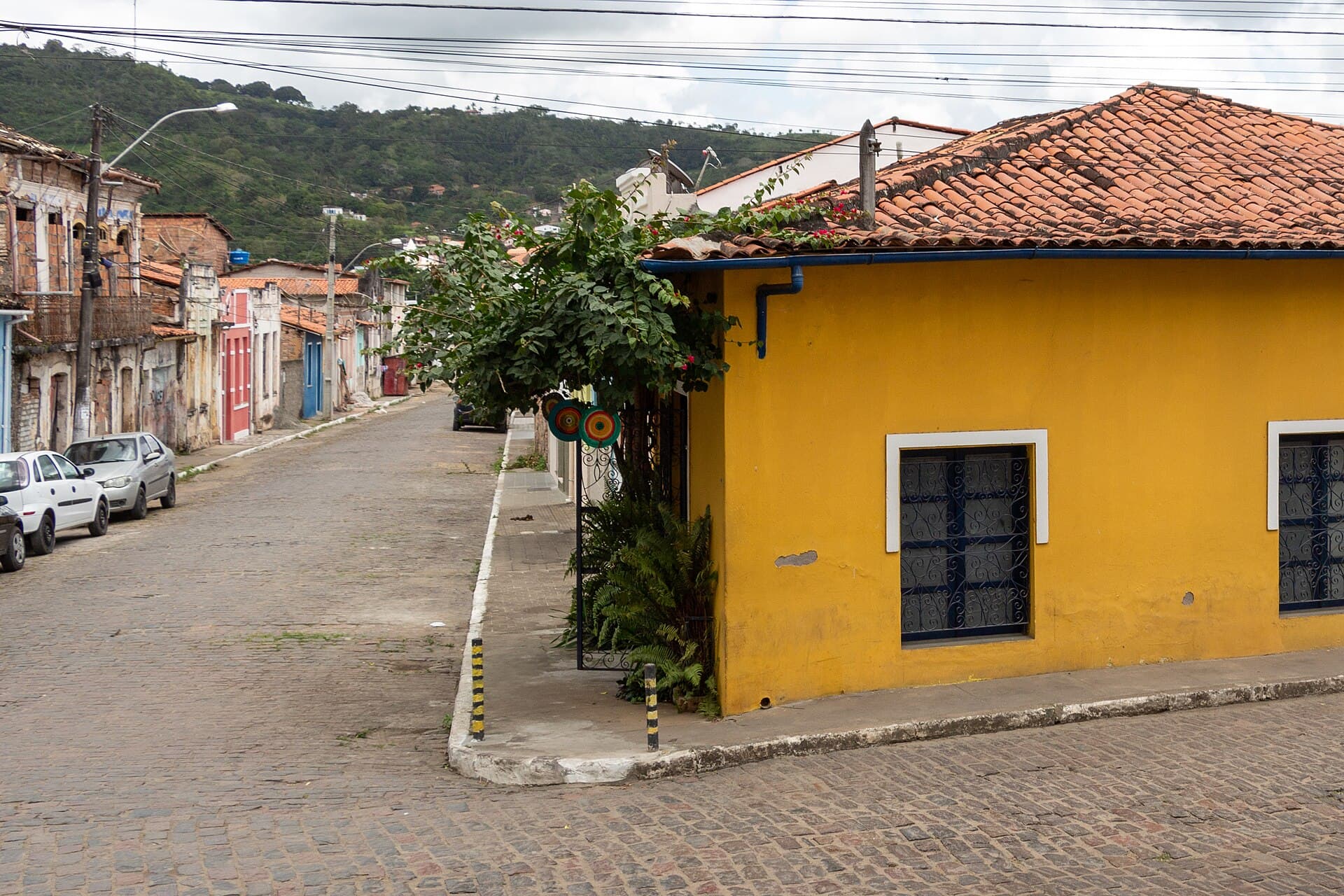 Historic Centre of CachoeiraCachoeira is a historic town on the left bank of the Paraguaçu river in the Recô4 minutes walk4.8
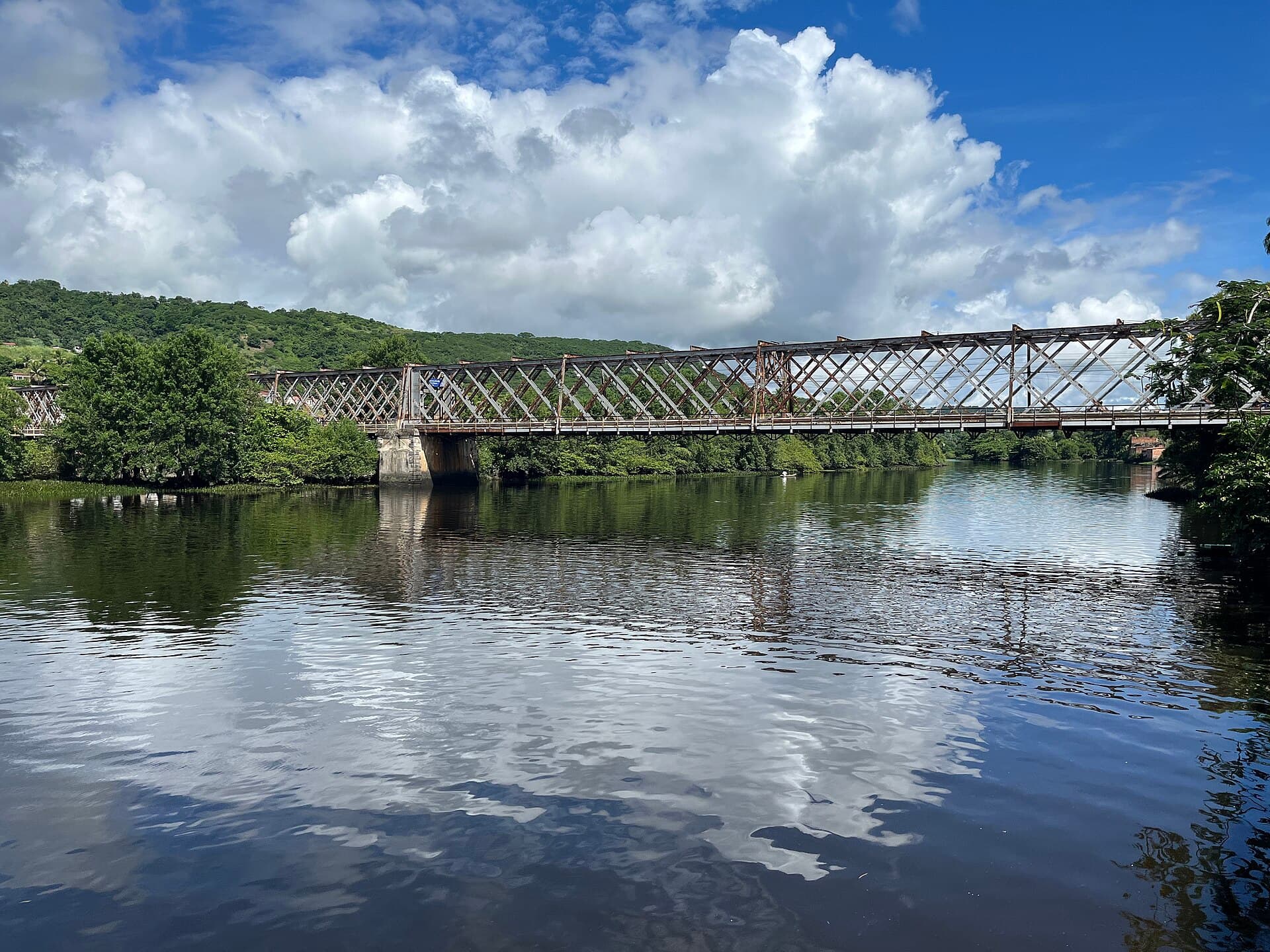 Ponte Dom Pedro IIThe Imperial Dom Pedro II Bridge is an iron bridge over the Paraguaçu river link9 minutes walk4.5
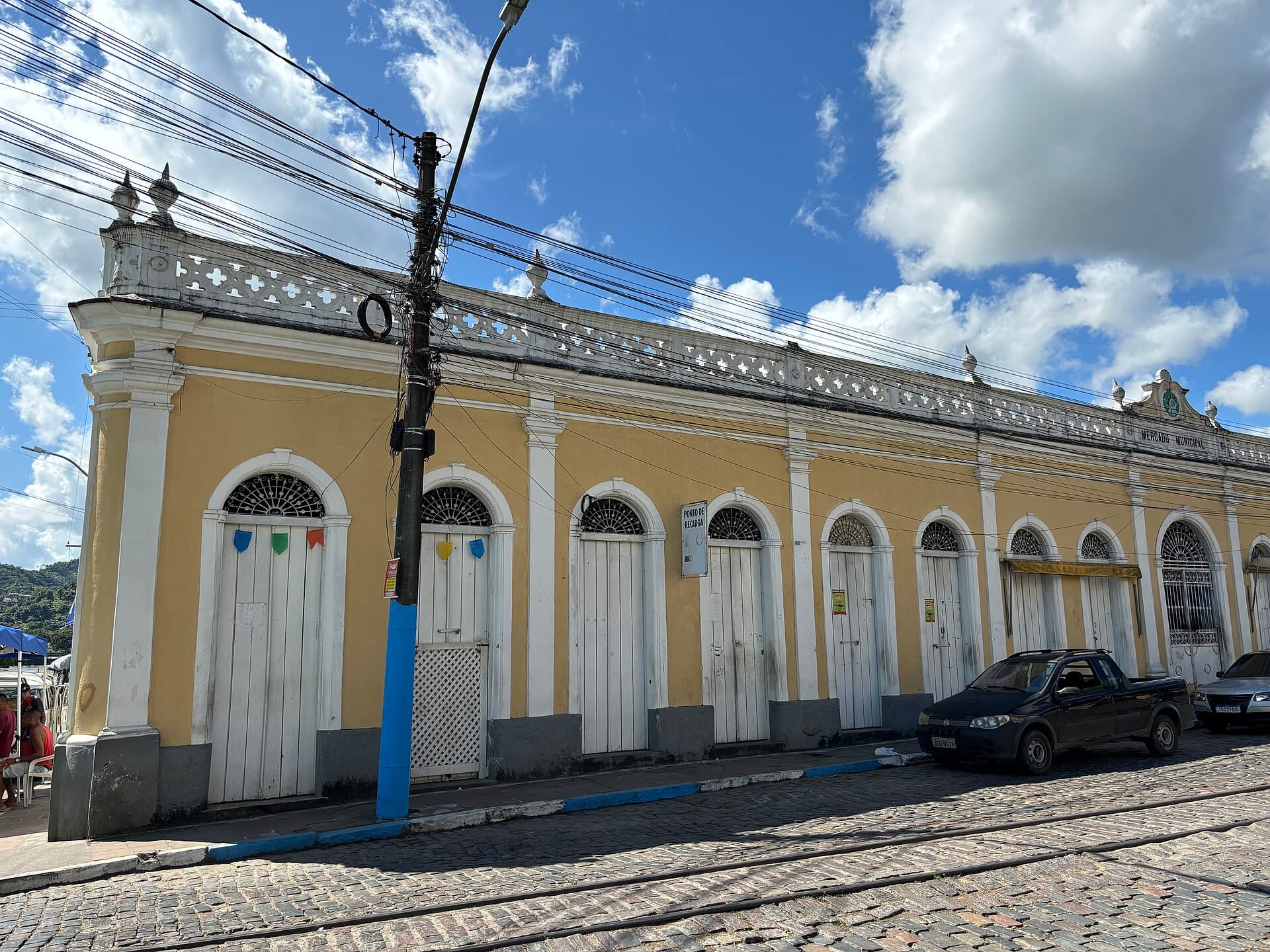 Mercado Municipal de São FélixThe Municipal Market of São Félix is a historic market in the town of São Félix,10 minutes walk4.1
Between 1700 and 1712, modelled on Salvador's town hall.