
Gennaro's earliest images
The patron in fifth-century fresco — a millennium before his cathedral.
Dominik Matus — CC BY-SA 4.0 · Dominik Matus — CC BY-SA 4.0 · Dominik Matus — CC BY-SA 4.0 · Dominik Matus — CC BY-SA 4.0
The San Gennaro catacombs are southern Italy's largest early-Christian burial ground: two vast levels cut into yellow tuff from the second century on, with broad passages and true underground vaults — spacious subterranean architecture nothing like Rome's narrow catacombs, holding the earliest known images of San Gennaro, with mosaics and frescoes from Christianity's dawn. The patron himself lay here for centuries before his relics moved, making the place a shrine around which burials carved themselves layer on layer — bishops under gold mosaic, families with touching portraits, children in small niches. Today's story rivals the past's: a youth cooperative from the working-class Sanità district below revived the abandoned site and runs its tours — your ticket funds a whole neighbourhood's renaissance, and the guides, its sons and daughters, tell it with contagious pride. Pair it with Capodimonte above or the Sanità below.
The patron in fifth-century fresco — a millennium before his cathedral.
Carved halls under true vaults — architecture, not tunnels.
Fifth-century gold over Naples's first bishops' tombs.
Via Capodimonte 13, 80136 Naples
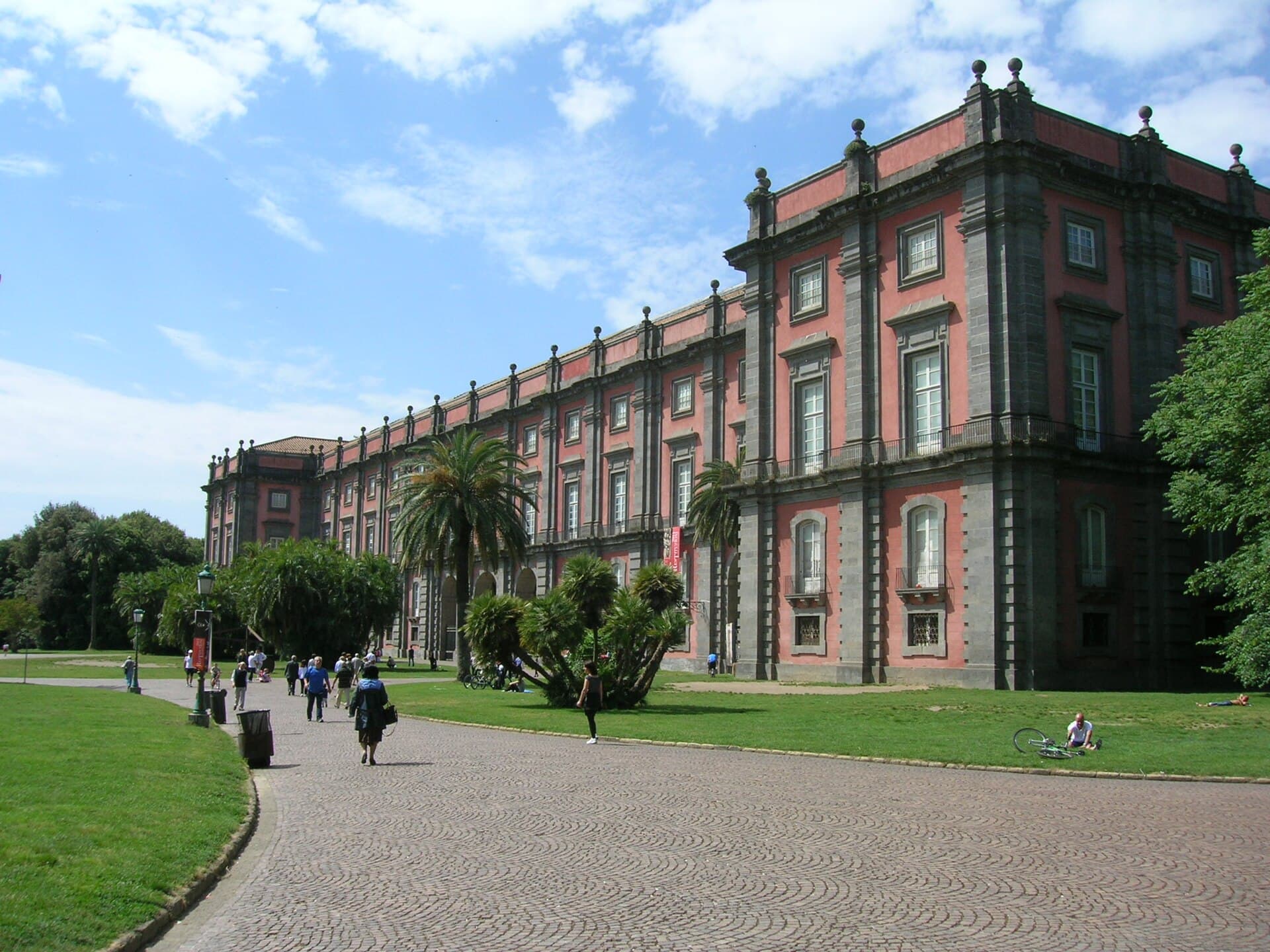 Capodimonte MuseumOn a hill surveying all Naples, Charles of Bourbon built a vast hunting palace t5 minutes walk4.5
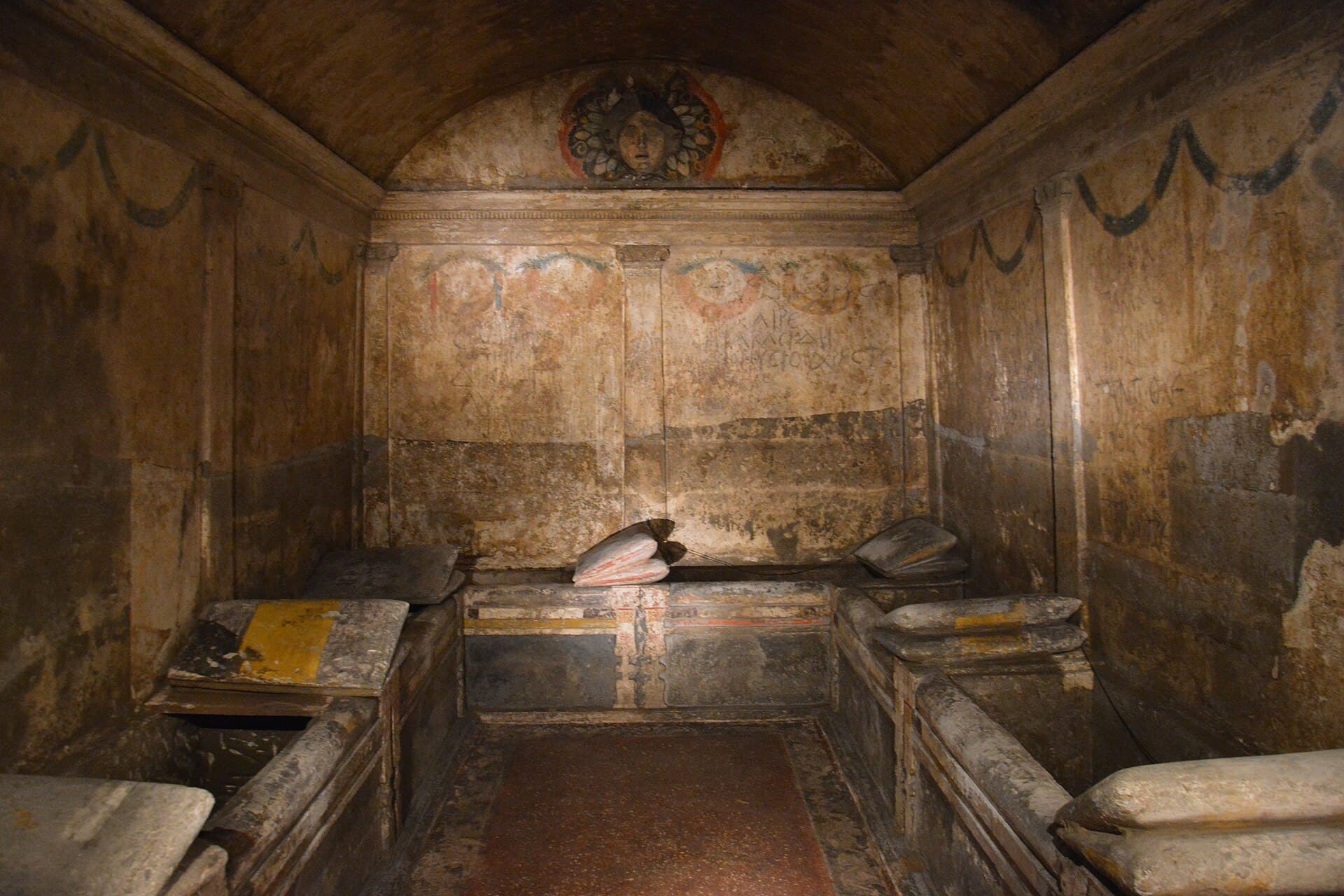 Ipogeo dei CristalliniBehind an ordinary doorway on a narrow street in the Sanità district, a steep st11 minutes walk4.7
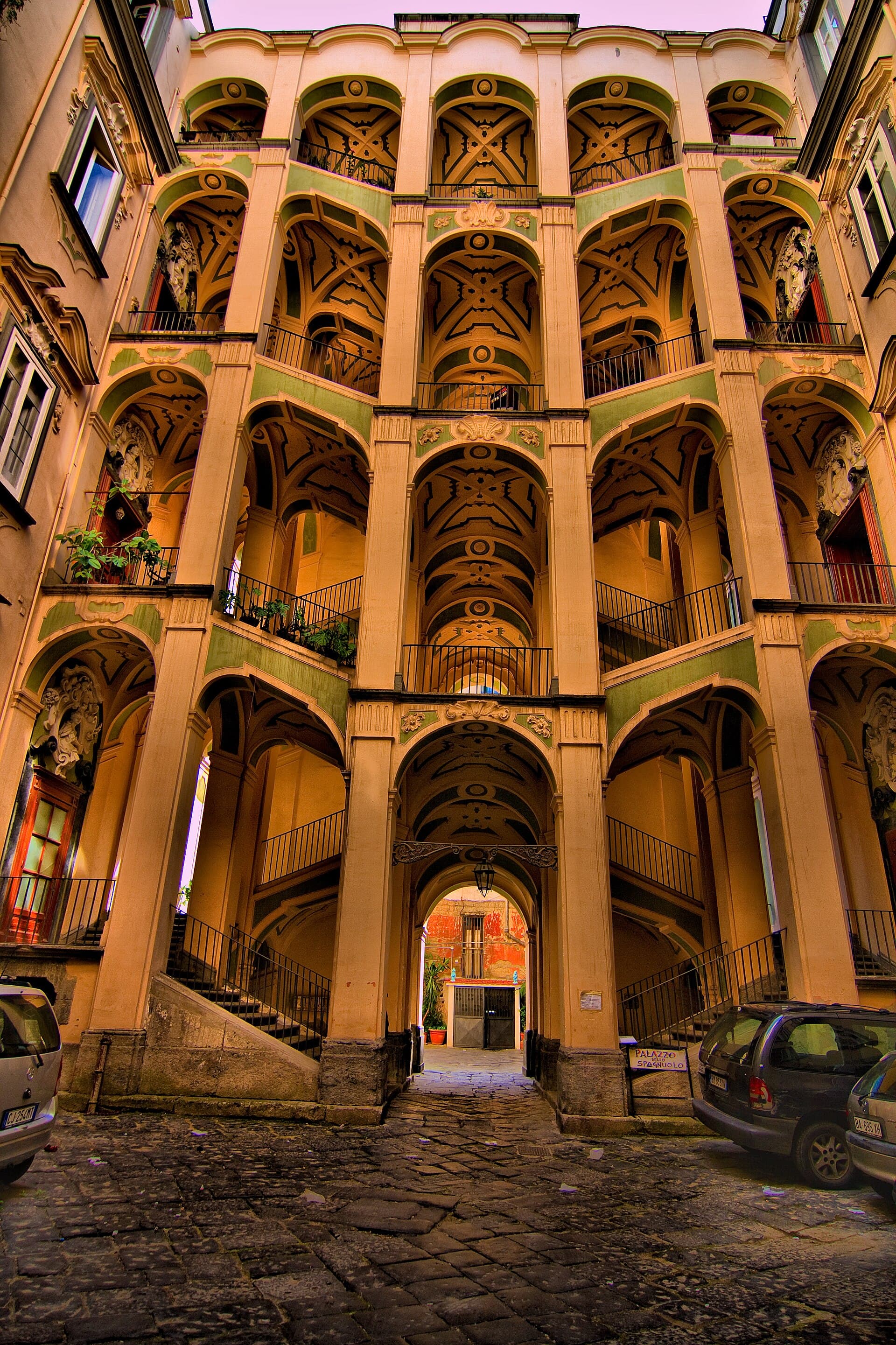 Palazzo dello SpagnoloNaples has grander palaces. Almost none of them has a staircase like this one. B12 minutes walk4.7
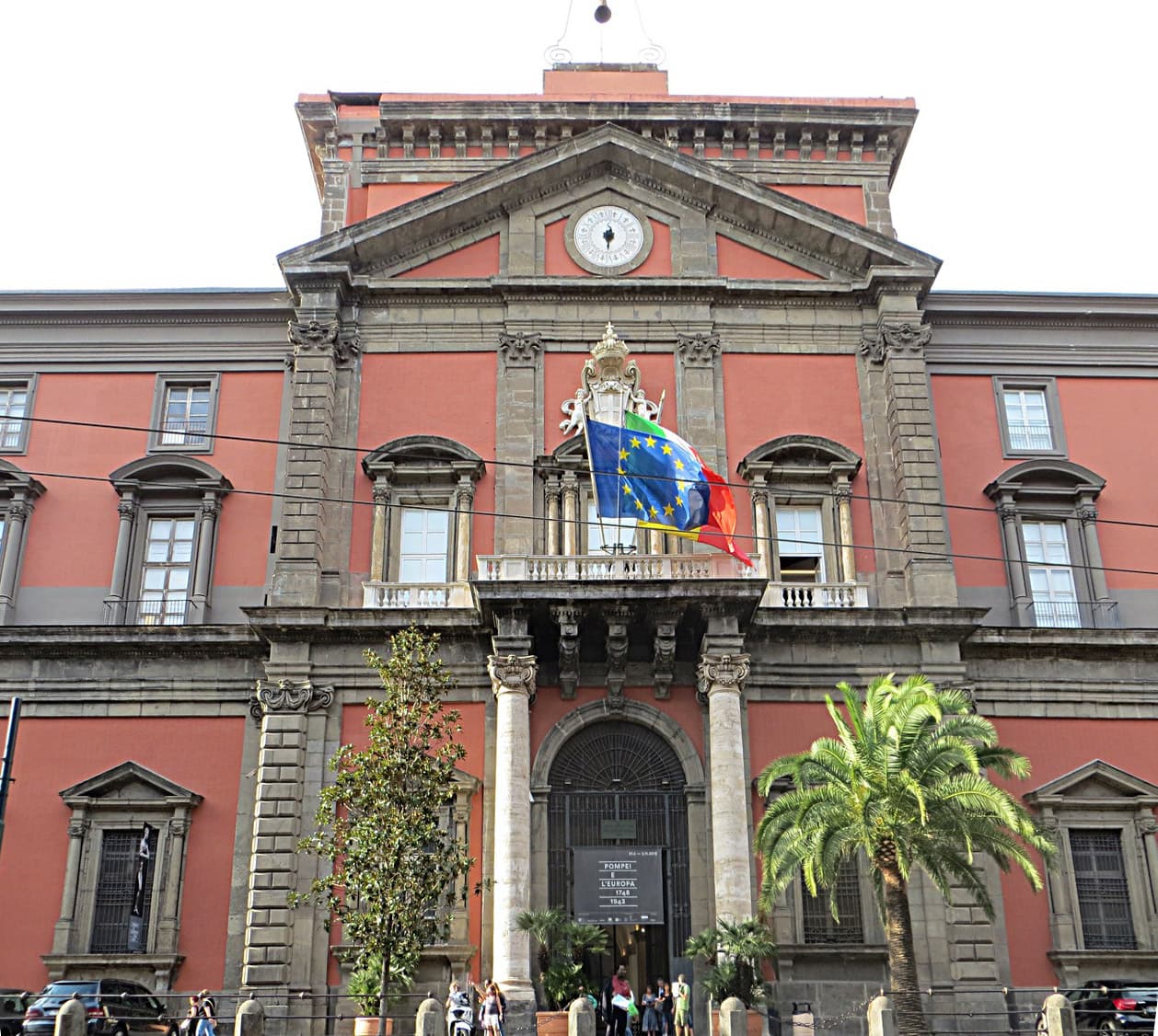 National Archaeological Museum (MANN)The MANN is the world's greatest museum of classical archaeology — no Neapolitan15 minutes walk4.7
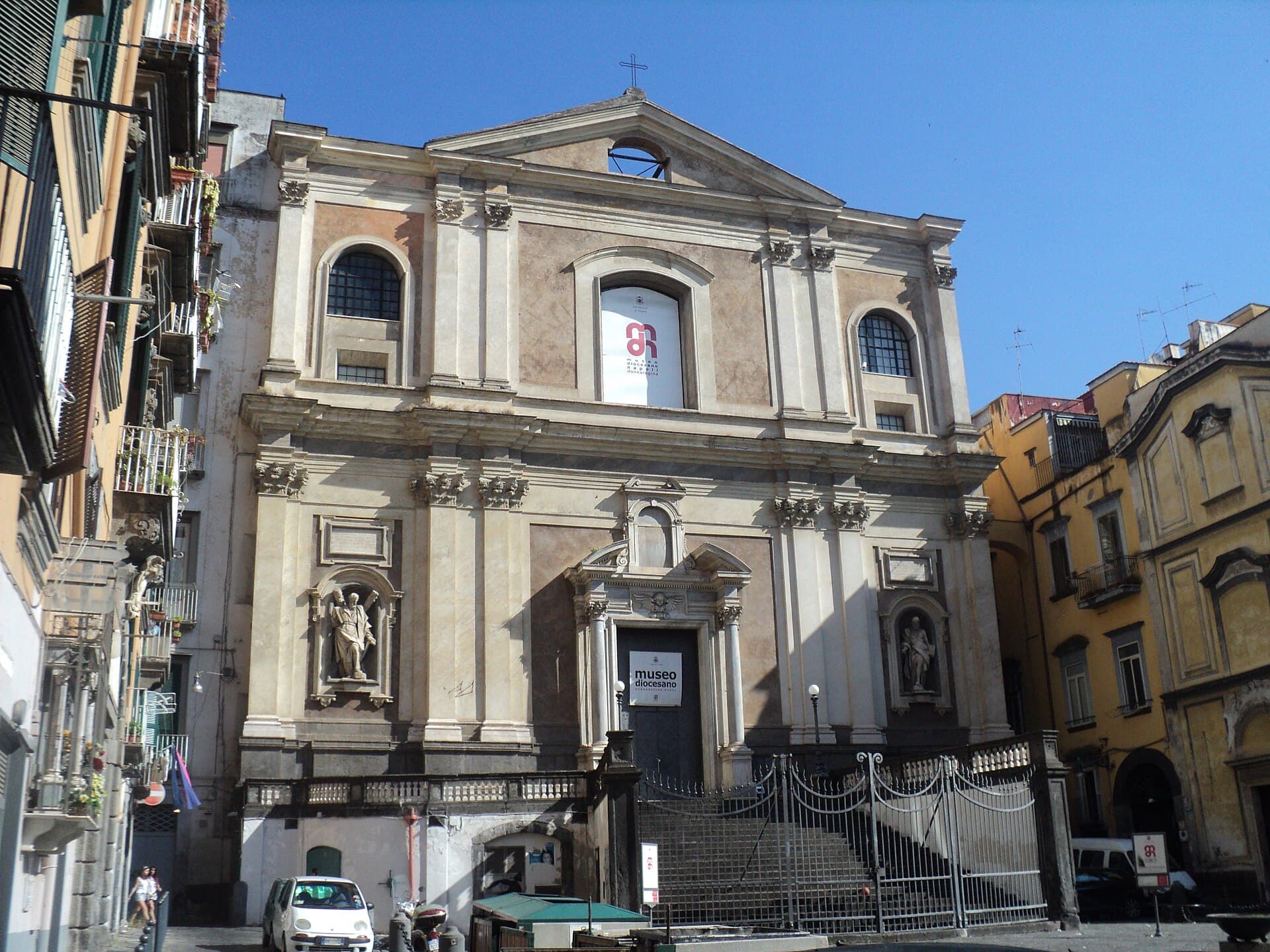 Donnaregina Complex - Diocesan Museum of NaplesBarely five minutes behind the Duomo, past the queue for the chapel of San Genna18 minutes walk4.8
Their comfortable opposite: Rome is cramped stifling passages on crowded tours; here broad, superbly lit halls walked fully upright — with older, richer frescoes. Whoever hesitated at Rome's, or suffered them, finds the ideal catacombs here.
In 2006 young people of the then-stigmatised Sanità decided to rescue the neglected catacombs, founded La Paranza and trained themselves as guides. Today they host hundreds of thousands, returning the income to the district as restaurants, restoration and jobs — Italy's finest social-renewal-through-tourism story, and you will feel their pride.
Two complements: Capodimonte above for the full hill day; or descend into the Sanità itself — Baroque palaces, famous pizza ovens, a roaring street market: Naples unretouched, now safe and sought precisely thanks to that renaissance.