
Colour that is 2,300 years old
The yellow, purple and blue on the carved funerary beds is original pigment, not repainting.
MentNFG — CC BY-SA 4.0 · Marcok — CC BY-SA 4.0 · MentNFG — CC BY-SA 4.0 · MentNFG — CC BY-SA 4.0
Behind an ordinary doorway on a narrow street in the Sanità district, a steep staircase drops about ten metres into the soft tuff and leaves you standing in front of four Greek tombs cut some twenty-three centuries ago. What startles is not their age but their colour: yellow, purple, blue and red still sitting on funerary beds carved out of the rock, a Medusa head carved into the lunette above the back wall, a scene of Dionysus and Ariadne inside a painted golden dish that has kept its edge. Nothing here is a copy or a hopeful reconstruction. This is what the people who carried their dead down these steps actually saw. The place lay forgotten until 1889, when Baron di Donato dug beneath his own palazzo looking for water or building stone and found painted rooms instead. It stayed with the same family for more than a hundred and thirty years, guarded quietly alongside the neighbourhood, and opened to visitors only in July 2022 after a long restoration led by the baron's descendants. That is why it is missing from most Naples highlight lists, and why daily numbers are deliberately capped: humidity is the real enemy of these pigments, so visits run in timed slots and booking ahead is not a suggestion but effectively the only way to be sure of getting in. Be honest with yourself about scale. The visit runs thirty to forty minutes through four small chambers, not an archaeological site you wander. Measured by square metres it feels expensive; measured by how little original Hellenistic painting survives anywhere in the Mediterranean with its colour intact, it is among the best things in Naples. The descent is a tight, sharply pitched staircase in a building with real architectural barriers, so leave the pushchair behind and contact the site in advance if stairs are difficult; children under eight are not admitted, and those aged eight to twelve go free. It is cool and damp down there year-round, so bring a layer even in August. The Sanità is half the reason to come. Lived-in streets, balconies hung with washing, pastry shops on every corner, with the Catacombs of San Gaudioso and the church of Santa Maria della Sanità a few minutes' walk away and the Fontanelle ossuary a longer climb beyond them — enough for a coherent half day. The ticket includes an audio guide to the district in fifteen languages including Arabic, a genuinely useful extra. Cavour and Museo are the nearest metro stops; expect slopes and steps on the way, and expect the quarter to feel calmer by day than its reputation suggests.
The yellow, purple and blue on the carved funerary beds is original pigment, not repainting.
Each has its own entrance and an upper vestibule for the rites, with the burial chamber below — a Greek plan that survived intact.
It still belongs to the family who found it in 1889, and you enter through the door of a residential building.
Via dei Cristallini 133, Rione Sanità, 80137 Naples
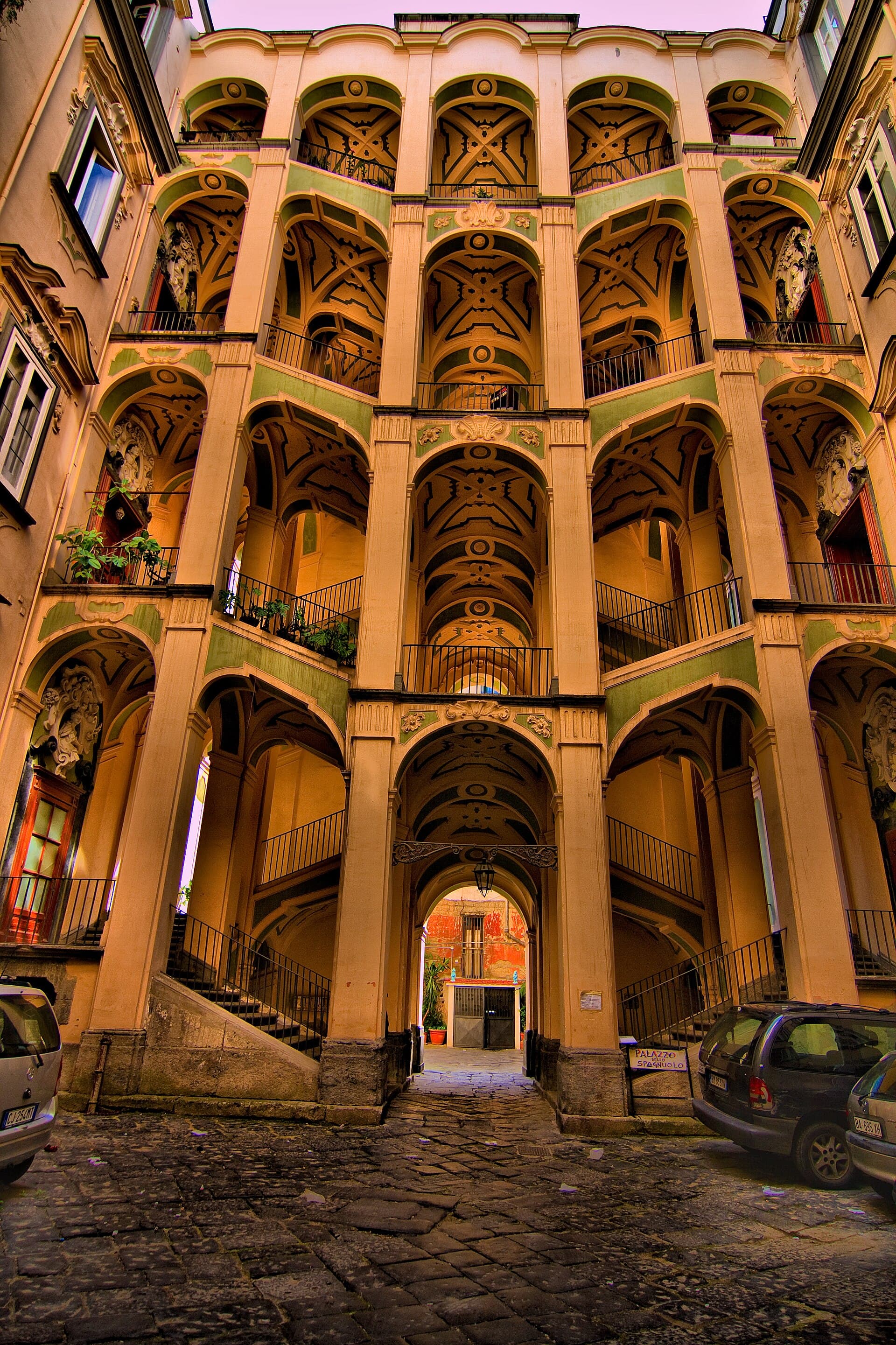 Palazzo dello SpagnoloNaples has grander palaces. Almost none of them has a staircase like this one. B1 minute walk4.7
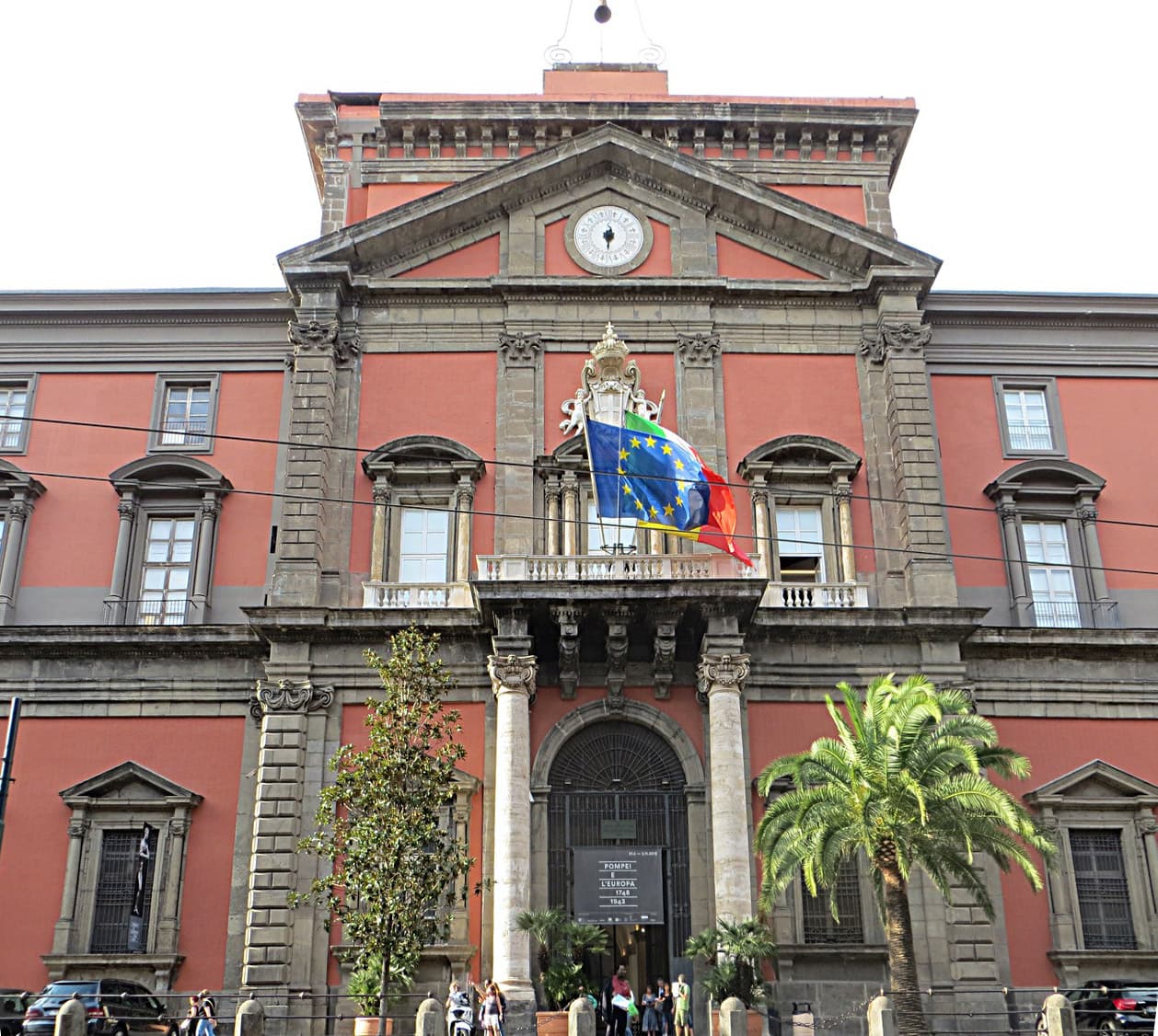 National Archaeological Museum (MANN)The MANN is the world's greatest museum of classical archaeology — no Neapolitan7 minutes walk4.7
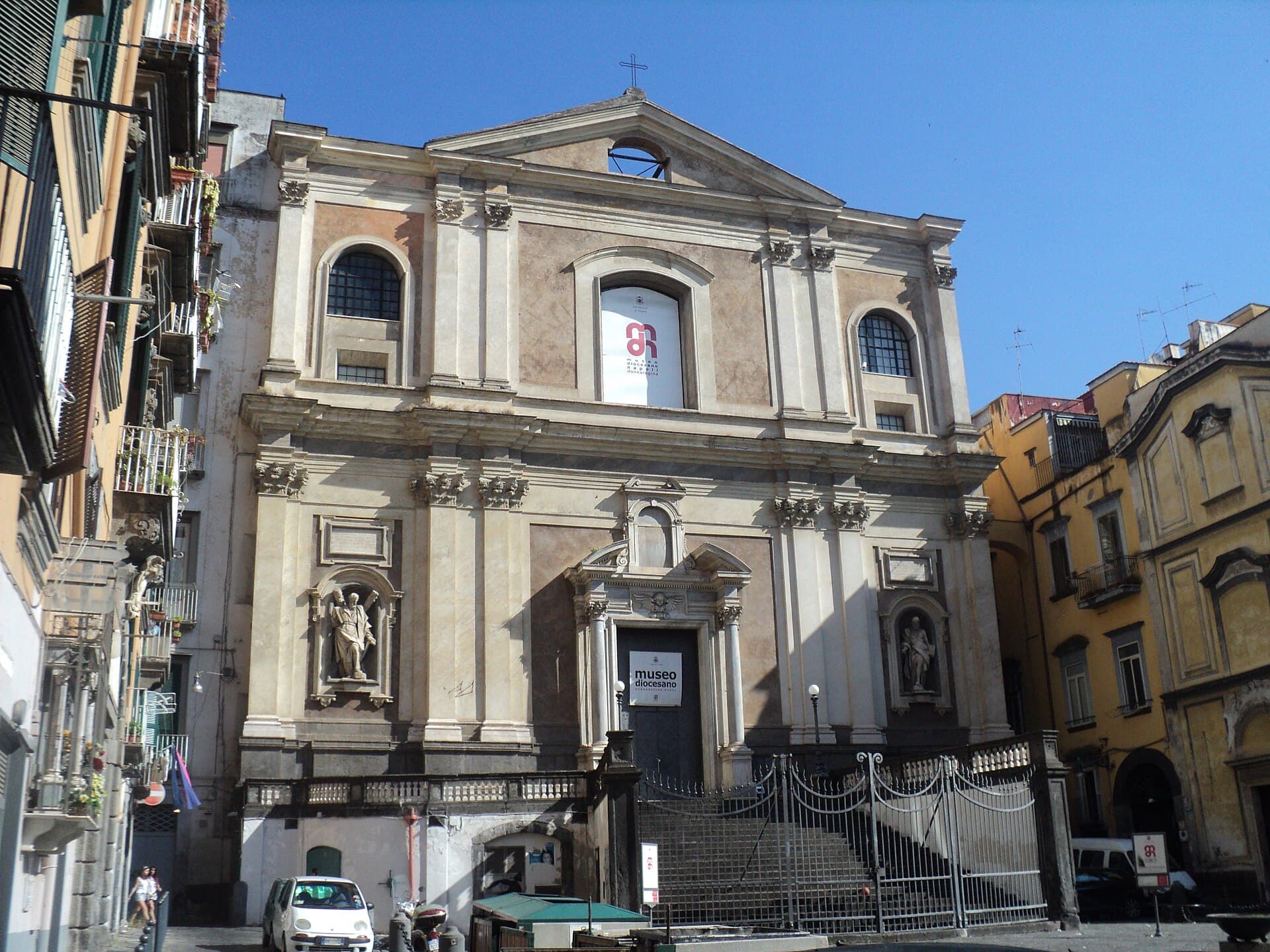 Donnaregina Complex - Diocesan Museum of NaplesBarely five minutes behind the Duomo, past the queue for the chapel of San Genna7 minutes walk4.8
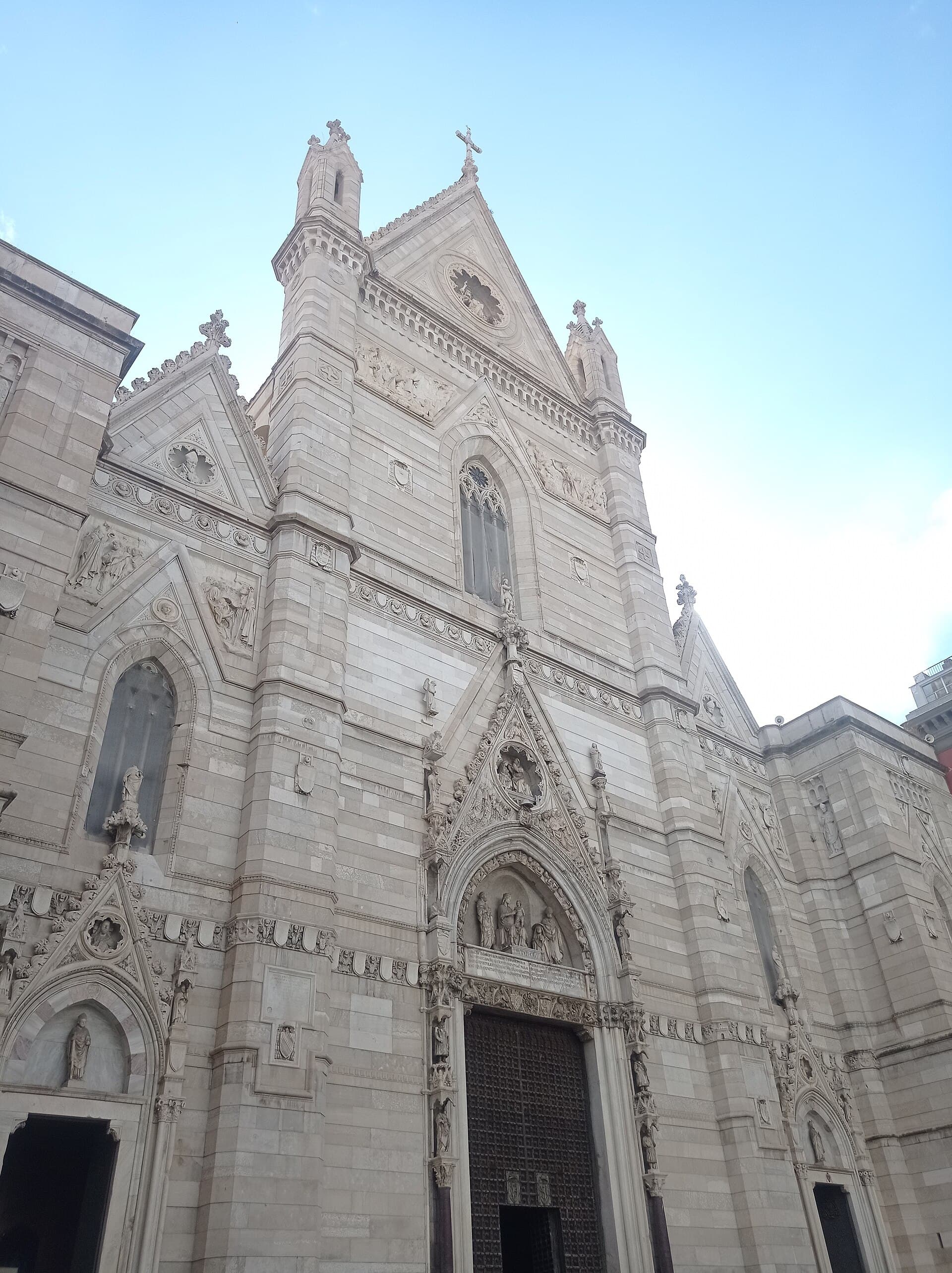 Naples CathedralNaples Cathedral is the house of San Gennaro — the city's patron, centre of Chri9 minutes walk4.8
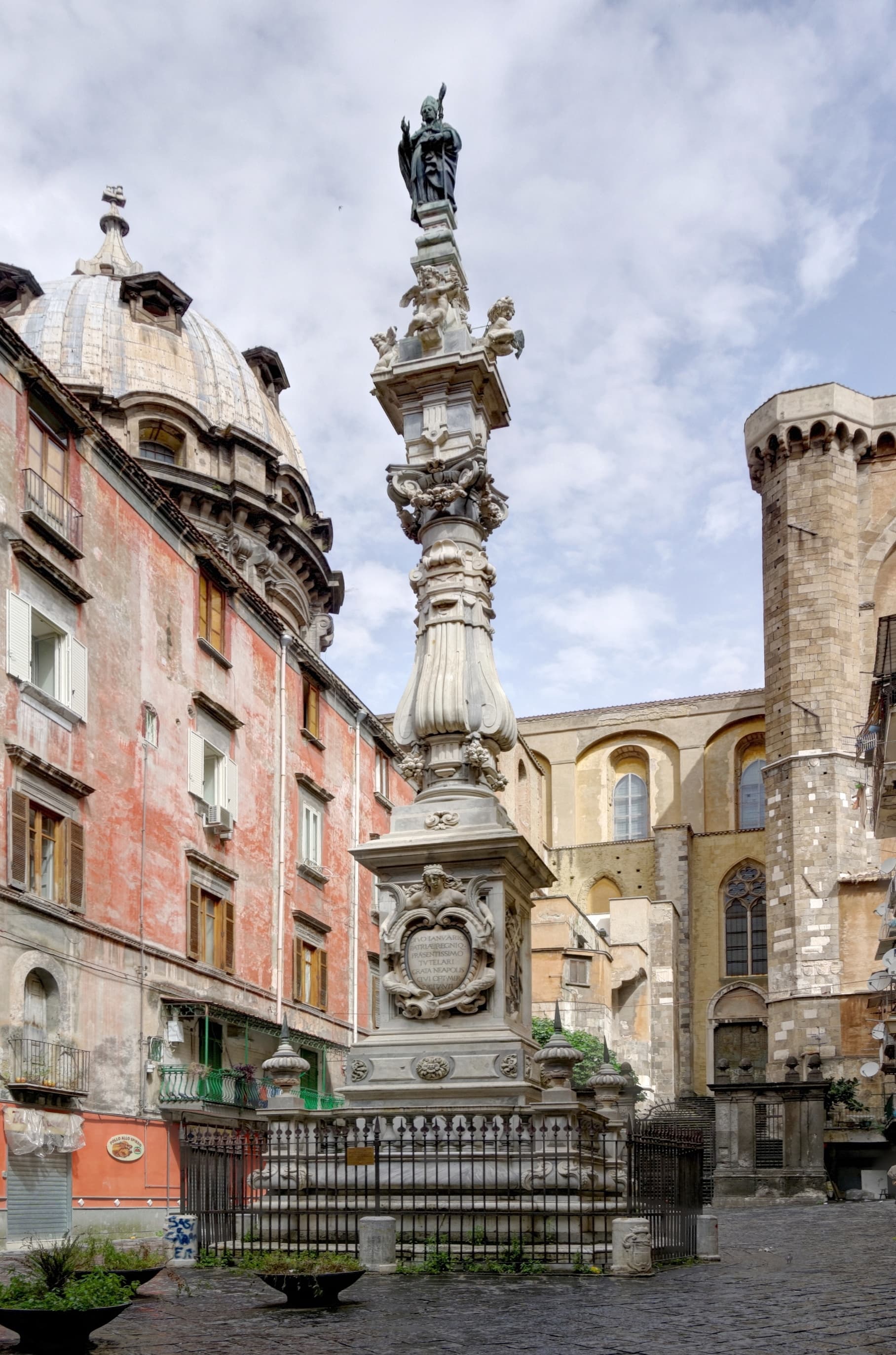 The Obelisk of San GennaroA baroque obelisk before Naples cathedral, raised in the seventeenth century in 10 minutes walk4.4
If you want an archaeological site to roam for two hours, no. The visit is short and confined to four small chambers, and the price is steep for the time. But if original Greek painting with its colour still on the wall means anything to you, there are very few places left in Europe that offer it. Treat it as part of a half day in the Sanità alongside San Gaudioso and the Fontanelle, not a special trip across the city.
Children under eight are not admitted; ages eight to twelve go free. The way down is a tight, steep staircase, so no pushchairs, and get in touch with the site beforehand if stairs are a problem. It is cold and damp below ground in every season and younger children may find it dim — though the short duration works in your favour.