
The Alexander mosaic
Issus in a million and a half stones — antiquity's greatest mosaic.
Mister No — CC BY 3.0 · Carlo Raso — Public domain · Original: Alphonse Bernoud; Derivative work: Carlo Raso from Naples, Italy — Public domain · Carlo Raso from Naples, Italy — Public domain
The MANN is the world's greatest museum of classical archaeology — no Neapolitan exaggeration: everything precious found at Pompeii and Herculaneum ended here, making a visit to the buried cities without it half a visit: the complete frescoes were lifted wall and all and hung here, with the colossal Alexander mosaic of a million and a half stones, and the bronzes that graced the villas. Above the bay's treasure sits the Farnese collection the Bourbons inherited: the Farnese Bull — the largest sculpture surviving from antiquity, a marble mountain from one block — and the weary Hercules on his club, icons that carved Europe's very idea of the classical. The famous Secret Cabinet shows what centuries of modesty hid of Pompeii's private paintings — its door announces itself, adults only. The museum is vast and occasionally warm: take it air-conditioned at hot midday, on a chosen route.
Issus in a million and a half stones — antiquity's greatest mosaic.
The ancient world's largest sculpture from a single block.
The original walls lifted and hung — the colours of 79 AD.
Two centuries of concealment finally open — very private Pompeii.
Piazza Museo 19, 80135 Naples
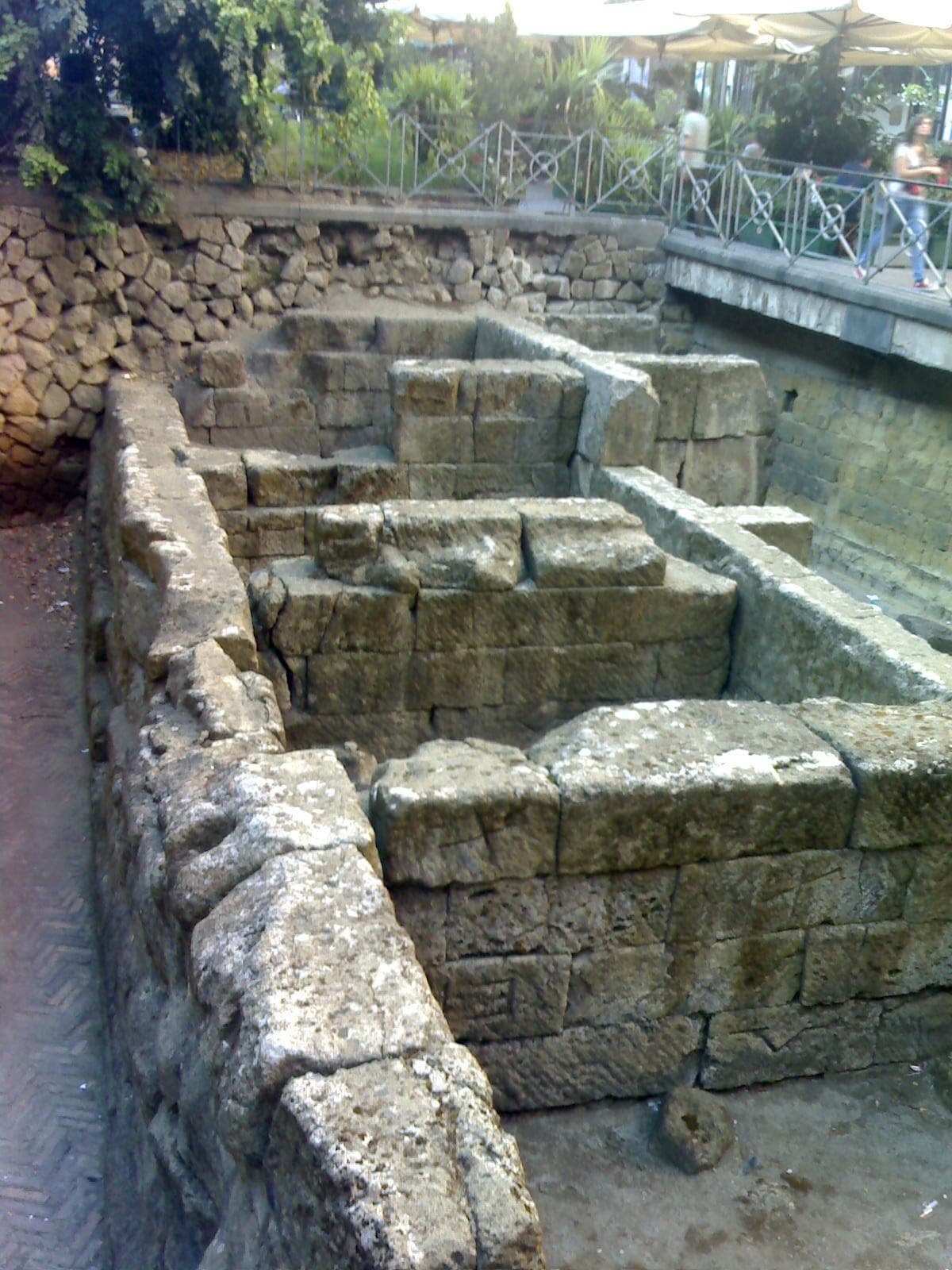 The Greek WallsThe remains of the wall of the Greek city of Neapolis, exposed below street leve5 minutes walk4.1
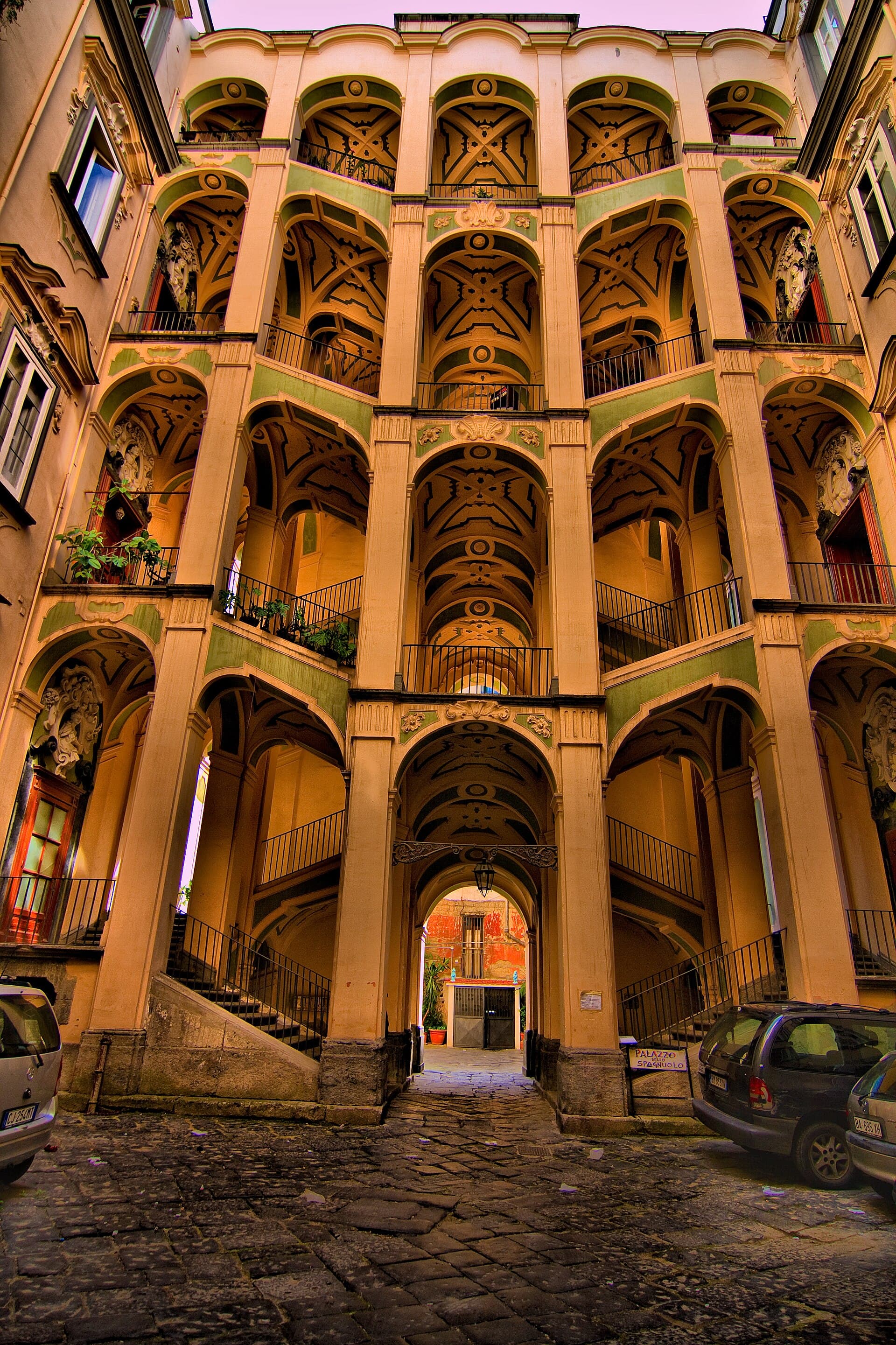 Palazzo dello SpagnoloNaples has grander palaces. Almost none of them has a staircase like this one. B6 minutes walk4.7
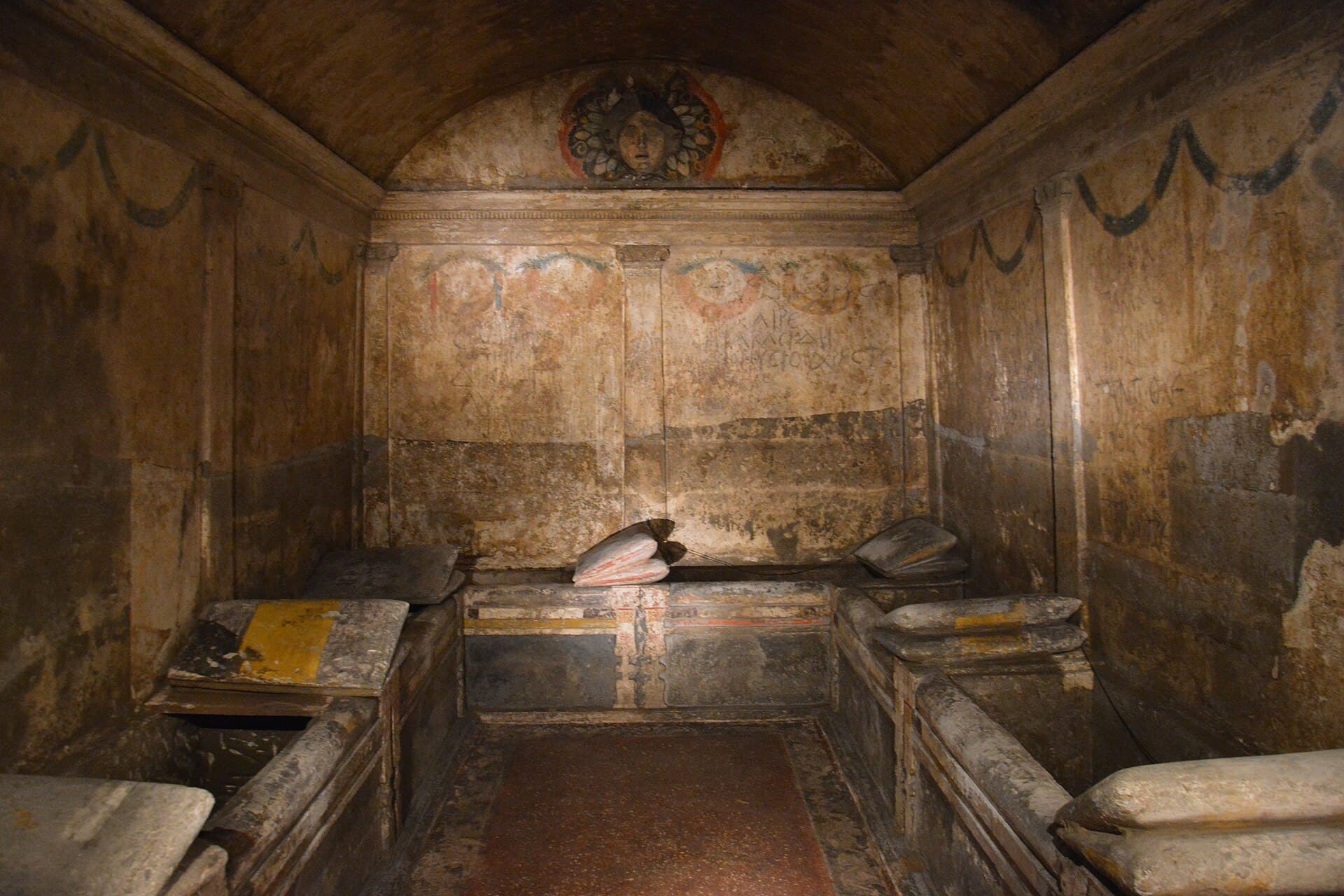 Ipogeo dei CristalliniBehind an ordinary doorway on a narrow street in the Sanità district, a steep st7 minutes walk4.7
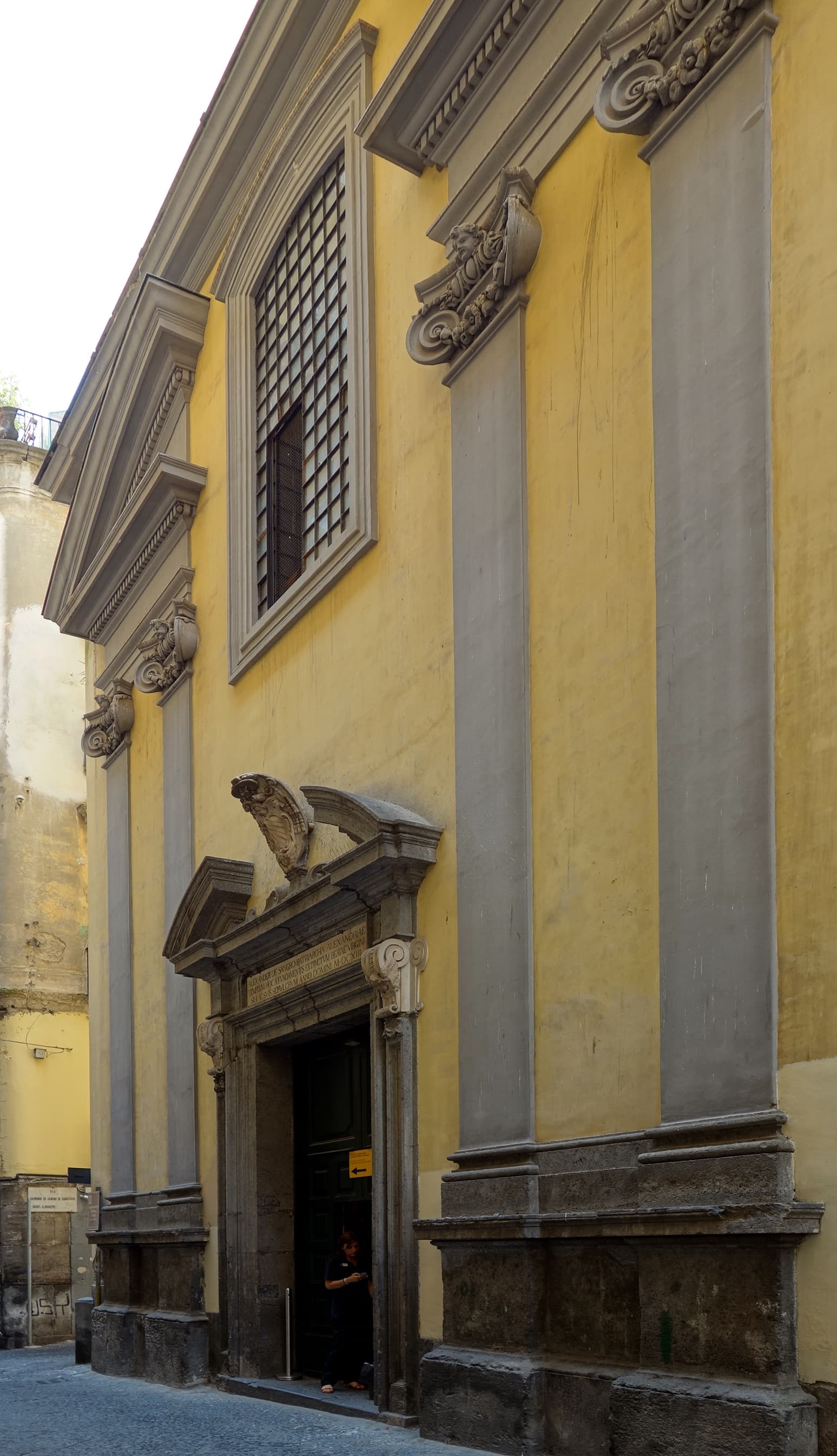 Sansevero ChapelIn a narrow lane of old Naples waits one of art's great shocks: the Veiled Chris8 minutes walk4.6
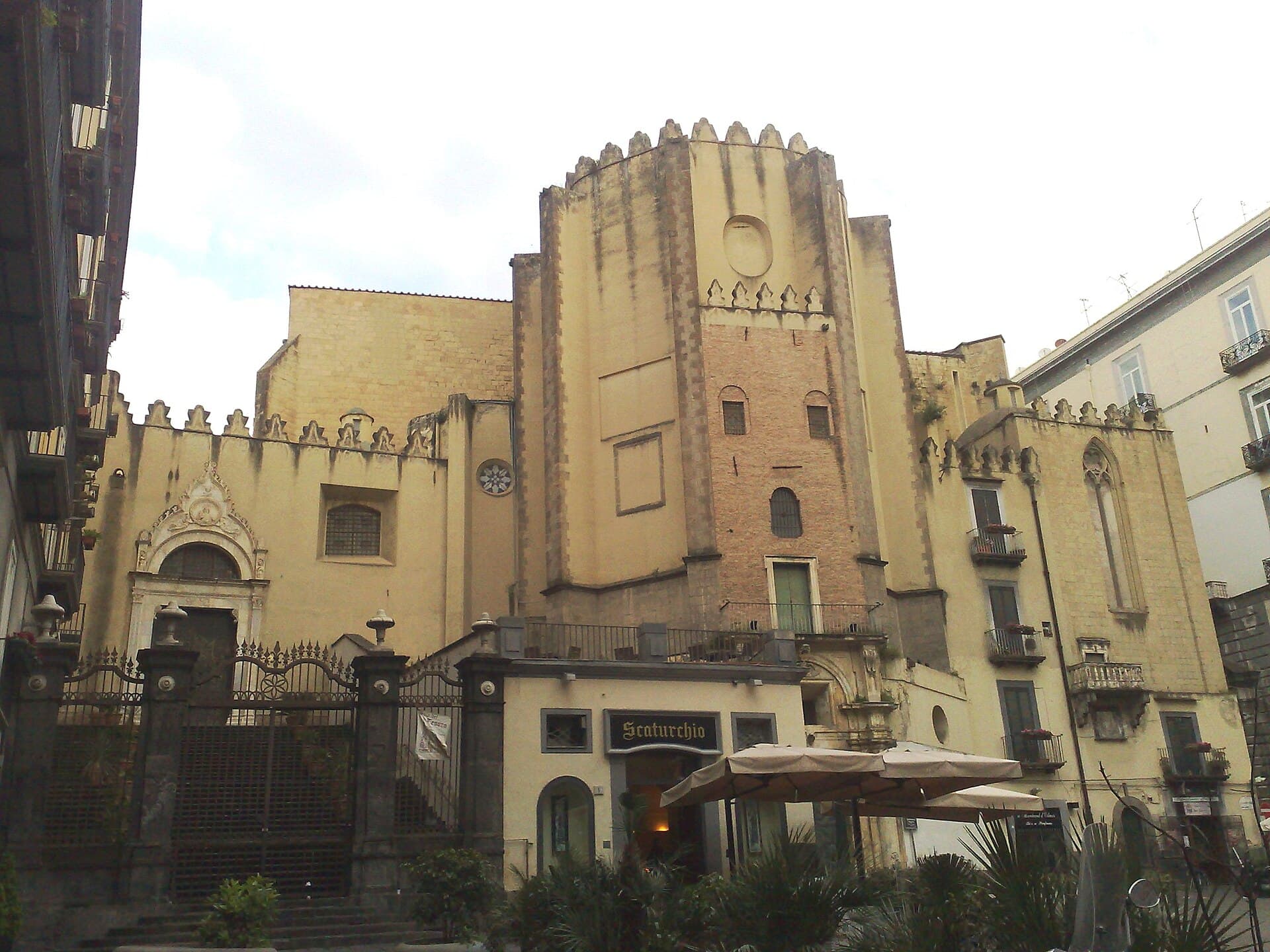 San Domenico MaggioreAbove the sacristy, on a wooden gallery running around three walls some four met8 minutes walk4.6
Two schools: before, it loads you with context and your imagination peoples the ruins; after, it answers your questions and shows what the stones withheld. The practical majority: after — wonder ascending from frame to jewel. Just never let your trip separate them.
Ground floor for the Farnese (Bull and Hercules), mezzanine for mosaics, Alexander and the Secret Cabinet, top floor for Pompeii's frescoes and villa bronzes — the right ascent from marble to colour.
Pompeii's private paintings and figures so shocked eighteenth-century excavators that they were locked in a "cabinet" requiring royal permission, closing and opening with two centuries of shifting morals. Now an age-advised open hall — a double document of ancient Rome and of modern Europe's modesty.