
The pink façade
Vosges stone carved like lace to 142 metres — Europe's astonishment for centuries.
Diliff — CC BY-SA 3.0 · fotogoocom — CC BY 3.0 · Simon, Frédéric-Emile (1805-1886). Fonction indéterminée — Public domain · Public domain
For more than two centuries Strasbourg Cathedral was the tallest building on earth — 142 metres of pink stone carved like embroidery, with a single soaring spire that leaves it unforgettably lopsided. Goethe called it 'the tree of God', and standing beneath it you understand. Inside are two wonders: the great rose window with medieval glass that floods the dark with colour, and the Renaissance astronomical clock — a fantastic machine whose figures parade at midday, the queue to watch it a daily ritual. For the strong of leg: 332 steps climb to the platform at 66 metres, over Strasbourg's rooftops towards the Black Forest and the Vosges — the climb is ticketed, the cathedral itself free.
Vosges stone carved like lace to 142 metres — Europe's astonishment for centuries.
A Renaissance machine parading its figures at noon — science, art and theatre at once.
A vast medieval glass rose firing the west end with colour.
332 steps to Strasbourg's roofs with the Black Forest on the horizon.
Place de la Cathédrale, 67000 Strasbourg
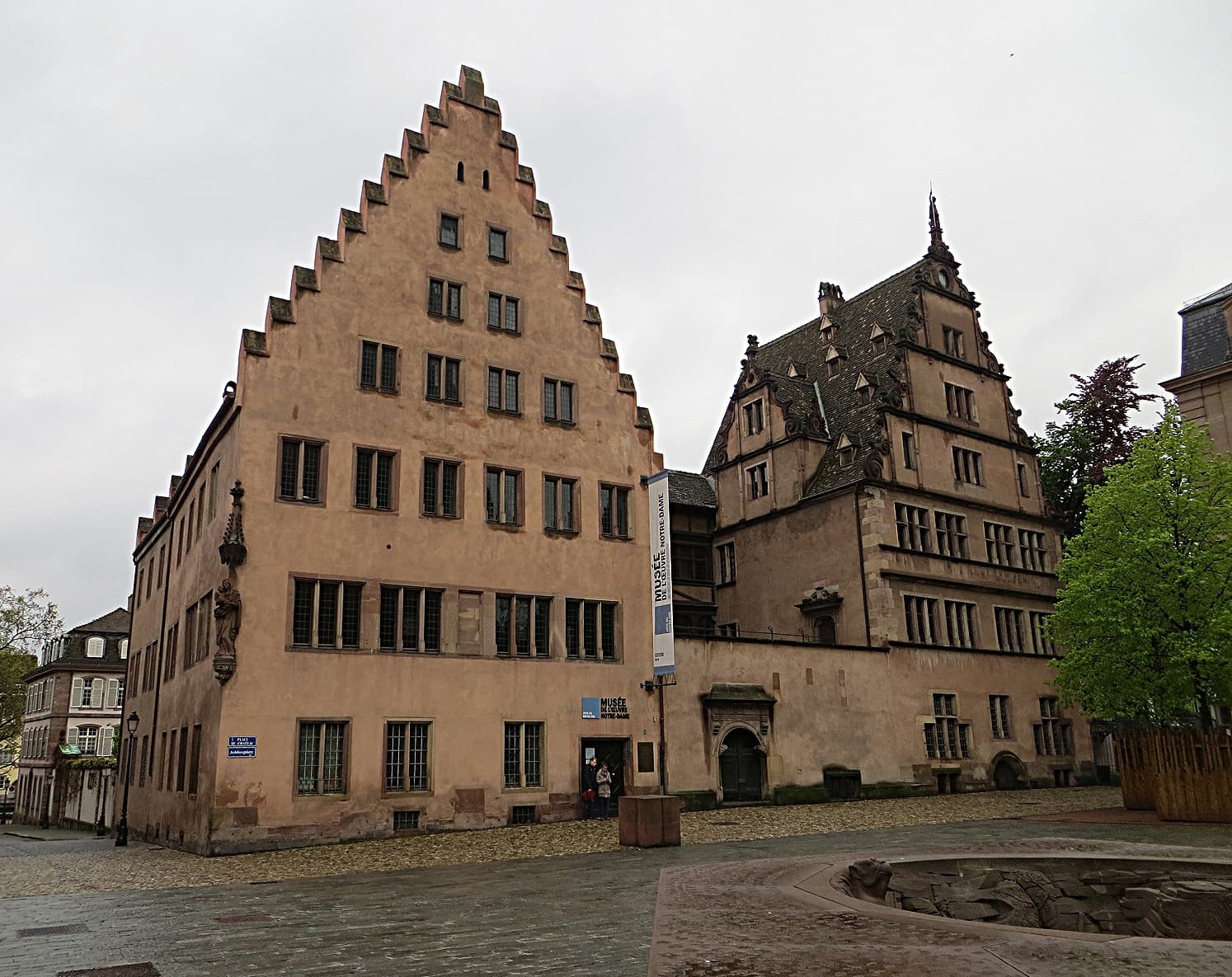 Musée de l'Œuvre Notre-DameThe 'Œuvre Notre-Dame' is the foundation that has built and repaired the cathedr2 minutes walk4.6
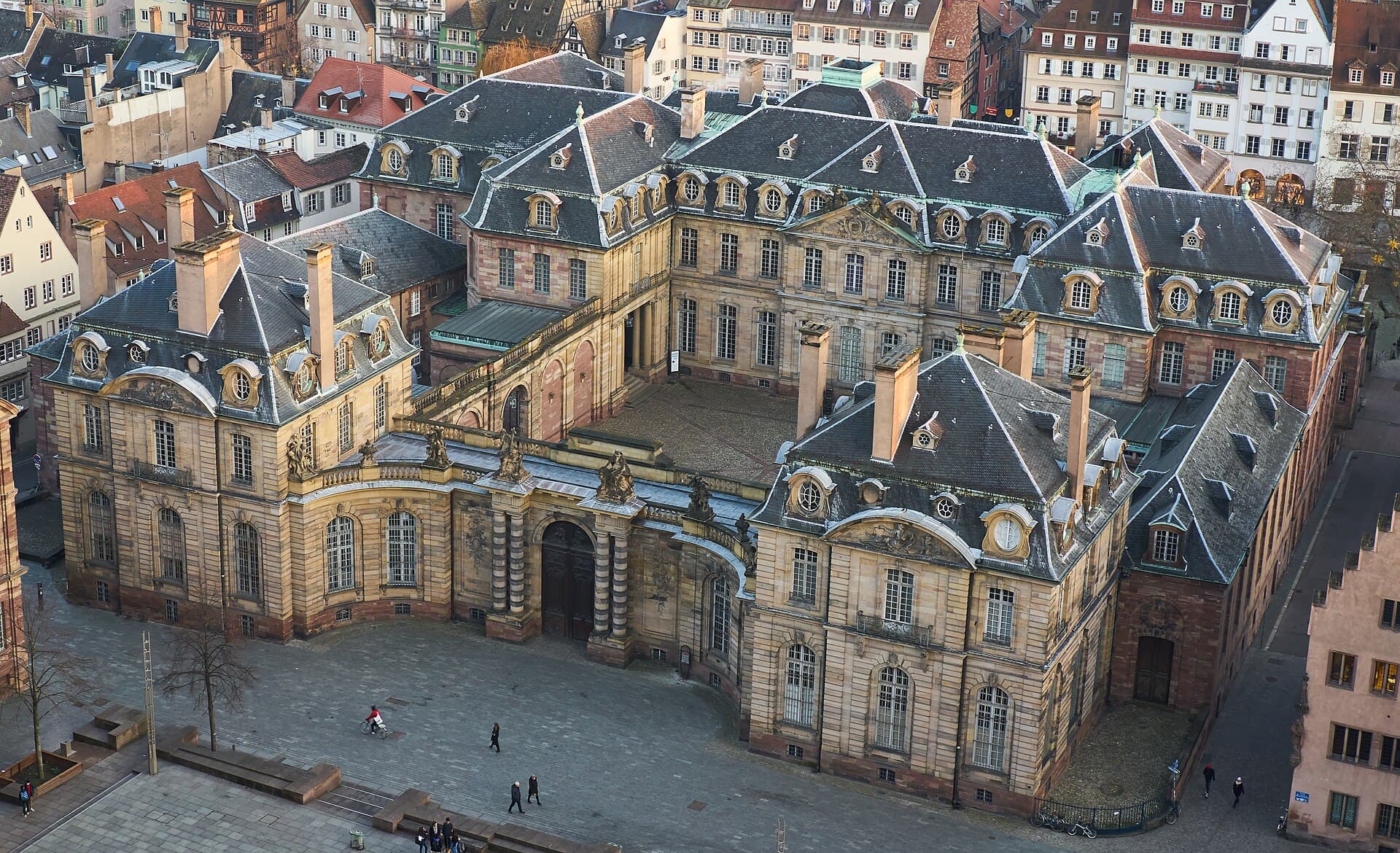 Palais RohanThe Palais Rohan is Strasbourg's eighteenth-century masterpiece: built by the po2 minutes walk4.5
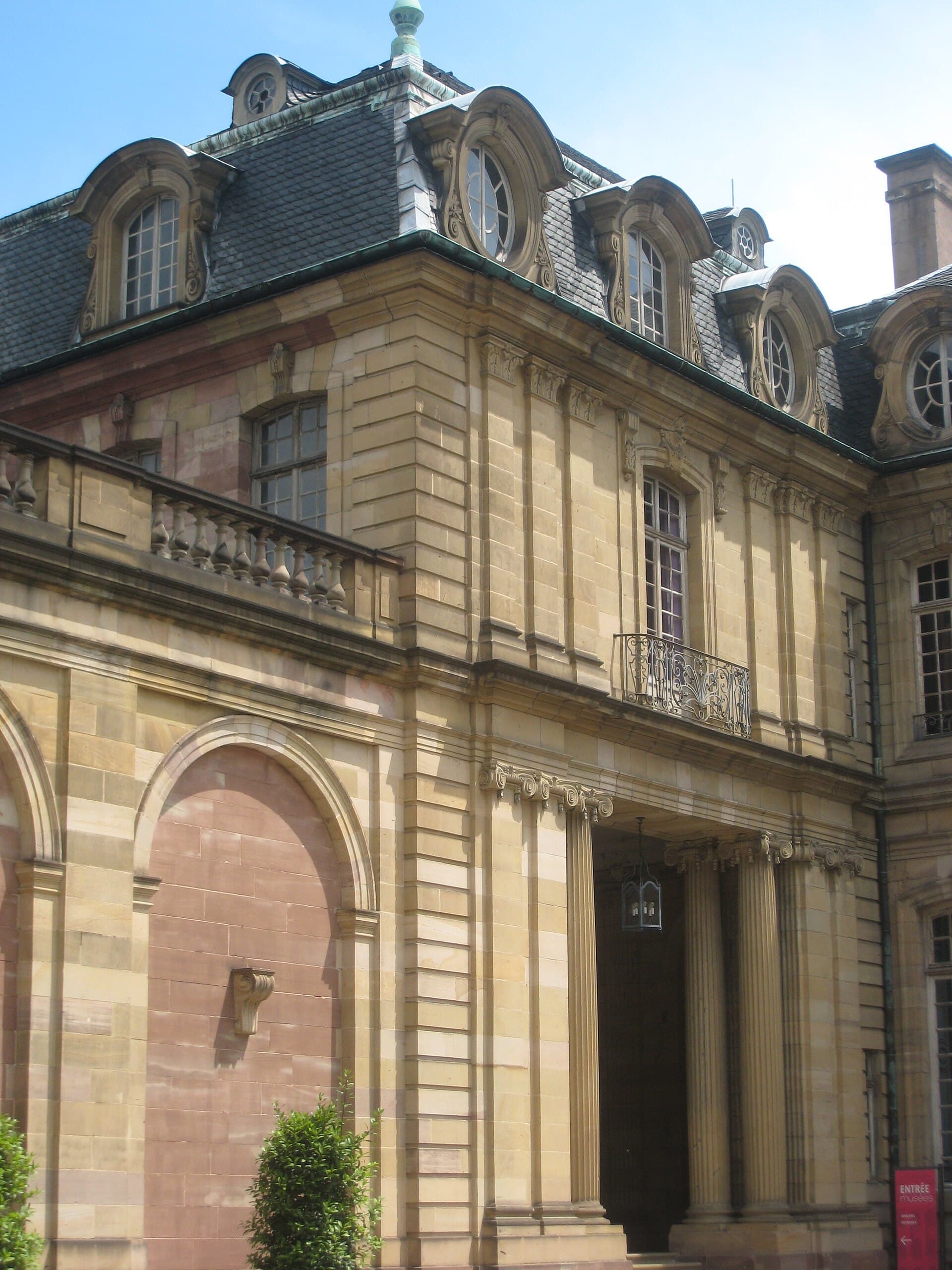 Museum of Decorative Arts, StrasbourgA museum on the ground floor of the Palais Rohan, combining two halves: the stat2 minutes walk4.3
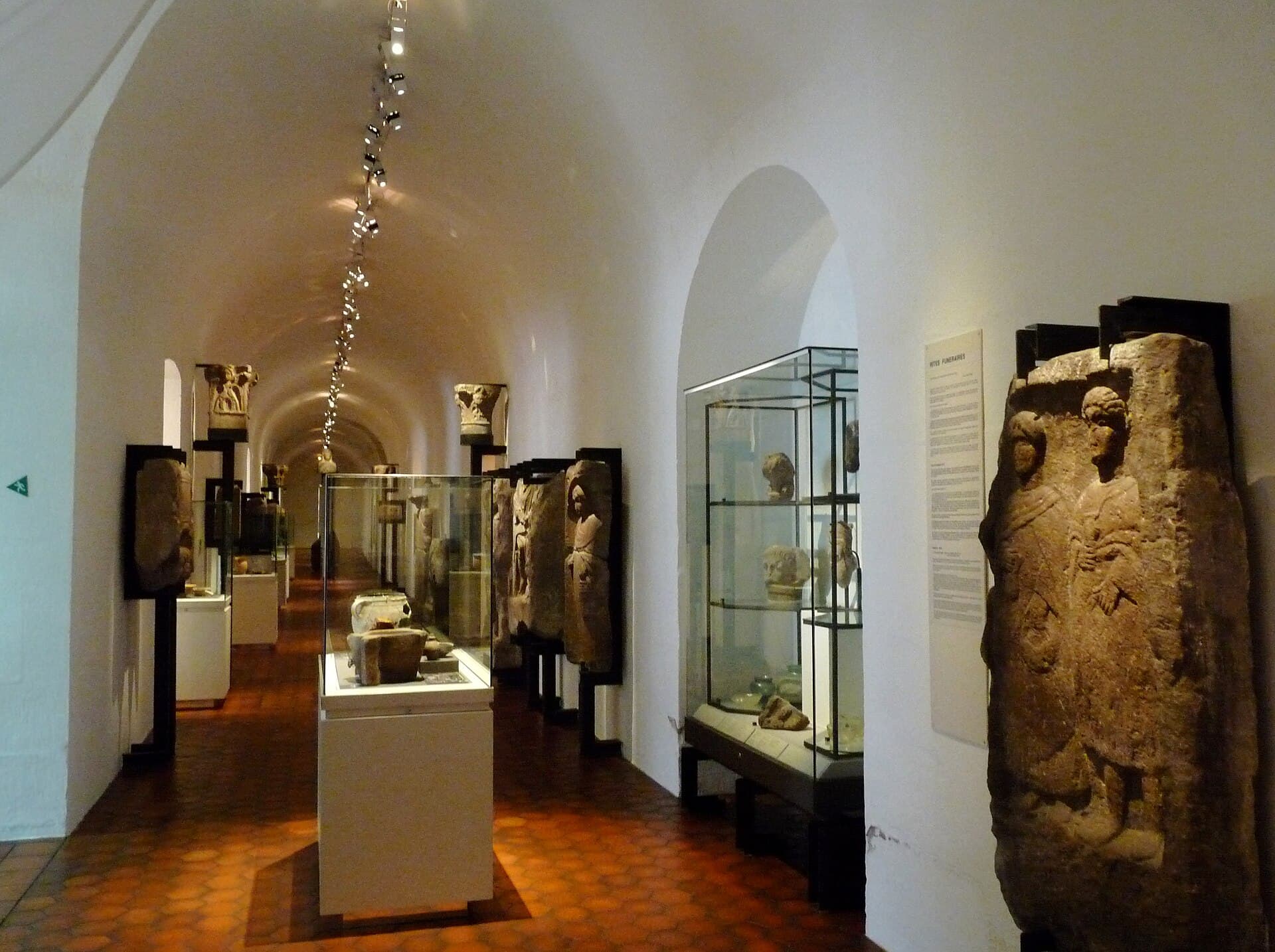 Strasbourg Archaeological MuseumAn archaeology museum in the basement of the Palais Rohan, among the most import2 minutes walk4.0
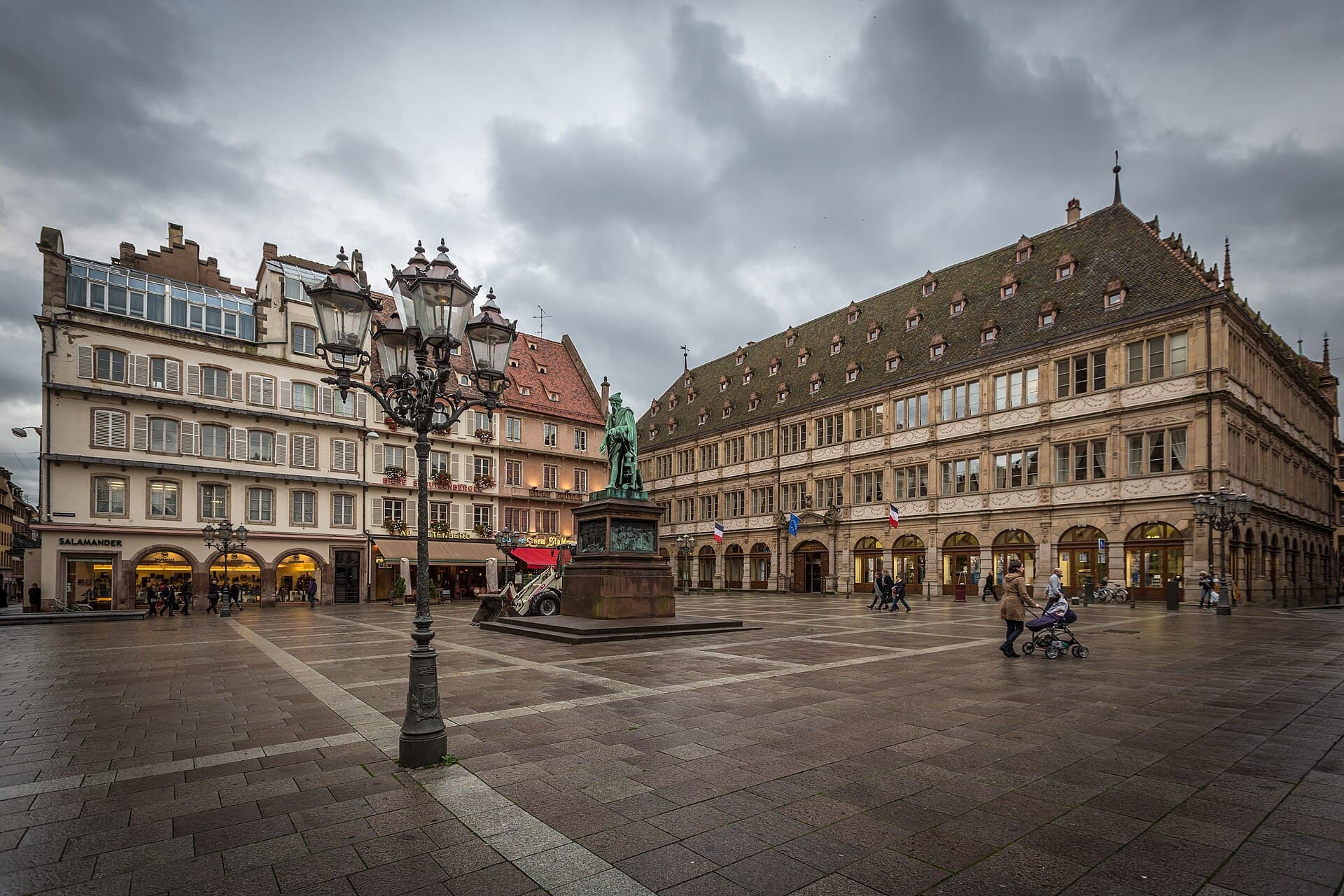 Place GutenbergA square in the heart of Strasbourg between the cathedral and the river, with a 3 minutes walk4.6
Two were planned; only the north one rose — money ran out, eras changed, and the cathedral stayed beautifully lopsided until the asymmetry became its identity. The missing second tower is among European architecture's most famous absences.
If 332 tight spiral steps are within you, yes — the platform (not the spire tip) opens over city and plain to the Black Forest. Children past eight call it an adventure; claustrophobia should skip it entirely.
At morning opening before the coach waves, or towards closing when the light slants through the west glass. Midday is the crush because of the clock — unless the clock is your goal, in which case queue early for it.