
Famous guests
Louis XV, Marie-Antoinette and Napoleon all stayed in these rooms.
A museum on the ground floor of the Palais Rohan, combining two halves: the state apartments of the prince-bishops, and a collection of Alsatian applied arts. The apartments are the first reason to come. The Palais Rohan was built in the eighteenth century for the prince-bishop of Rohan, and its ceremonial rooms — the reception hall, the library and the great bedchamber — are among the finest surviving French interiors of the period outside Paris. Louis XV, Marie-Antoinette and Napoleon all stayed in them on visits to the city. The applied arts collection covers Strasbourg faience in particular, among the most important European ceramic production of the eighteenth century, along with clocks, wrought iron and Alsatian furniture. Practical points: the museum sits inside the Palais Rohan with the archaeological and fine arts museums. Ask about the combined ticket. The palace itself is on the riverbank directly beside the cathedral, so the location is at the heart of every route through Strasbourg.
Louis XV, Marie-Antoinette and Napoleon all stayed in these rooms.
Among the most important European ceramic production of the 1700s.
Rohan was bishop and prince at once, and the palace shows both powers.
Ground floor, Palais Rohan, Strasbourg
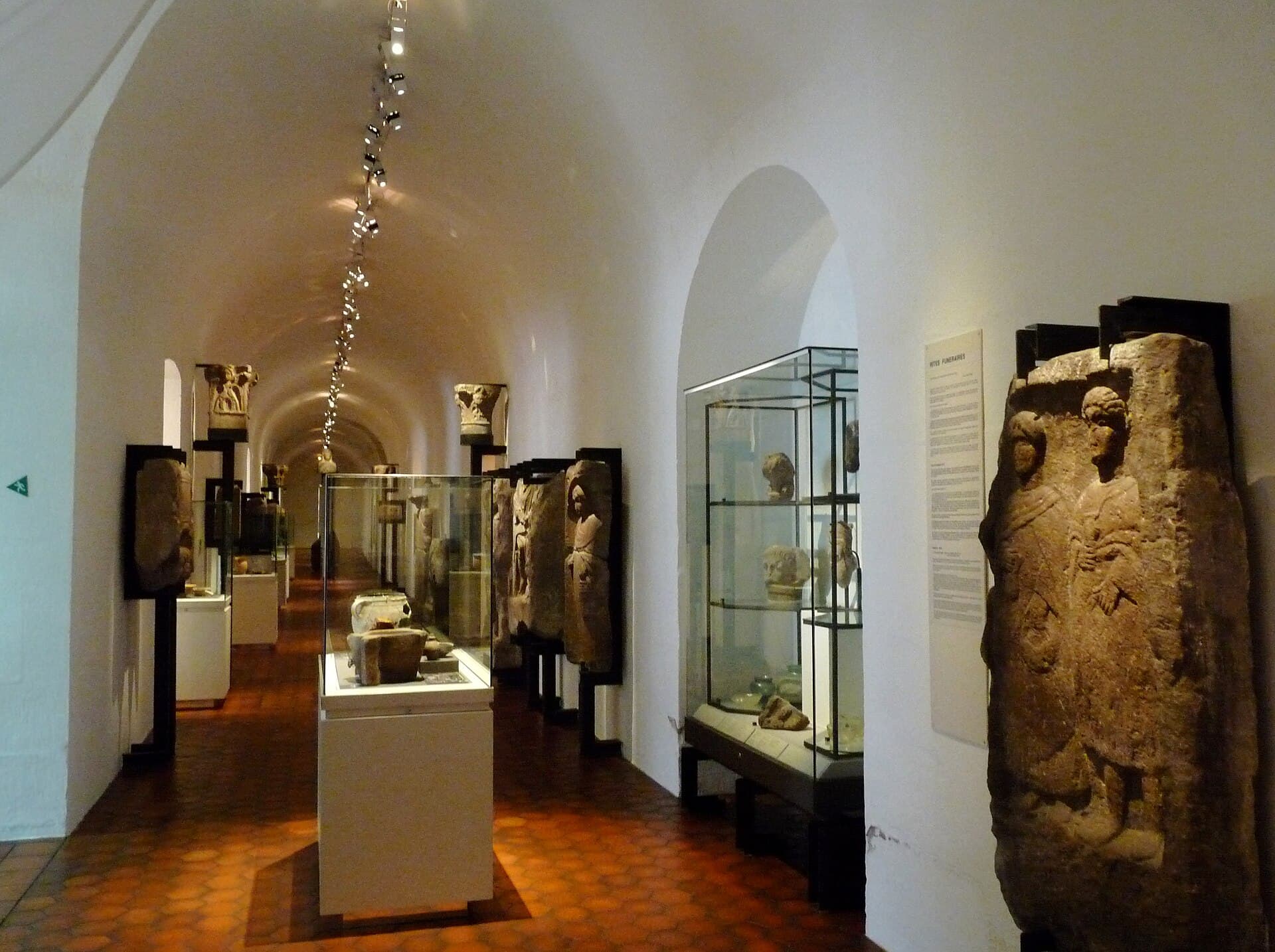 Strasbourg Archaeological MuseumAn archaeology museum in the basement of the Palais Rohan, among the most import1 minute walk4.0
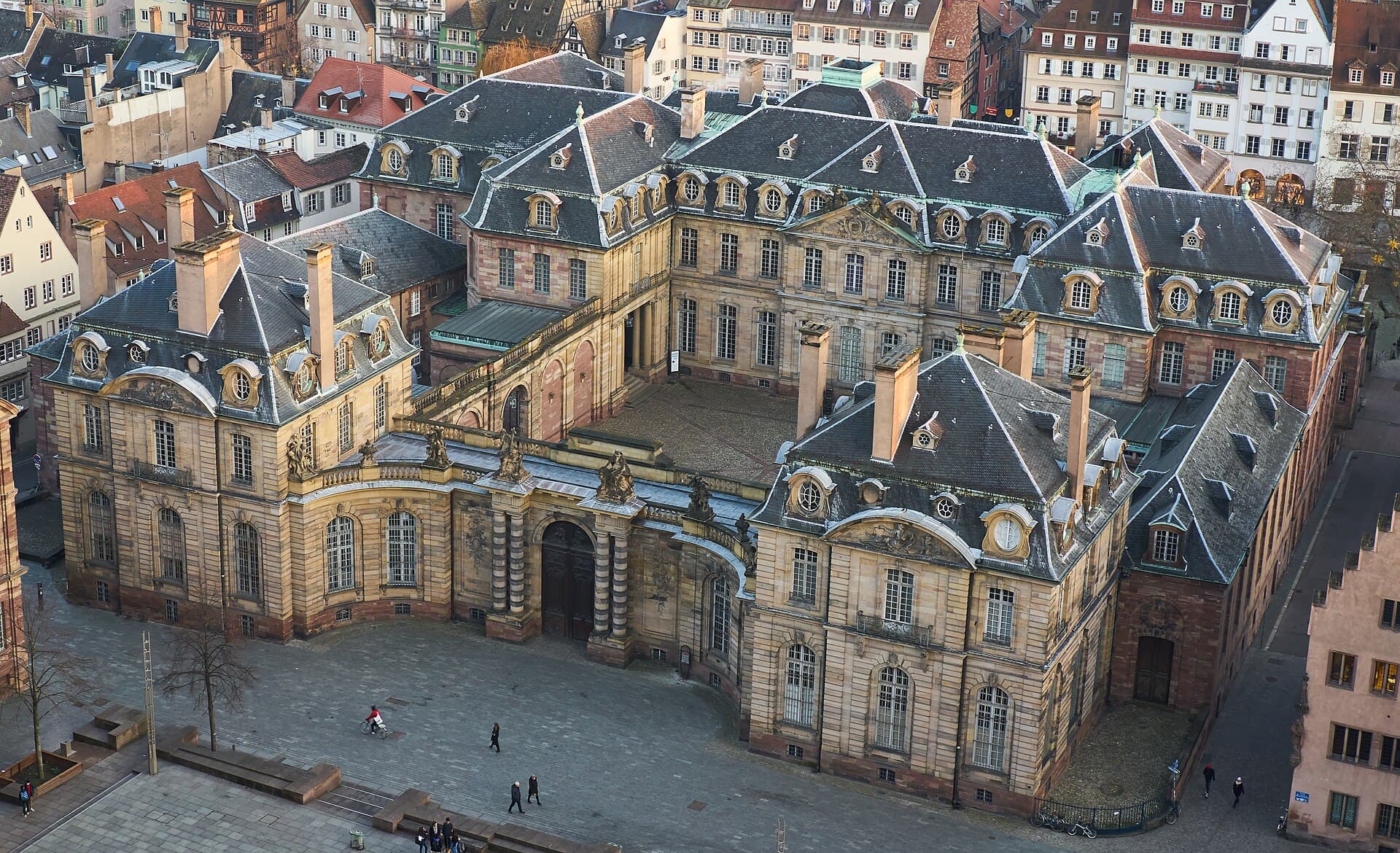 Palais RohanThe Palais Rohan is Strasbourg's eighteenth-century masterpiece: built by the po1 minute walk4.5
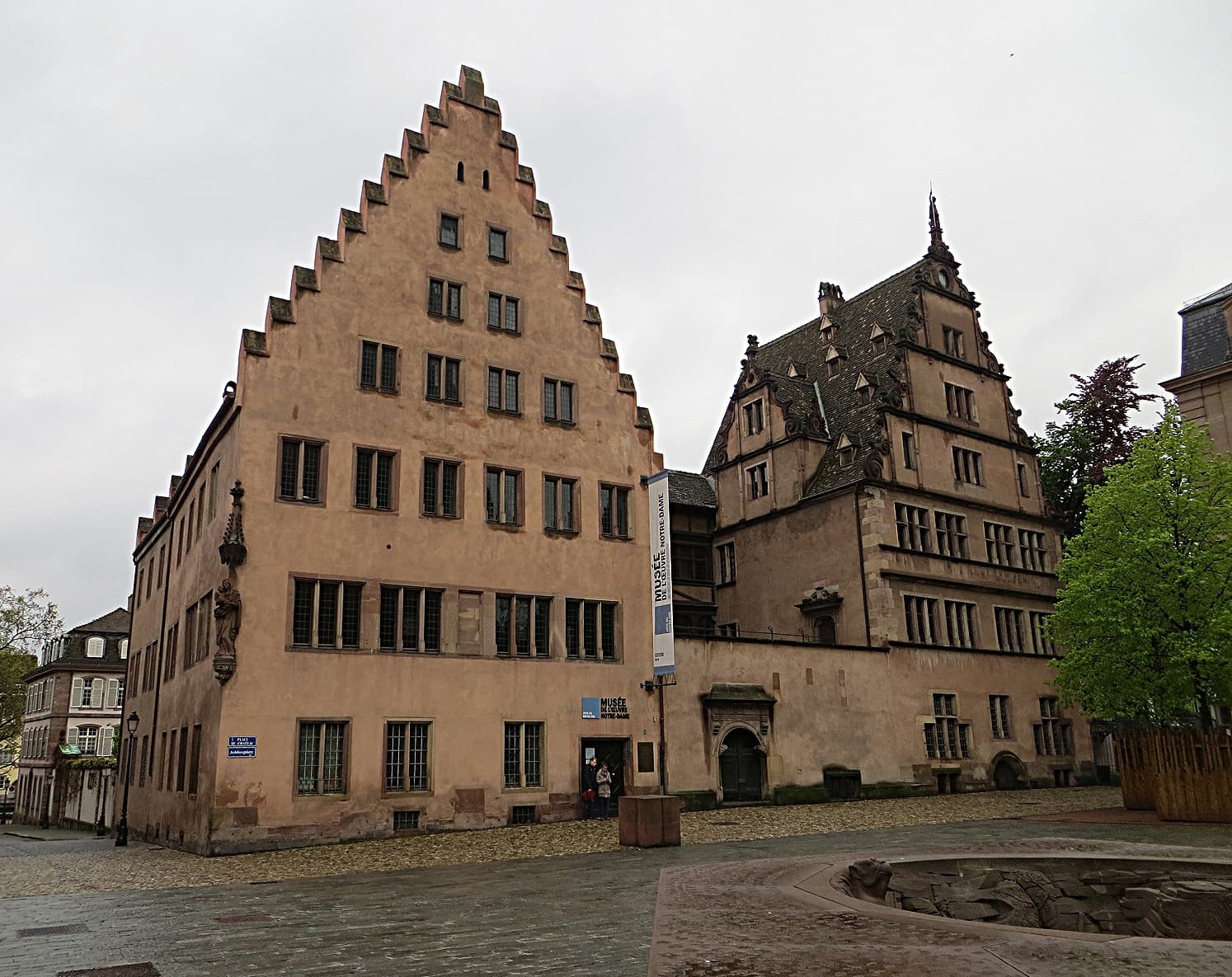 Musée de l'Œuvre Notre-DameThe 'Œuvre Notre-Dame' is the foundation that has built and repaired the cathedr1 minute walk4.6
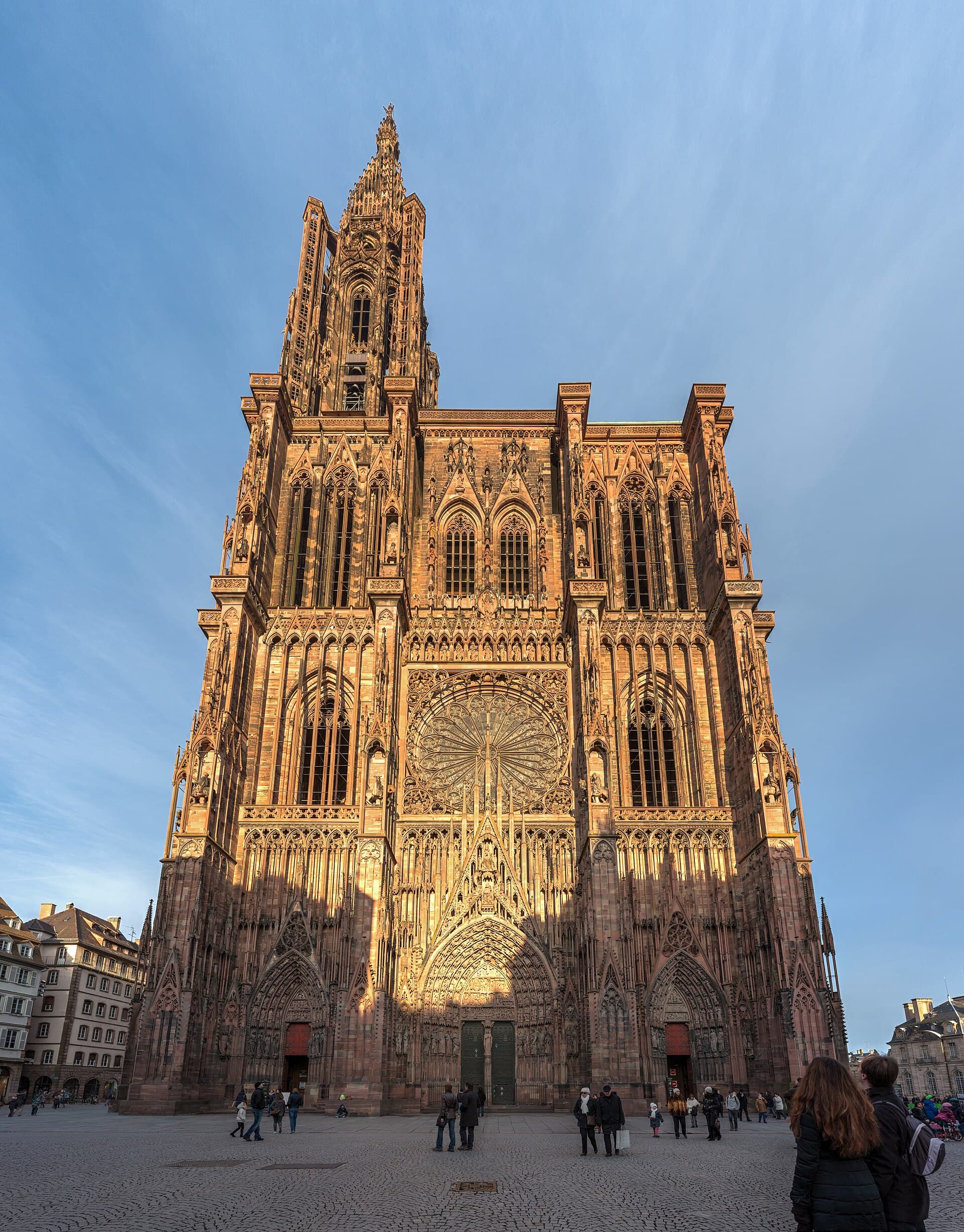 Strasbourg CathedralFor more than two centuries Strasbourg Cathedral was the tallest building on ear2 minutes walk4.7
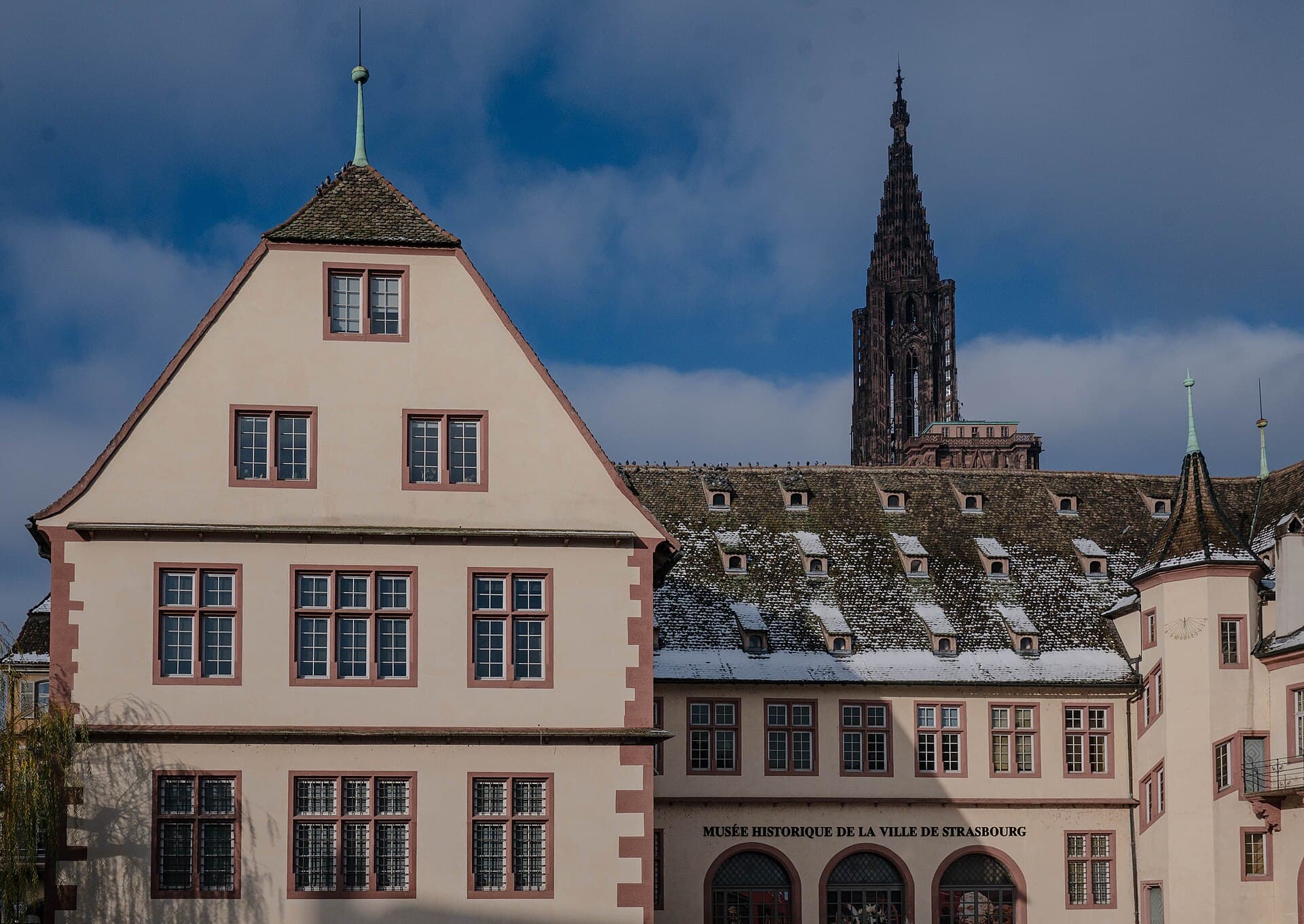 Historical Museum of StrasbourgThe Historical Museum tells Strasbourg's story from the Middle Ages: in a sixtee2 minutes walk4.4
A title for a churchman who ruled a territory in temporal terms alongside his religious authority, common in the Holy Roman Empire. A prince-bishop combined cathedral, palace, army and taxation, which explains the scale of the Palais Rohan: not a church residence but a ruler's palace.
This one, because the state apartments are the palace's finest visual asset and need no prior knowledge. The archaeological and fine arts museums both need longer to repay the visit.