
Church and Synagogue
The famous allegorical pair from the south portal — Gothic sculpture at its peak.
Mister No — CC BY 3.0 · Ji-Elle — CC BY-SA 4.0 · Ji-Elle — CC BY-SA 4.0 · Ji-Elle — CC BY-SA 4.0
The 'Œuvre Notre-Dame' is the foundation that has built and repaired the cathedral since the thirteenth century — without ever stopping. Its museum, in its beautiful old house beside the cathedral, keeps what cannot be left outdoors: the original sculptures that faced seven centuries of wind and war. Here are the Wise and Foolish Virgins from the portals, the famous 'Church and Synagogue' pair, and the original thirteenth-century façade drawings on parchment — Europe's oldest architectural plans at such scale. What you see on the cathedral today are copies; the originals are all here at eye level. The building is a pleasure itself: two houses of the fourteenth and sixteenth centuries with a spiral stair and a small medieval garden — a quiet, deep visit that belongs immediately after the cathedral.
The famous allegorical pair from the south portal — Gothic sculpture at its peak.
Thirteenth-century façade drawings — architecture's oldest documents of such ambition.
Two old houses, a spiral stair, a medieval garden — vessel worthy of contents.
3 Place du Château, 67000 Strasbourg
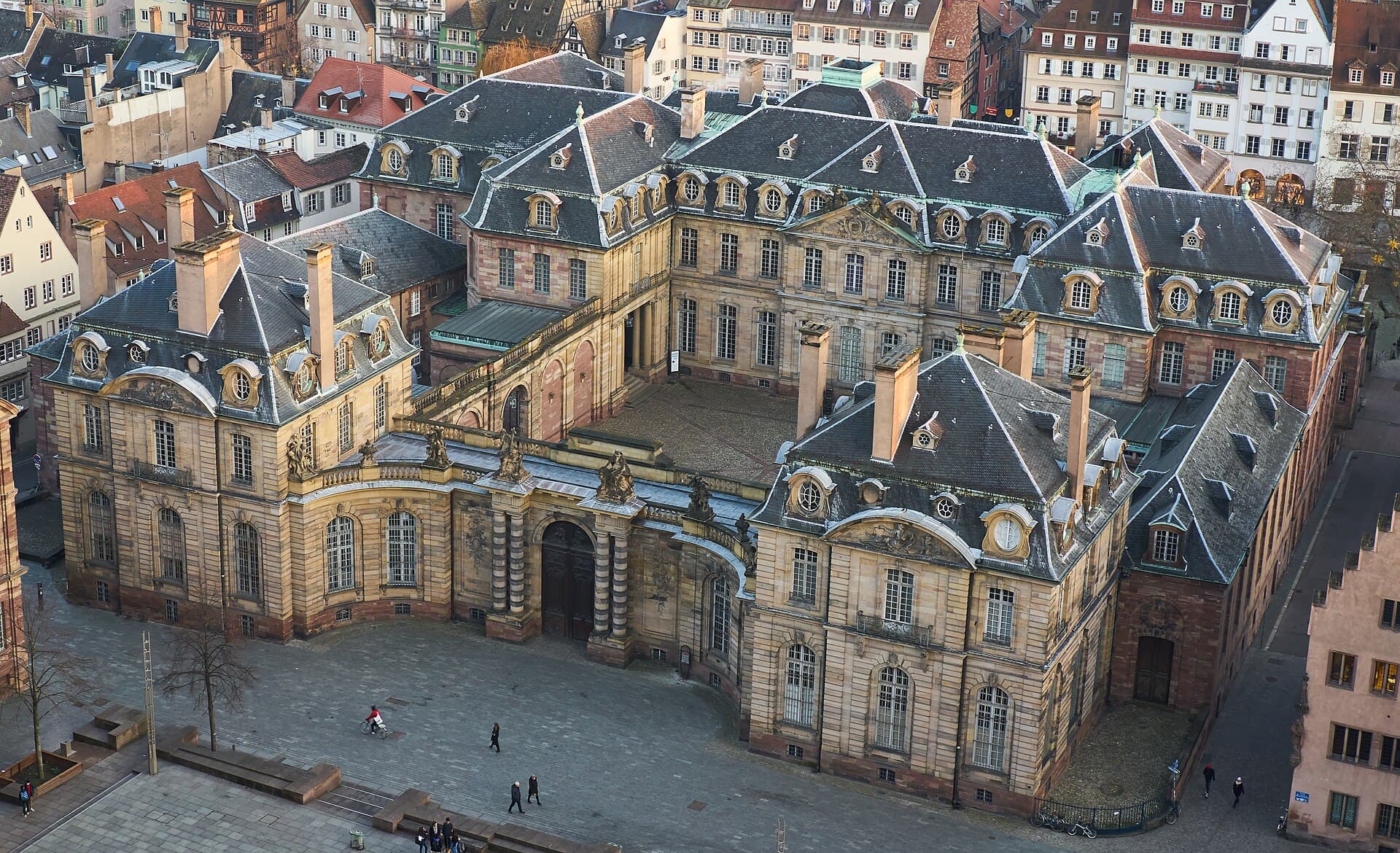 Palais RohanThe Palais Rohan is Strasbourg's eighteenth-century masterpiece: built by the po1 minute walk4.5
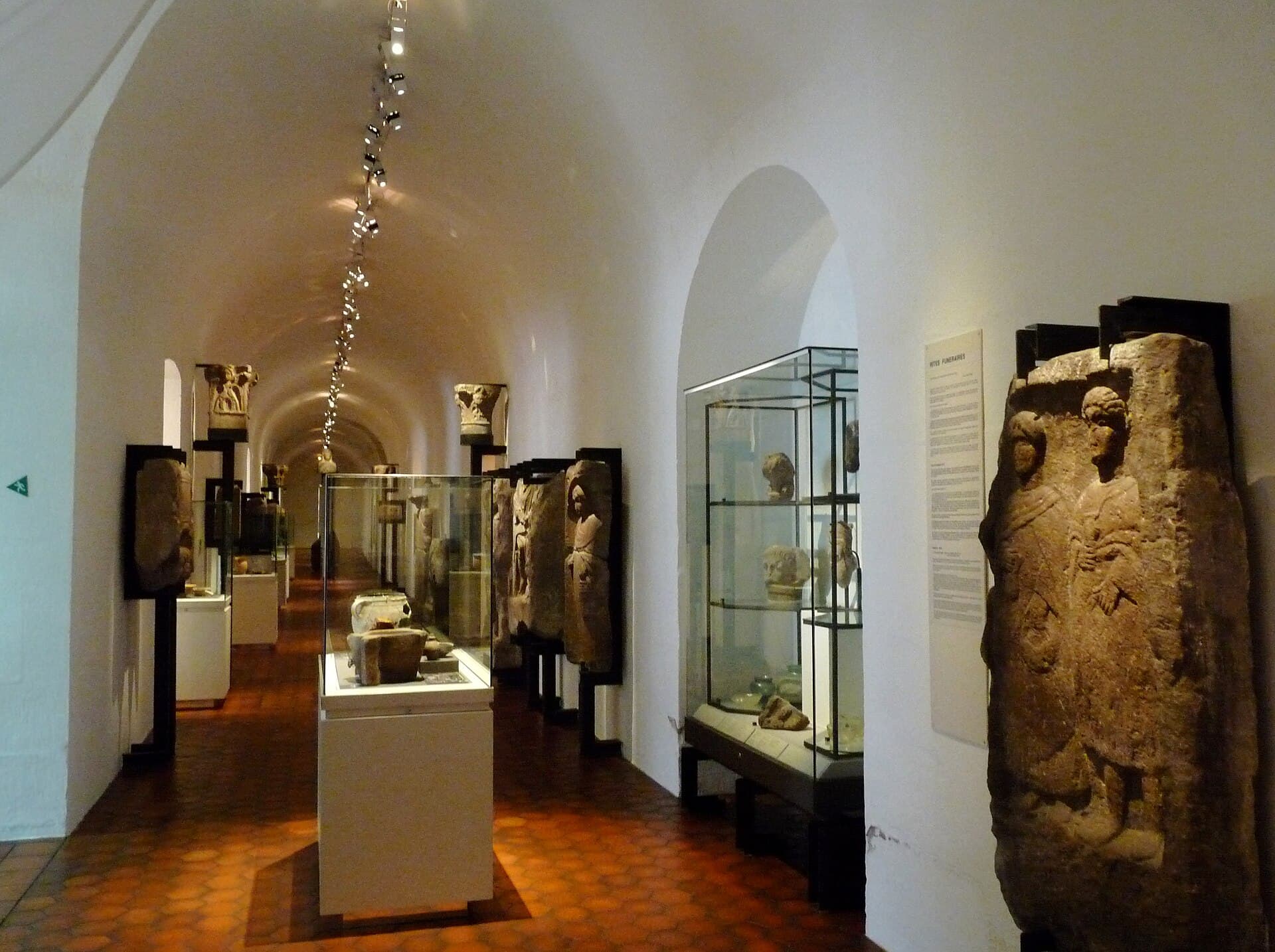 Strasbourg Archaeological MuseumAn archaeology museum in the basement of the Palais Rohan, among the most import1 minute walk4.0
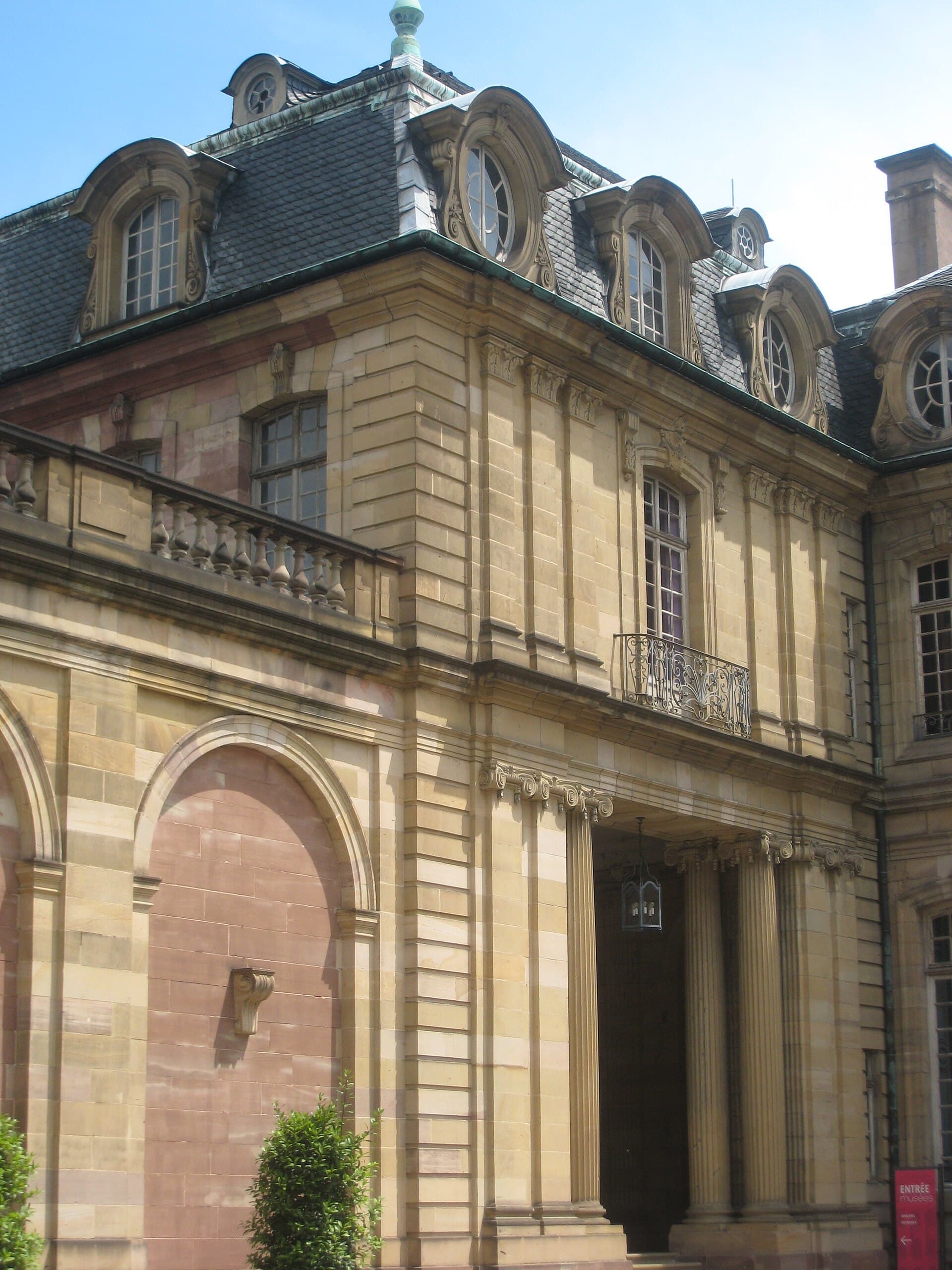 Museum of Decorative Arts, StrasbourgA museum on the ground floor of the Palais Rohan, combining two halves: the stat1 minute walk4.3
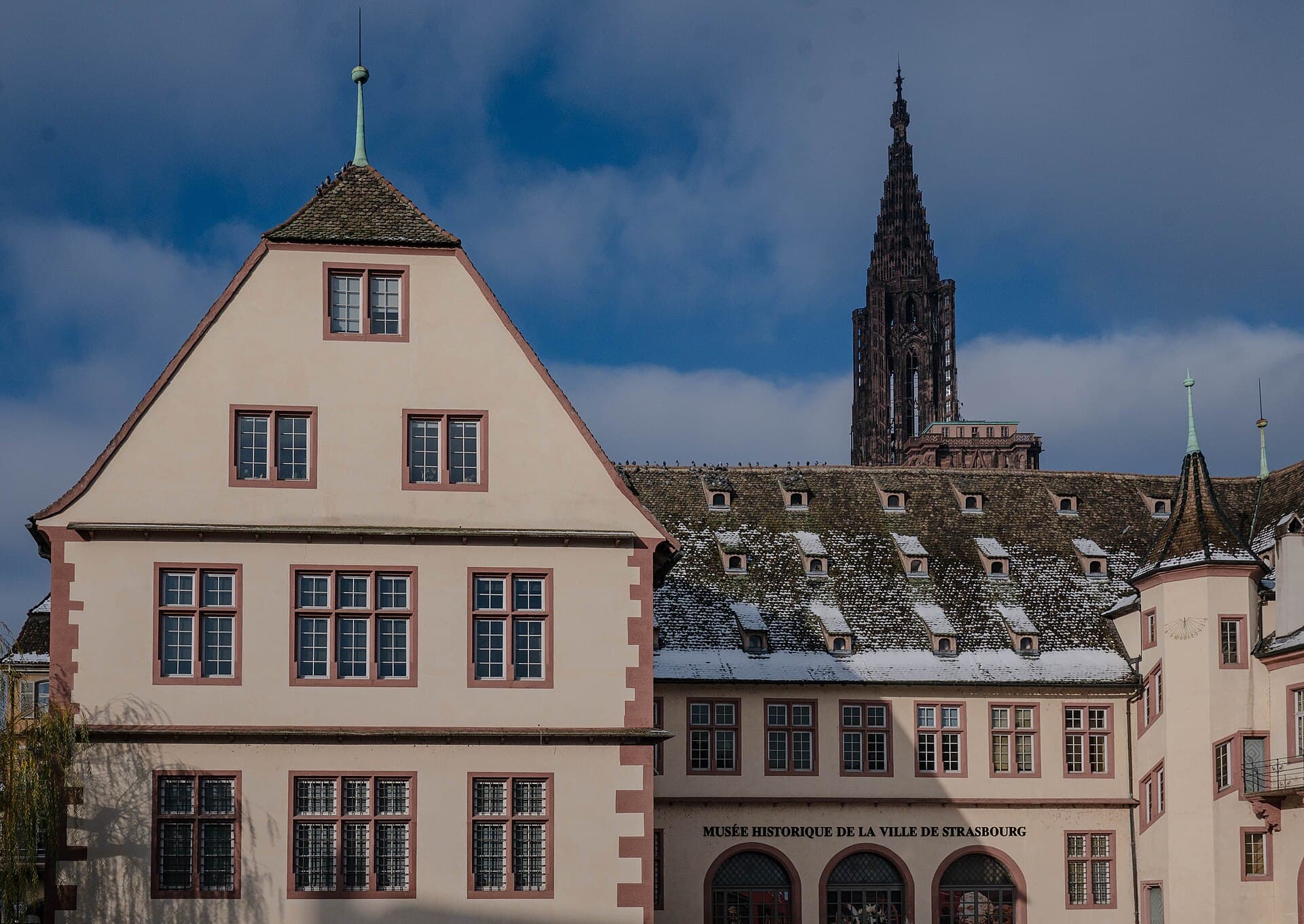 Historical Museum of StrasbourgThe Historical Museum tells Strasbourg's story from the Middle Ages: in a sixtee1 minute walk4.4
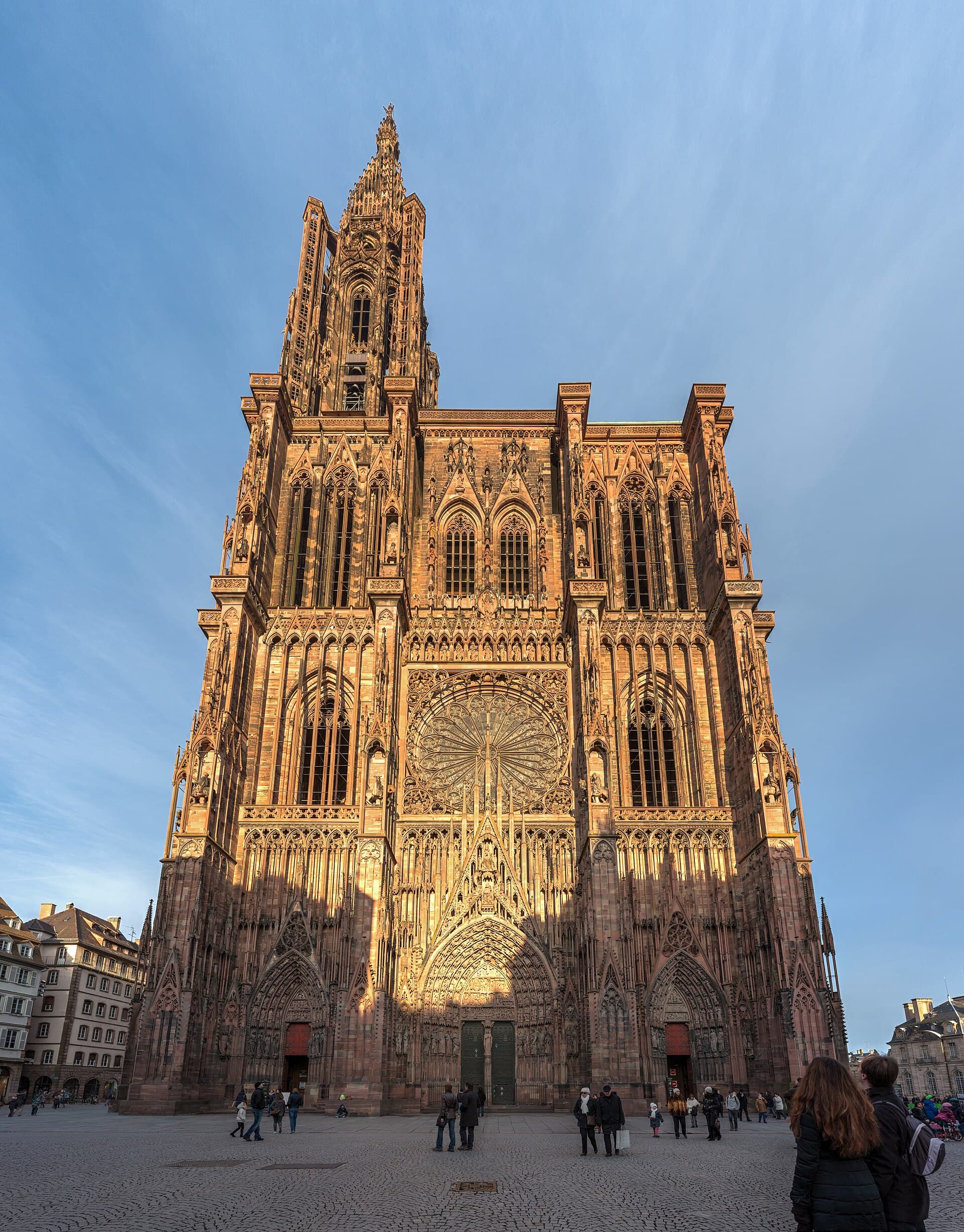 Strasbourg CathedralFor more than two centuries Strasbourg Cathedral was the tallest building on ear2 minutes walk4.7
Because you have not yet seen its real thing: the original façade sculptures were brought down for safekeeping and copies raised in their place. Here you stand before the originals at eye level instead of craning twenty metres — and the difference in detail is startling.
A medieval allegory pair: Church crowned triumphant, Synagogue blindfolded with broken lance — the Middle Ages' rhetoric of religious supremacy, now shown with its critical context. Their sculptural beauty transcends the polemic: Synagogue's face is among the thirteenth century's most delicate carvings.
Yes, if entered straight after the cathedral while full of her — then it reads itself. As an isolated visit it would seem a specialist hall of religious sculpture. Sequence is everything.