
Old streets
From the gold era.
Yuri Furquim — CC BY-SA 4.0 · Ileticiachaves — CC BY 4.0 · Prburley — CC BY 4.0 · Sturm — CC BY-SA 4.0 · Prburley — CC BY 4.0 · Yuri Furquim — CC BY-SA 4.0 · Prburley — CC BY 4.0
The historic centre of Cuiabá, capital of Mato Grosso, is an area protected by the national heritage institute, made up of the city's first streets, opened after gold was found on the banks of the Prainha stream in 1722. The mining period was short, ending around 1730, but it set the axes of the city's growth along the stream. The first settlement, the «Arraial da Forquilha», was founded in 1719 in the Coxipó do Ouro area and grew as gold seekers arrived; its centre then moved to the banks of the Prainha, where alluvial gold was found, and Cuiabá became a town in 1727. Around the mother-church square rose the town's main buildings: the town hall and jail and the judges' residence. Today the centre has narrow streets, colonial and eclectic houses, and palaces and public buildings from the early 20th century, including the Palace of Instruction and the Mundéu fountain. It suits a walk in the morning or at sunset, as Cuiabá is one of Brazil's hottest cities, and it is the gateway to Pantanal trips.
From the gold era.
1914 building.
Cuiabá.
Central Cuiabá, Mato Grosso
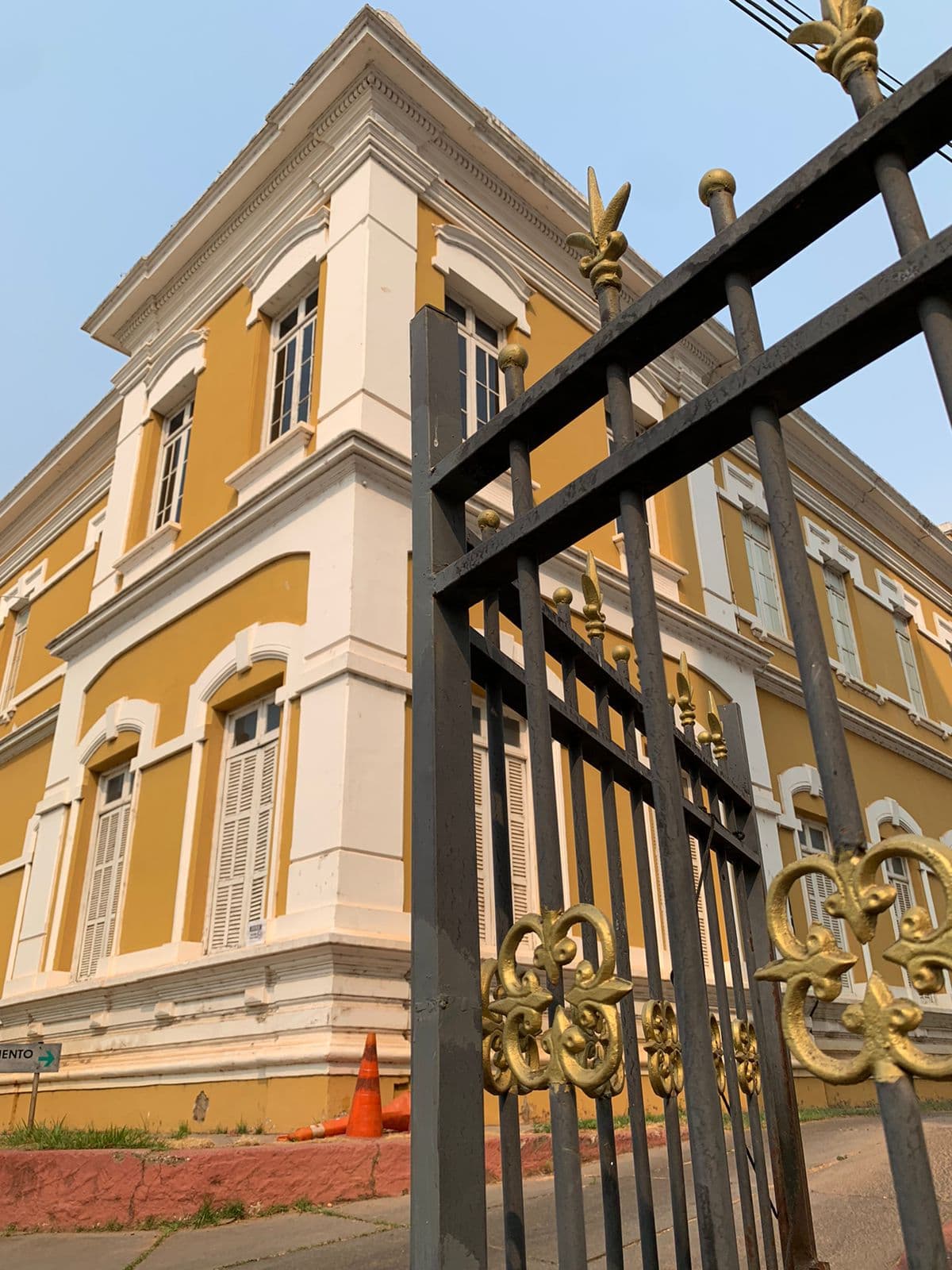 Palácio da Instrução (Cuiabá)The Palace of Instruction is a protected historic building in Cuiabá's historic 7 minutes walk4.4
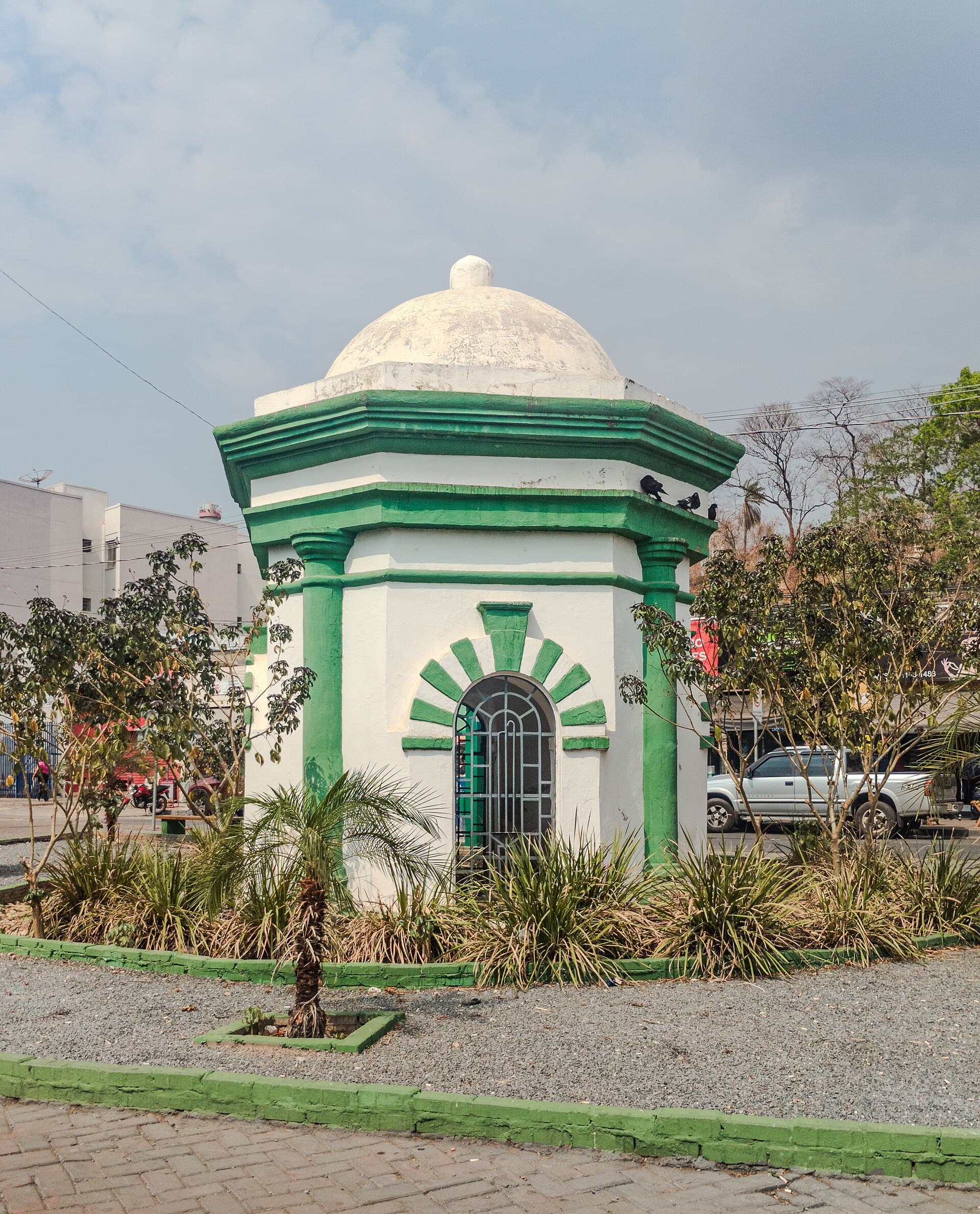 Chafariz do MundéuThe Mundéu Fountain, originally the Fountain of the Largo da Conceição, is a pub9 minutes walk4.9
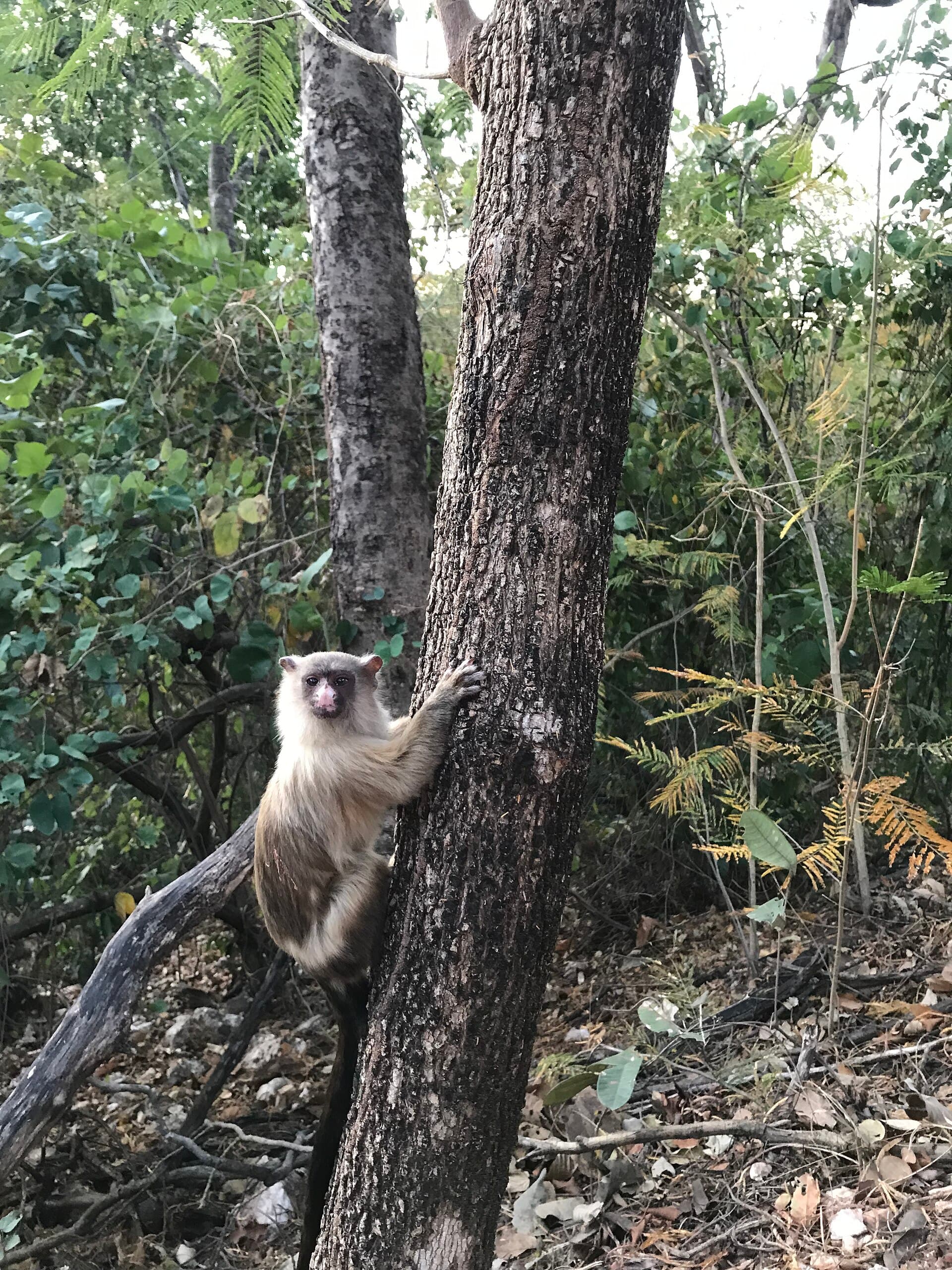 Mãe Bonifácia ParkMãe Bonifácia State Park covers 77 hectares inside the city of Cuiabá, mostly ce24 minutes walk4.8
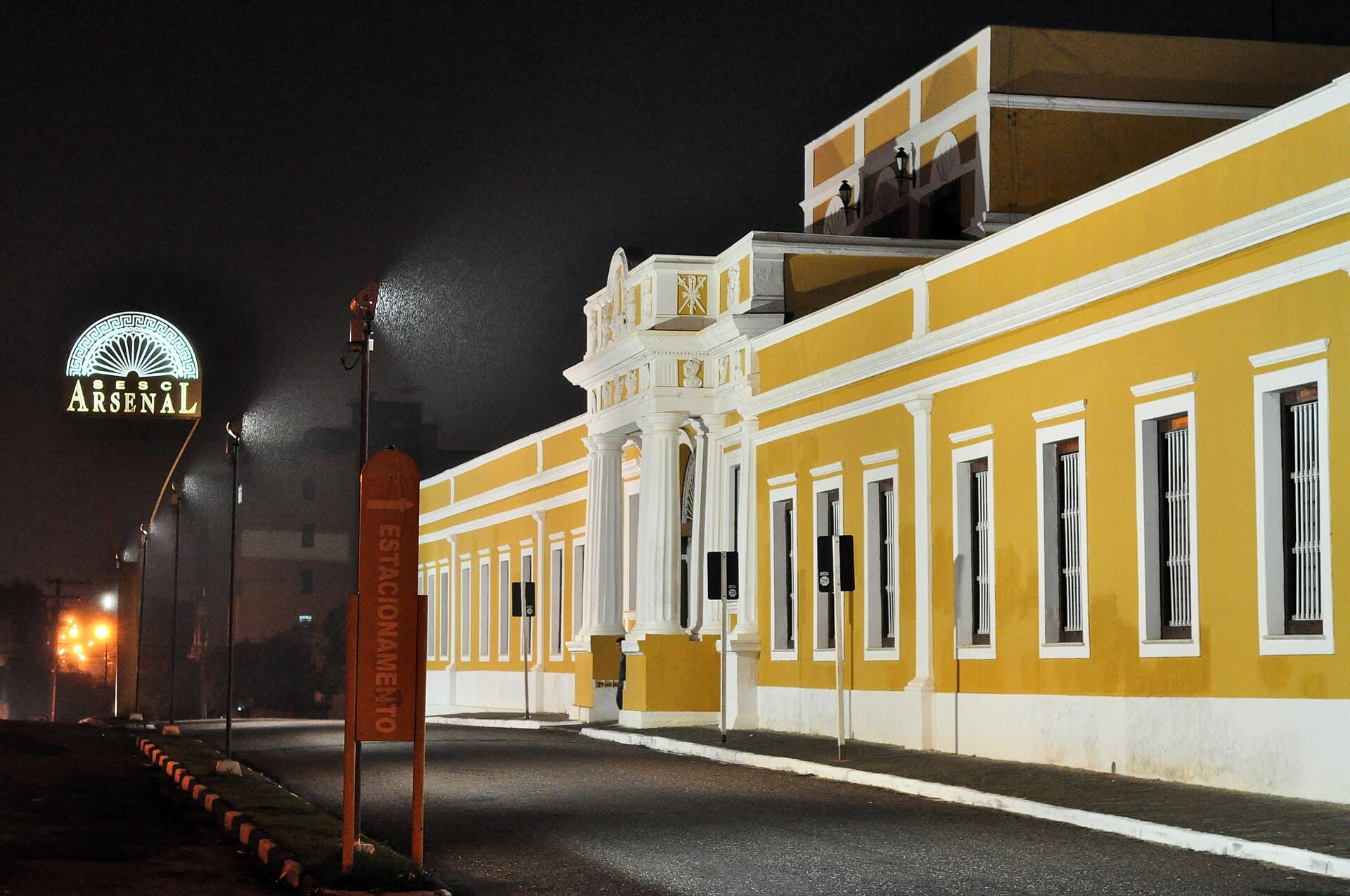 SESC ArsenalSESC Arsenal is a cultural centre in Cuiabá's old military arsenal. King João VI25 minutes walk4.9
After gold was found on the banks of the Prainha stream in 1722; it became a town in 1727.