
The Renaissance facade
Fine stone ornament and small turrets.
EEJCC — CC BY-SA 4.0 · Jwh — CC BY-SA 3.0 lu · Jwh — CC BY-SA 3.0 lu · Moncle — CC BY-SA 4.0
The Grand Ducal Palace is the working residence of the Grand Duke, Luxembourg's head of state, and it stands in the heart of the old town on a narrow street rather than in a park or behind gates — which alone says something about the size of the country and the nature of its monarchy. The building was originally the city hall, built in 1572 with a facade in the Flemish Renaissance manner: fine stone ornament, symmetrical windows and small turrets, among the handsomest survivals of that period's architecture in the country. It became the ruler's residence in the nineteenth century and was extended later. The palace is not a museum and cannot be visited year-round: it opens for guided tours in summer only, for a limited number of weeks while the family is away, and tickets are sold in advance and sell out. For the rest of the year the facade is seen free from the street, with a uniformed guard outside who changes with a short ceremony.
Fine stone ornament and small turrets.
A short ceremony seen free from the street.
17 Rue du Marche-aux-Herbes, 1728 Luxembourg
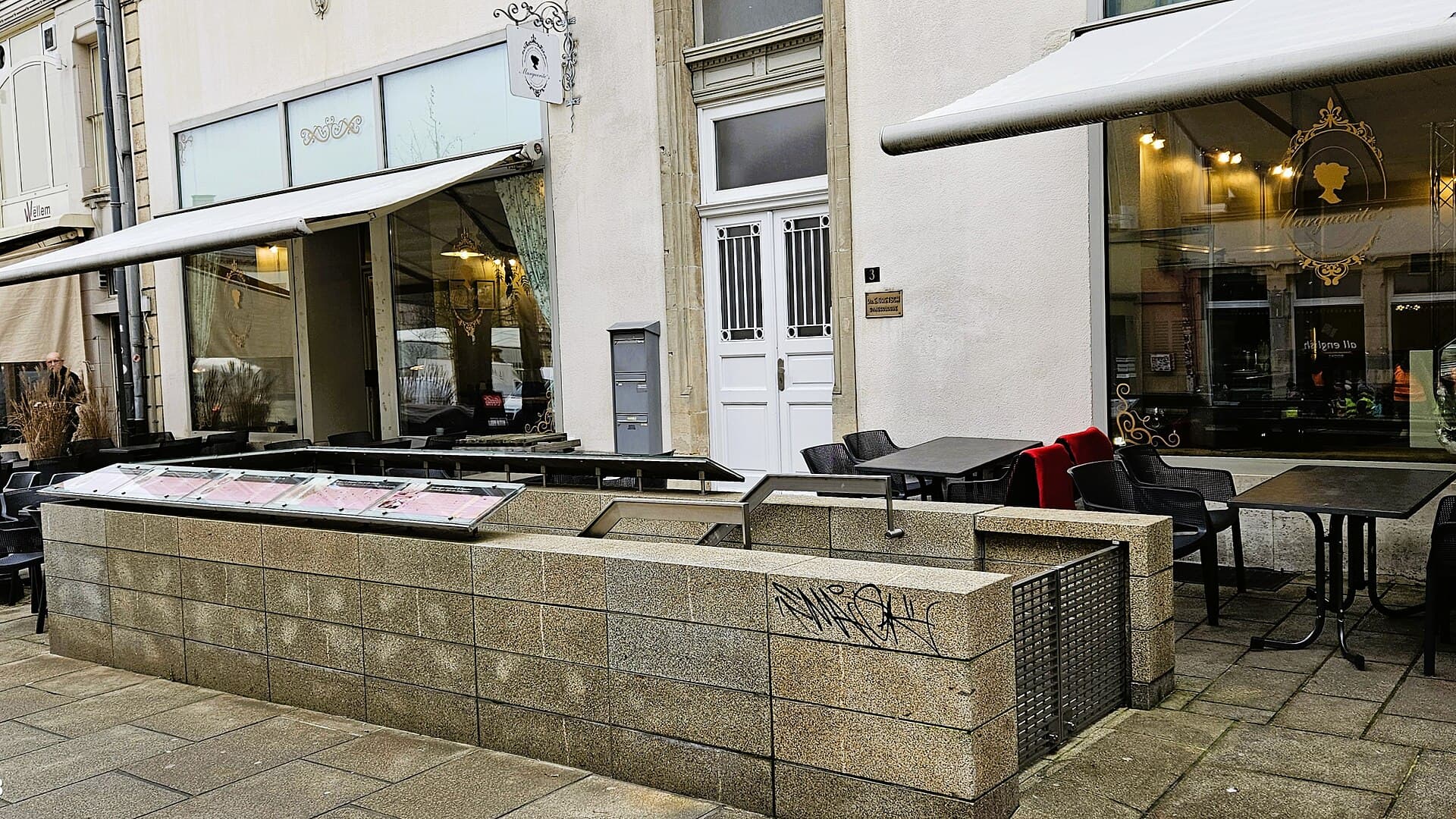 The Archaeological CryptAn underground archaeological chamber at the Bock promontory, showing the remain1 minute walk4.4
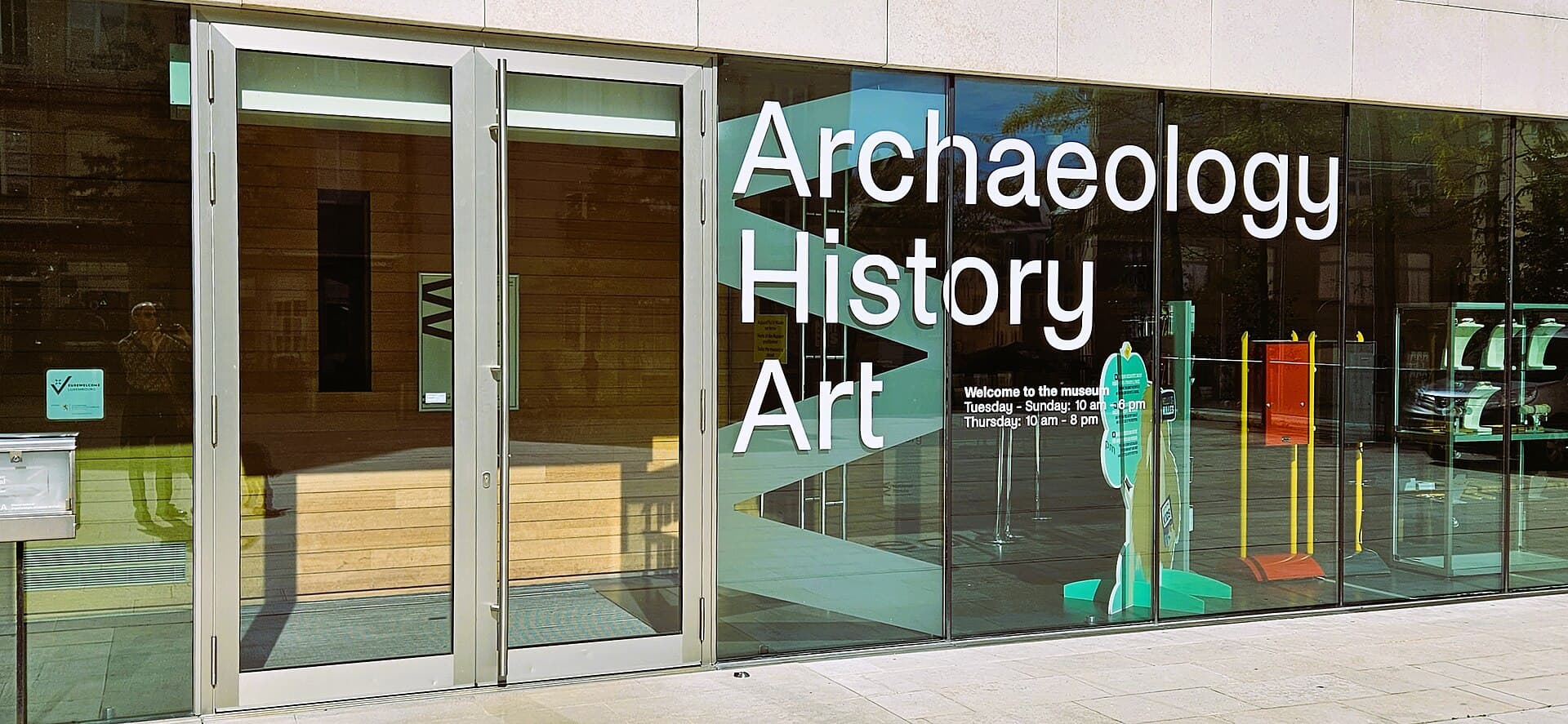 The National Museum of History and ArtThe National Museum of History and Art is Luxembourg's largest and most comprehe1 minute walk4.5
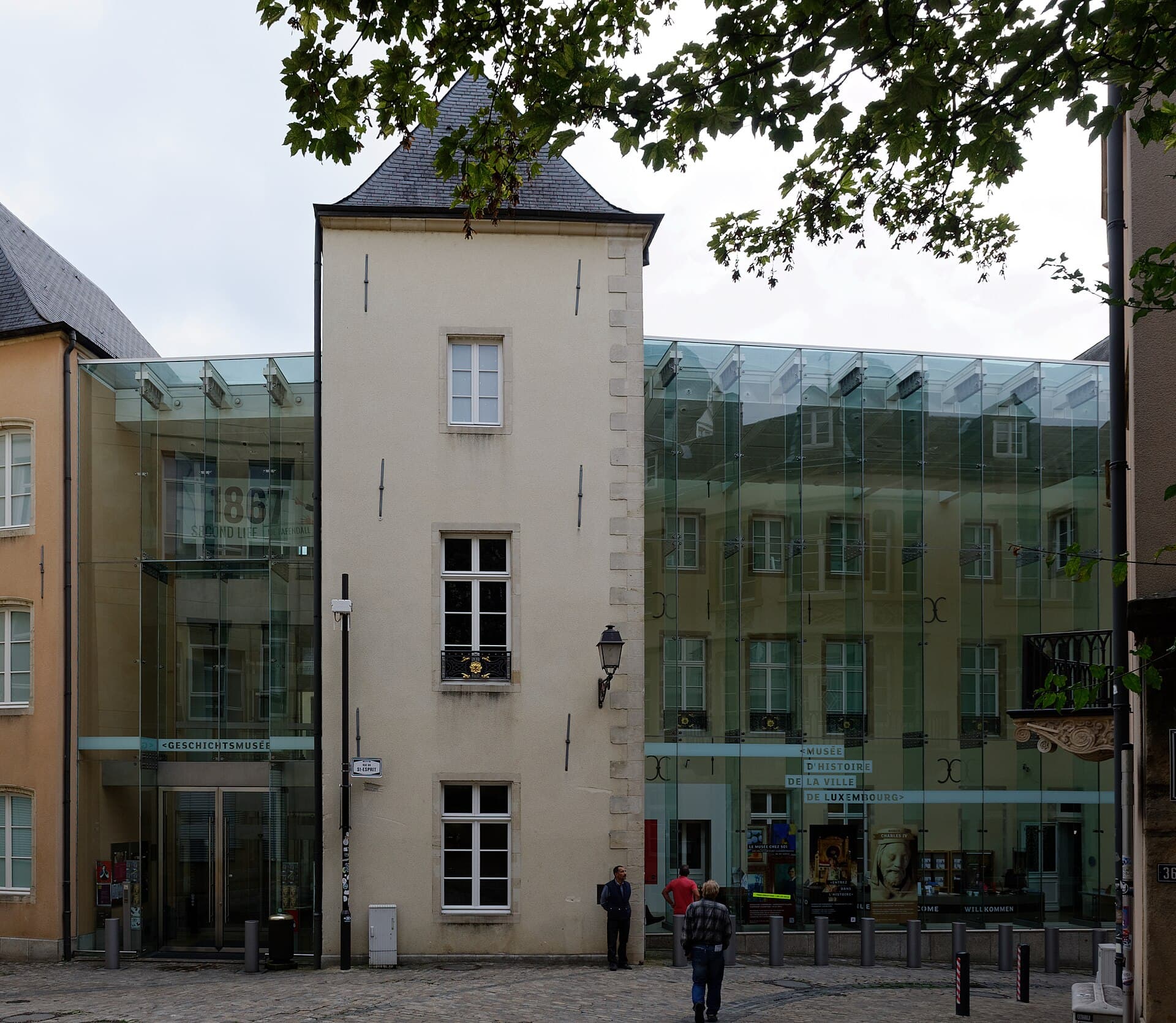 The Luxembourg City History MuseumThe City History Museum occupies four adjoining historic houses in the upper tow2 minutes walk4.7
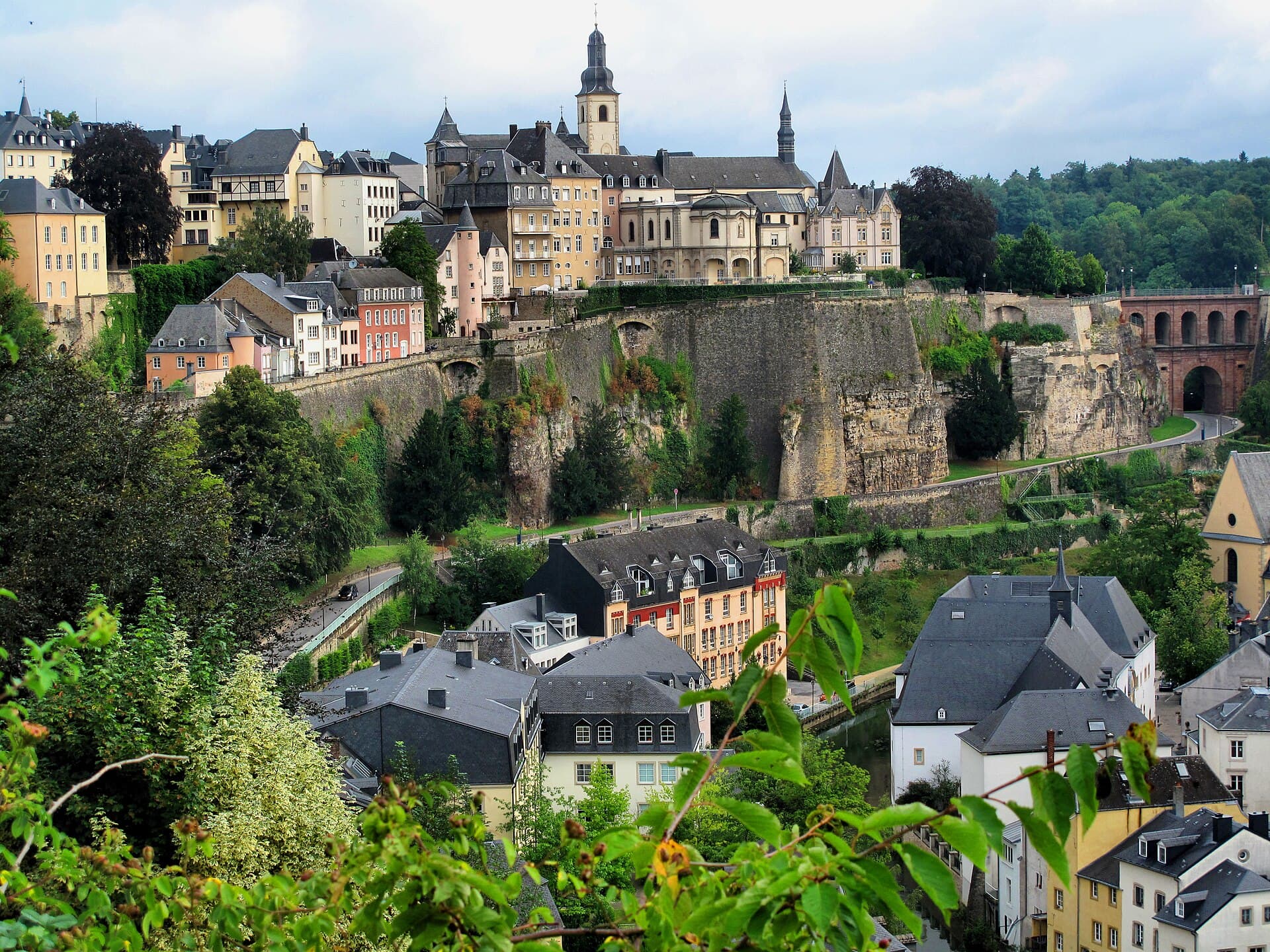 The Chemin de la CornicheThe Chemin de la Corniche is a short walk running along the top of the old rampa2 minutes walk
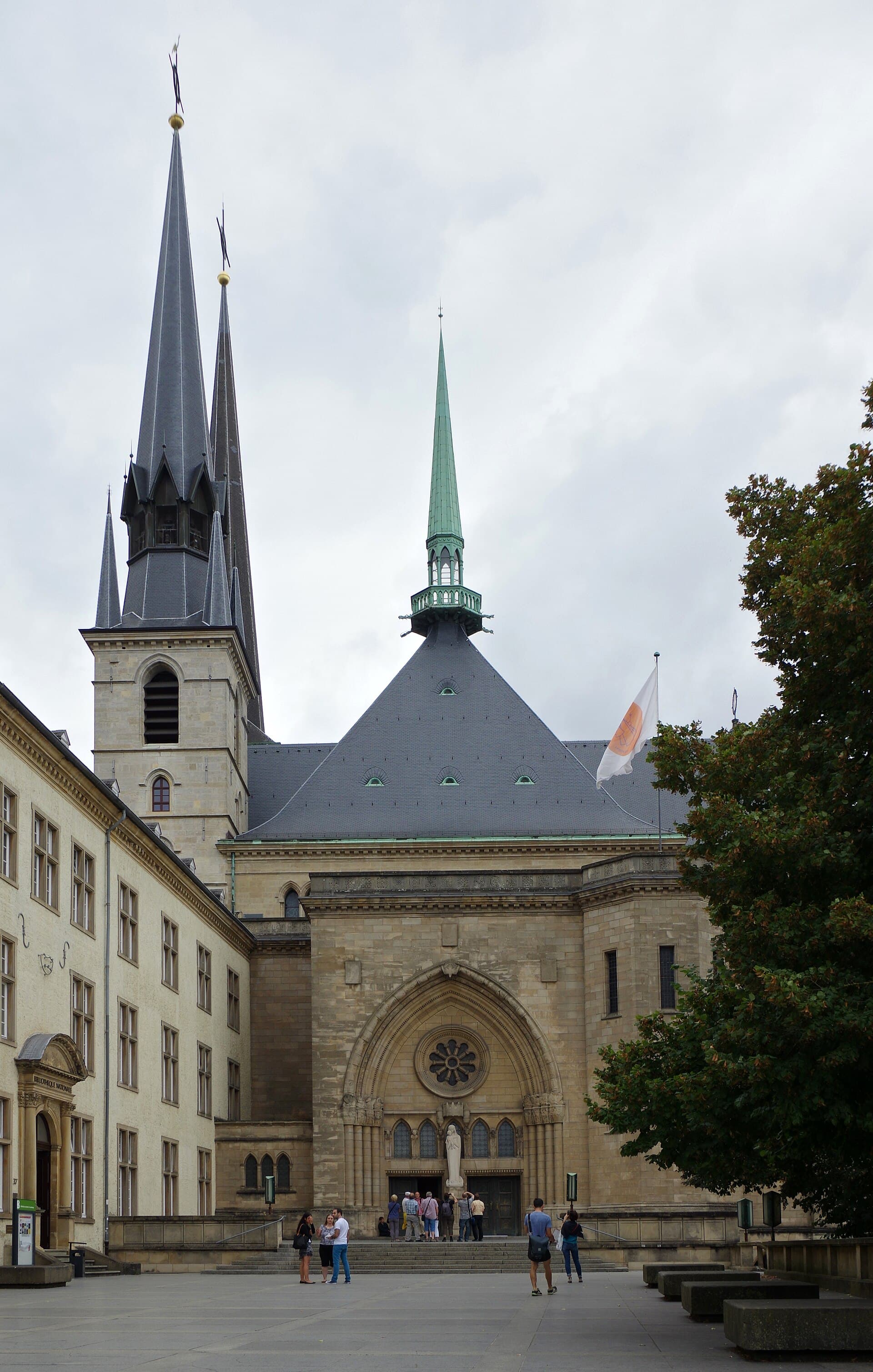 Notre-Dame CathedralNotre-Dame is Luxembourg's principal church, built originally in 1613 as the chu2 minutes walk4.5
A grand duchy ranks between a kingdom and a principality, and they were common in nineteenth-century Europe — Tuscany, Baden, Hesse, Finland and Lithuania were all grand duchies. All of them ended with the fall of empires and monarchies after the two wars, and Luxembourg alone remained. It is today the only sovereign grand duchy in the world, which is a genuine distinction rather than a mere title.