
The painted mural
A huge panel on the retaining wall shows the amphitheatre whole as it once stood, and it is what turns a stone hollow into something you can picture.
Nadia from Sydney, Australia — CC BY-SA 2.0 · Jeff Buck — CC BY-SA 2.0 · Jeff Buck — CC BY-SA 2.0 · Rept0n1x — CC BY-SA 3.0
The largest Roman amphitheatre yet found in Britain sits just outside the south-east corner of Chester's city walls, and much of it is still buried under later listed buildings. That paradox governs the whole visit: you are looking at a monument of real historical weight, but what is actually in front of you is a broad, low-walled hollow of red sandstone, not the tiered bowl of Rome or Verona. Arrive expecting the latter and you will be disappointed; arrive knowing what it is and you get a genuinely evocative quarter of an hour. The arena was built in the late first century AD for the legion garrisoned at the fortress of Deva Victrix, and it hosted gladiator fights, animal baiting and combat sports until around AD 350. It was then buried and forgotten so thoroughly that it was only stumbled upon in 1929, when garden works at Dee House turned up a long curved wall; digs from 1957 onwards uncovered the northern side, and a major excavation project between 2000 and 2006 re-examined it. Roughly two-fifths of the structure is now exposed: the arena wall, the entrances and the remains of a small shrine by the north gate. A large painted mural added to the retaining wall in 2010 completes the picture and shows how the building looked in its prime, which is frankly the single most useful thing on site for making sense of it. Entry is free with no gates, tickets or booking, and the site is open at any reasonable time during daylight all year under English Heritage's care. There are no facilities on the spot, but the historic centre with its shops and toilets is a few minutes' walk. The path around the excavation is level and pushchair-friendly; getting down onto the arena floor involves a handful of stone steps, and the edges are unfenced in places, so watch small children. Treat it as a stop on a walk of the walls rather than a destination in itself: come down from Newgate, pass the amphitheatre, then continue straight into the small Roman Gardens next door with their relocated columns and hypocaust remains, and finish at the River Dee. The ruined church of St John the Baptist faces you across the road, and the nearby Grosvenor Museum displays finds from the dig. In summer tour groups drift through, but as an open space it never truly gets crowded; in winter it stays open, though darkness falls around 16:00 and the stone can be slippery after rain.
A huge panel on the retaining wall shows the amphitheatre whole as it once stood, and it is what turns a stone hollow into something you can picture.
The remains of a small shrine by the north entrance, dedicated to Nemesis, goddess of retribution, to whom gladiators are thought to have appealed before stepping into the arena.
A small adjoining garden of relocated Roman columns and hypocaust remains that leads you down to the bank of the River Dee.
Little St John Street, Chester, Cheshire CH1 1RE
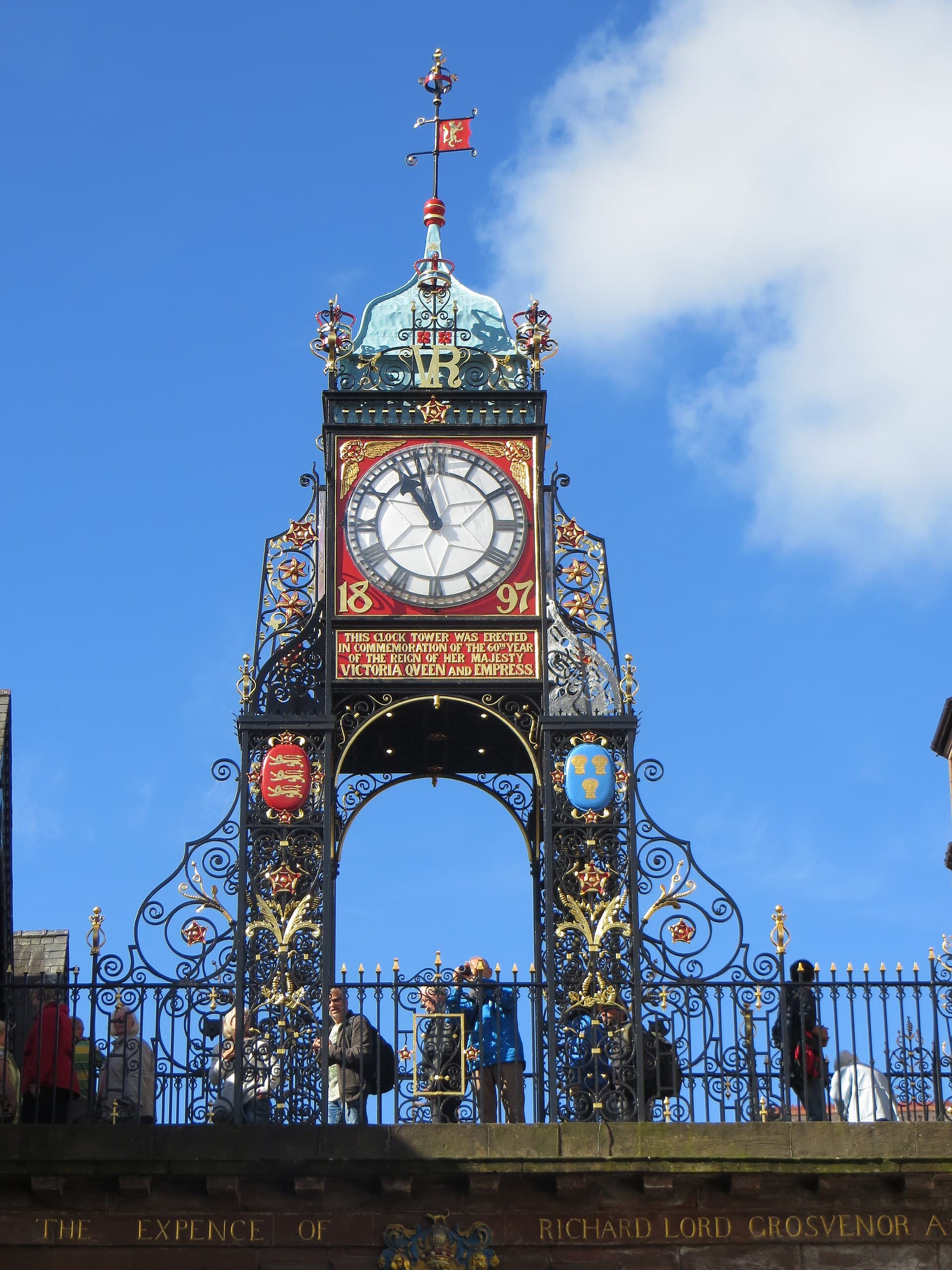 Eastgate ClockIt is said to be the most photographed clock in England after Big Ben, and the c3 minutes walk4.7
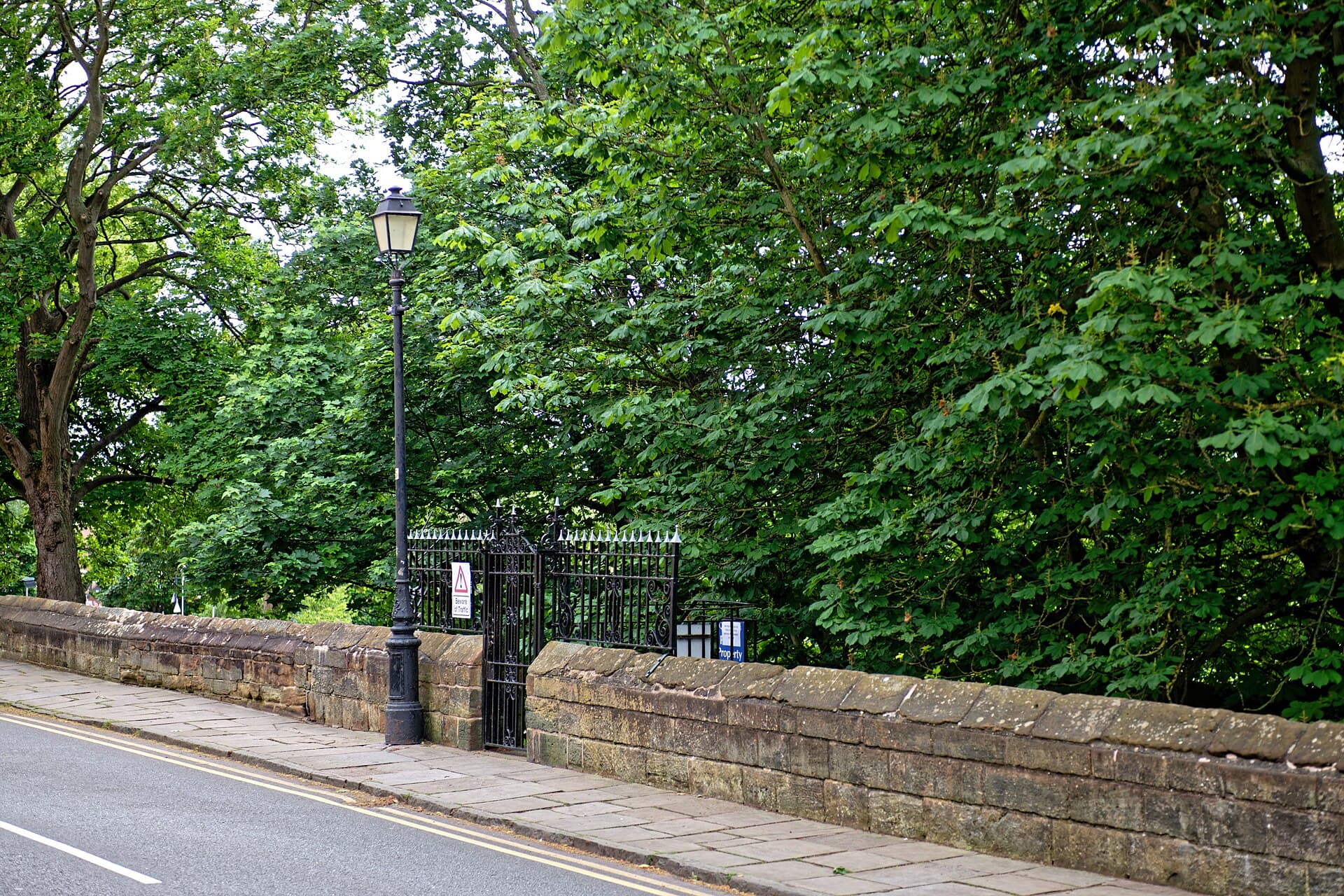 Chester City WallsNo other city in Britain has kept so complete a ring of walls. Nearly three kilo4 minutes walk4.6
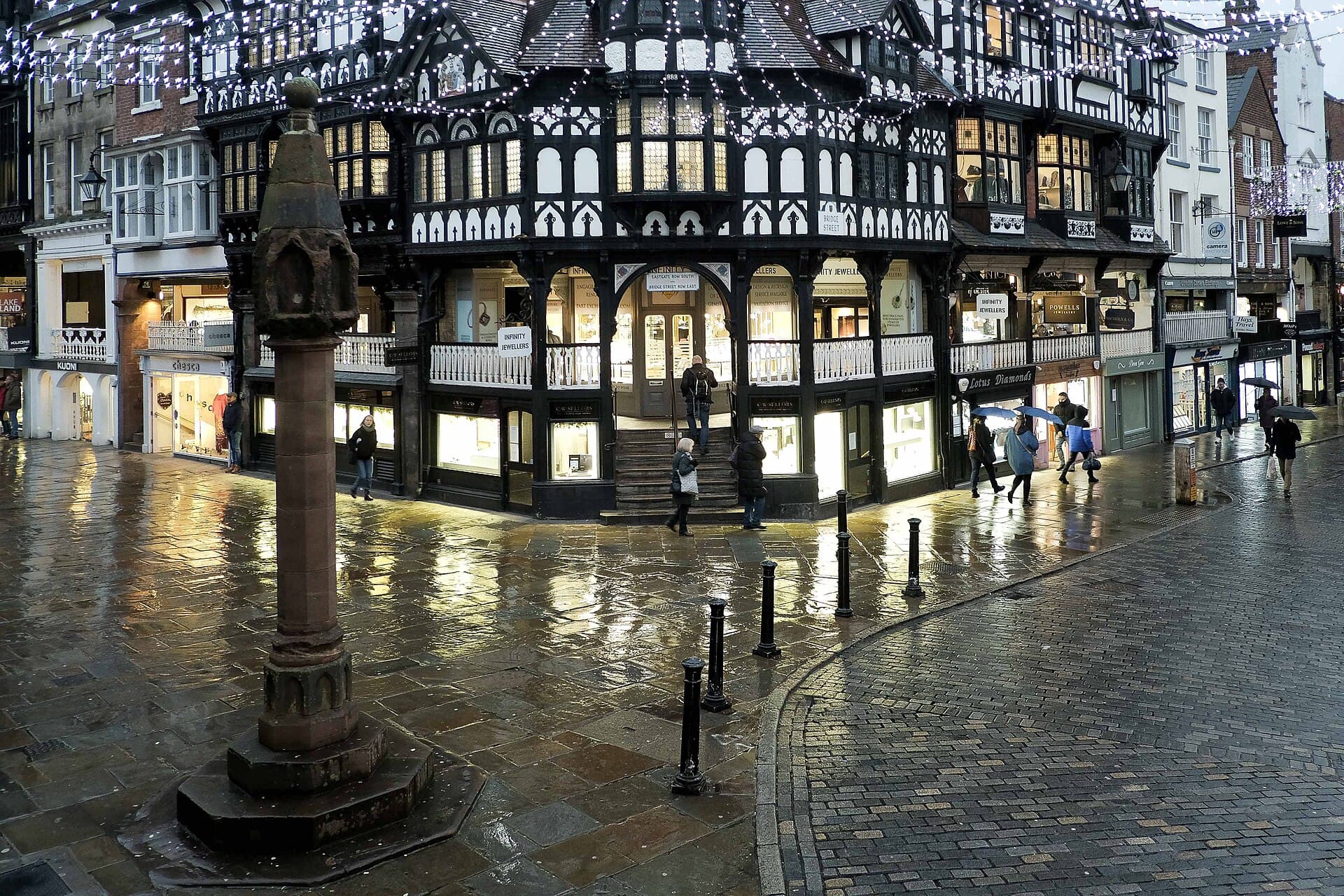 Chester CrossThe four streets that meet here were laid out by Roman soldiers roughly two thou4 minutes walk4.4
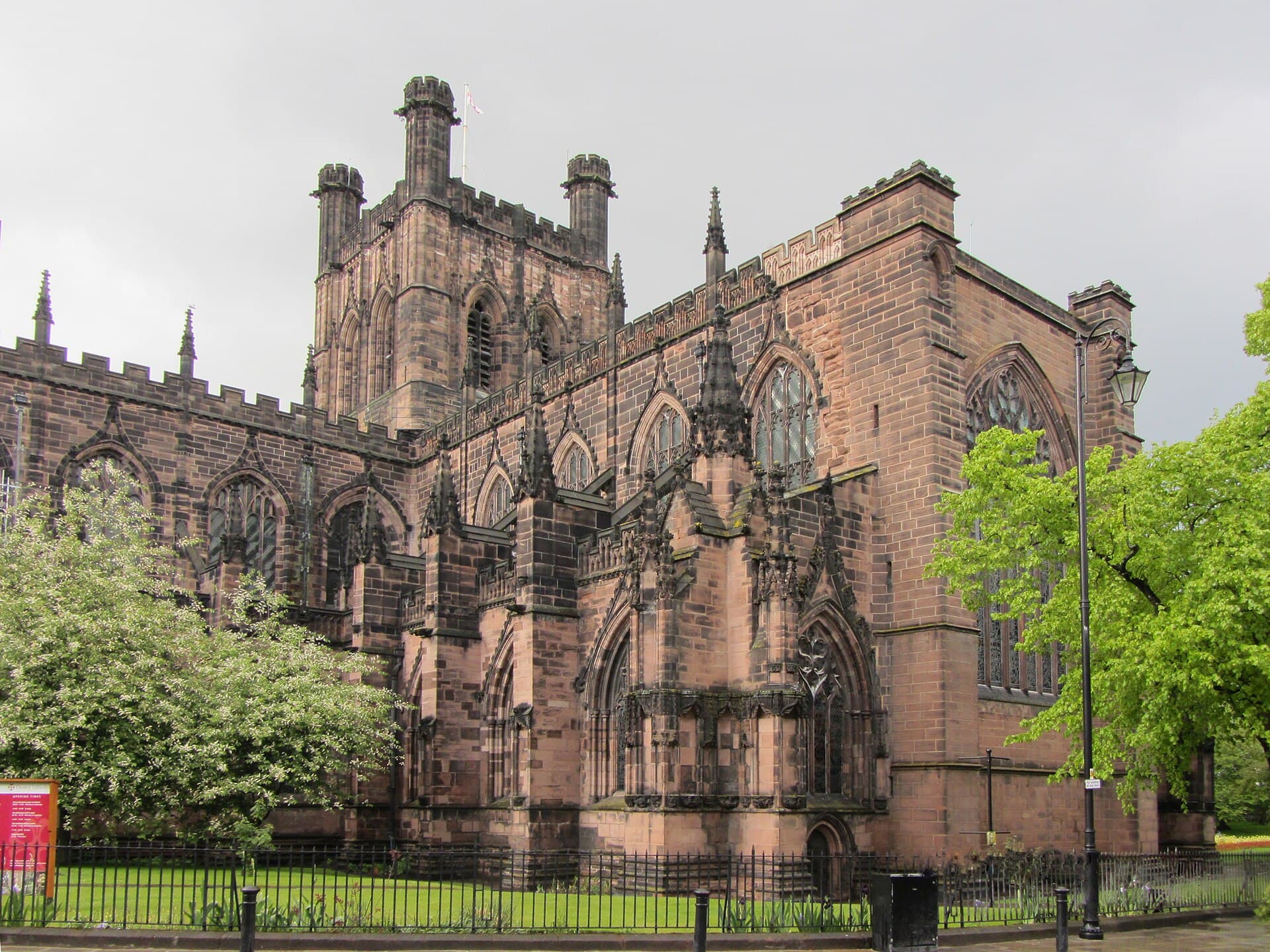 Chester CathedralIn a city known for its Roman walls and timber-fronted shopping galleries, the c5 minutes walk4.6
 Grosvenor ParkThree medieval stone archways stand on the lawns here with no walls attached to 5 minutes walk4.6
Honestly, it does not compare with the Colosseum or Jerash as a spectacle: there are no standing tiers here, just a low arena wall and an explanatory mural. But it is free and on your way from the walls to the river, so pass through for a quarter of an hour rather than setting aside separate time.
The path around the excavation is level and works with a pushchair, and children usually enjoy going down onto the arena floor, but that means a few stone steps and the edges are unfenced in places, so keep hold of little ones.