
The three relocated arches
Medieval archways rescued from demolished buildings and set on the lawns like stone pictures with no walls.
Łukasz Nurczyński — CC BY-SA 4.0 · Jeff Buck — CC BY-SA 2.0 · Jeff Buck — CC BY-SA 2.0 · Jeff Buck — CC BY-SA 2.0
Three medieval stone archways stand on the lawns here with no walls attached to them, salvaged from a nunnery, a church and a demolished city gate in the nineteenth century and re-erected as garden ornaments. That is the whole mood of Grosvenor Park: an old city deciding, in the Victorian age, to give itself an elegant pleasure ground on the slope above the River Dee, just outside its eastern walls. The 2nd Marquess of Westminster donated the land, the landscape designer Edward Kemp laid it out in 1865-66, and it opened in 1867. At roughly eight hectares it is regarded as one of the most complete Victorian parks surviving in England, which is why the register of historic parks upgraded it to Grade II* in 2013, after a restoration costing about £3.6 million that finished in 2014. What a short circuit gives you: long straight avenues ending in a view over the river, formal bedding planted in nineteenth-century style, a white marble statue of the Marquess by Thomas Thornycroft, and a timber-framed lodge by the local architect John Douglas, built for the park keeper and now a small cafe by the gate. Billy Hobby's Well sits under another Douglas canopy, and there is a children's play area and wheelchair-accessible toilets. Entry is free and the park opens daily from 08:00 to 20:00 from 1 May and to 18:00 from 1 November, with hours that can shift on event days. Two things earn it a place on a family itinerary. The first is a 7.25-inch gauge miniature railway on a short loop, running at weekends and in school holidays for a token fare, which is reason enough for children to lose half an hour here. The second is the Grosvenor Park Open Air Theatre, run by the Storyhouse arts organisation: a theatre-in-the-round built in the park every summer, its season usually running from early July to early September — 3 July to 6 September in 2026 — with tickets from £22.50, or £20.25 for Storyhouse members, seating reserved and street food on site. Be aware that there is a licensed bar on the site, and that evening shows can finish around ten o'clock or later in air that turns cold even in August, so bring a jacket. Honesty requires saying that this is not a destination to travel for, but a pleasant pause to slot into a day in Chester. Enter from the Eastgate and you are here in five minutes on foot; pass the Roman amphitheatre and the ruins of St John's church next door, then drop down to The Groves promenade along the riverbank. There is no parking inside the park, and the nearest multi-storeys are a few minutes away around Pepper Street. Paths are surfaced, but the slope towards the river at the southern end is hard work with a pushchair or wheelchair; take the gentler eastern side down to the water instead.
Medieval archways rescued from demolished buildings and set on the lawns like stone pictures with no walls.
A short loop running at weekends and in school holidays, for a fare that barely registers.
Kemp's straight avenues end at the river, from where you drop to The Groves promenade and the summer boats.
Grosvenor Park Road, Chester CH1 1QQ
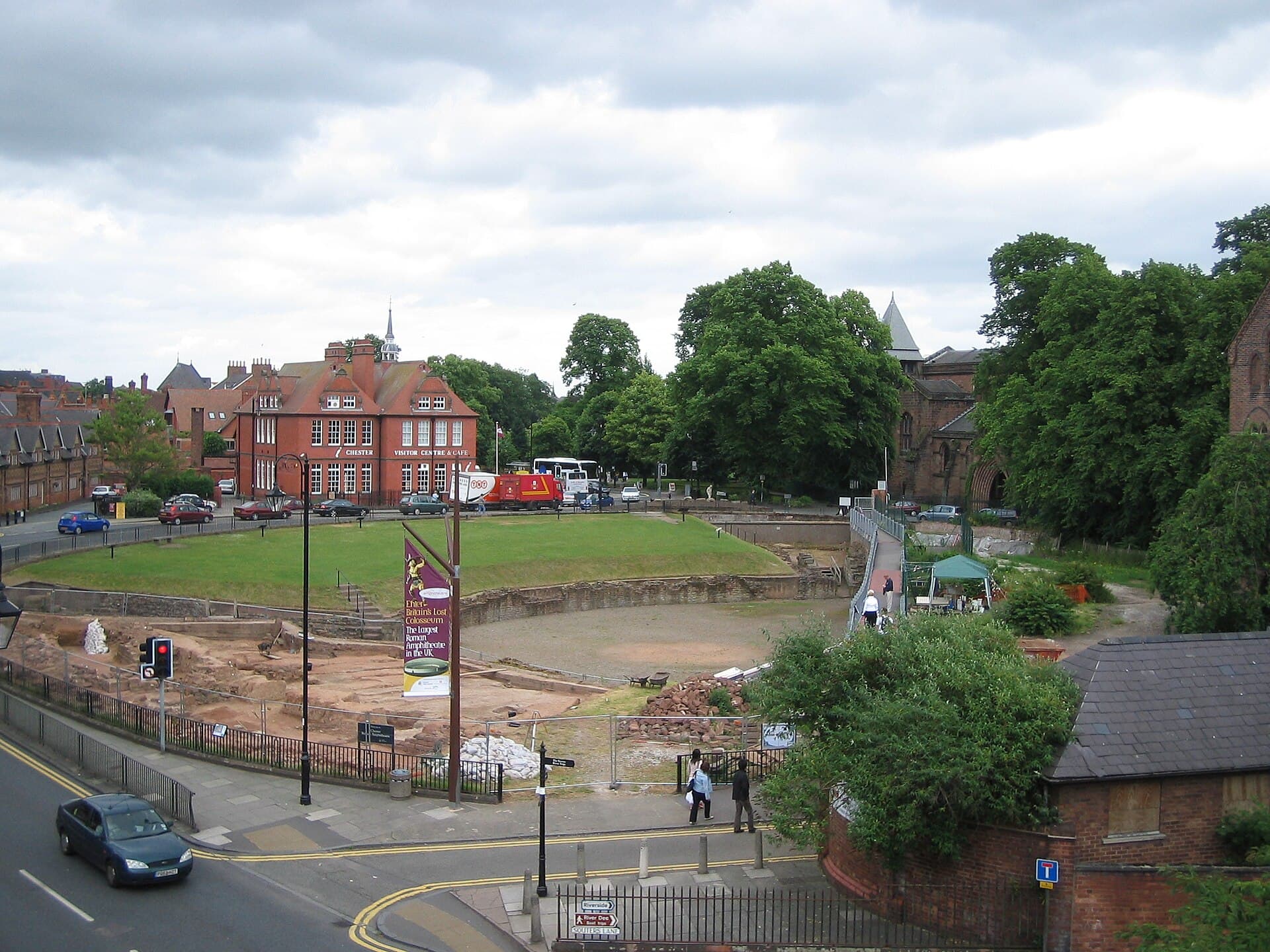 Chester Roman AmphitheatreThe largest Roman amphitheatre yet found in Britain sits just outside the south-5 minutes walk4.4
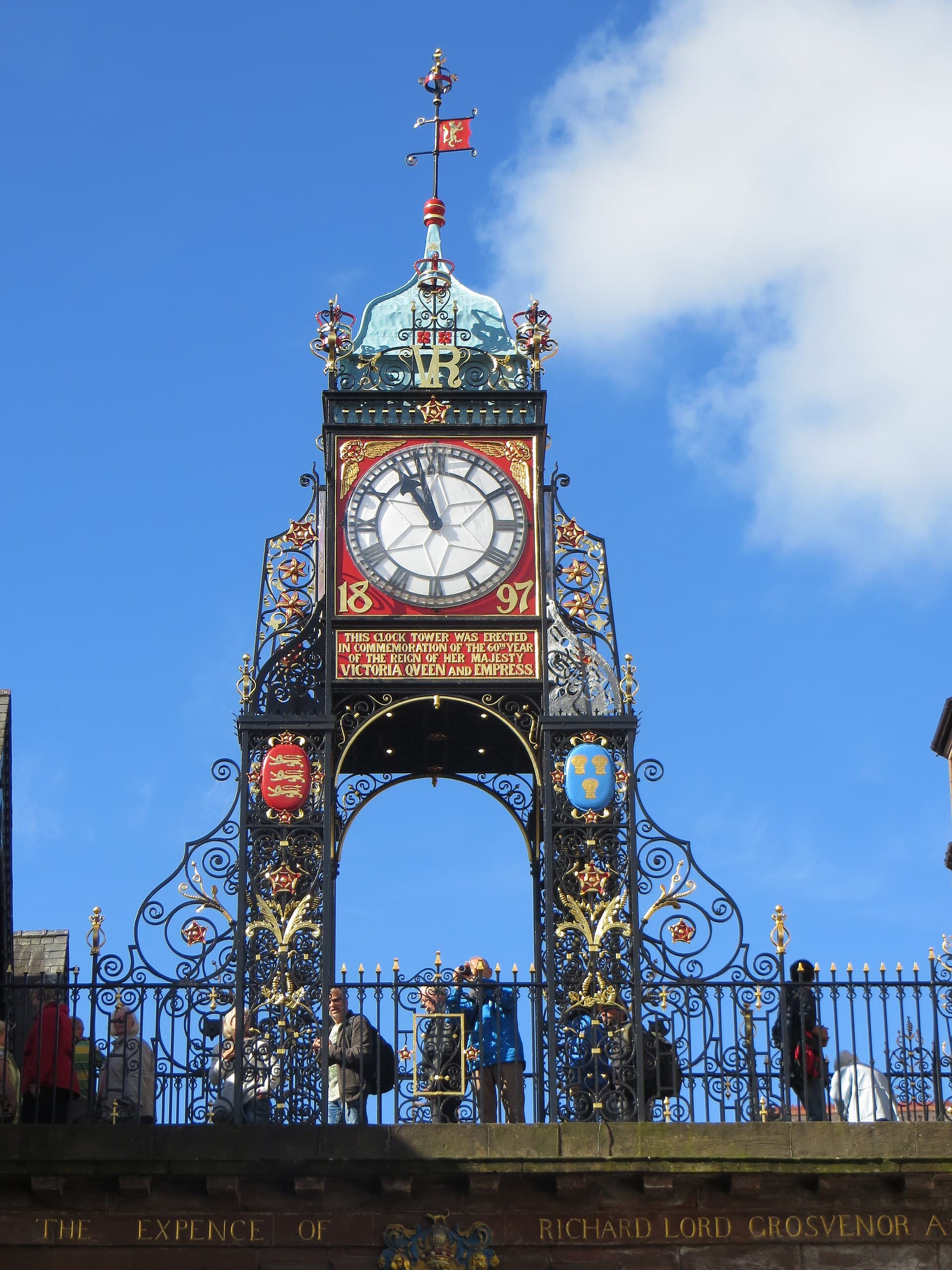 Eastgate ClockIt is said to be the most photographed clock in England after Big Ben, and the c6 minutes walk4.7
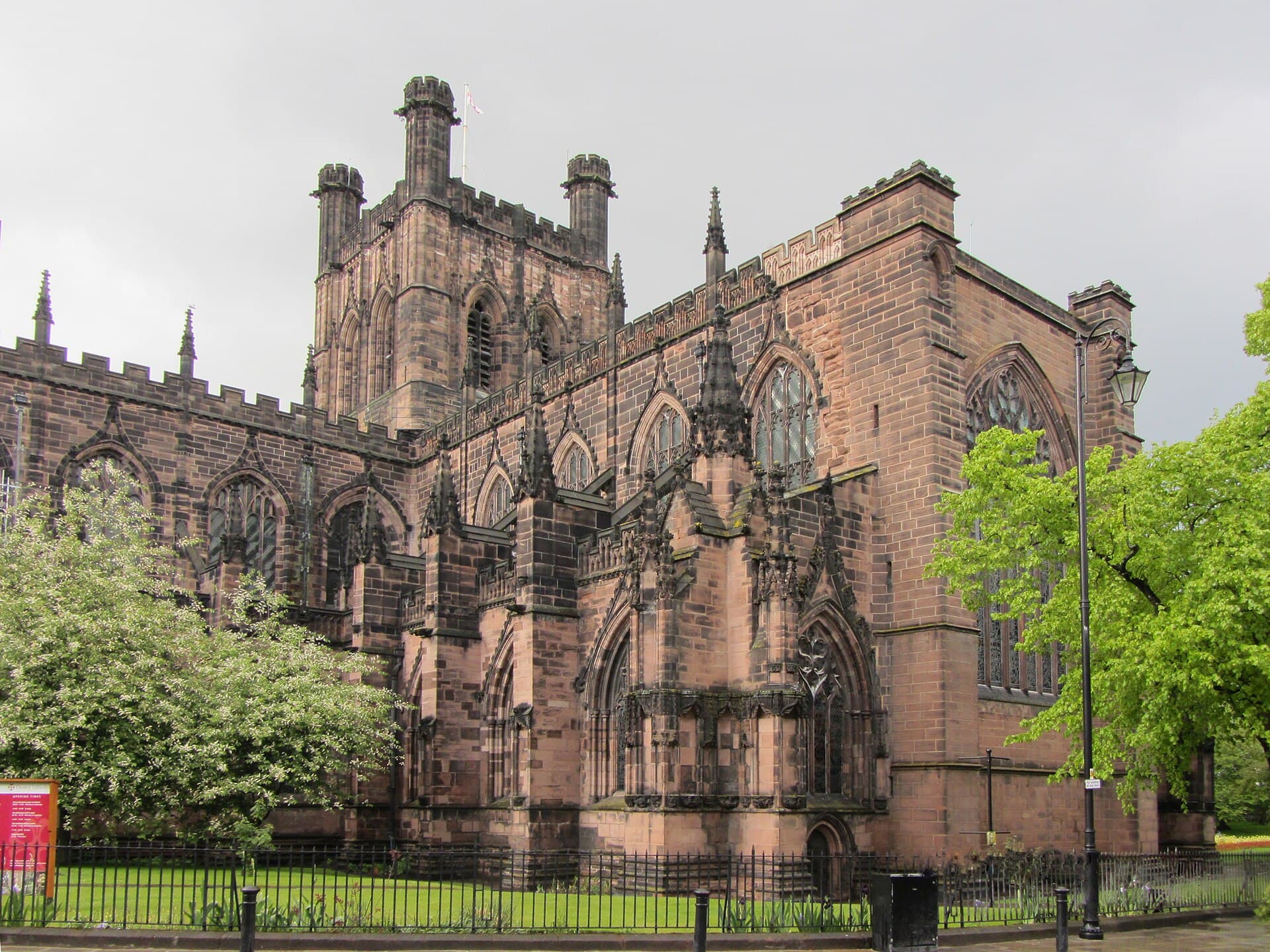 Chester CathedralIn a city known for its Roman walls and timber-fronted shopping galleries, the c8 minutes walk4.6
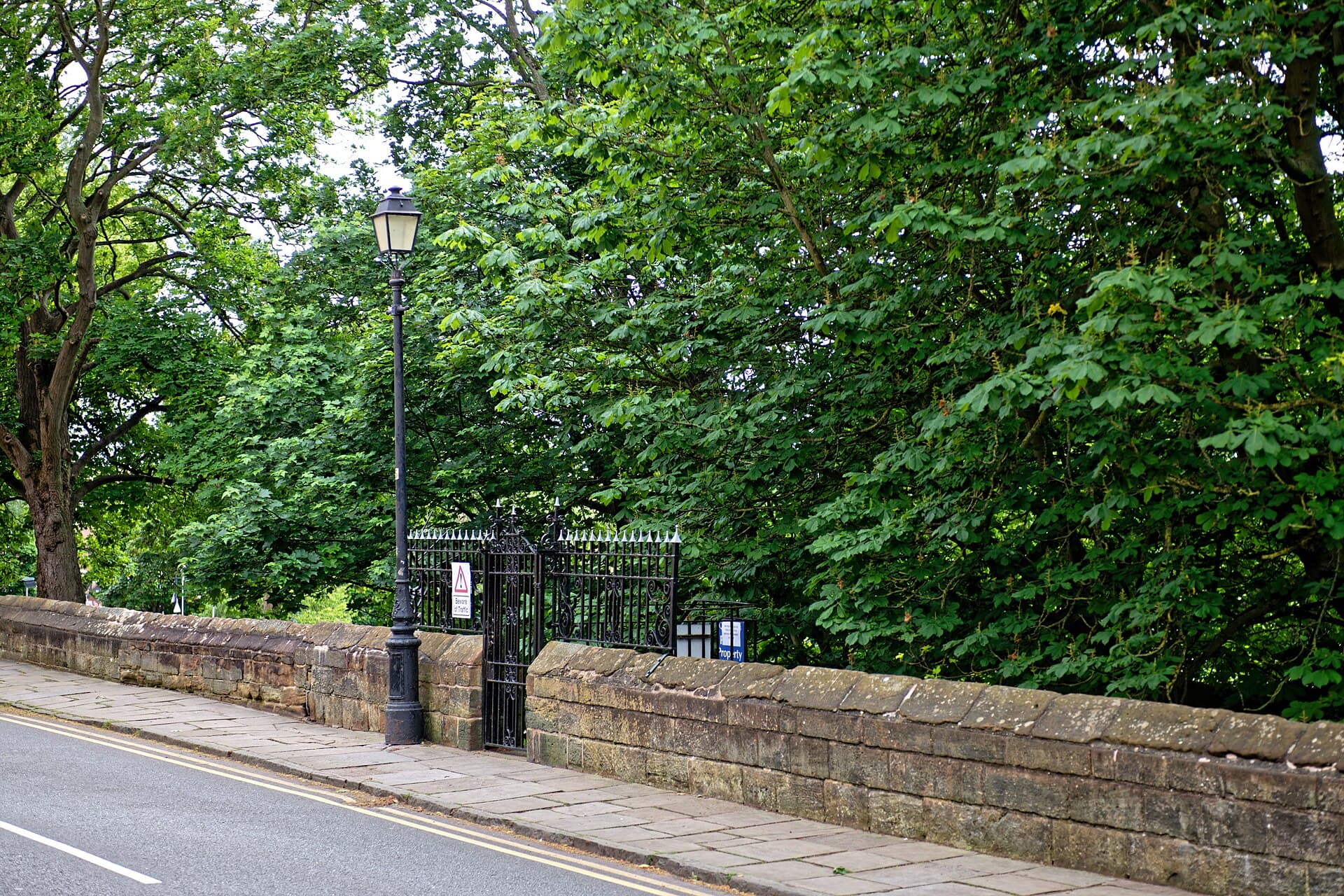 Chester City WallsNo other city in Britain has kept so complete a ring of walls. Nearly three kilo8 minutes walk4.6
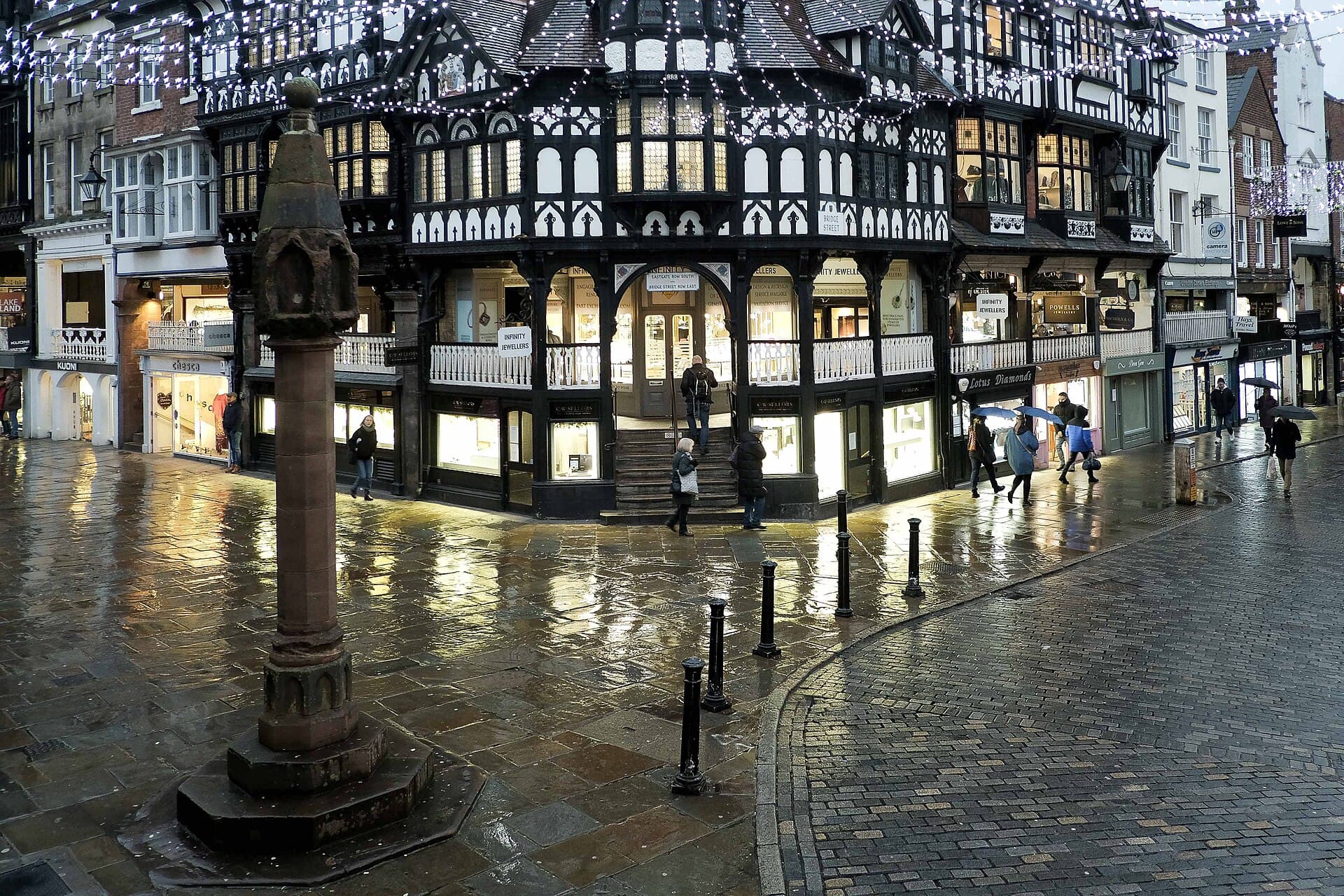 Chester CrossThe four streets that meet here were laid out by Roman soldiers roughly two thou8 minutes walk4.4
Do not make it a priority. In half a day put the walls, the covered Rows and the cathedral first, and if you end up near the Roman amphitheatre step in for a quarter of an hour before dropping to the riverbank. With children on a weekend or in school holidays it matters more, because of the railway and the play area.
It depends on the production. Some summer shows are aimed at families and others are not, so check the age guidance on the Storyhouse site before booking. Seating is reserved and there is food on site, and you may bring your own snacks and soft drinks though not your own alcohol, but there is a licensed bar, and evening shows finish around ten or later in air that cools quickly.