
The shot from the wall
Climb the steps beside the arch to stand alongside the clock with Eastgate Street laid out below.
Alex Liivet from Chester, United Kingdom — CC0 · Tilman2007 — CC BY-SA 4.0 · Tilman2007 — CC BY-SA 4.0 · Jeff Buck — CC BY-SA 2.0
It is said to be the most photographed clock in England after Big Ben, and the claim is easy to believe once you see why: it stands on top of a red sandstone arch that carries the city walls over Eastgate Street, on the site of the eastern gate of the Roman fortress of Deva Victrix, founded here almost two thousand years ago. Look up from anywhere along the street and it sits in your frame, above the black-and-white timbered fronts of the Rows. The arch is older than the clock. It was rebuilt with three arches in 1768-69 at the expense of Richard Grosvenor, the first Earl Grosvenor; the clock only arrived in 1899, a memorial to Queen Victoria's diamond jubilee of 1897, designed by Chester's best-known architect, John Douglas, and paid for by a local solicitor, Edward Evans-Lloyd. Four faces sit on an openwork iron pavilion under a small copper cupola, with a movement made in 1897 by J. B. Joyce and Co. of Whitchurch in Shropshire, and it was started on 27 May 1899, Queen Victoria's eightieth birthday. Joyce sent a technician to Chester every week to wind it by hand until 1974; an electric movement took over in 1992, and in 1996 the faces were restored in their original colours. Gate and clock are Grade I listed together. Everything is free and in the open, around the clock, with nothing to enter or book. The classic shot is taken from the middle of the street with the clock overhead; the better one is from above. A short flight of stone steps beside the arch brings you onto the wall walkway, where you stand beside the clock at the foot of its tower and look straight down Eastgate Street. There is no lift at this point, so pushchairs cannot follow, but walking children will enjoy the wall far more than the clock itself. Take it for what it is: a ten- or fifteen-minute stop, not a destination, but the natural start of the full walls circuit (roughly three kilometres, about an hour with stops) and two minutes on foot from the cathedral and the Cross at the heart of the city. In the summer holidays the street below fills with shoppers; in December the streets are lit for Christmas and daylight is short, so take your photograph before four in the afternoon.
Climb the steps beside the arch to stand alongside the clock with Eastgate Street laid out below.
Four faces on openwork iron under a copper cupola, a memorial to Queen Victoria's 1897 diamond jubilee, started in 1899.
The natural starting point for the full loop of the most complete Roman and medieval city walls in Britain, about an hour on foot.
Eastgate Street, Chester CH1 1LE
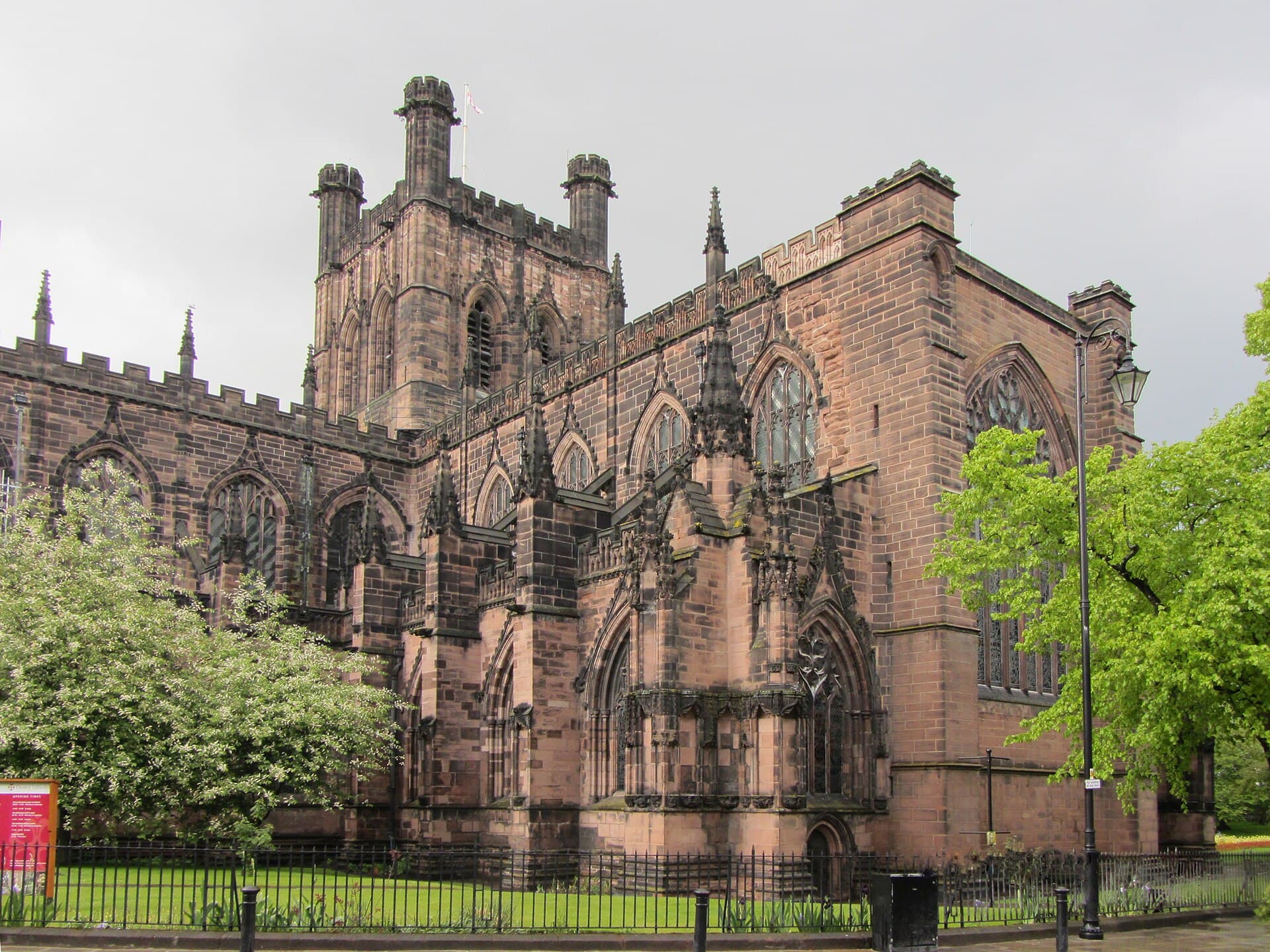 Chester CathedralIn a city known for its Roman walls and timber-fronted shopping galleries, the c2 minutes walk4.6
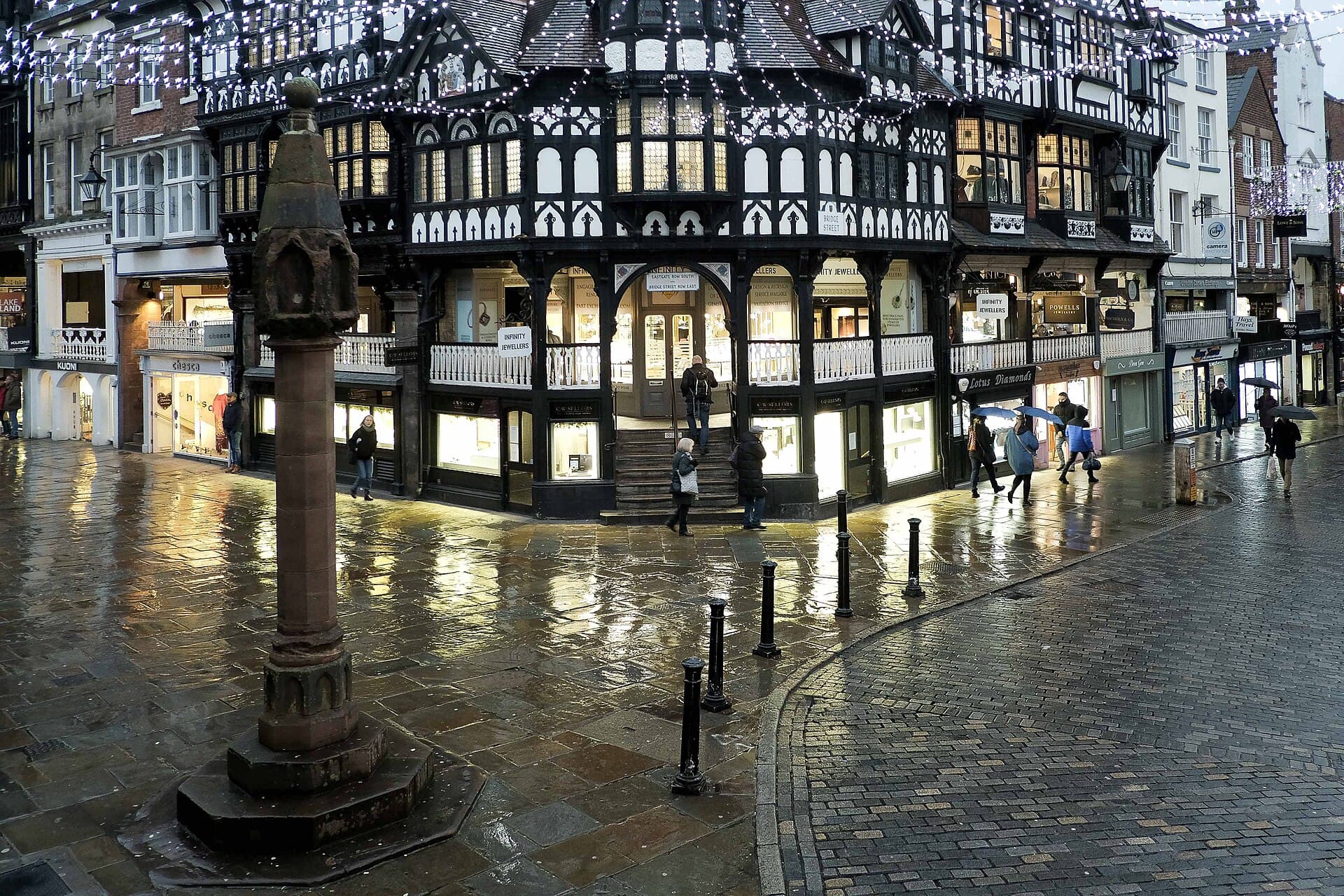 Chester CrossThe four streets that meet here were laid out by Roman soldiers roughly two thou2 minutes walk4.4
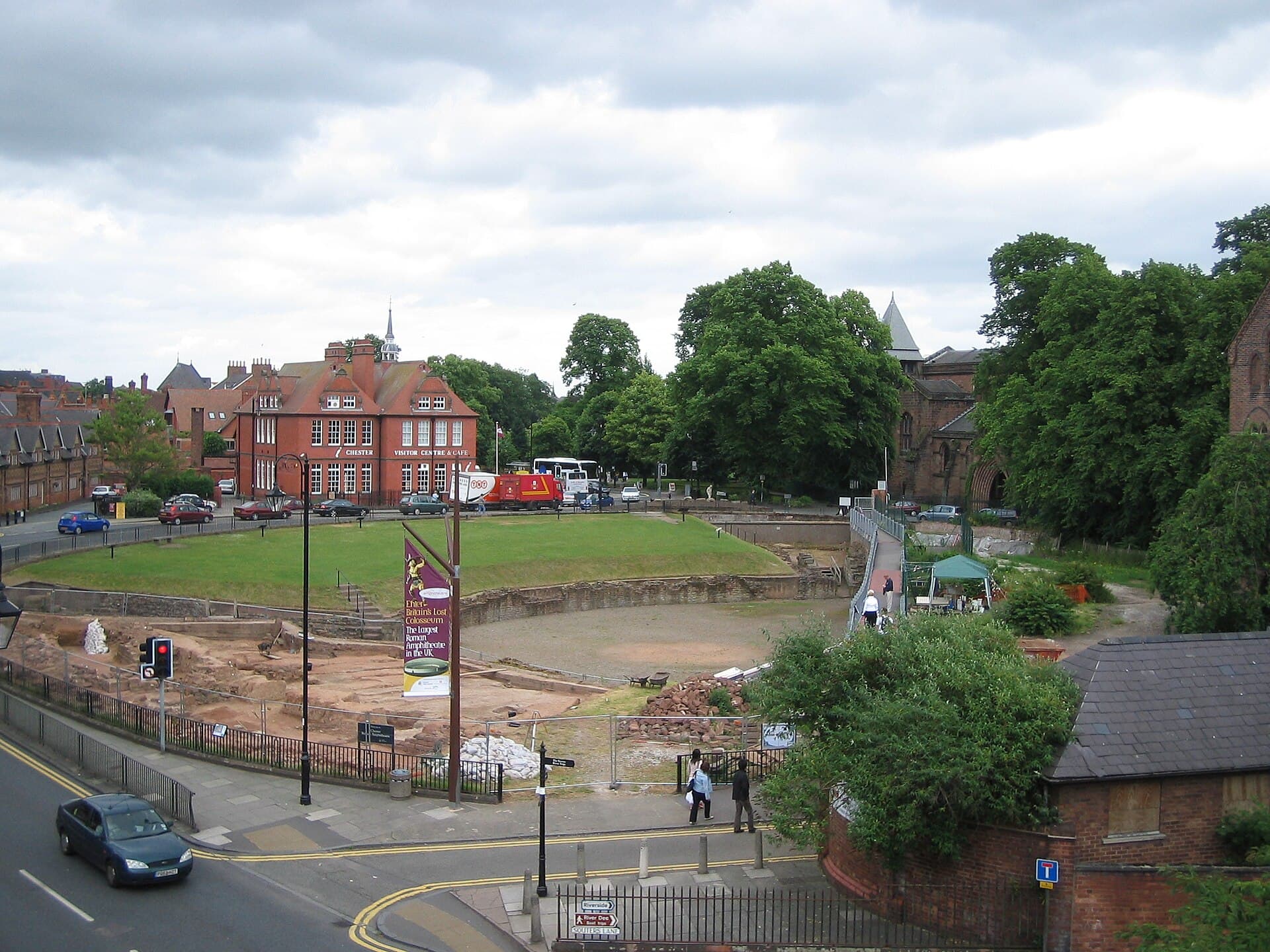 Chester Roman AmphitheatreThe largest Roman amphitheatre yet found in Britain sits just outside the south-3 minutes walk4.4
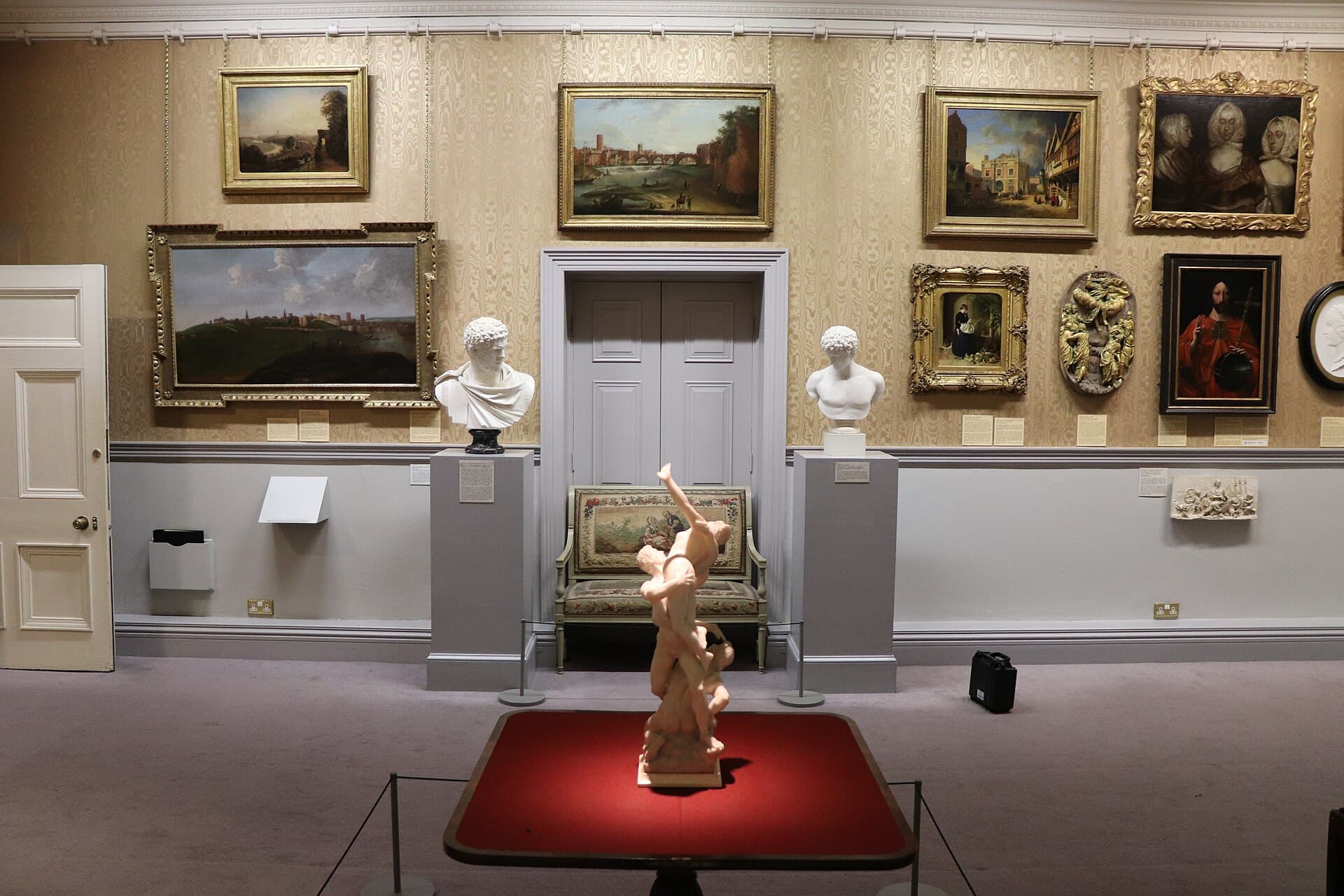 Grosvenor MuseumWhen Victorian workmen opened up a stretch of Chester's north wall in the late n6 minutes walk4.3
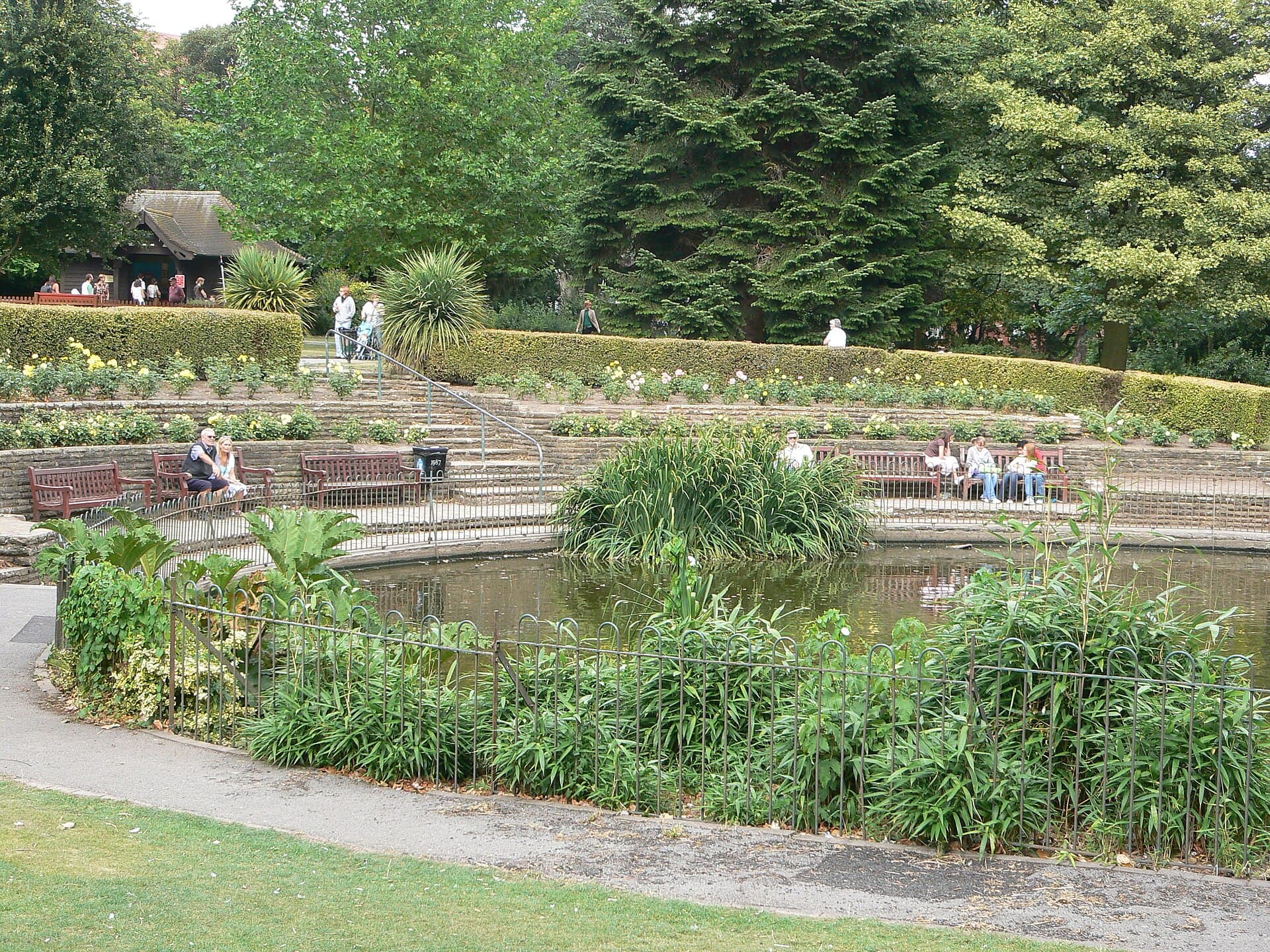 Grosvenor ParkThree medieval stone archways stand on the lawns here with no walls attached to 6 minutes walk4.6
You will pass it. Do not plan it as a destination; it sits over the main shopping street and you will walk under it on any wander between the cathedral and the Rows. Give it ten minutes for the photo from the wall, then carry on round the walls circuit if you have an hour spare.
No. The clock itself is closed to visitors; what you climb is the adjoining wall walkway, by stone steps only at this gate and with no lift, so pushchairs and wheelchairs cannot get up here, though other stretches of the wall are easier to reach. Children of walking age manage the steps easily.