
The façade
Eclectic style, 1908.
Antonio Donioli — CC BY-SA 4.0 · Photograph by Mike Peel (www.mikepeel.net). — CC BY-SA 4.0 · Dennis G. Jarvis — CC BY-SA 2.0 · Marinelson Almeida - Traveling through Brazil from Niteroi, Brasil — CC BY 2.0 · Dennis G. Jarvis — CC BY-SA 2.0
The National Museum of Fine Arts fills an eclectic-style building on Avenida Rio Branco, designed in 1908 by the Spaniard Adolfo Morales de los Ríos for the School of Fine Arts, next to the Theatro Municipal on Cinelândia square. The museum was founded in 1937 and opened in 1938, but its collection goes back further: when the Portuguese court moved to Rio in 1808, King John VI brought part of the royal collection with him, and most of it stayed in Brazil after he left. The collection holds more than 20,000 paintings, sculptures, drawings and prints, the richest anywhere in 19th-century Brazilian art, alongside European works and a library of about 19,000 titles. The building was listed as national heritage in 1973. After six years closed for restoration, the museum has reopened only a small part: the second plaster-cast gallery, free to enter, with the full reopening planned for late 2026. Until then the ornate façade is worth a look from the street, and the full visit is worth saving for when the works end.
Eclectic style, 1908.
Brazil's richest collection.
The part open now.
Avenida Rio Branco 199, Centro (Cinelândia), Rio de Janeiro
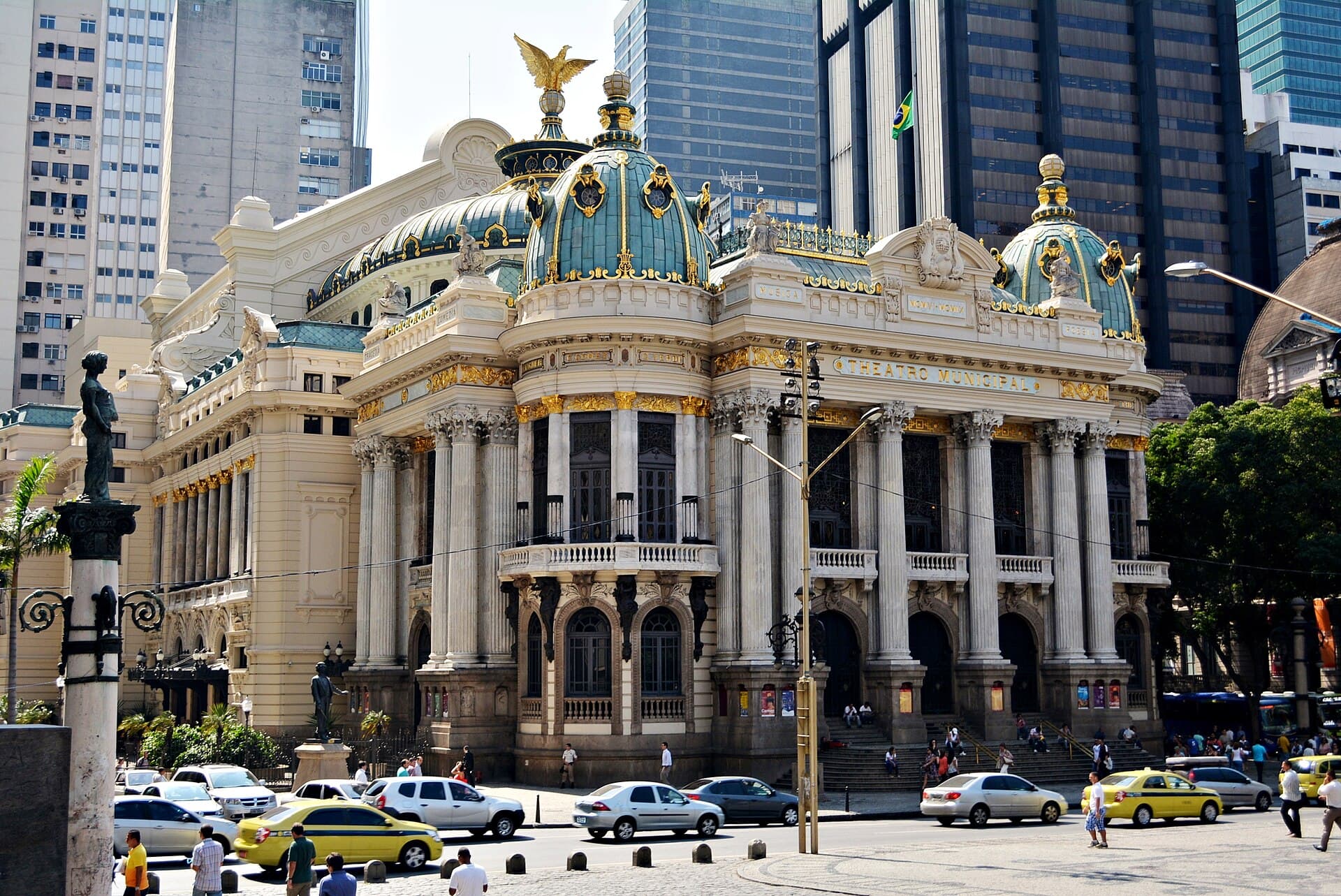 Theatro Municipal, Rio de JaneiroThe Theatro Municipal is one of Brazil's most beautiful and important theatres, 1 minute walk4.9
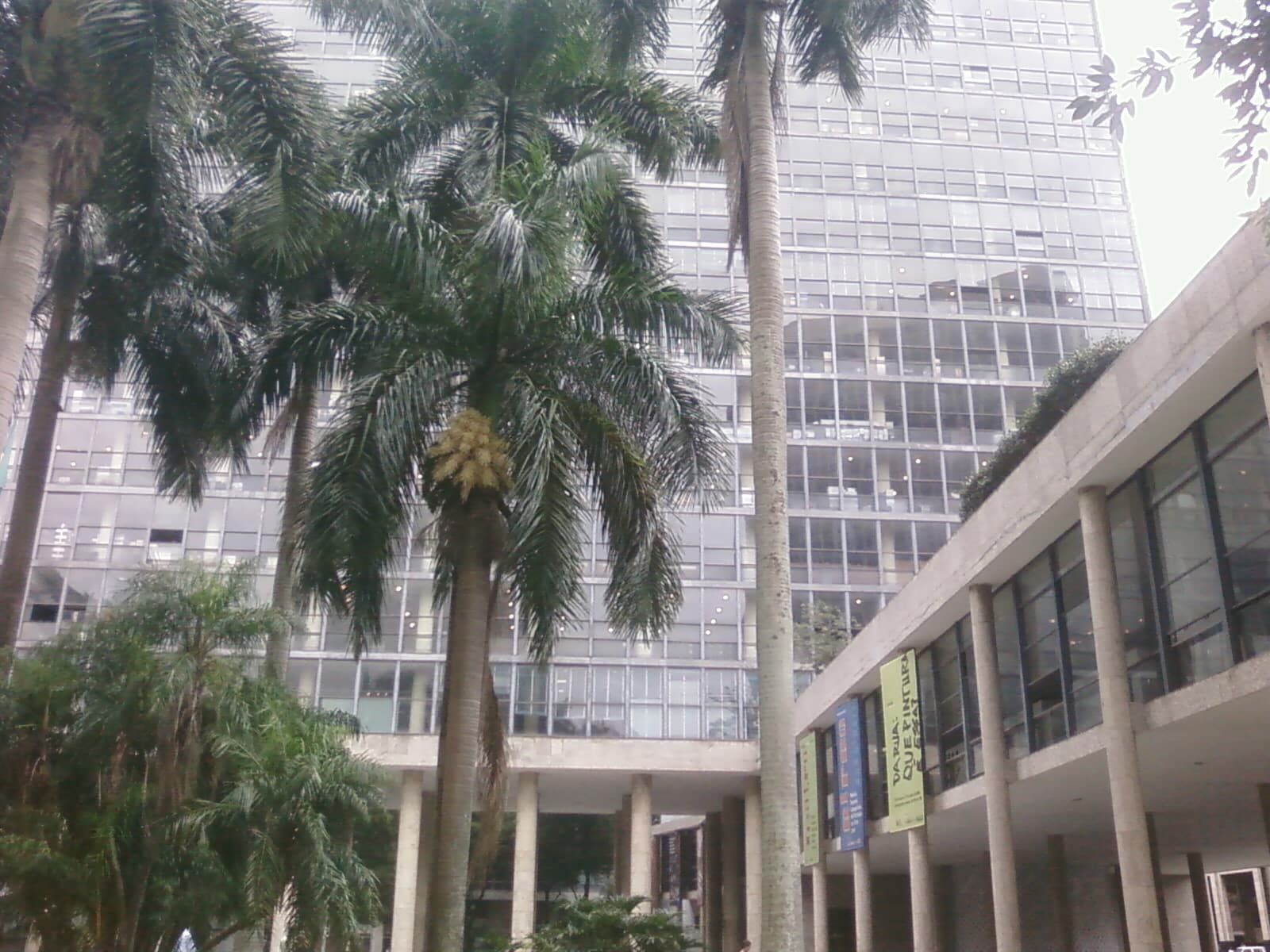 Gustavo Capanema PalaceThe Gustavo Capanema Palace, known to architects as the Ministry of Education an3 minutes walk4.4
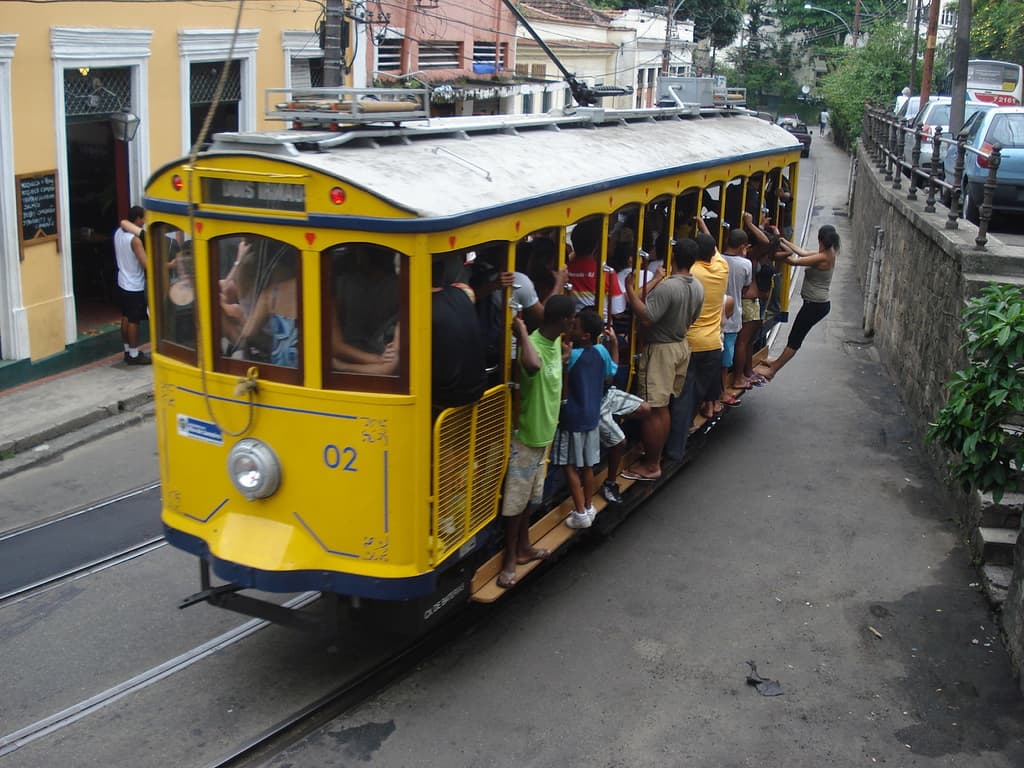 Santa Teresa Tram (Bondinho)The Santa Teresa Tram, the yellow bondinho, is a historic tram line climbing fro4 minutes walk4.4
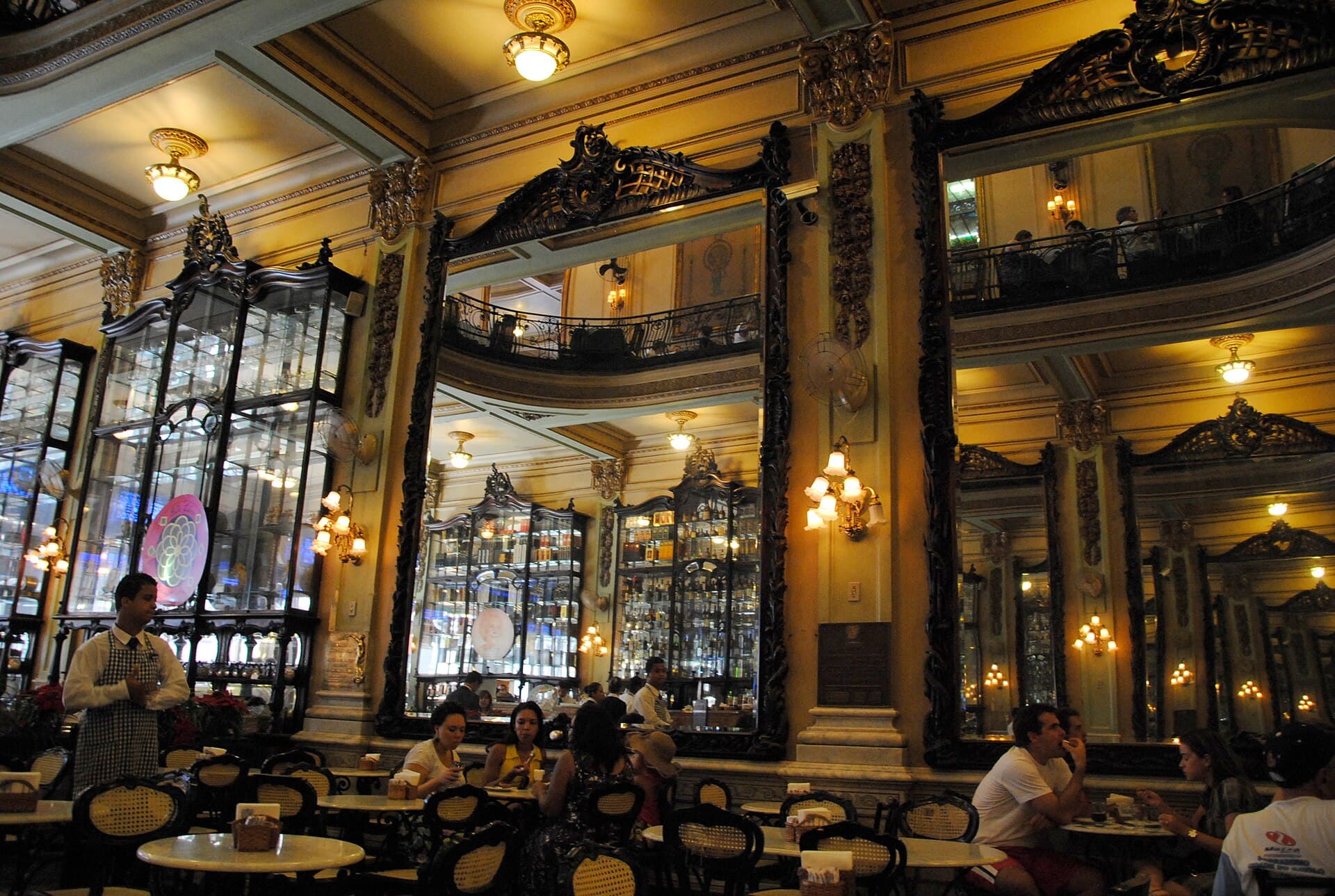 Confeitaria ColomboConfeitaria Colombo is a historic café and pastry shop in central Rio, founded b6 minutes walk4.3
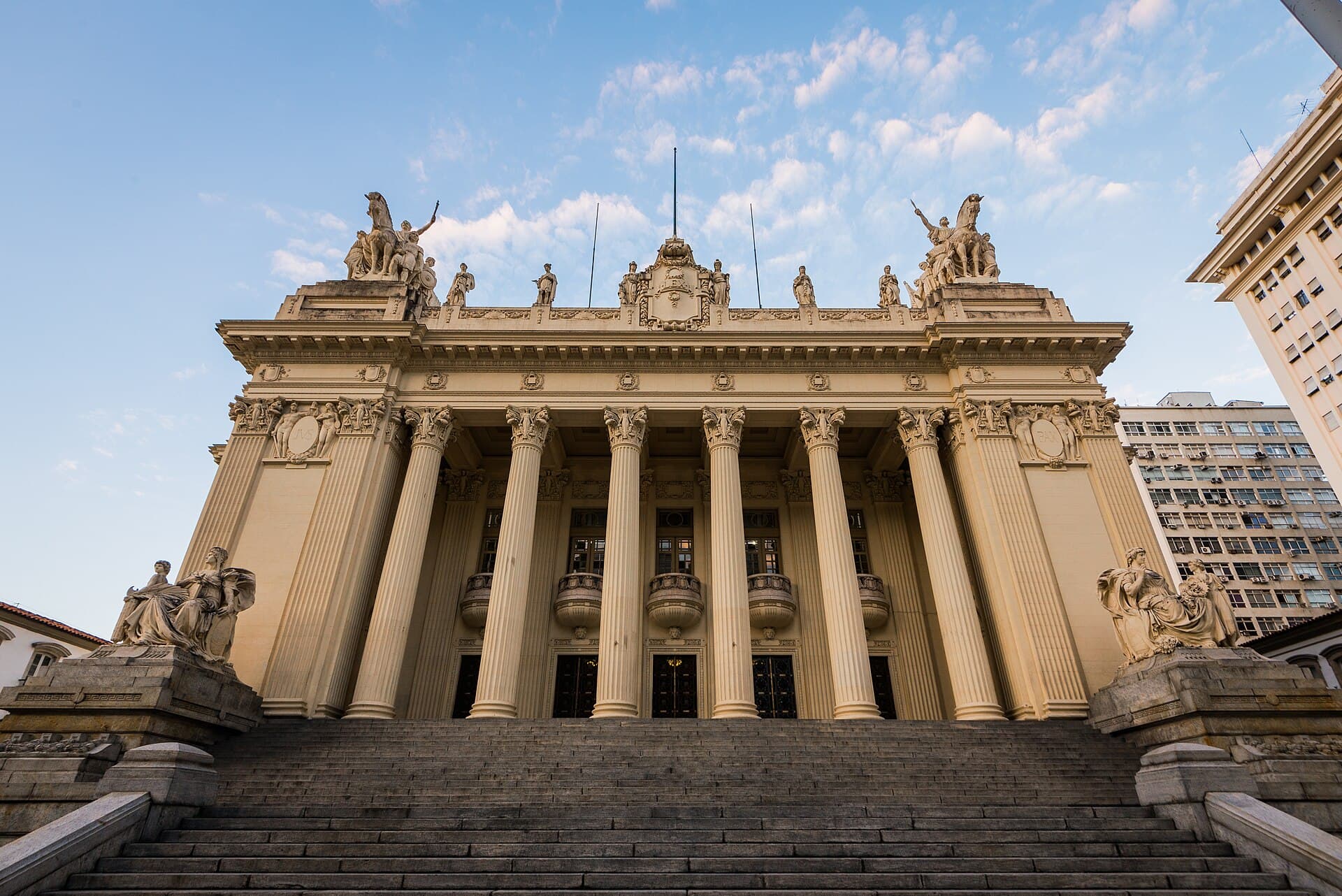 Palácio TiradentesThe Palácio Tiradentes opened on 6 May 1926 on the site of the Casa de Câmara e 7 minutes walk4.7
Only partly: the second plaster-cast gallery is open and free, and the full reopening is planned for late 2026.