
Lemko icons
From wooden churches in villages emptied of their people and gone.
Cancre — CC BY-SA 3.0 · Michał Bulsa — CC BY-SA 4.0 · Michał Bulsa — CC BY-SA 4.0 · Bornholm — CC BY-SA 4.0
A Renaissance palace on Kanonicza street directly below Wawel hill, a branch of the National Museum showing old Polish art and Orthodox art. The street itself deserves mention: Kanonicza is among Kraków's oldest and finest, lined with medieval and Renaissance canons' houses, and it is the natural route up to Wawel. Karol Wojtyła lived on it for years. The display has two parts. The first is Polish art from the twelfth to the eighteenth century: wood sculpture, folding altarpieces and church painting. The second — and rarer — is among the most important collections of Orthodox art in central Europe: icons from south-eastern Poland, from areas inhabited by the Lemkos and Boykos, Orthodox and Eastern Catholic communities. These people were forcibly deported from their villages in 1947 in Operation Vistula, and their churches were abandoned, so their icons were gathered into museums. The collection therefore survives from villages that no longer exist.
From wooden churches in villages emptied of their people and gone.
Wood sculpture, folding altarpieces and church painting across six centuries.
Karol Wojtyła lived here, and it is the natural way up to Wawel.
Kanonicza street, below Wawel hill
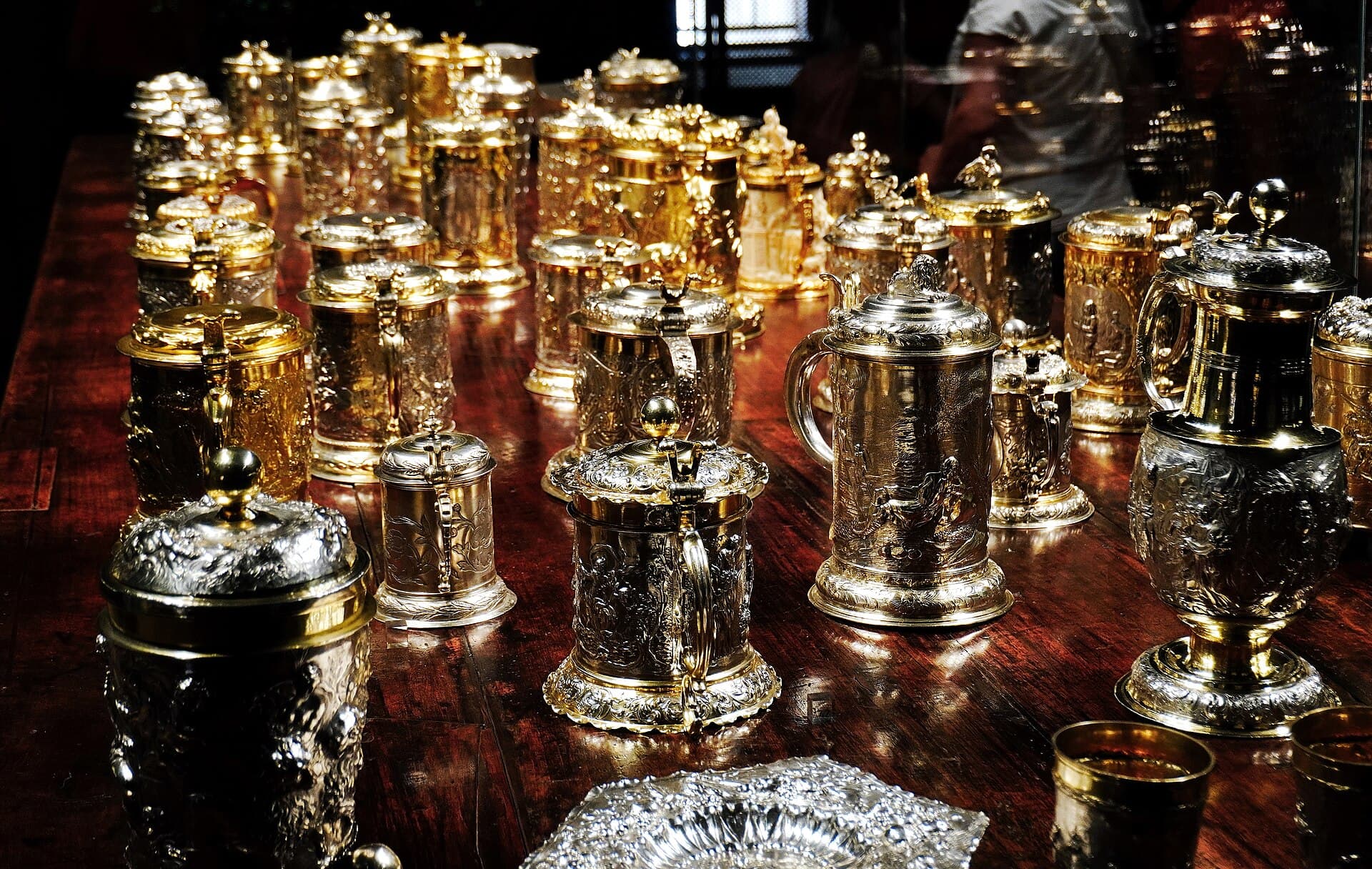 Wawel Crown TreasuryThe royal treasury and armoury halls of Wawel Castle, holding what survives of t2 minutes walk4.7
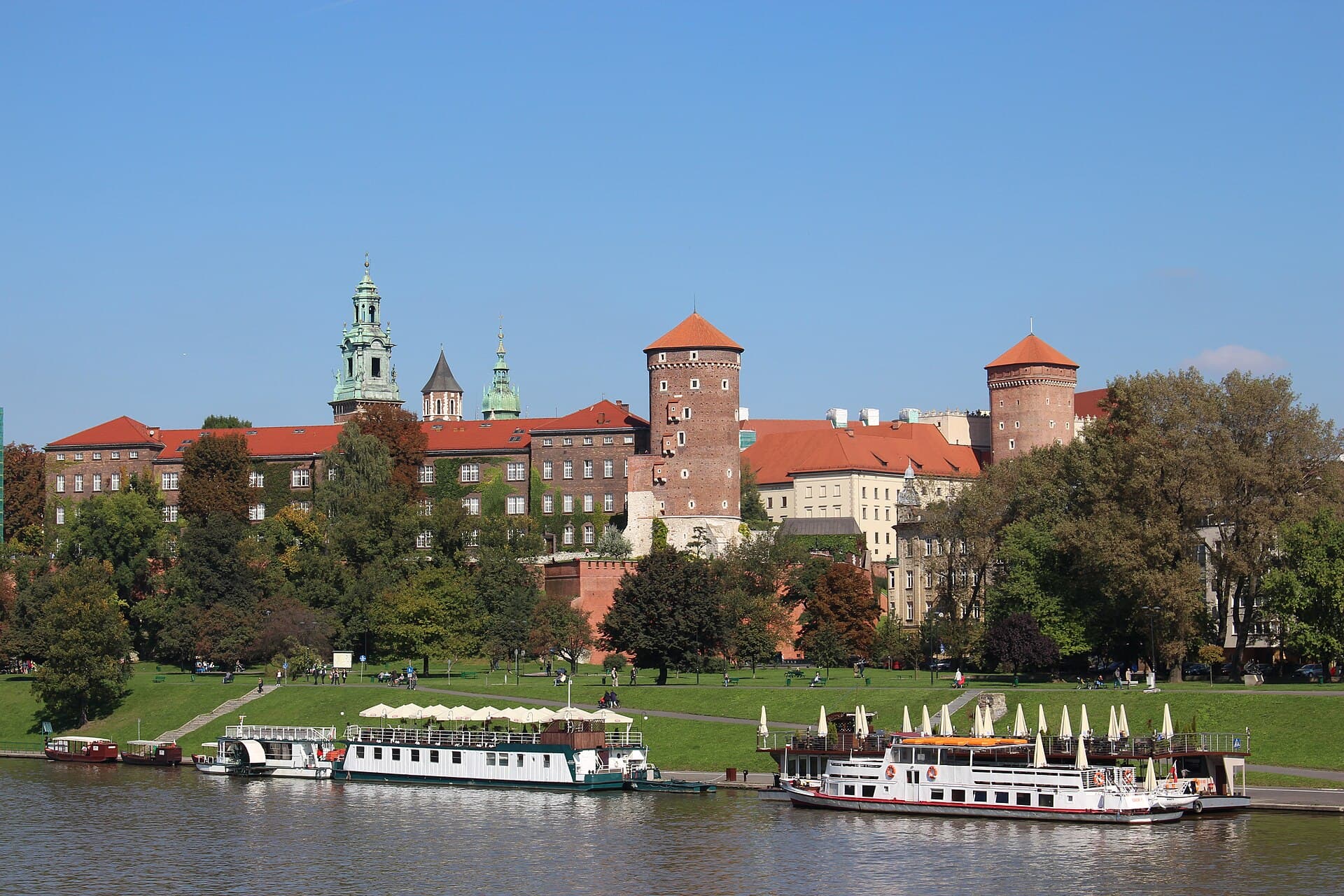 Wawel Royal Castle & CathedralWawel is Poland's national sanctum: the kings' hill over the Vistula where dynas3 minutes walk4.8
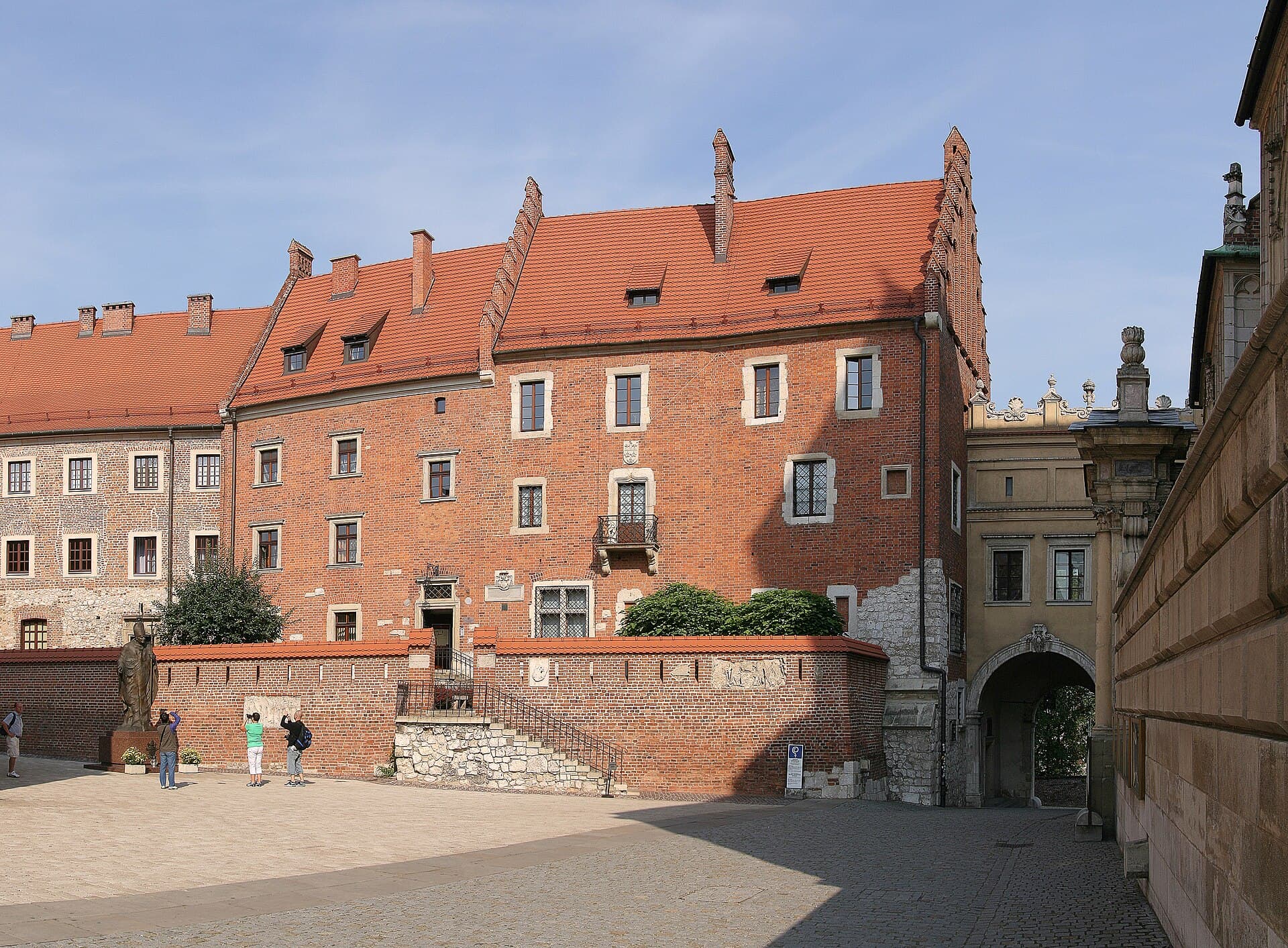 Wawel Cathedral MuseumA museum of the treasures of Wawel Cathedral, in a building adjoining the cathed3 minutes walk4.5
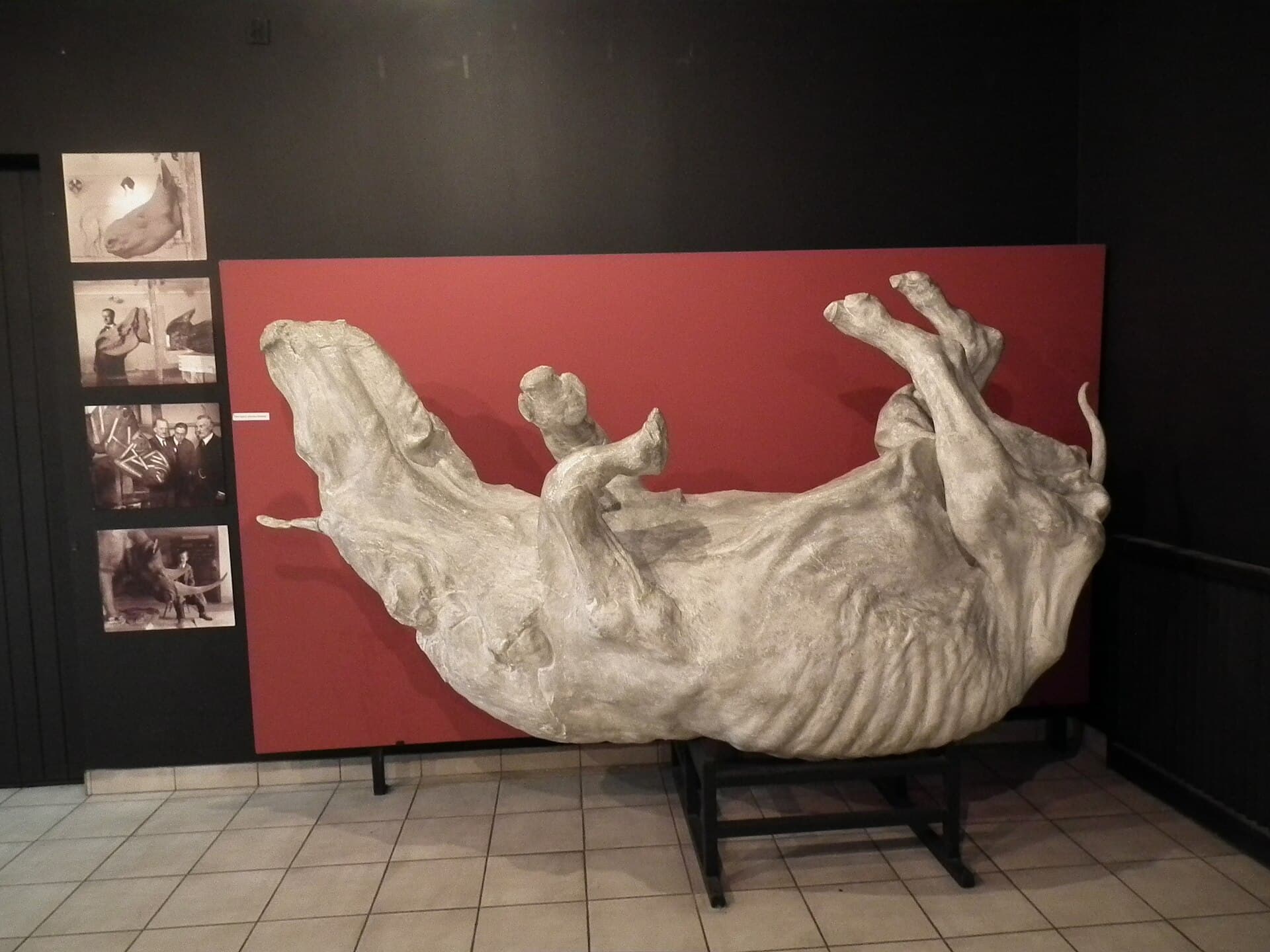 Natural History Museum KrakówA natural history museum of the Polish Academy of Sciences, in central Kraków mi4 minutes walk4.4
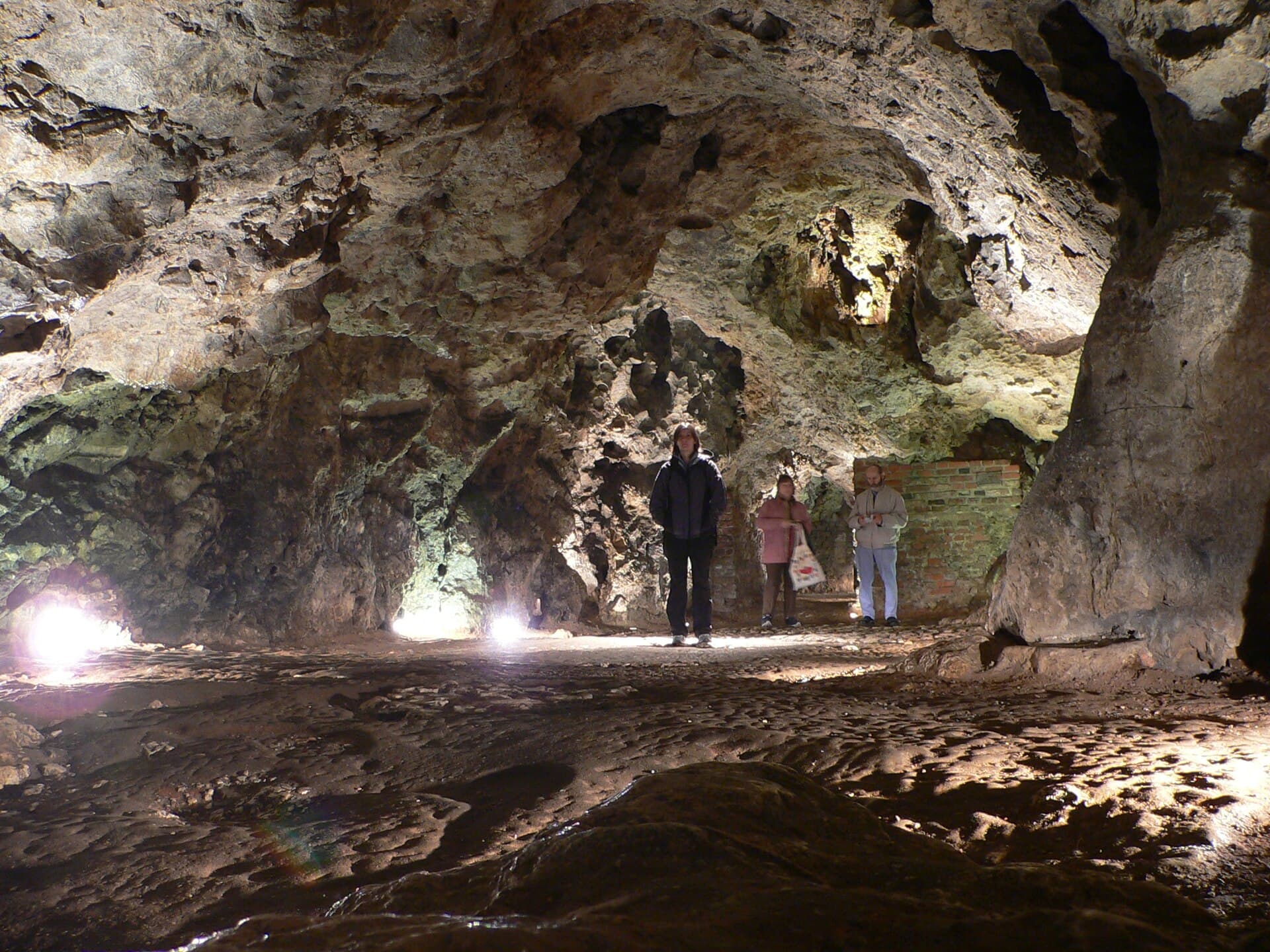 Dragon's DenA limestone cave beneath Wawel hill, entered from inside the castle walls and ex5 minutes walk3.7
A forced deportation carried out by the Polish communist authorities in 1947, in which around a hundred and forty thousand Ukrainians, Lemkos and Boykos were moved from south-eastern Poland to the western territories from which Germans had been expelled, and deliberately dispersed to prevent them regrouping. Hundreds of villages were emptied and their wooden churches abandoned. The icons shown here were gathered from those churches.
Yes, and that is the natural order. The palace is on Kanonicza street, which climbs directly to the Wawel gate. Start by walking the street, then the palace, then up to the hill. Or the reverse, coming down after Wawel. The distance is minutes.