
The Szczerbiec sword
The only coronation regalia to survive, because it happened to be outside the treasury.
Mach240390 — CC BY 4.0 · Silar — CC BY-SA 4.0 · Silar — CC BY-SA 4.0 · Silar — CC BY-SA 4.0
The royal treasury and armoury halls of Wawel Castle, holding what survives of the possessions of Poland's kings. The story that defines this place is an absence. The original Polish crown jewels no longer exist: after the third partition in 1795 the Prussian army broke into the treasury and took the crown, sceptre and the rest of the royal regalia, which were then melted down in Berlin to be sold as gold. What was lost was not gold but the regalia of a state that had been abolished. What remains is displayed here: the coronation sword Szczerbiec — the only piece of coronation regalia to survive, because it was outside the treasury — along with armour, swords, vessels, diplomatic gifts and royal possessions. The armoury displays weapons and armour from the medieval period to the eighteenth century, including the equipment of the Winged Hussars. The ticket is separate from Wawel's other sites and capped in number — buy it on arrival or in advance.
The only coronation regalia to survive, because it happened to be outside the treasury.
Equipment of the cavalry that decided the Battle of Vienna in 1683.
What is not here says more about Poland's history than what is.
Wawel Royal Castle, Wawel hill
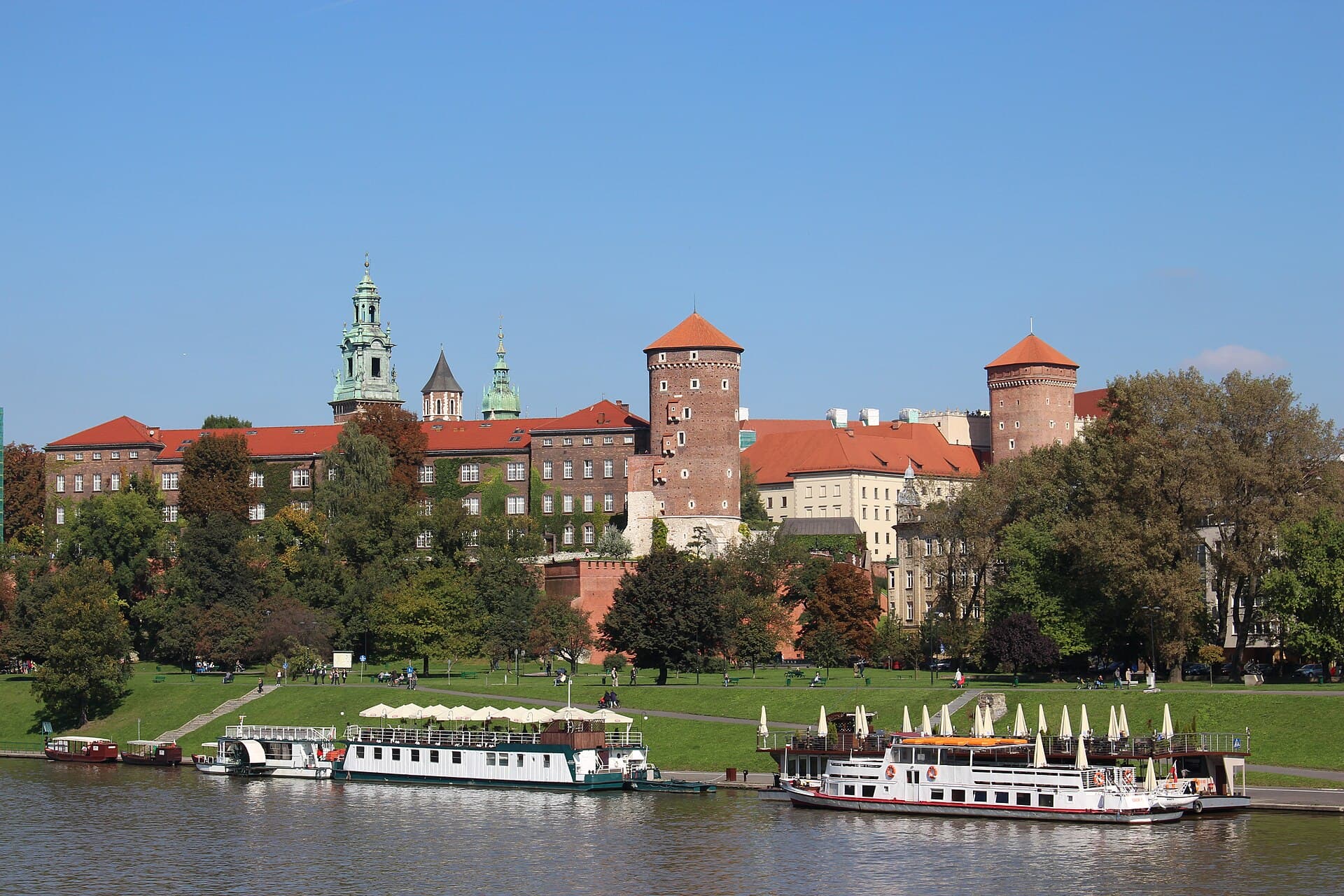 Wawel Royal Castle & CathedralWawel is Poland's national sanctum: the kings' hill over the Vistula where dynas1 minute walk4.8
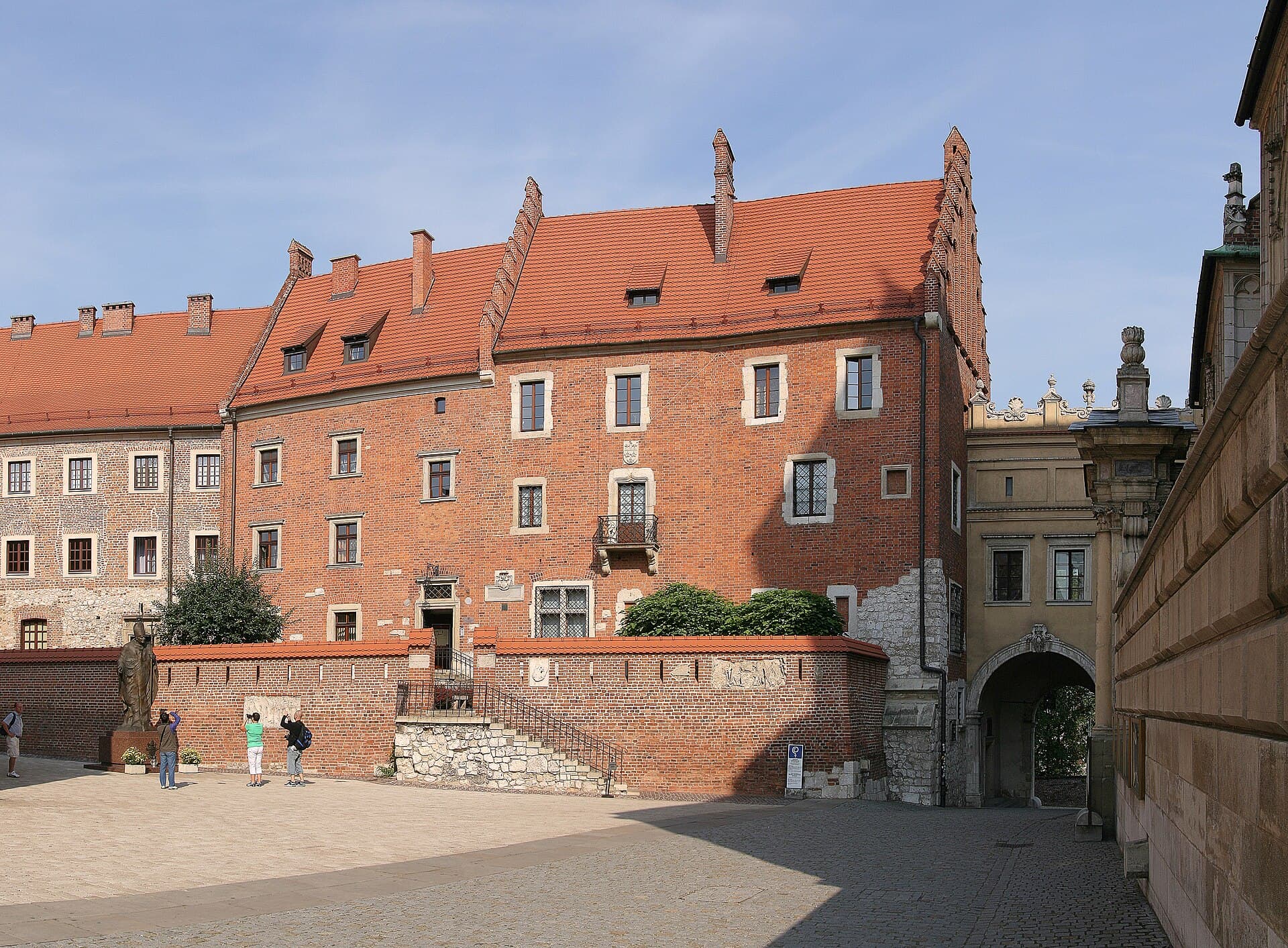 Wawel Cathedral MuseumA museum of the treasures of Wawel Cathedral, in a building adjoining the cathed2 minutes walk4.5
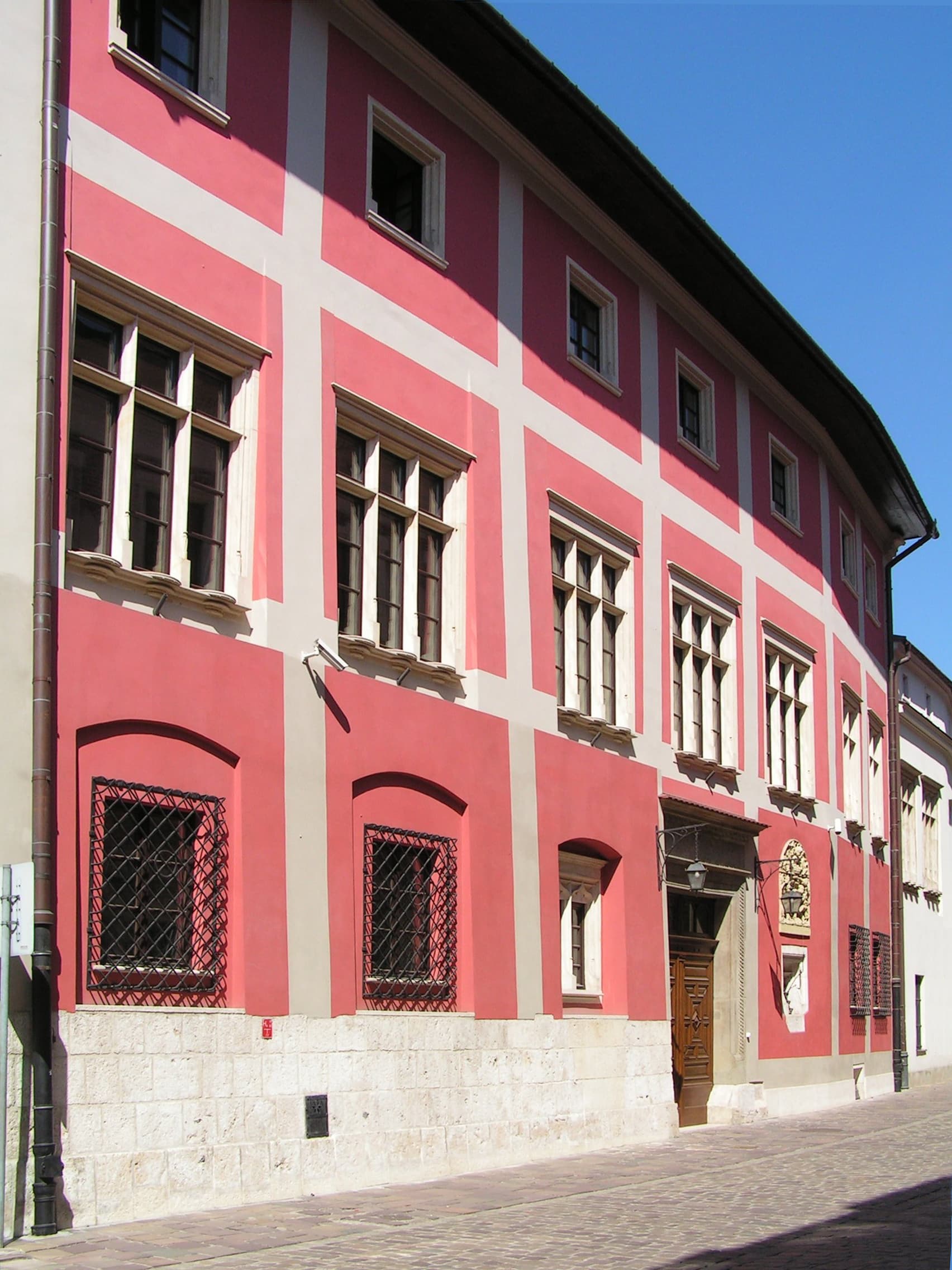 Bishop Erazm Ciołek PalaceA Renaissance palace on Kanonicza street directly below Wawel hill, a branch of 2 minutes walk4.6
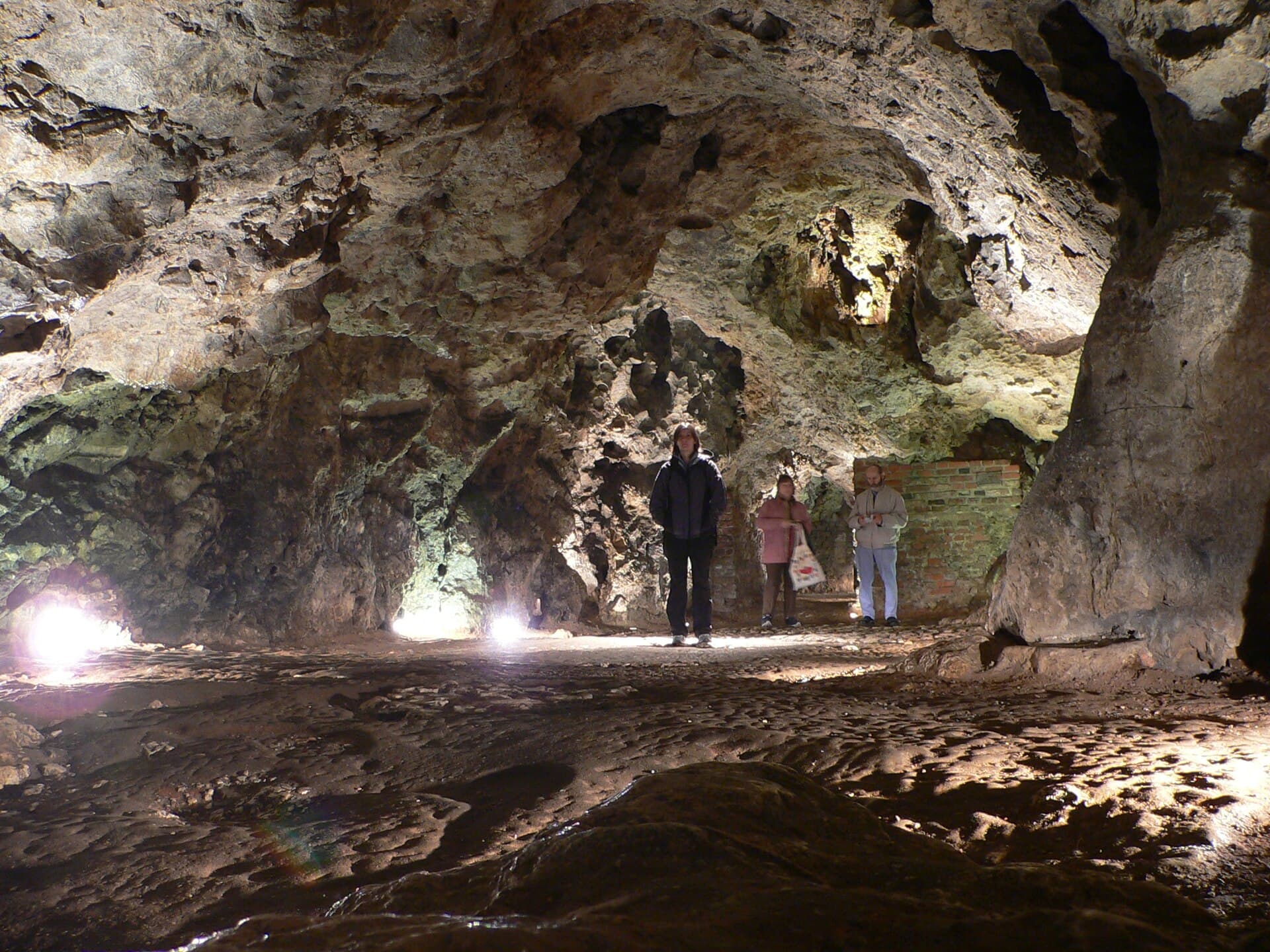 Dragon's DenA limestone cave beneath Wawel hill, entered from inside the castle walls and ex3 minutes walk3.7
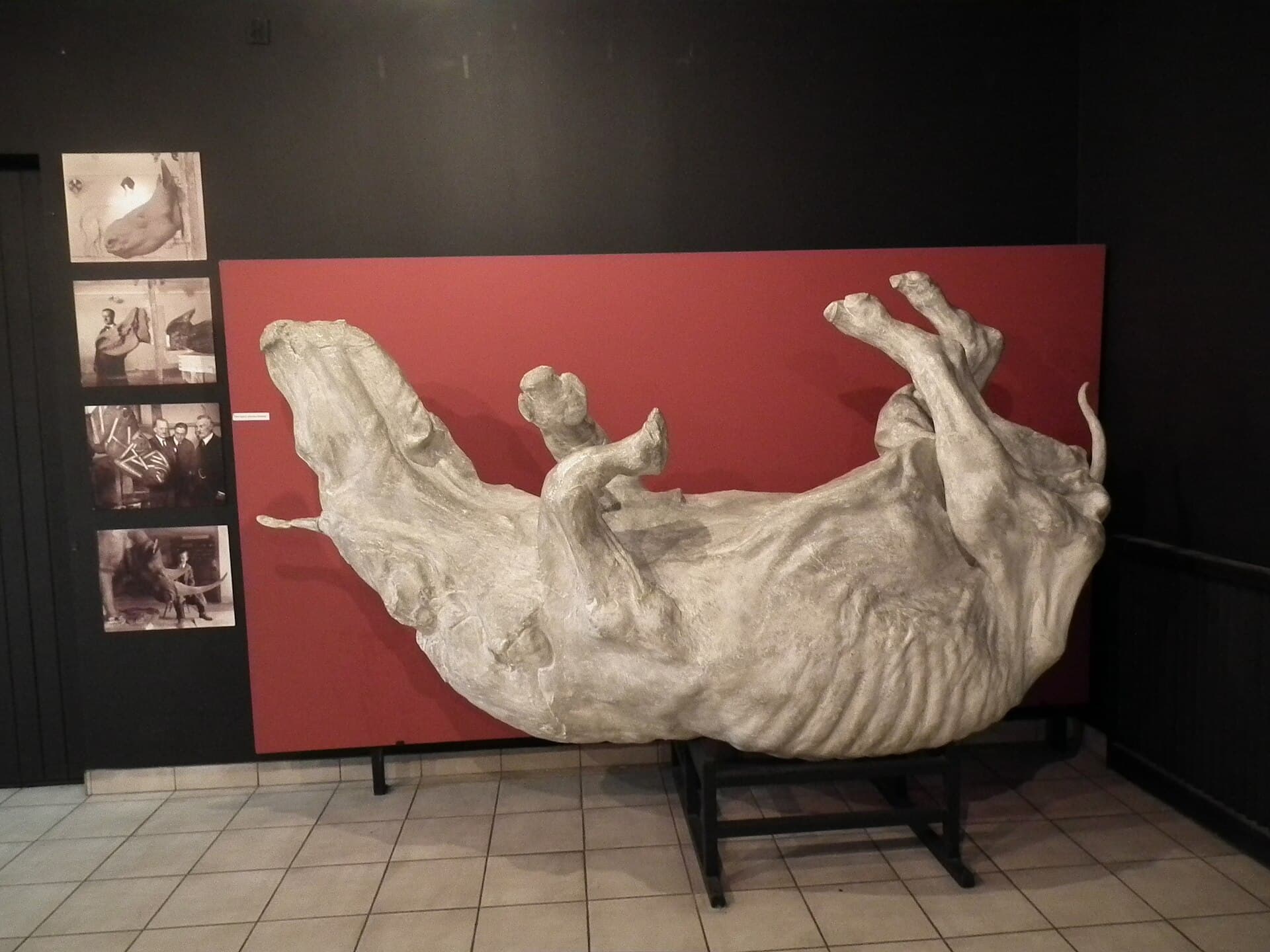 Natural History Museum KrakówA natural history museum of the Polish Academy of Sciences, in central Kraków mi5 minutes walk4.4
The Polish coronation sword, used to crown Polish kings from roughly the thirteenth century. Its name means notched, after a nick in the blade that legend attributes to a blow against the gate of Kyiv. It escaped the seizure of 1795, then passed through Russia and Europe for decades, was returned to Poland in 1928, taken to Canada during the Second World War and came back in 1959. It is the last surviving piece of the coronation regalia.
Best in advance through the official site, especially in season. Each site on the hill has its own ticket, capped numbers and sometimes a timed slot. If you arrive without a booking, go straight to the ticket office before anything else, take what is available and plan your day around it — not the other way round.