
The dragon breathes fire
The bronze sculpture at the exit releases real flame at intervals.
Craig Nagy from Vancouver, Canada — CC BY-SA 2.0 · Szymon439 — CC BY-SA 4.0 · Falk2 — CC BY-SA 4.0 · Falk2 — CC BY-SA 4.0
A limestone cave beneath Wawel hill, entered from inside the castle walls and exited onto the bank of the Vistula. The cave belongs to Poland's best-known legend: a dragon lived beneath the hill and devoured the city's livestock and people, until a young cobbler tricked it with a sheep stuffed with sulphur. The dragon ate it, its insides burned, and it drank from the river until it burst. The city was freed and the cobbler married the king's daughter. The section open to visitors is about eighty metres of relatively wide and easy passage, with a narrow spiral stair down. The visit is very short — about twenty minutes. At the exit on the riverbank stands the bronze dragon by the sculptor Bronisław Chromy, of 1972, which breathes real fire at intervals — and that alone is what makes children remember Kraków. The cave opens seasonally in the warm months only and closes in winter. Its ticket is separate from Wawel's other tickets.
The bronze sculpture at the exit releases real flame at intervals.
A cobbler tricked the dragon with a sulphur-stuffed sheep; it burst from drinking.
You enter from the castle and exit at the river — there is no way back up.
Beneath Wawel hill, on the Vistula bank
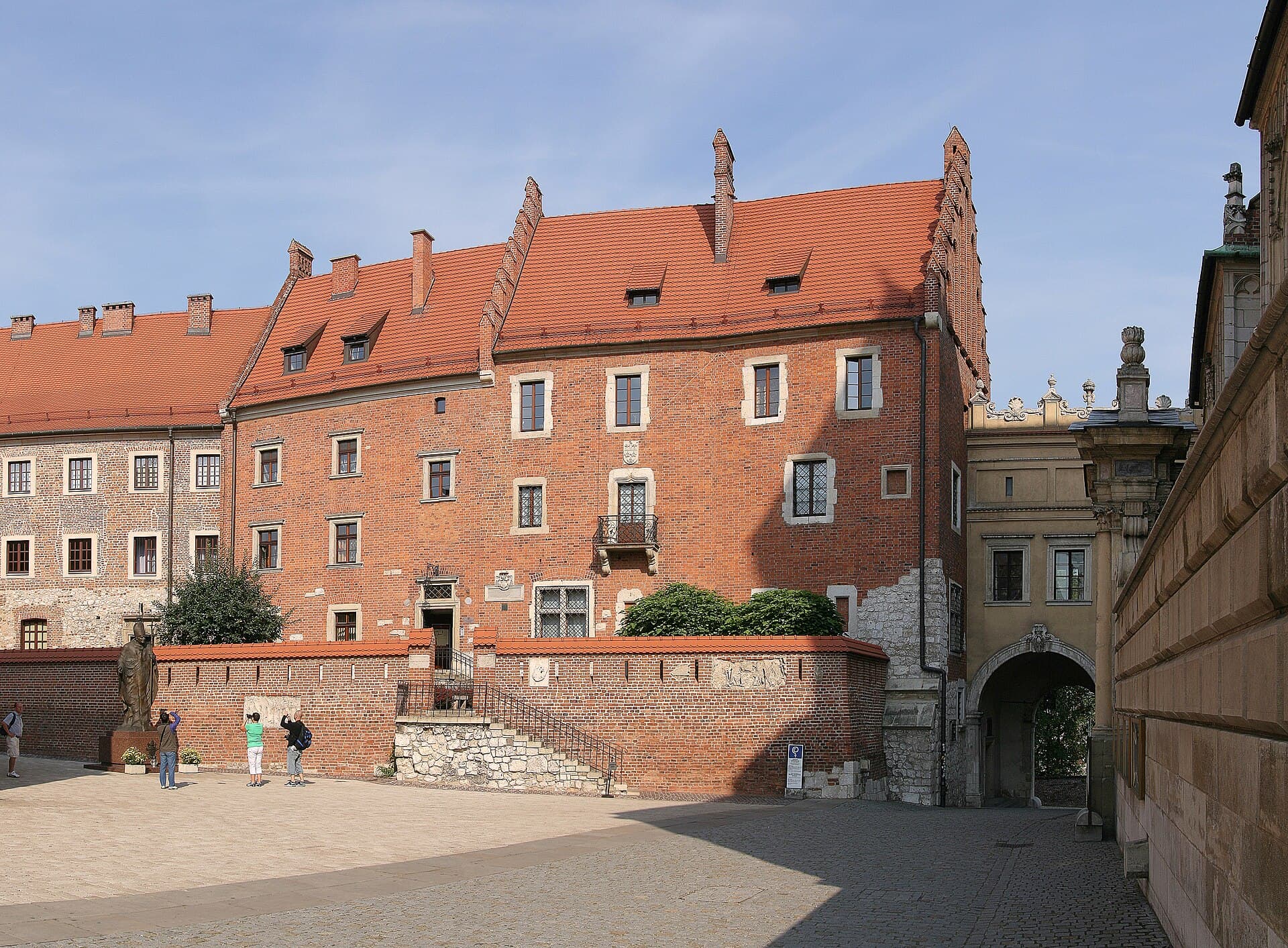 Wawel Cathedral MuseumA museum of the treasures of Wawel Cathedral, in a building adjoining the cathed2 minutes walk4.5
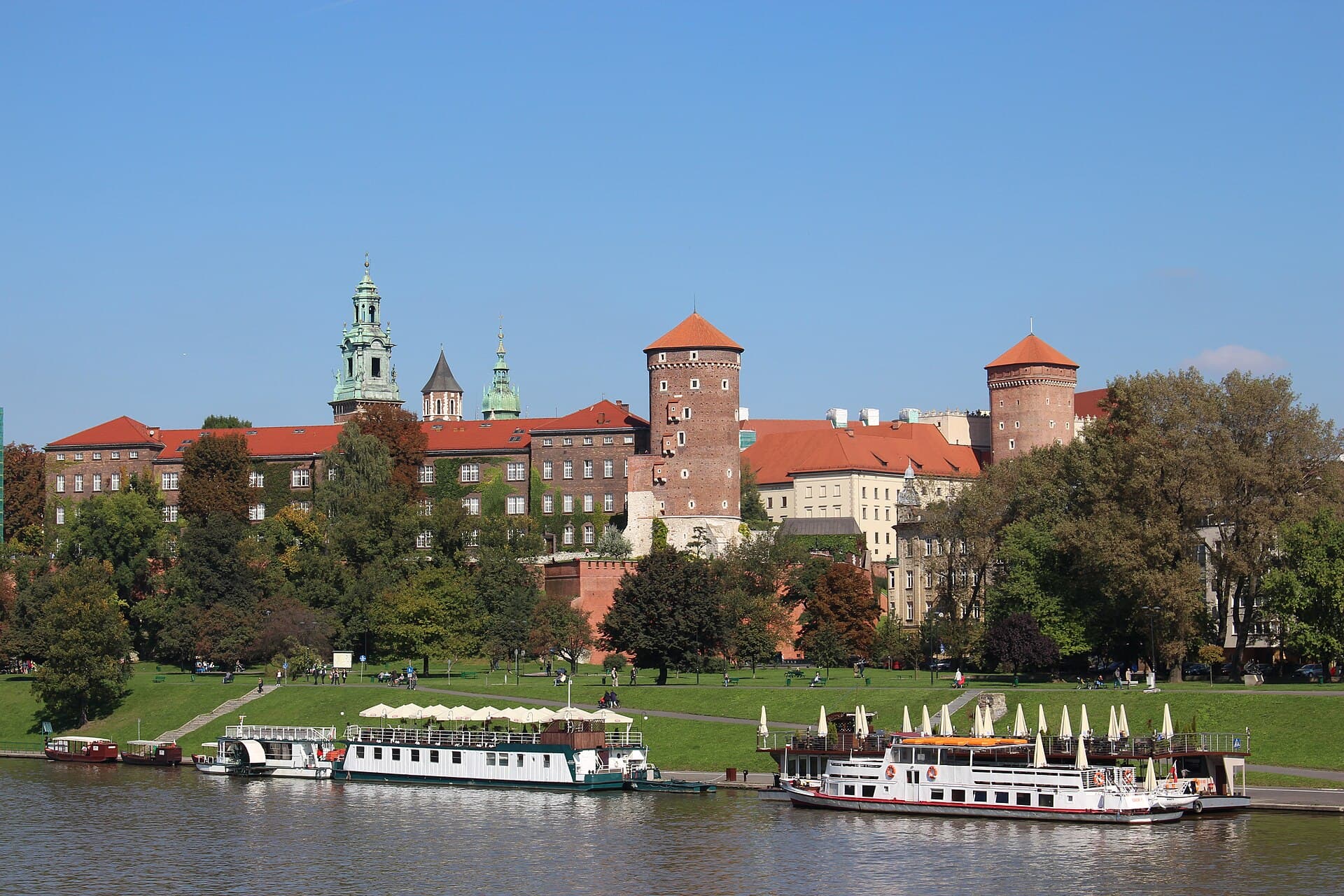 Wawel Royal Castle & CathedralWawel is Poland's national sanctum: the kings' hill over the Vistula where dynas3 minutes walk4.8
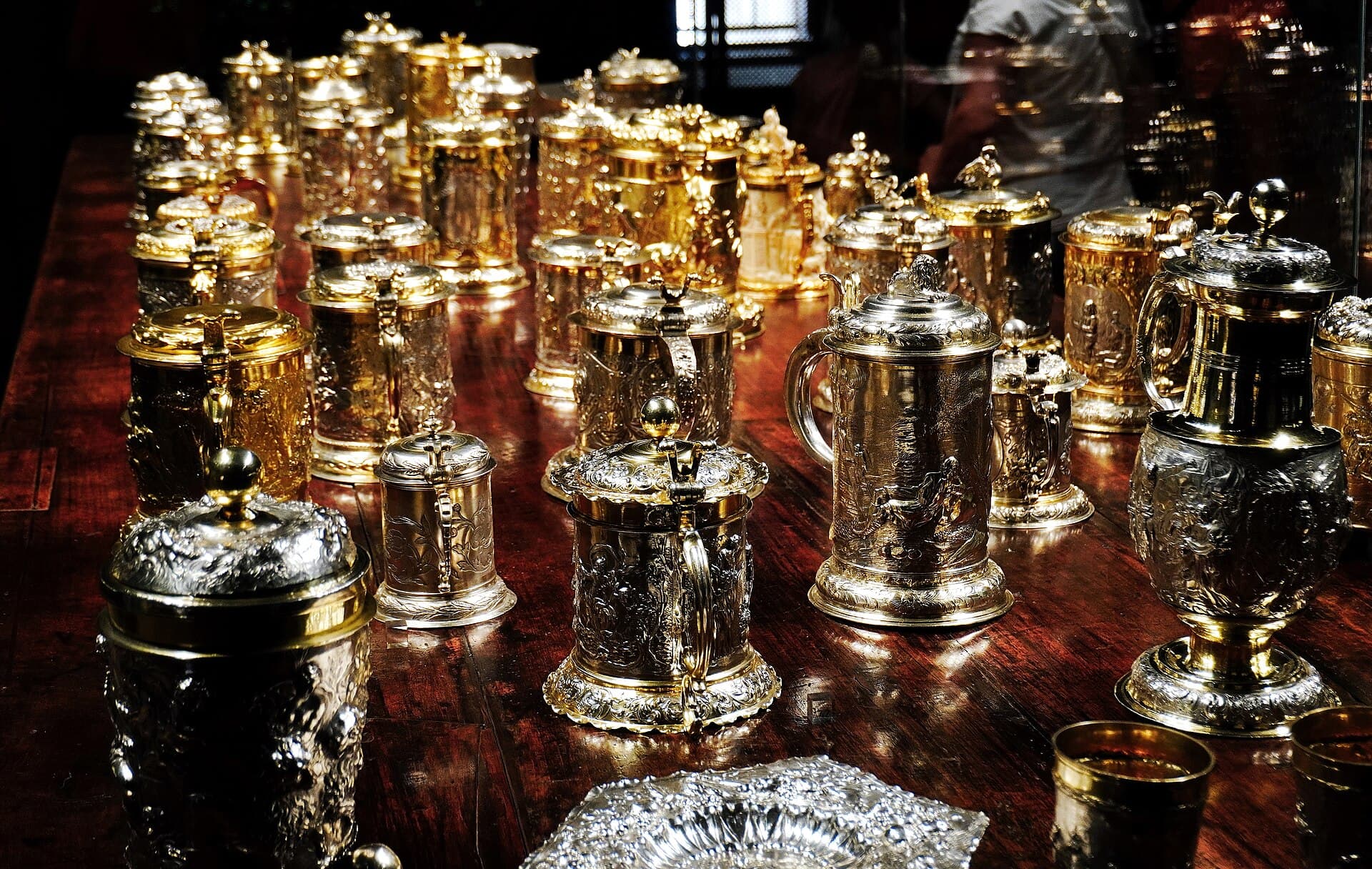 Wawel Crown TreasuryThe royal treasury and armoury halls of Wawel Castle, holding what survives of t3 minutes walk4.7
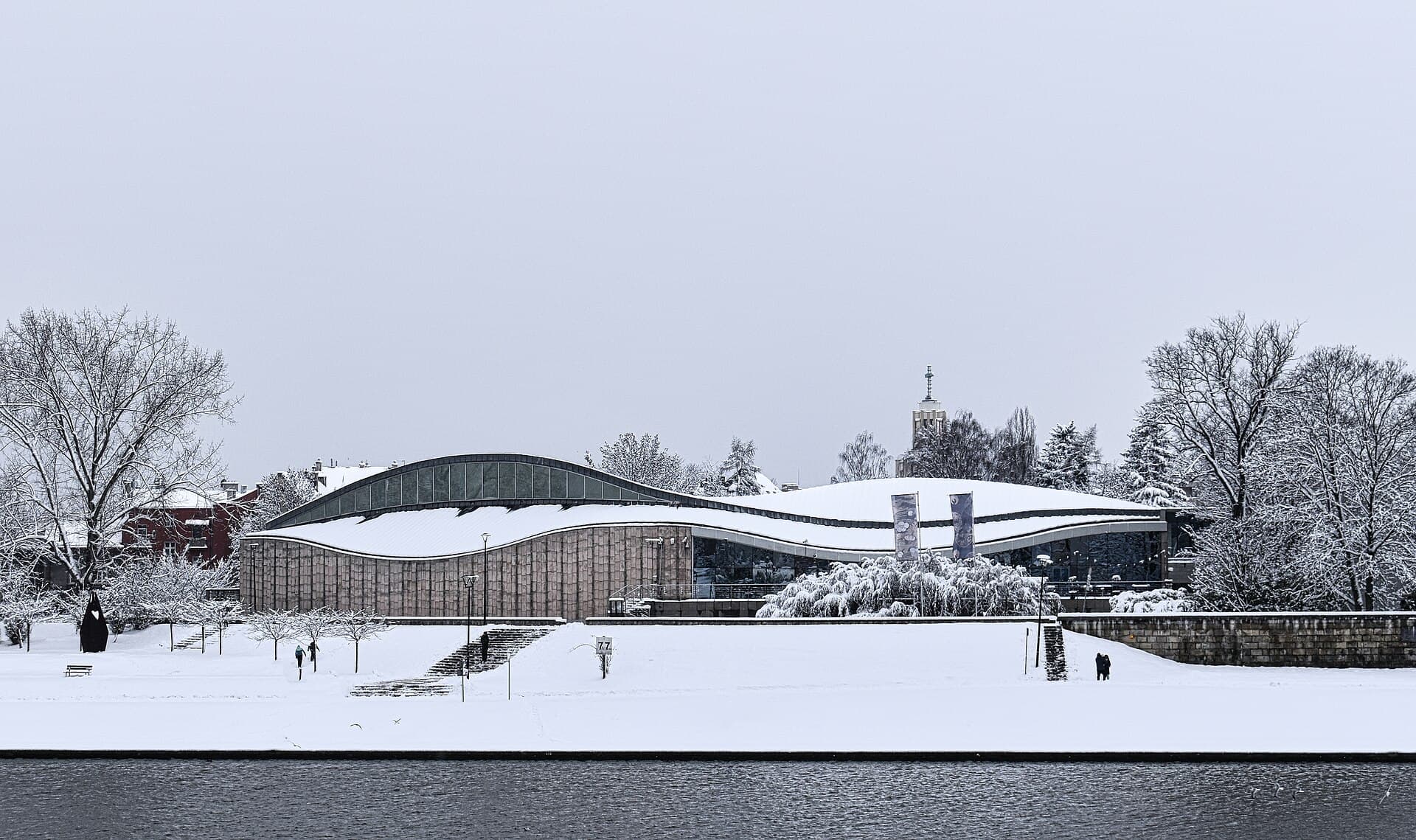 Manggha Museum of Japanese Art and TechnologyA museum of Japanese art on the southern bank of the Vistula, facing Wawel Castl4 minutes walk4.4
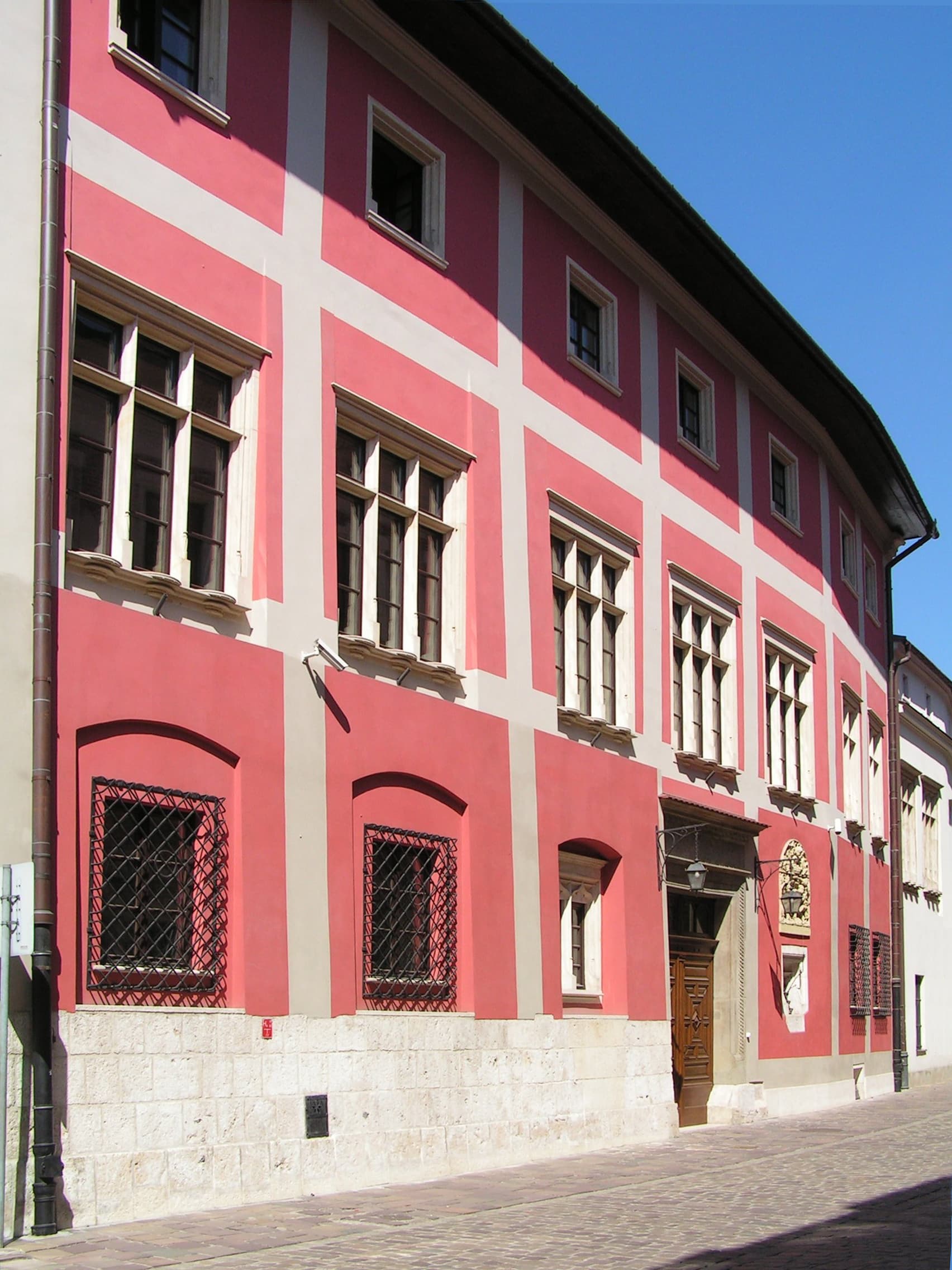 Bishop Erazm Ciołek PalaceA Renaissance palace on Kanonicza street directly below Wawel hill, a branch of 5 minutes walk4.6
For children, yes without hesitation — the cave and the fire-breathing dragon together are what they will remember of Kraków. For adults alone the visit is very short and unremarkable, and the value is in the story rather than the cave. The ticket is cheap in any case.
Make it the last thing. The entrance is inside the castle walls and the exit is on the riverbank, so the descent takes you out of Wawel entirely. Order your visit: the cathedral and royal chambers first, then the cave down to the river, then walk the bank or cross the bridge to the Manggha Museum.