Rome before modernisation
Paintings, prints and photographs of the city before the great avenues were cut — they show you what was lost.
Chabe01 — CC BY-SA 4.0 · Krzysztof Golik — CC BY-SA 4.0 · Francesco Bini — CC BY-SA 4.0 · Francesco Bini — CC BY-SA 4.0
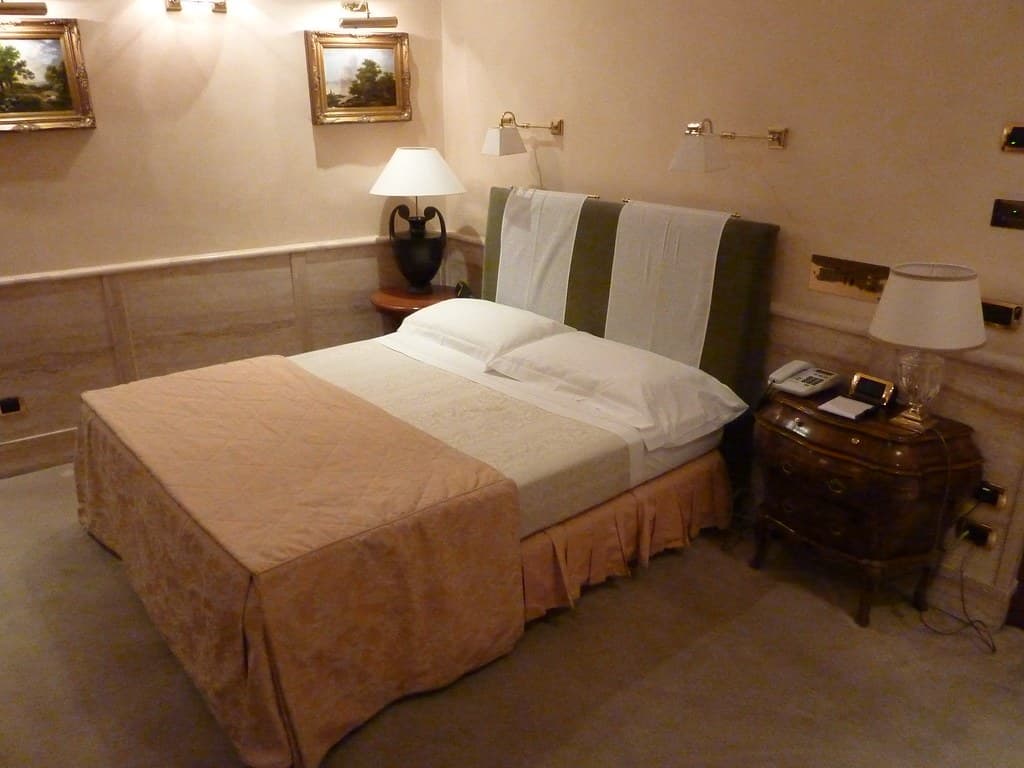
A late eighteenth-century palace on the edge of Piazza Navona, built by Pope Pius VI for his family — the last papal palace raised in Rome for a pope's relative before the custom ended. It now houses the Museum of Rome: a collection telling how the city looked and how its people lived from the sixteenth century to the twentieth. It holds paintings, drawings and prints of Rome before modernisation, early photographs, costume, carriages and furniture, and architectural fragments from demolished buildings. For anyone who has seen the ruins and churches and wants to understand the city itself as a lived place, this is the right museum. The ceremonial marble staircase at the entrance is among Rome's finest and is worth stopping for on its own. The palace usually hosts large temporary exhibitions — check the programme, as both the ticket price and the character of the visit change with whatever is showing.
Paintings, prints and photographs of the city before the great avenues were cut — they show you what was lost.
A grand marble stair with columns and statuary at the entrance — one of the finest in Rome.
Piazza San Pantaleo 10, beside Piazza Navona, Rome
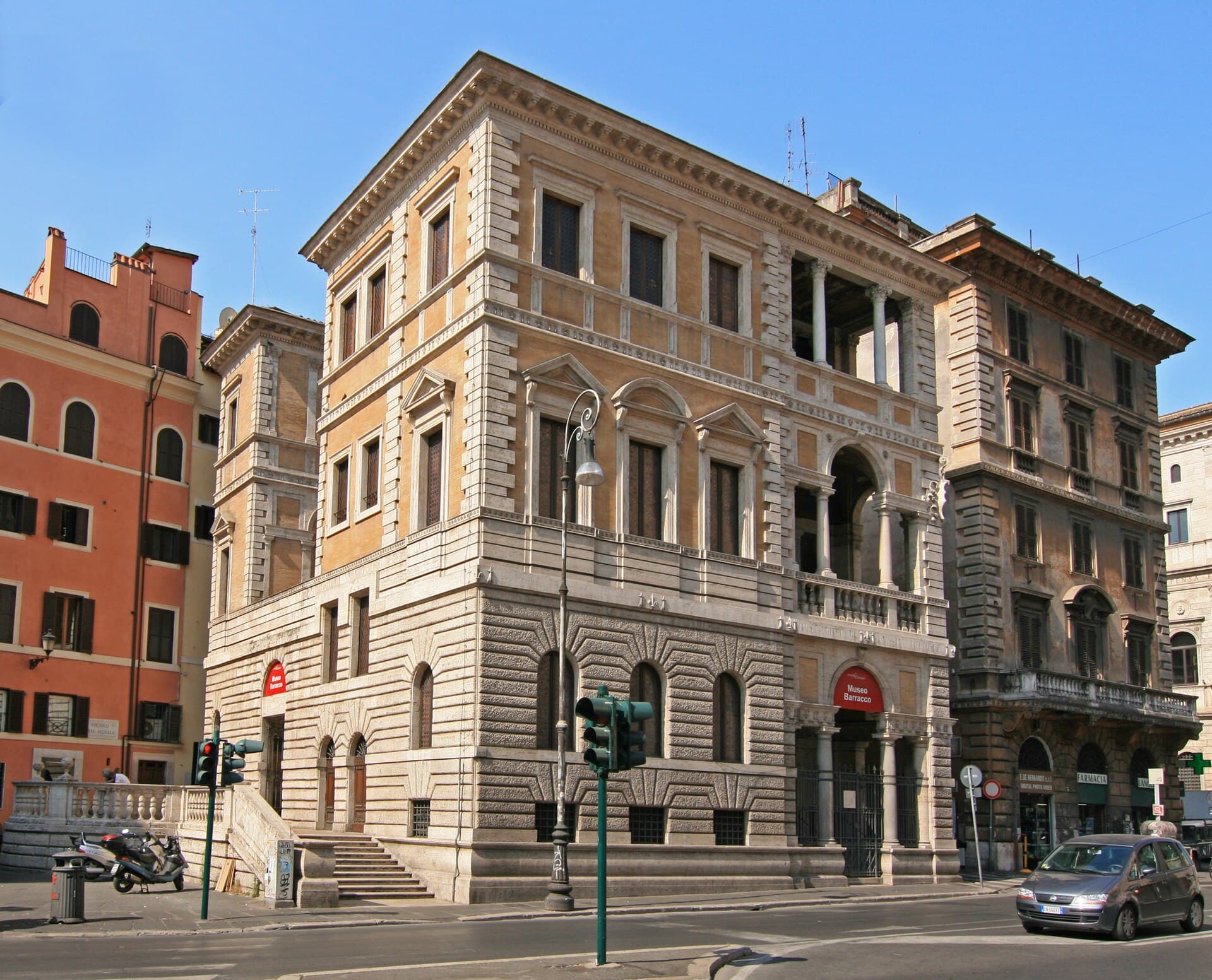 Barracco Museum of Ancient SculptureThe building has been carrying the wrong name for five centuries. Its cornices a1 minute walk4.5
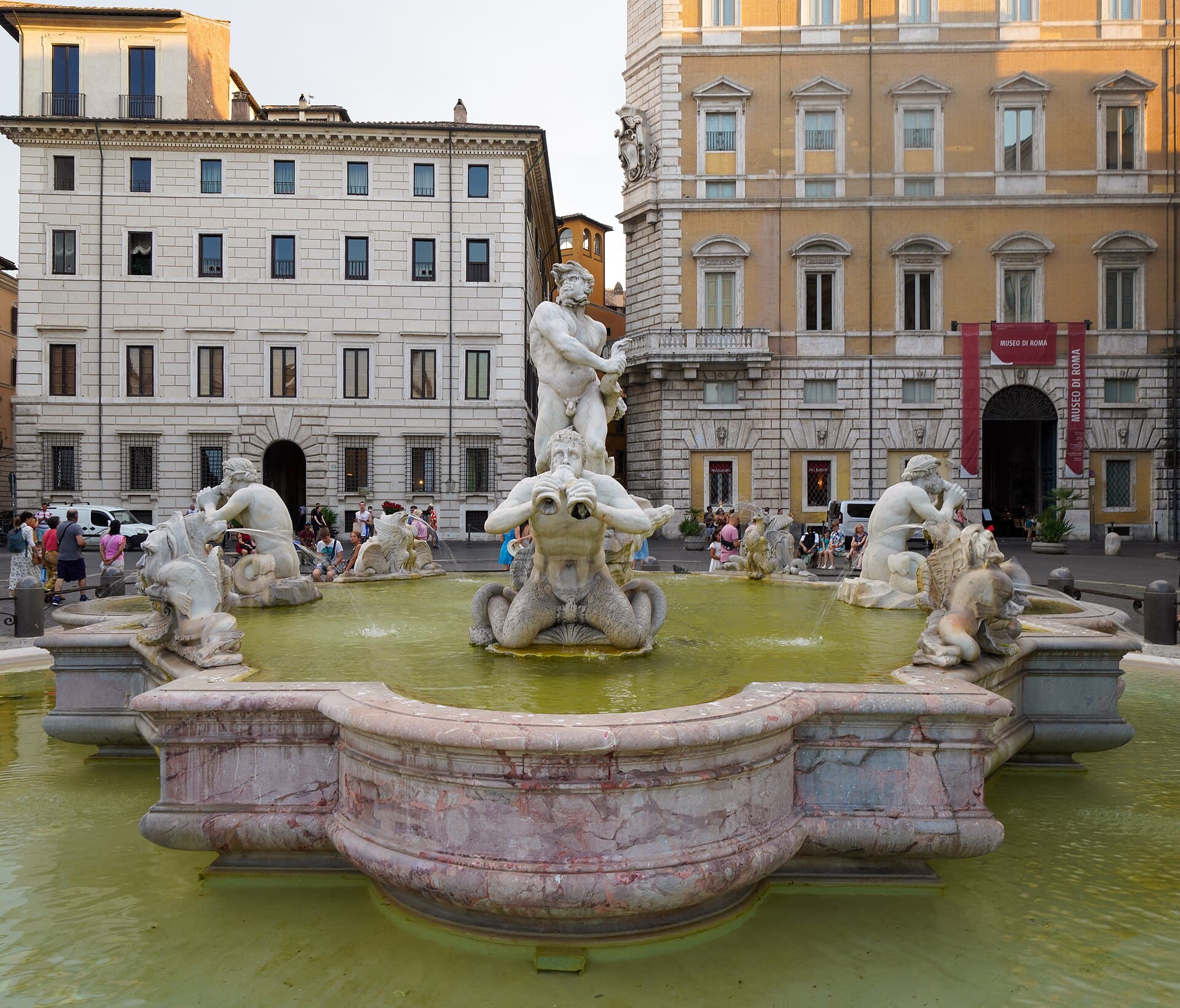 Fontana del MoroThree fountains punctuate Piazza Navona, and the most famous stands at its centr1 minute walk4.9
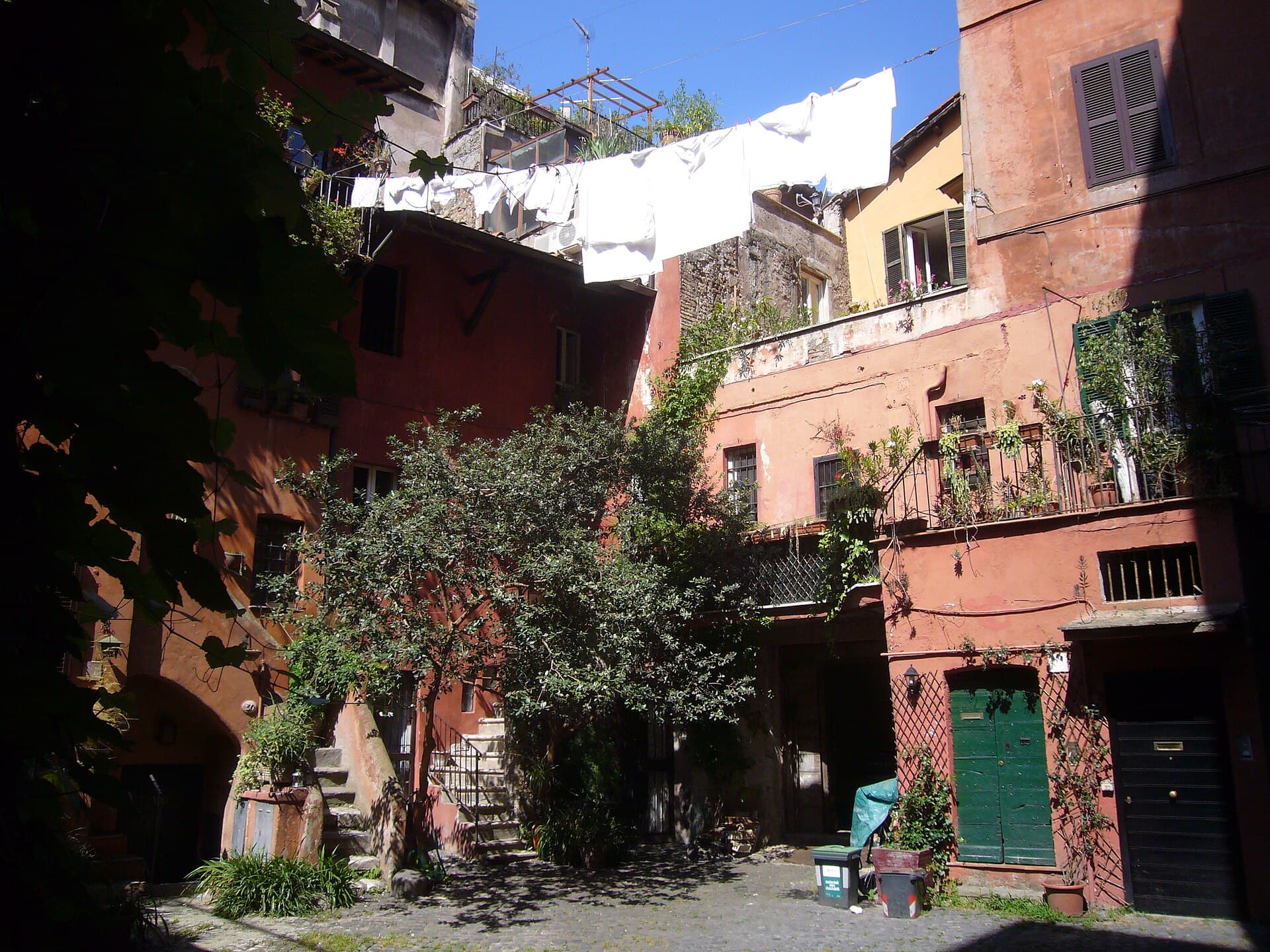 The Arch of the Vinegar MakersA small arch on a side street near Campo de' Fiori, leading to a medieval inner 2 minutes walk4.5
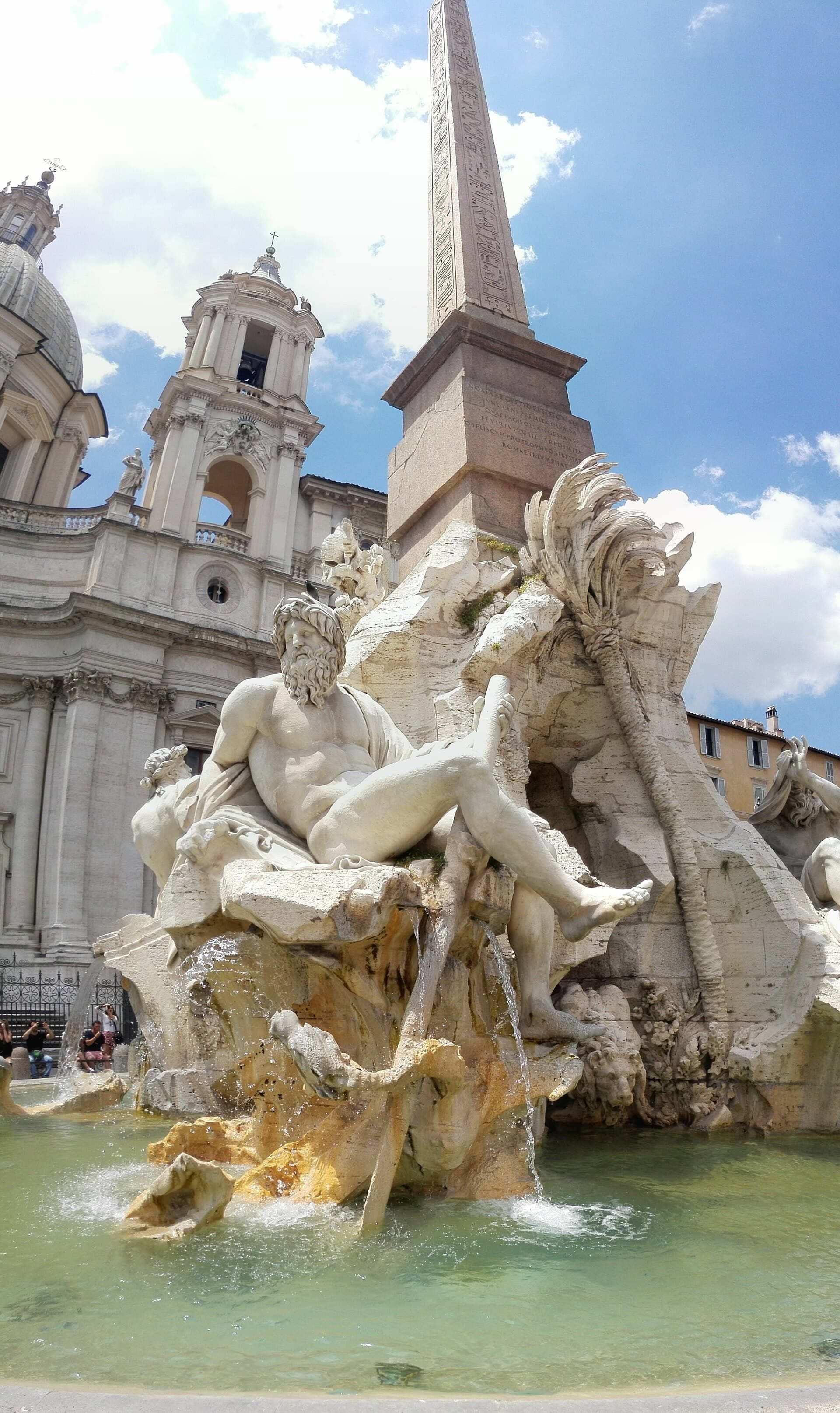 Piazza NavonaThe square's shape tells its story: a long rectangle with two curved ends, becau2 minutes walk4.8
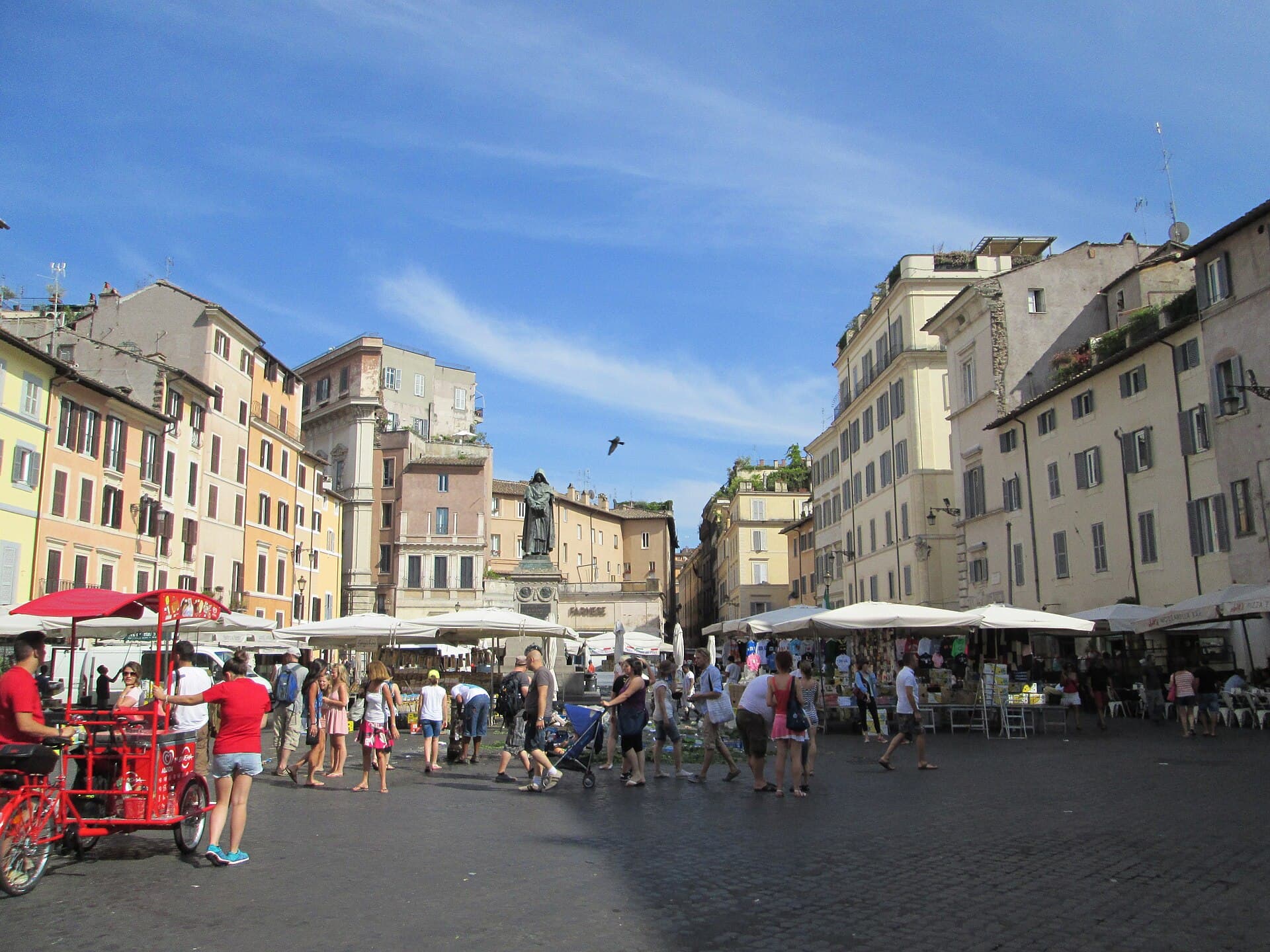 Campo de' FioriThe only square in historic central Rome without a church — and that is no accid3 minutes walk4.5
Looking for halal food near Palazzo Braschi? There are several options nearby, from Moroccan and Indian kitchens to quick casual spots and places with a view. Confirm the halal status and opening hours before you go — these can change.
For a second or third visit to Rome, when you want to understand the modern city rather than the ancient one. On a short first trip, spend your time on the ruins and the Vatican.