
Masters at work
Workshop and shop are one room, so you watch the hammering and tinning instead of just buying the result.
You hear this bazaar two streets before you see it. Copper-beating has been practised in Gaziantep for around four centuries, though the stone shops you walk between today are thought to date from the nineteenth century, a few hundred metres south-east of Gaziantep Castle. The shops are small, wooden-roofed, with arched doorways of the local pale limestone, and in almost every one a master sits beating a tray or re-tinning a pot in front of you; the workshop and the shop are the same room here, which is exactly why the place feels alive rather than curated. Nobody calls out or follows you with an offer, because most of the customers are locals rather than tourists. It is smaller than the name suggests, one street and a few side lanes, but it opens onto an entire Ottoman market quarter. At its end you walk into the Zincirli Bedesten, the covered market built by Darendeli Hüseyin Paşa in the eighteenth century (sources give 1718 or 1781), damaged in the February 2023 earthquake and closed for a long restoration, so ask locally whether it has fully reopened before you count on it. Its seventy-odd small shops sell spices, Antep pistachios, dried peppers and aubergines and gifts. Scattered around this are the old hans, Kürkçü Han, Şıra Hanı and Bayaz Han, and Tahmis Kahvesi, which has been pouring coffee since the seventeenth century and is worth a stop without argument. What to buy: hand-beaten coffee trays, pots and cezves are the real thing, from a few tens of lira for a small cup to thousands for a large cauldron. The honest tell between hand-made and machine-made is the hammer: hand work carries irregular dimples and real weight, while a perfectly smooth, light piece almost certainly came from a factory, even if it sits in the same shop. Haggling is expected, and the same item can differ in price from one door to the next. Antep's leather yemeni shoes and kutnu silk-cotton cloth are the other purchases you will not find at this quality elsewhere. Everything is on the flat; a pushchair rolls easily in the morning but becomes a burden after midday when the lanes fill up, and in August the heat tops 38°C, so go early or after late afternoon. Sunday morning is much quieter and many workshops are shut, so if the hammering and the craftsmen are the point, pick another day. An hour is enough if you are passing through, two with the coffee house and the bedesten.
Workshop and shop are one room, so you watch the hammering and tinning instead of just buying the result.
An eighteenth-century covered market restored after the 2023 earthquake, the place for pistachios, spices and dried vegetables; check it is open before you go.
Coffee served since the seventeenth century a few steps away, the natural pause between the two markets.
Kunduracılar Çarşı Caddesi, Boyacı Mahallesi, Şahinbey, Gaziantep
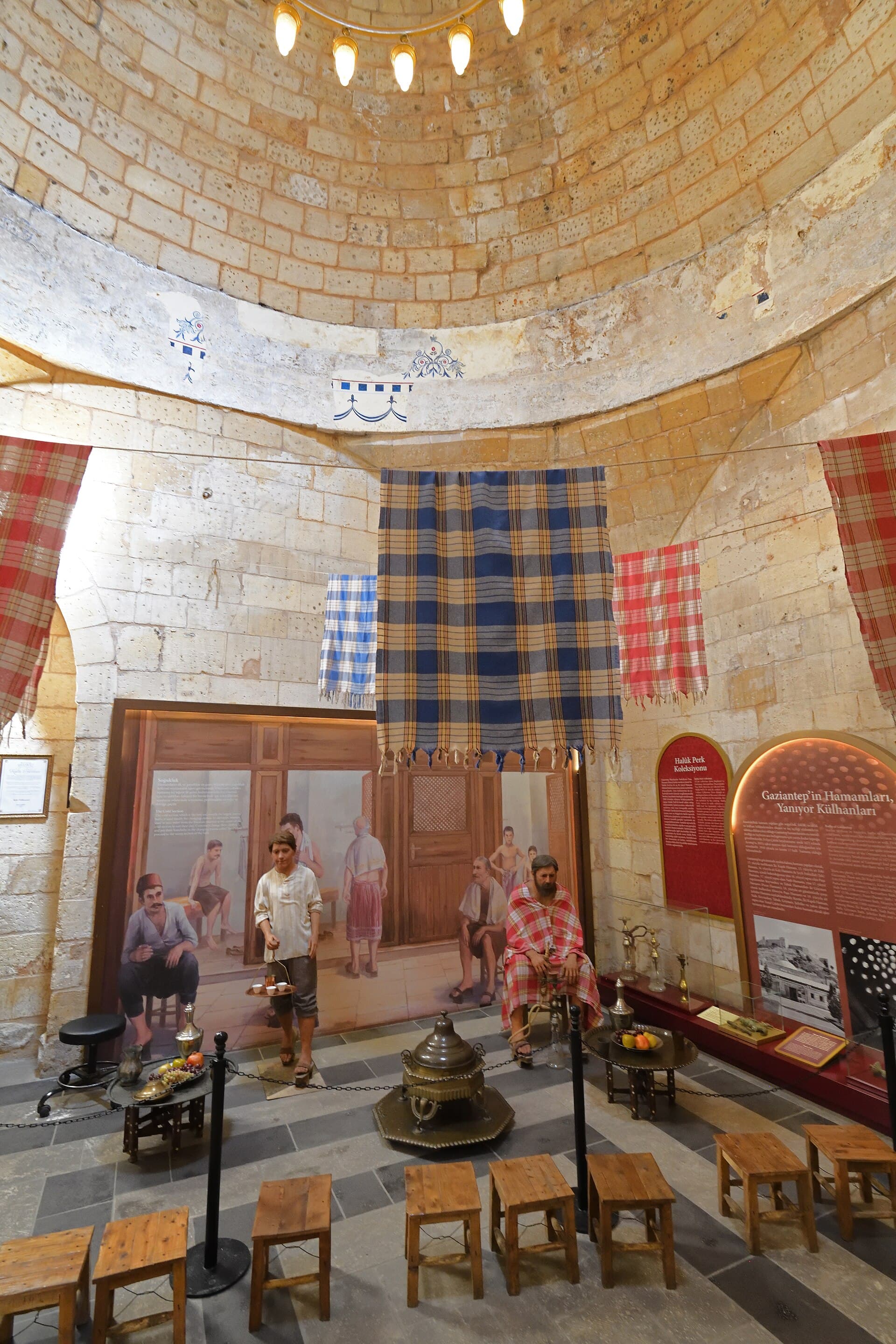 Gaziantep Hamam MuseumNobody undresses in this hamam and no water runs: the brides, the boys and the n5 minutes walk
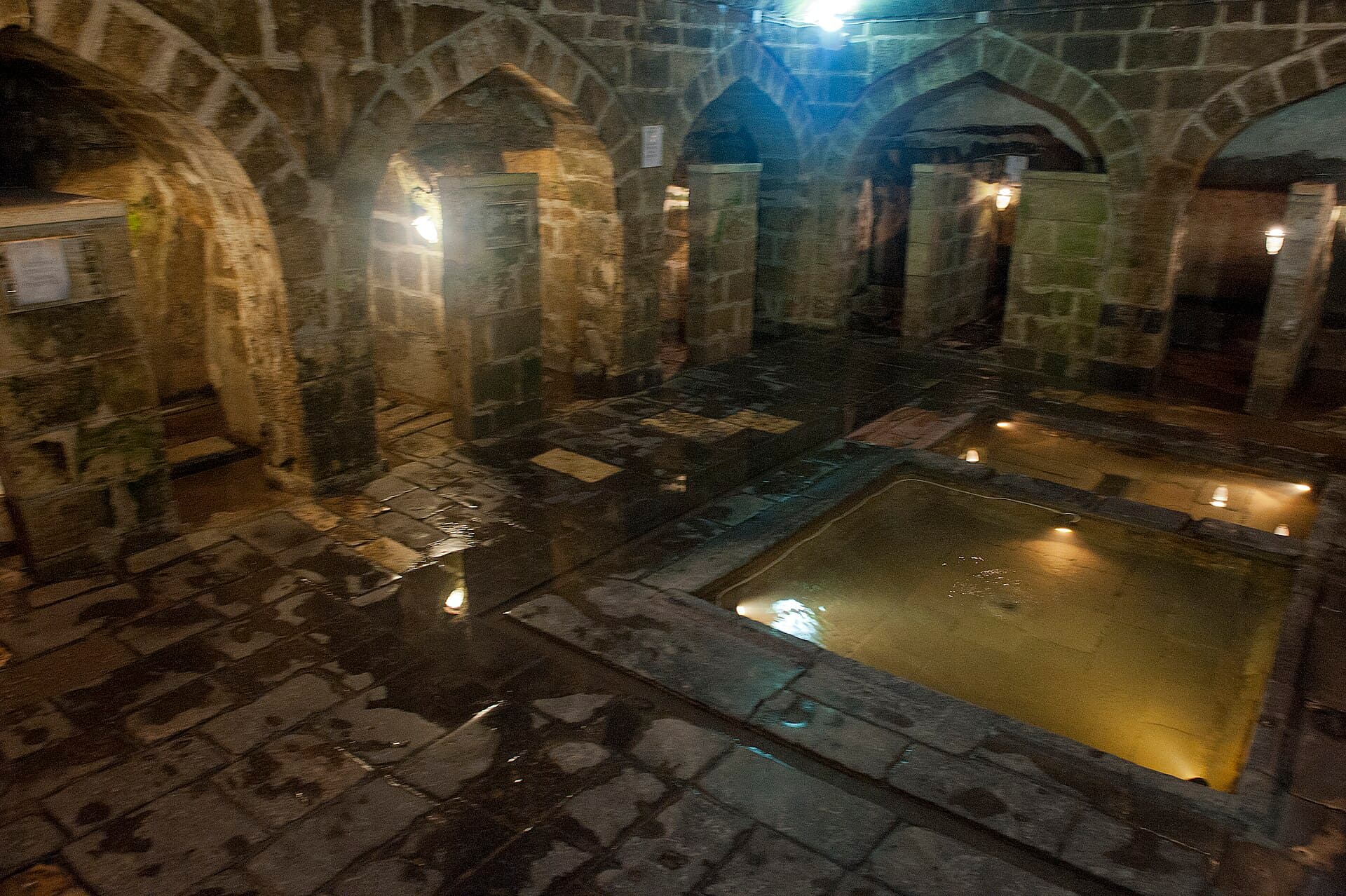 Pişirici Kastel and MescitSome seven metres beneath the lanes of Gaziantep's old bazaar sits a small mosqu5 minutes walk
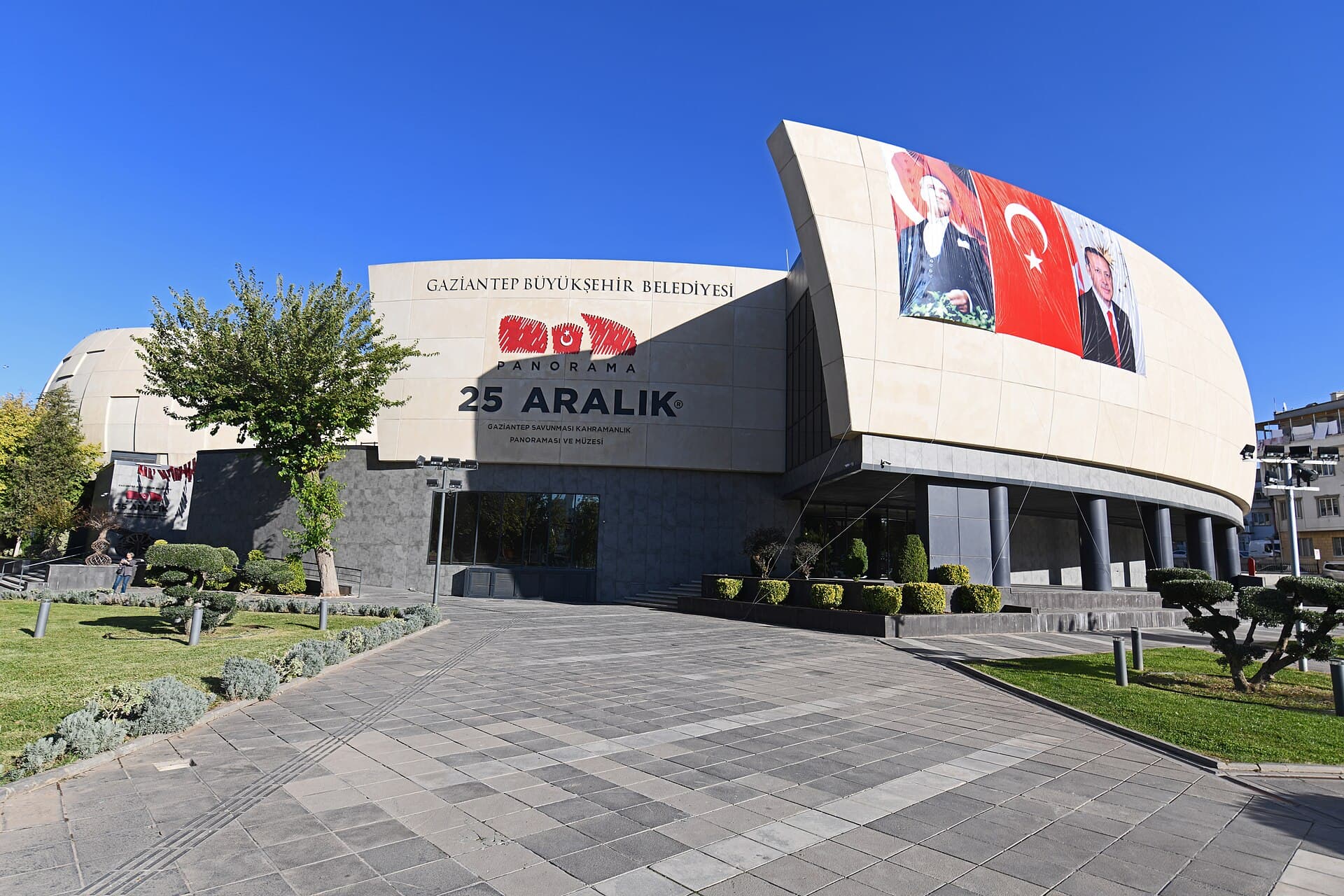 Panorama 25 Aralık MuseumOne oil painting, 120 metres long and roughly 13 metres high, wraps around you i9 minutes walk
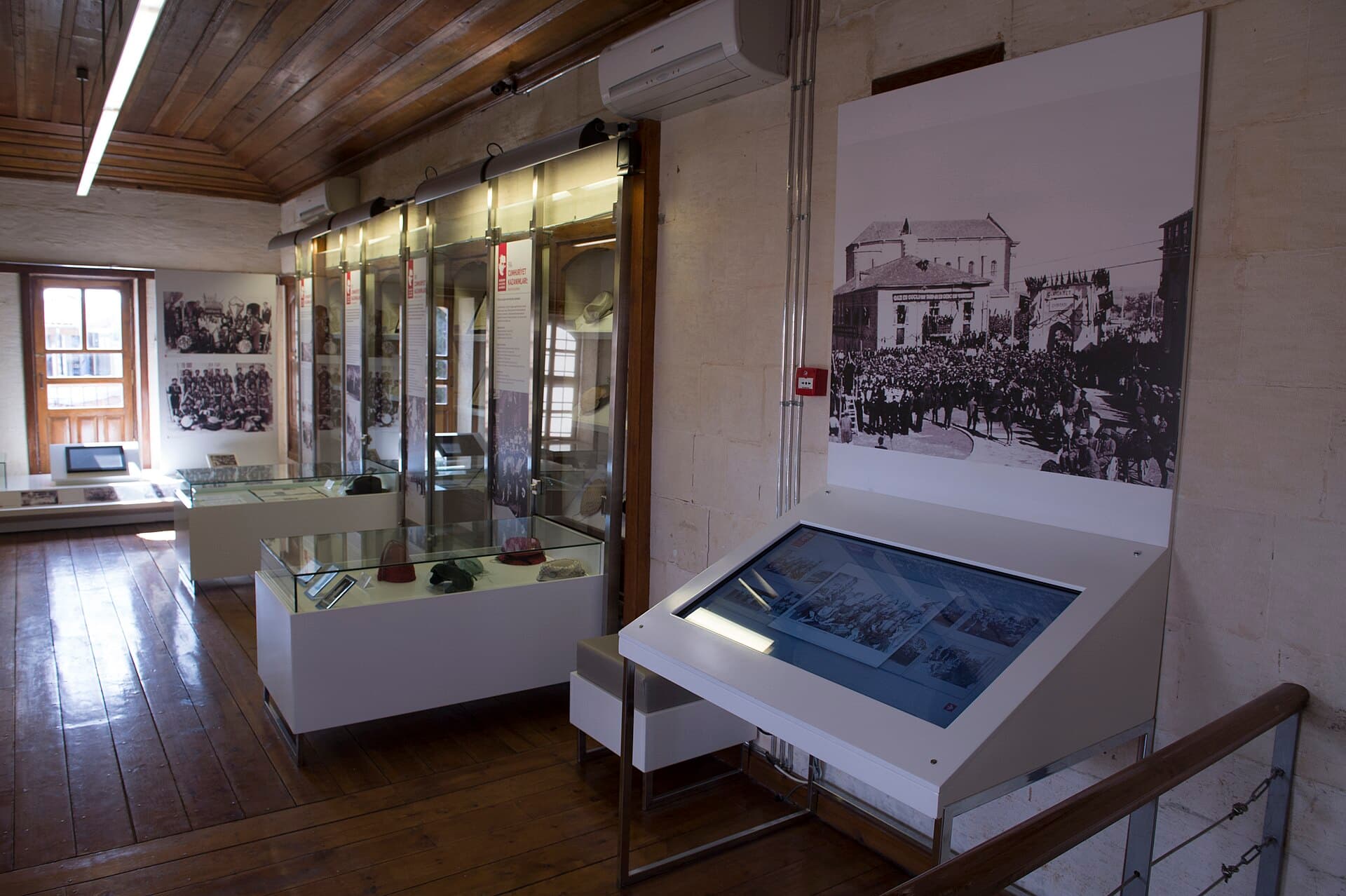 Bey Mahallesi (Historic Bey Quarter)When Atatürk visited Gaziantep in January 1933, the provincial council made him 10 minutes walk
 Gaziantep Archaeology MuseumThe skeleton of an extinct elephant stood in a locked hall for three and a half 13 minutes walk
Yes, but treat it as part of a walk through the market quarter rather than a destination in itself. The street alone is done in twenty minutes; the real pleasure is watching the work, then drifting into the bedesten, the hans and the coffee house. Anyone expecting something on the scale of Istanbul's Grand Bazaar will find it small.
Turn it over and look inside: hand work shows irregular hammer dimples and real weight, machine work is perfectly smooth and light. Ask the master outright whether he made it; most answer honestly, and compare the price at two shops before you buy.