
The Bride's Room
A henna-night film plays inside a chamber furnished as it was a century ago, and many visitors leave it dancing.
Dosseman — CC BY-SA 4.0 · Dosseman — CC BY-SA 4.0 · Dosseman — CC BY-SA 4.0 · Dosseman — CC BY-SA 4.0
There is a room on the first floor of this Antep mansion that people tend to leave dancing: the Bride's Room, where a henna-night film plays inside a chamber furnished as it was a century ago. It has become the signature scene of a museum that reopened on 10 May 2026 with a new name and a new idea. The house is far older than the idea. A cut-stone mansion built in the early 1900s in the Bey quarter, three storeys over a cellar hacked into bedrock, it was bought as a near-ruin in the 1980s by the businessman Hasan Süzer, who restored it and gave it to the state; it opened in 1989 as one of Gaziantep's first museums, the Hasan Süzer Ethnography Museum. That is still the name in most guidebooks and on Google Maps, and it is the same building. After a spell closed while the Ministry of Culture restored the fabric, Gaziantep Metropolitan Municipality and the Süzer family reorganised it around a single theme, marriage, arranged as a climb through the floors: the matchmaking visit, the engagement, the henna night, the trousseau, then the wedding itself. The rock-cut cellar shows the stores where grain and oil were kept; the ground floor holds the kitchen and the rooms where prospective in-laws were received; the first floor the dining, coffee and wedding rooms; the second the rituals against the evil eye, the household hammam and the trousseau rooms, each scene staged with mannequins in period dress, plus galleries of Antep goldsmithing, silverwork and copper. For an Arab visitor this is unusually good fun: almost every station has a counterpart in our own households, from the coffee ritual to the trousseau chests, and the differences in detail are the point. The house itself is half the visit. The hayat courtyard is worked in light and dark stone, three doors open onto two lanes, and a small freestanding wing in one corner now tells Hasan Süzer's own story. In summer the courtyard is shaded and the cellar cool, which is reason enough to step inside at an August midday. The narrow stone stairs between four levels are no place for a pushchair or for anyone who struggles with steps; children over six enjoy the mannequin scenes, younger ones will be bored within minutes. Allow 45 minutes, longer if the jewellery and metalwork hold you. It pairs neatly with its neighbours: the Toy Museum and the Atatürk memorial house are in the surrounding lanes and the castle is a ten-minute walk. The fee is a token municipal one in lira, like the city's other municipality-run museums, and the municipality's usual museum hours are 08:30-17:30; maps still show the old Ministry-era Monday closure, so check before you give it a Monday morning. If you will step inside one Ottoman house in Gaziantep, make it this one; if you have already done the house-museums of Safranbolu or Bursa, expect familiarity rather than surprise.
A henna-night film plays inside a chamber furnished as it was a century ago, and many visitors leave it dancing.
A store-cellar hacked into bedrock and a courtyard of light and dark stone, both a cool refuge in August heat.
From the matchmaking visit to the trousseau chests and the hammam, mannequin scenes that mirror our own households in small details.
Hanifioğlu Sokak No. 64, Bey Mahallesi, Şahinbey
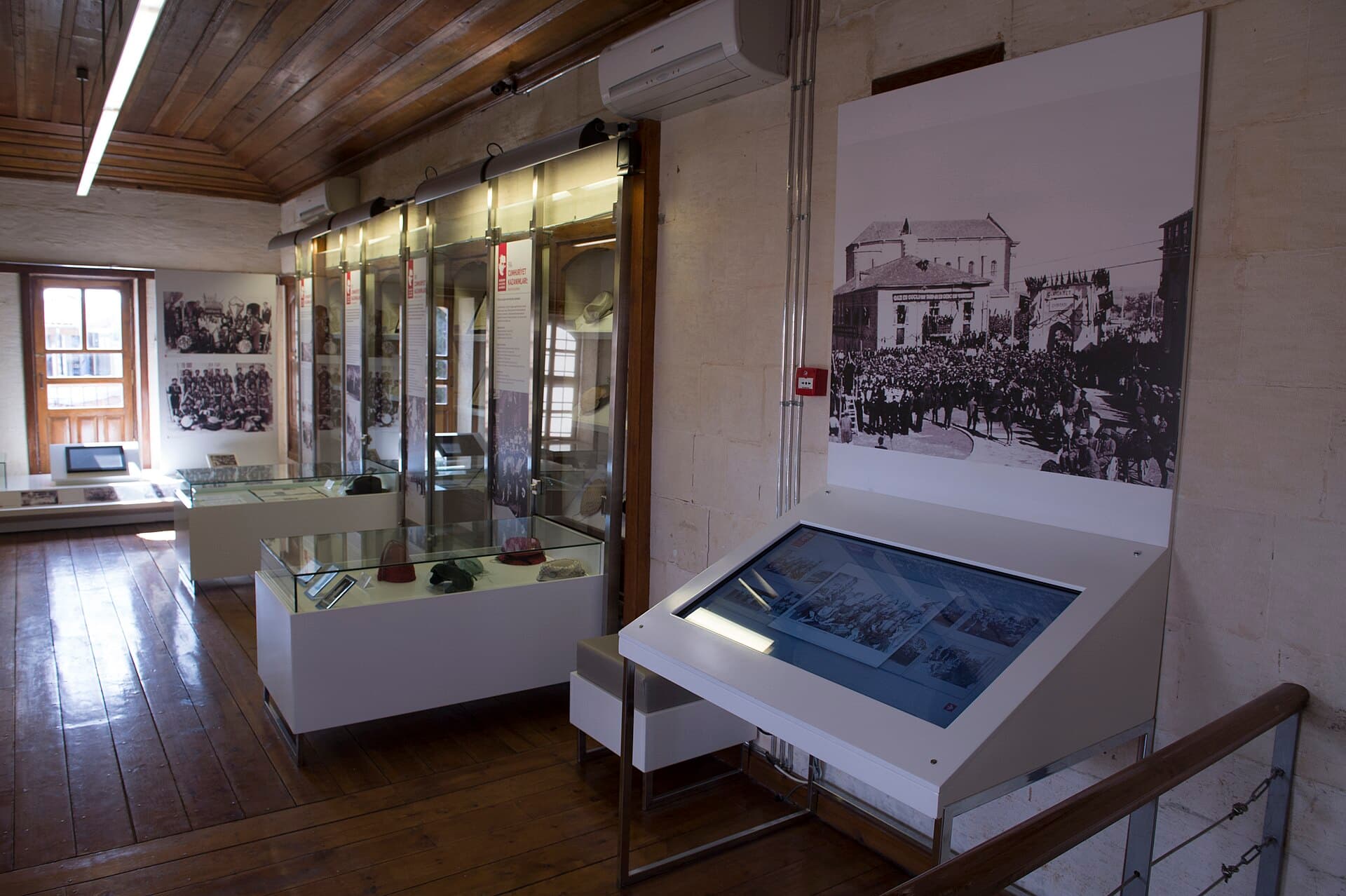 Bey Mahallesi (Historic Bey Quarter)When Atatürk visited Gaziantep in January 1933, the provincial council made him 1 minute walk4.7
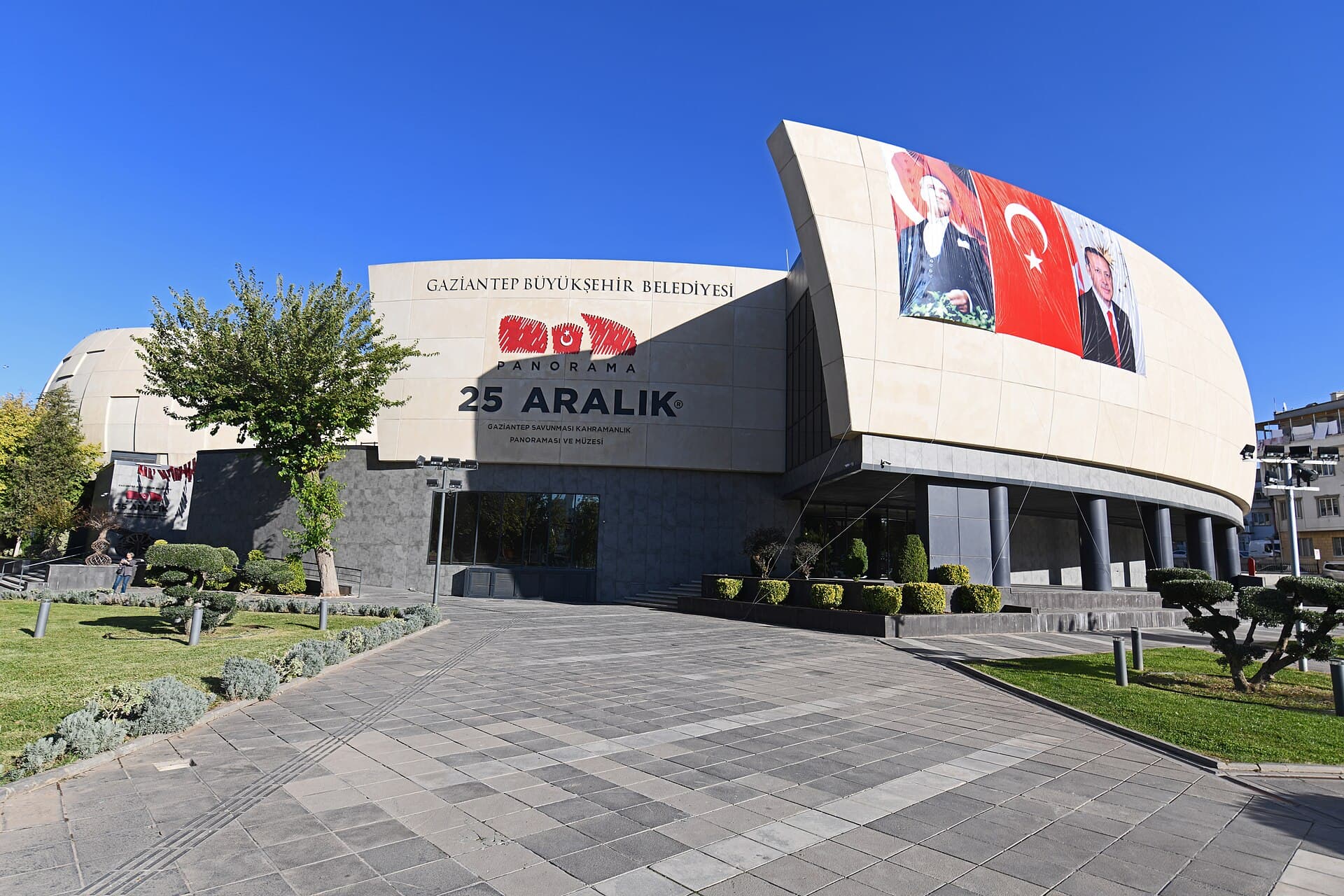 Panorama 25 Aralık MuseumOne oil painting, 120 metres long and roughly 13 metres high, wraps around you i6 minutes walk4.7
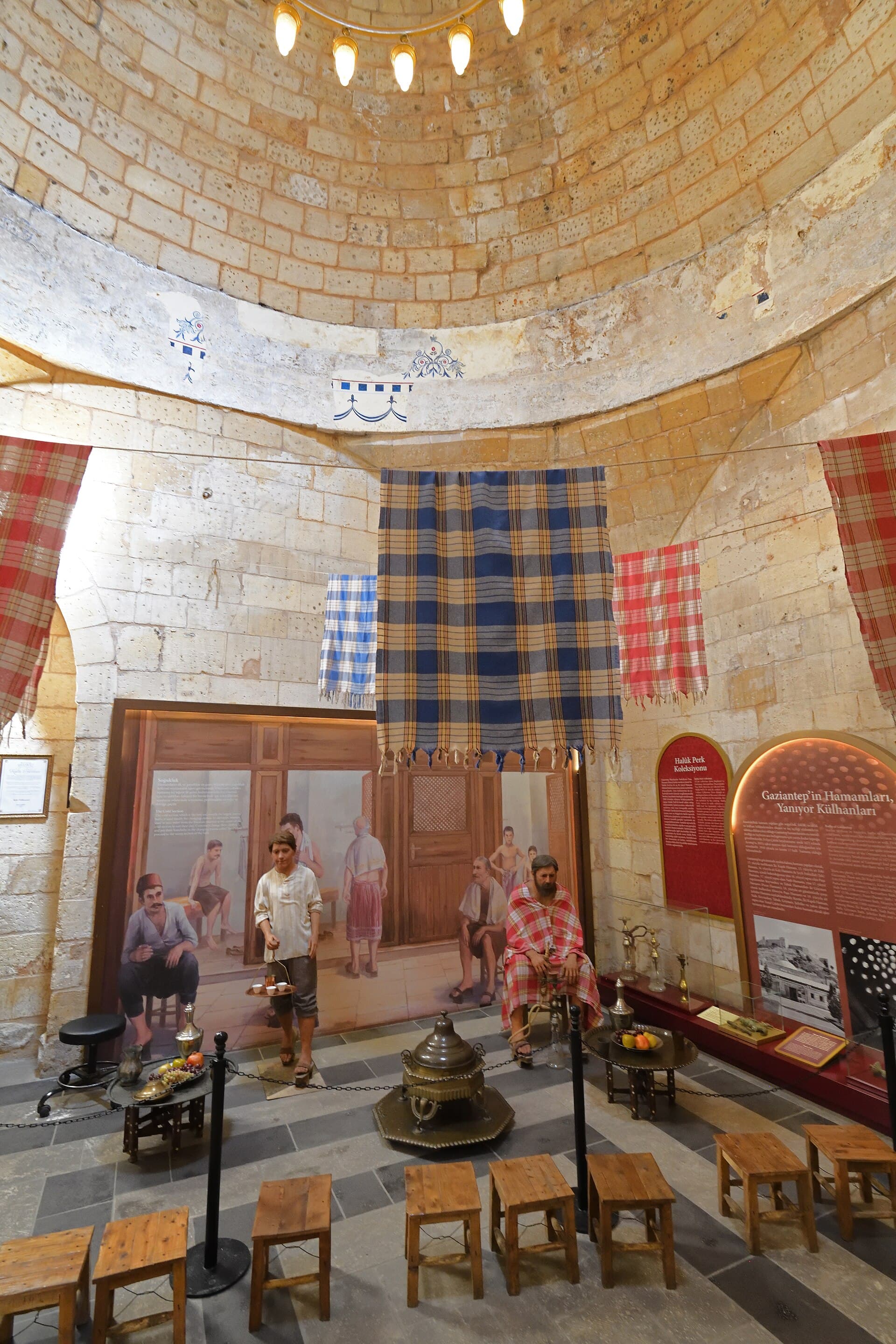 Gaziantep Hamam MuseumNobody undresses in this hamam and no water runs: the brides, the boys and the n7 minutes walk4.6
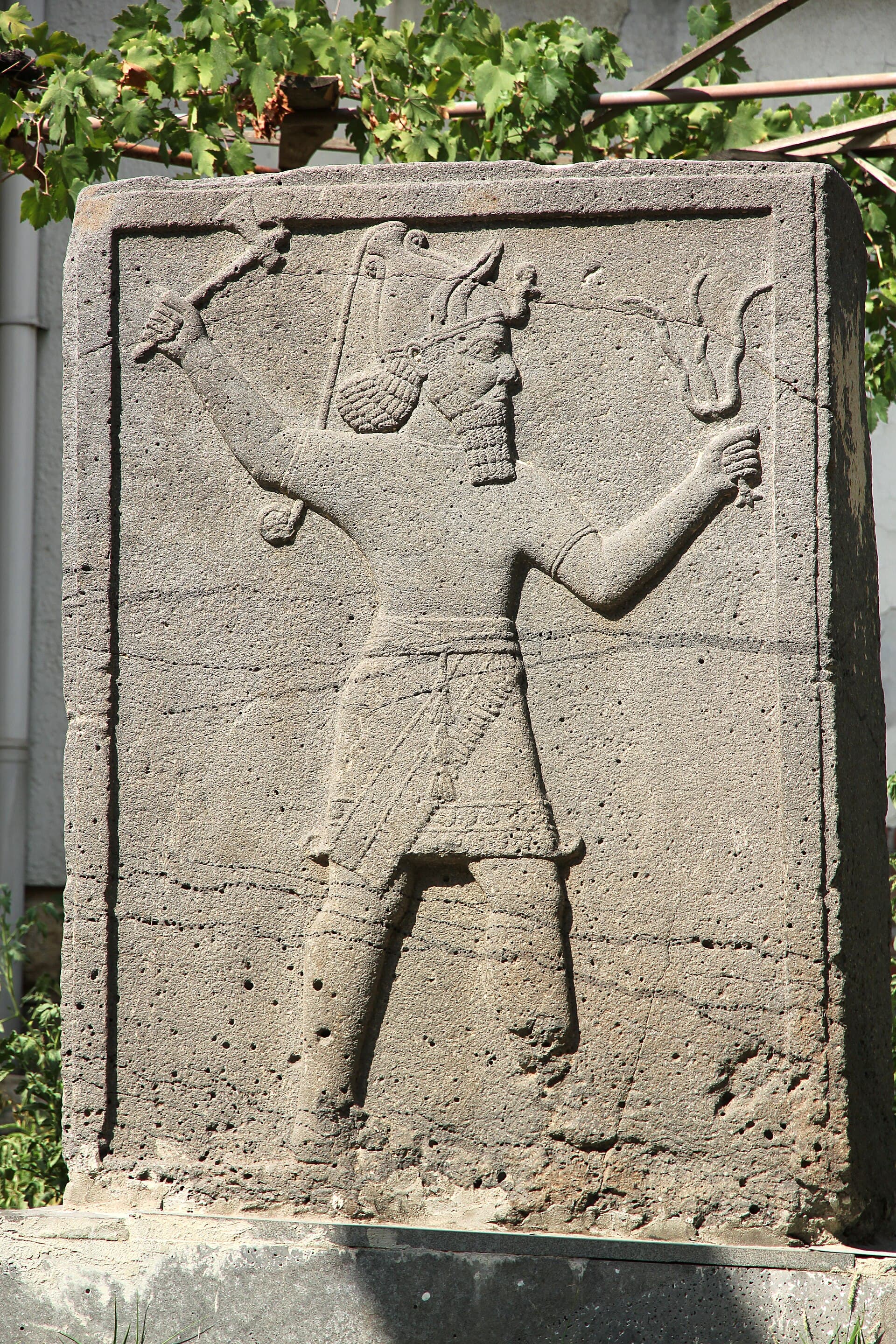 Gaziantep Archaeology MuseumThe skeleton of an extinct elephant stood in a locked hall for three and a half 10 minutes walk4.7
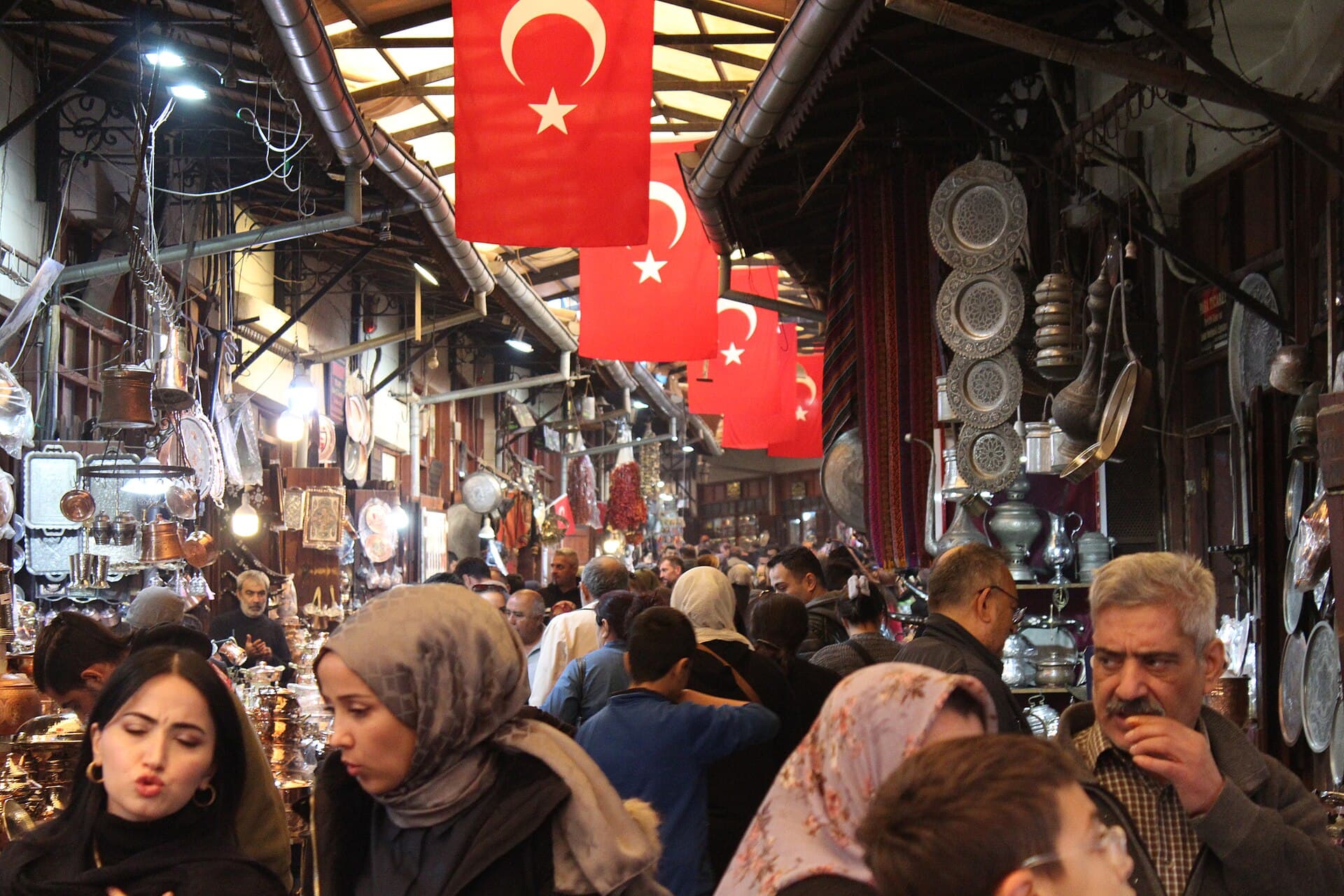 Coppersmiths' Bazaar (Bakırcılar Çarşısı)You hear this bazaar two streets before you see it. Copper-beating has been prac10 minutes walk4.0
Yes, the same house on Hanifioğlu Sokak. It closed for restoration and reopened under the municipality on 10 May 2026 with a new name and a new arrangement around marriage culture; older guides describe a general ethnographic display that is no longer laid out the same way.
If you want to be inside a real Antep house and understand how a family lived in it, this one; Bayazhan tells the whole city's story in a large trading khan and suits small children better. If you have done similar Ottoman house-museums elsewhere, Bayazhan alone will do.