
The wax tableaux
Bride's bath, circumcision bath and forty-day bath, old Antep's rituals staged room by room.
Dosseman — CC BY-SA 4.0 · Dosseman — CC BY-SA 4.0 · Dosseman — CC BY-SA 4.0 · Dosseman — CC BY-SA 4.0
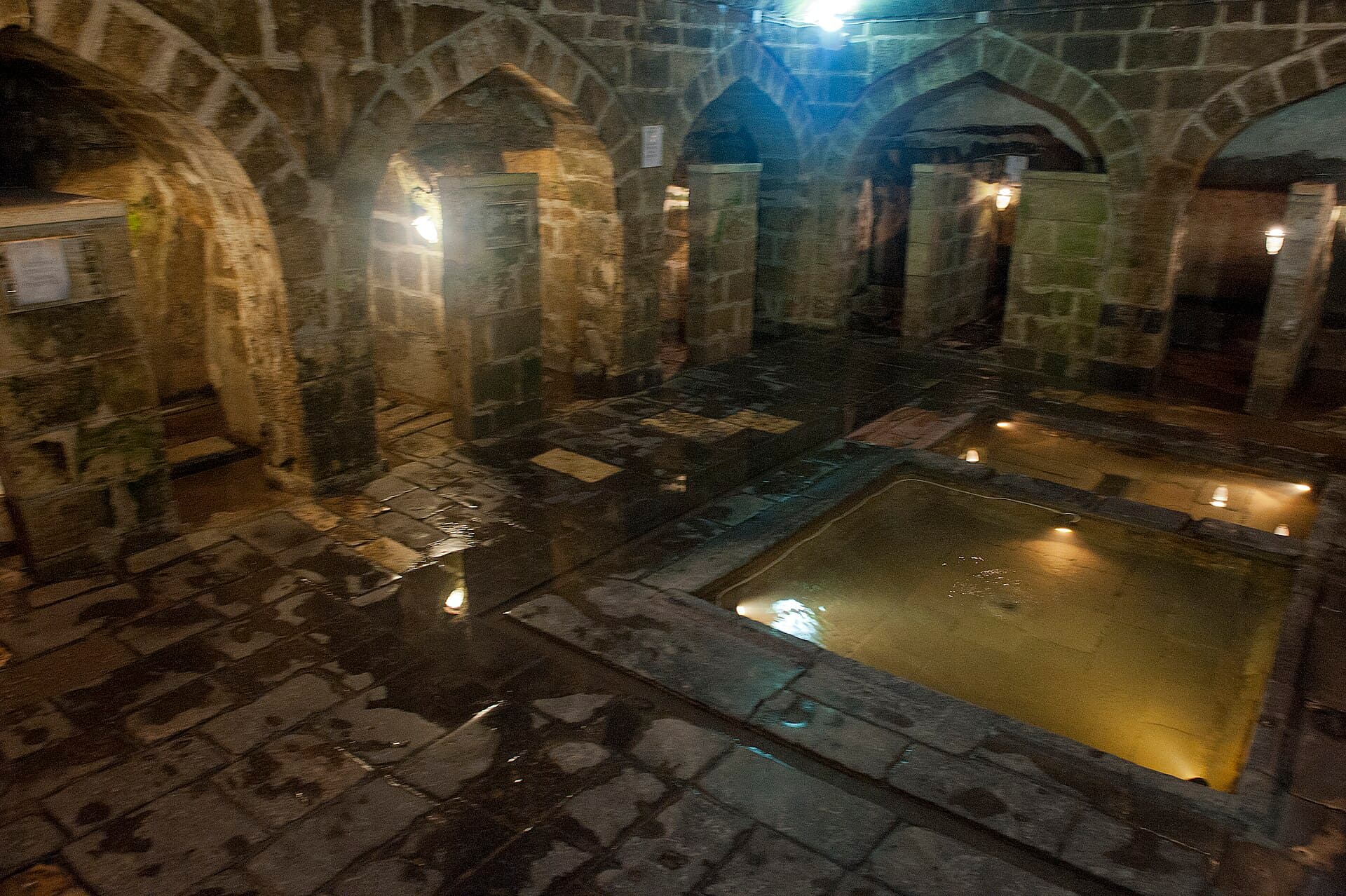
Nobody undresses in this hamam and no water runs: the brides, the boys and the new mothers are all wax, frozen mid-ritual for a decade now. The Paşa Hamamı was endowed in 1577 by Lala Mustafa Paşa, the conqueror of Cyprus who also governed Damascus and Aleppo, and it stayed a working bath for centuries until Gaziantep's metropolitan municipality restored it and opened it as a museum in September 2015. It sits a few minutes' walk below the castle, with the Culinary Museum next door, so the two go together in one loop. Old Antep baths were dug below street level to hold their heat and draw groundwater directly, so the visit starts with a staircase down into the soğukluk, the cold hall, then on through the warm and hot rooms in the order the city's residents once followed. Each room stages a custom in wax: the bride's bath with its perfumed fumigation before the wedding, the circumcision bath, the forty-day bath for a mother after childbirth. The objects come from the Haluk Perk collection, inlaid wooden clogs, copper bowls, ewers, soaps and peştemal towels. The hot section holds a small surprise, the gulleytin pool, a ritual immersion bath used by the city's Jewish community and a quiet reminder of how mixed Antep was a century ago. Keep expectations honest: this is a small museum that half an hour exhausts, and the wax figures are in the gentle style of Turkish municipal museums, charming rather than startling. What genuinely earns a pause is the building itself, the stone domes pierced by glass 'elephant-eye' lenses that scatter light across the hot room, and the delicious coolness of the place at an August noon while the street bakes above you. There is no working bath and no bathing service here, so leave the towel at the hotel. Entry is roughly 15 lira, free for students, teachers and over-65s, and the museum is open every day of the week from 08:30 to 17:30. The staircase at the entrance and the stone floors make it awkward with a pushchair, but children of six and up enjoy the figures, the touch-screens and the soap-making machine. Fold it into a morning that starts at the castle and ends with lunch in the bazaar rather than making a trip of it.
Bride's bath, circumcision bath and forty-day bath, old Antep's rituals staged room by room.
Round glass lenses set into the stone domes scatter light across the hot room, the best thing in the building.
A ritual immersion bath used by the city's Jews inside an Ottoman hamam, a rare detail you will not find elsewhere.
Sadık Dai Sokak No. 20, Karagöz Mahallesi, Şahinbey
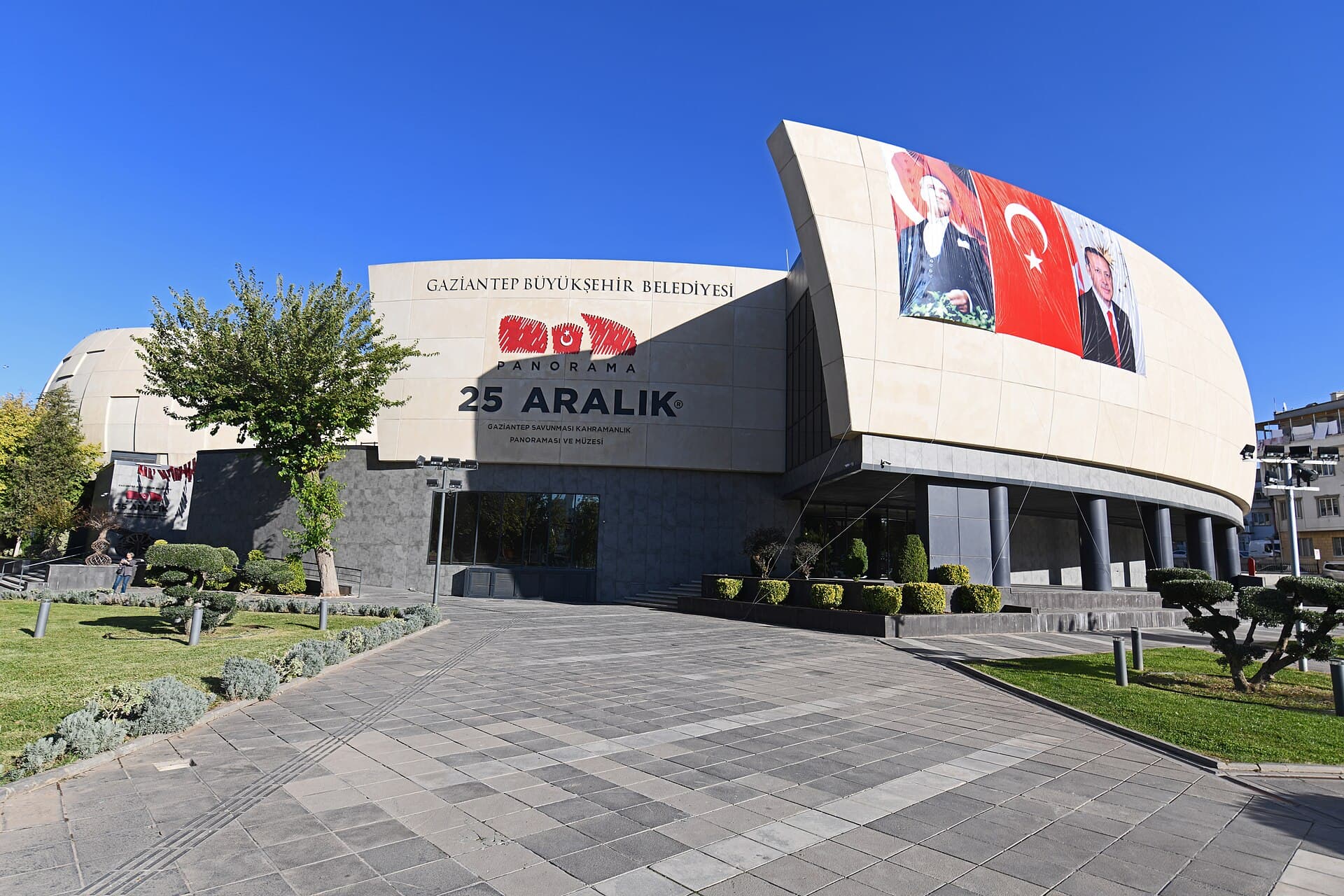 Panorama 25 Aralık MuseumOne oil painting, 120 metres long and roughly 13 metres high, wraps around you i4 minutes walk
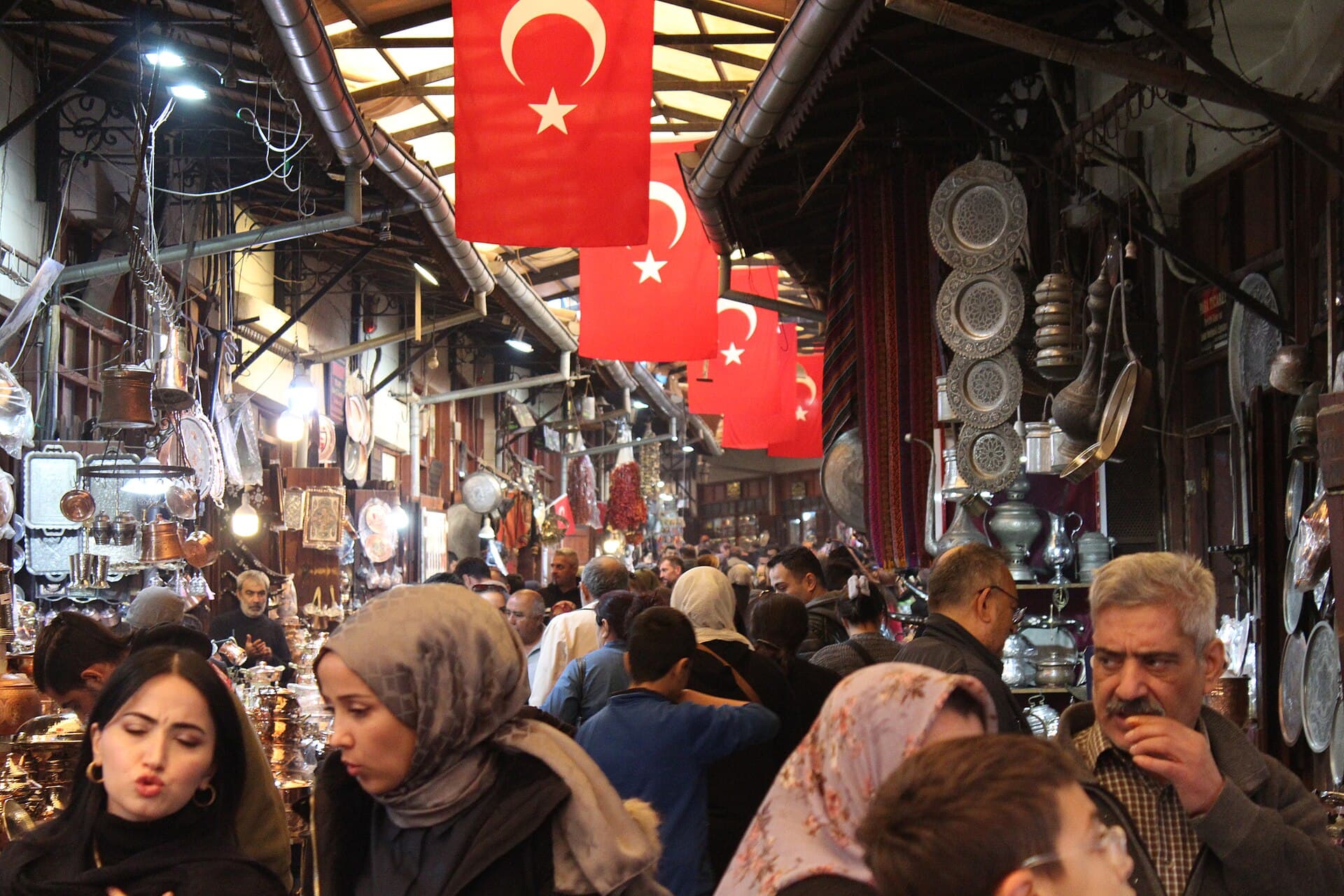 Coppersmiths' Bazaar (Bakırcılar Çarşısı)You hear this bazaar two streets before you see it. Copper-beating has been prac5 minutes walk
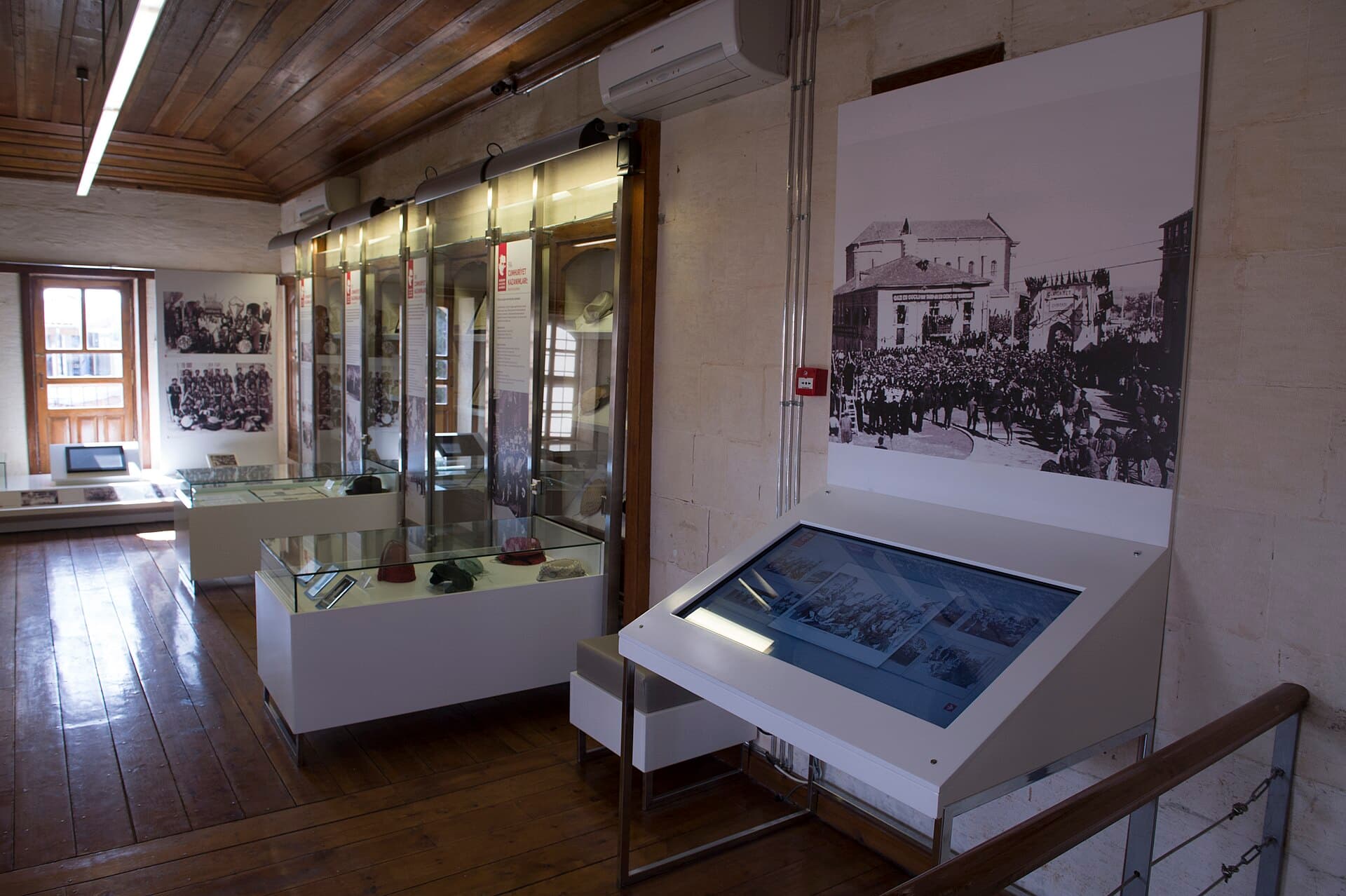 Bey Mahallesi (Historic Bey Quarter)When Atatürk visited Gaziantep in January 1933, the provincial council made him 7 minutes walk
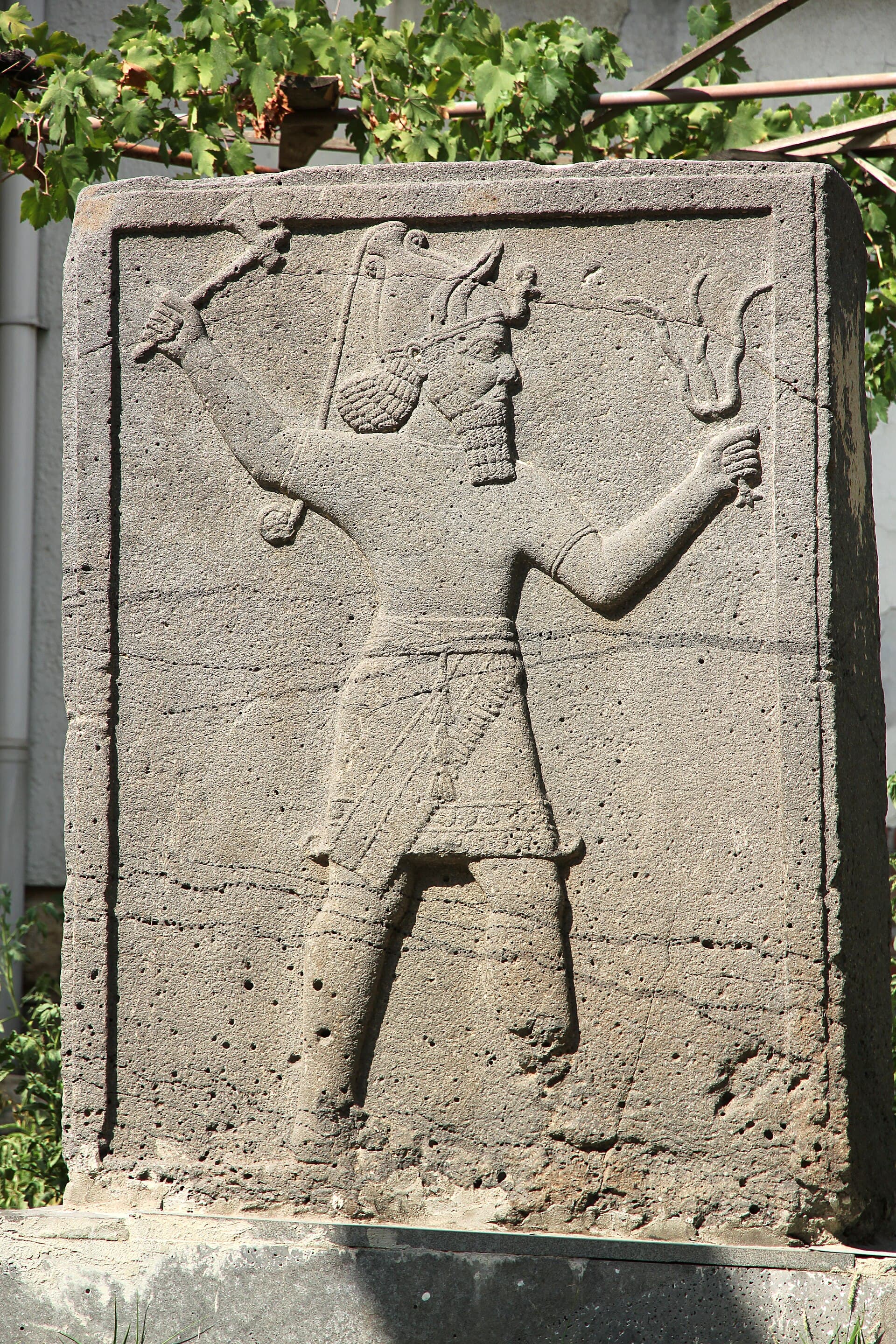 Gaziantep Archaeology MuseumThe skeleton of an extinct elephant stood in a locked hall for three and a half 8 minutes walk
 Pişirici Kastel and MescitSome seven metres beneath the lanes of Gaziantep's old bazaar sits a small mosqu10 minutes walk
Only a museum, no water, no scrub, no family rooms. If you want a real bath in Gaziantep, ask your hotel about a working hamam in the old town with separate men's and women's hours, and see this museum first so you understand what you are looking at.
Yes if they are six or older and you are already at the castle or the Culinary Museum next door, the figures and touch-screens hold them for twenty minutes. With a pushchair it is awkward, the entrance is a staircase and the floors are stone.