
The panorama hall
A 120-metre, 13-metre-high painting encircles you in a soaring hall with battle sound effects.
Dosseman — CC BY-SA 4.0 · Dosseman — CC BY-SA 4.0 · Dosseman — CC BY-SA 4.0 · Dosseman — CC BY-SA 4.0
One oil painting, 120 metres long and roughly 13 metres high, wraps around you in a soaring hall built specifically to hold it, while artillery, gunfire and shouting play over the speakers. That is the moment the entire museum is built towards; everything before it is a run-up, and anyone who walks out of it understands why the city carries 'Gazi' in its name. The subject is the siege of Antep by French forces in 1920-21 and the town's resistance until the French withdrew on 25 December 1921, the date that gave the city its title and the museum its name. The site is part of the story. Here, on the Alleben stream right at the foot of the castle, stood the Ayntâb Redif depot, an Ottoman army store in service until 1912 that was flattened by French shelling; the ground then stayed with the Turkish military as a gendarmerie headquarters and NCO lodgings until recently. Gaziantep Metropolitan Municipality built the present museum on the plot, President Erdoğan opened it on 21 December 2020, and it passed a million and a half visitors within five years. The route begins with a city-identity gallery holding Neolithic finds turned up during construction, then moves through occupation maps, resistance telegrams, a 'who is who' gallery of the defenders' weapons and personal effects, fourteen oil paintings by the Russian painter Alexander Samsonov and three dioramas, before the panorama hall where the whole journey is compressed into one room. Be clear about what this is: an unashamedly Turkish nationalist telling, a final hall that is more sensory experience than history lesson, and captions mostly in Turkish, so do not expect thorough English or Arabic panels. Even so, it is the best single introduction to Gaziantep's self-assured character, and it complements the castle above it rather than duplicating it. For families, it suits school-age children and up; the sound effects in the last hall can frighten very small ones, and entry is free for students, teachers and over-65s. The museum is enclosed and air-conditioned, which makes it a genuine refuge on an August afternoon when Gaziantep tops forty degrees. Give it an hour and pair it with the castle immediately before or after, since the two entrances are minutes apart on foot.
A 120-metre, 13-metre-high painting encircles you in a soaring hall with battle sound effects.
An Ottoman army store in service until 1912 and destroyed by French shelling; the museum was built on its plot by the Alleben stream.
Fourteen oil paintings by Russian artist Alexander Samsonov and three dioramas lead up to the main hall.
Derekenarı Sokak No. 39, at the foot of Gaziantep Castle, Şahinbey
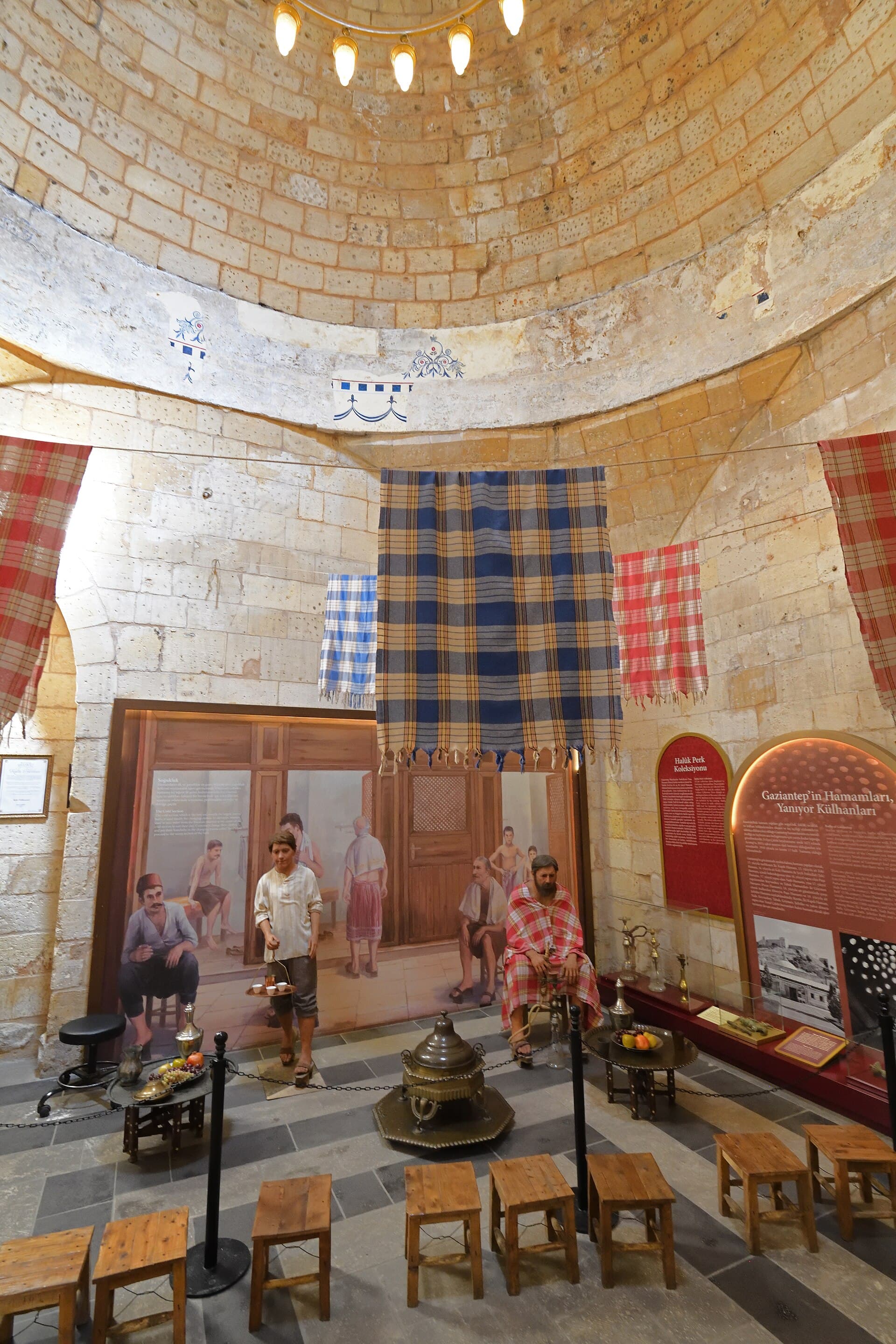 Gaziantep Hamam MuseumNobody undresses in this hamam and no water runs: the brides, the boys and the n4 minutes walk
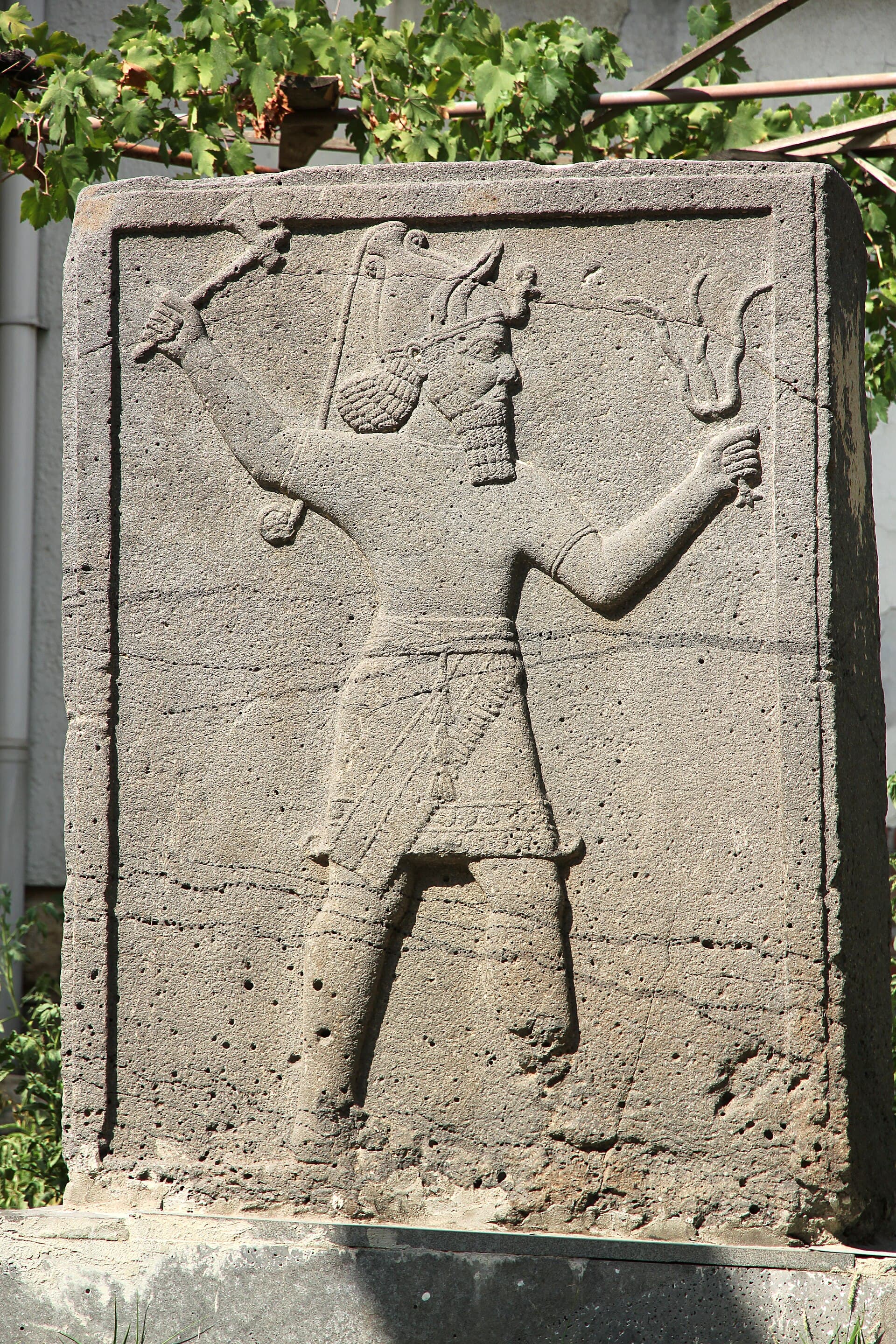 Gaziantep Archaeology MuseumThe skeleton of an extinct elephant stood in a locked hall for three and a half 4 minutes walk
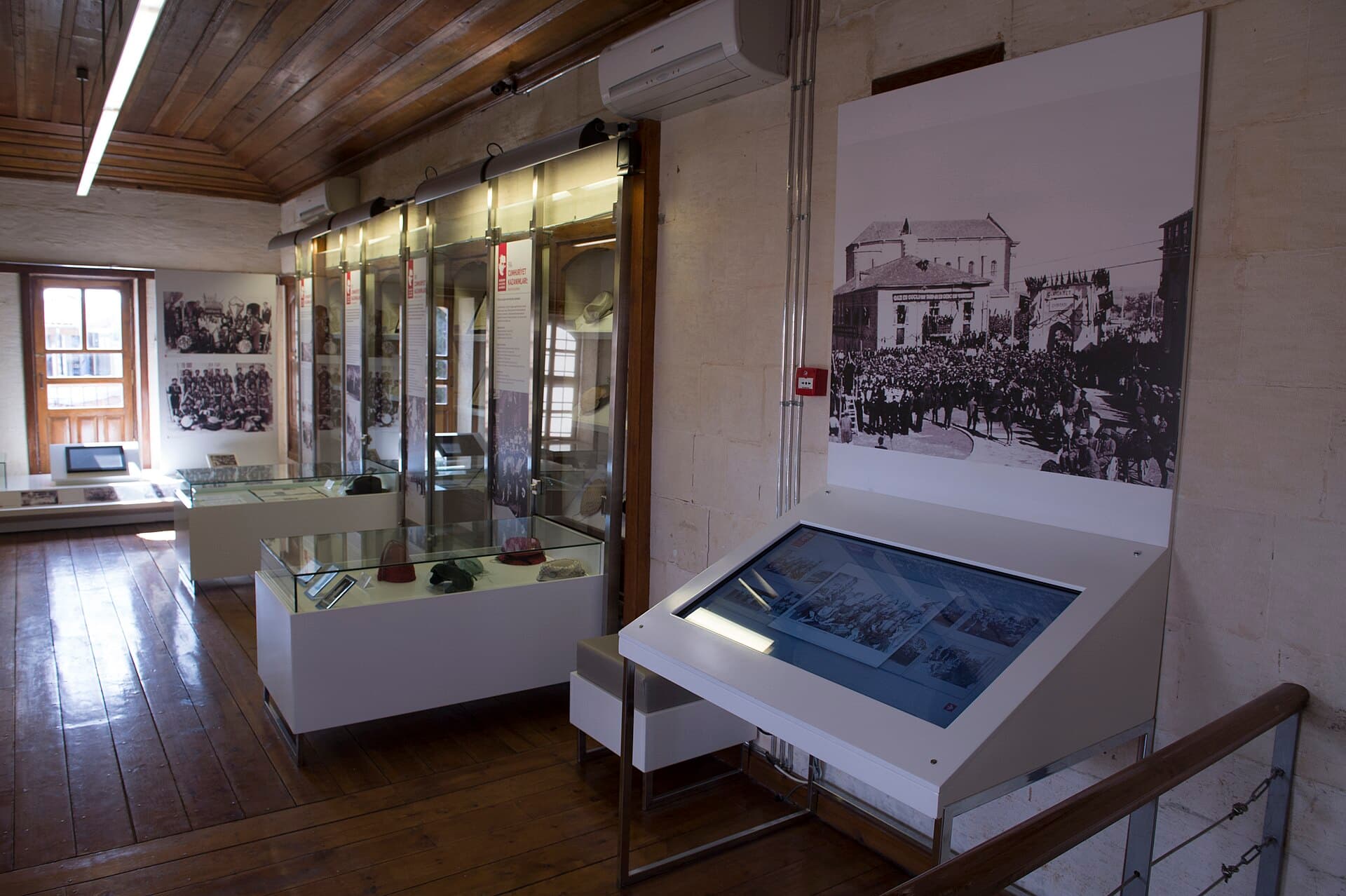 Bey Mahallesi (Historic Bey Quarter)When Atatürk visited Gaziantep in January 1933, the provincial council made him 7 minutes walk
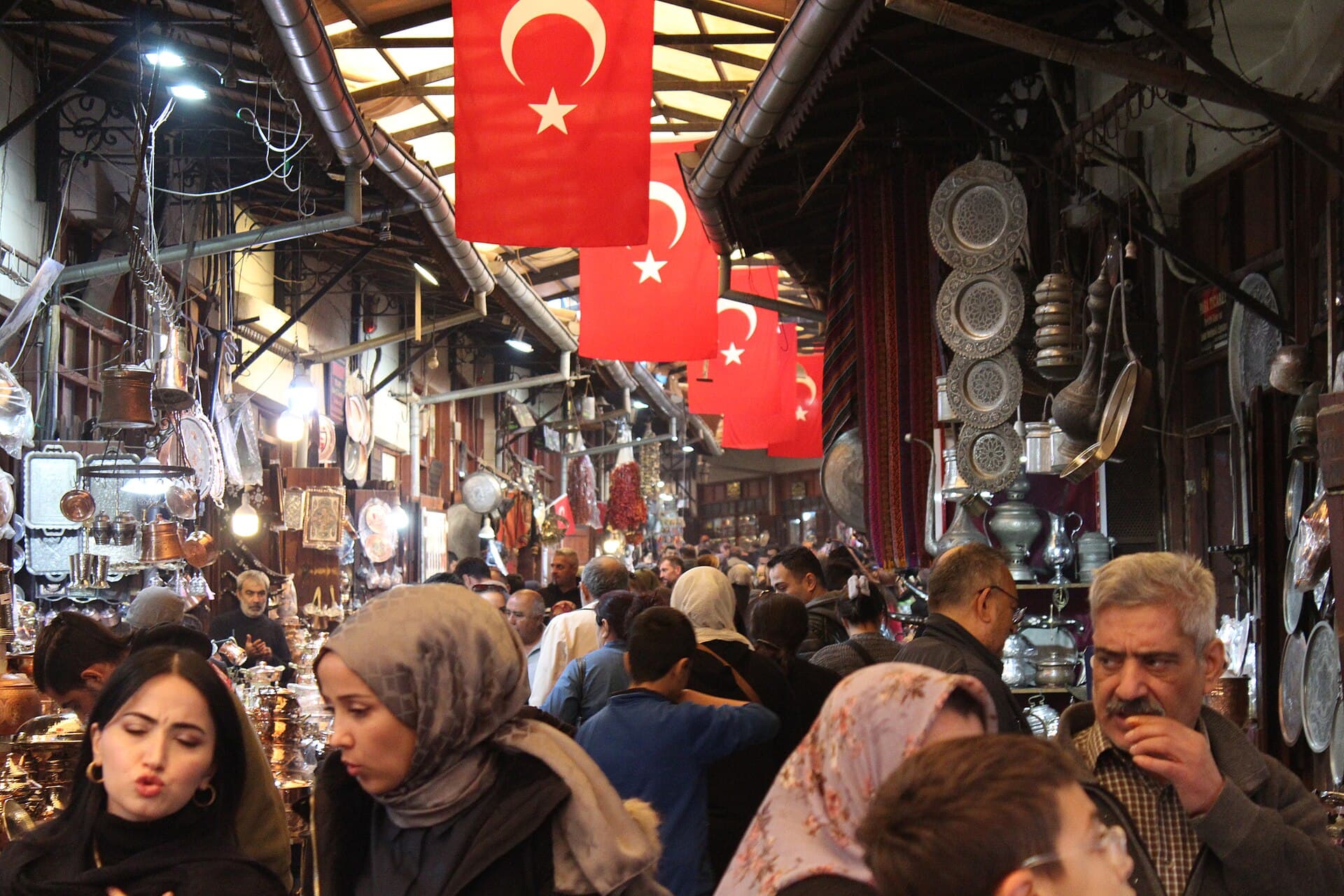 Coppersmiths' Bazaar (Bakırcılar Çarşısı)You hear this bazaar two streets before you see it. Copper-beating has been prac9 minutes walk
 Pişirici Kastel and MescitSome seven metres beneath the lanes of Gaziantep's old bazaar sits a small mosqu14 minutes walk
Yes: the museum does not repeat the castle, it explains what you see from it, and the panorama hall has no equivalent up there. If you only have time for one museum in Gaziantep, though, the Zeugma Mosaic Museum matters far more.
Barely; most panels are Turkish only, though the panorama and dioramas need no words. Read a little about the siege of Antep beforehand and you will get much more out of it.