
A river as a beach
Munich's residents sit on the gravel, swim and grill inside the city.
Rufus46 — CC BY-SA 3.0 · Flocci Nivis — CC BY 4.0 · Flocci Nivis — CC BY 4.0 · Flocci Nivis — CC BY-SA 4.0
A bridge over the Isar south of central Munich, linking the western bank to the Museumsinsel where the Deutsches Museum stands. The present bridge dates from the early twentieth century and is among those rebuilt after the war. What makes it worth stopping on is the river rather than the bridge: the Isar in Munich is not a walled channel but a broad natural course with gravel islands, open banks and trees. Between 2000 and 2011 a major project removed the concrete embankments and returned the river to a near-natural course — among the best-known river restoration schemes in Europe. The result is that Munich's residents use the Isar banks as a beach: in summer they sit on the gravel, swim in the cold water and grill on the banks, entirely within the city. From the bridge you see all of this, and the walking route on both banks runs for kilometres north and south. This is a stop on the way to the Deutsches Museum rather than a destination.
Munich's residents sit on the gravel, swim and grill inside the city.
Among Europe's best-known projects returning a river to nature.
It runs for kilometres north and south for walking and cycling.
Over the Isar, south of central Munich
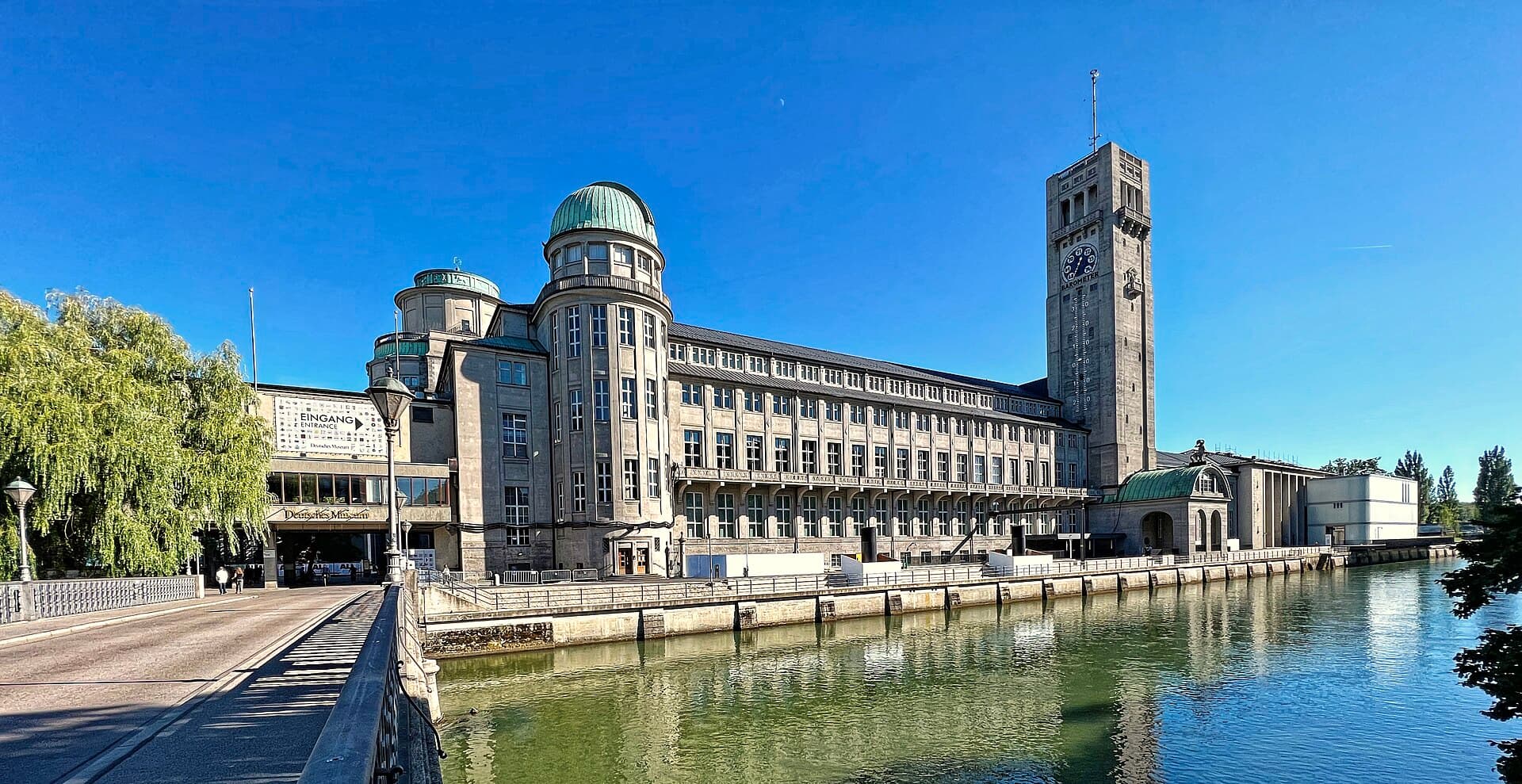 Deutsches MuseumThe Deutsches Museum stands on Museumsinsel, an island in the river Isar in cent4 minutes walk4.6
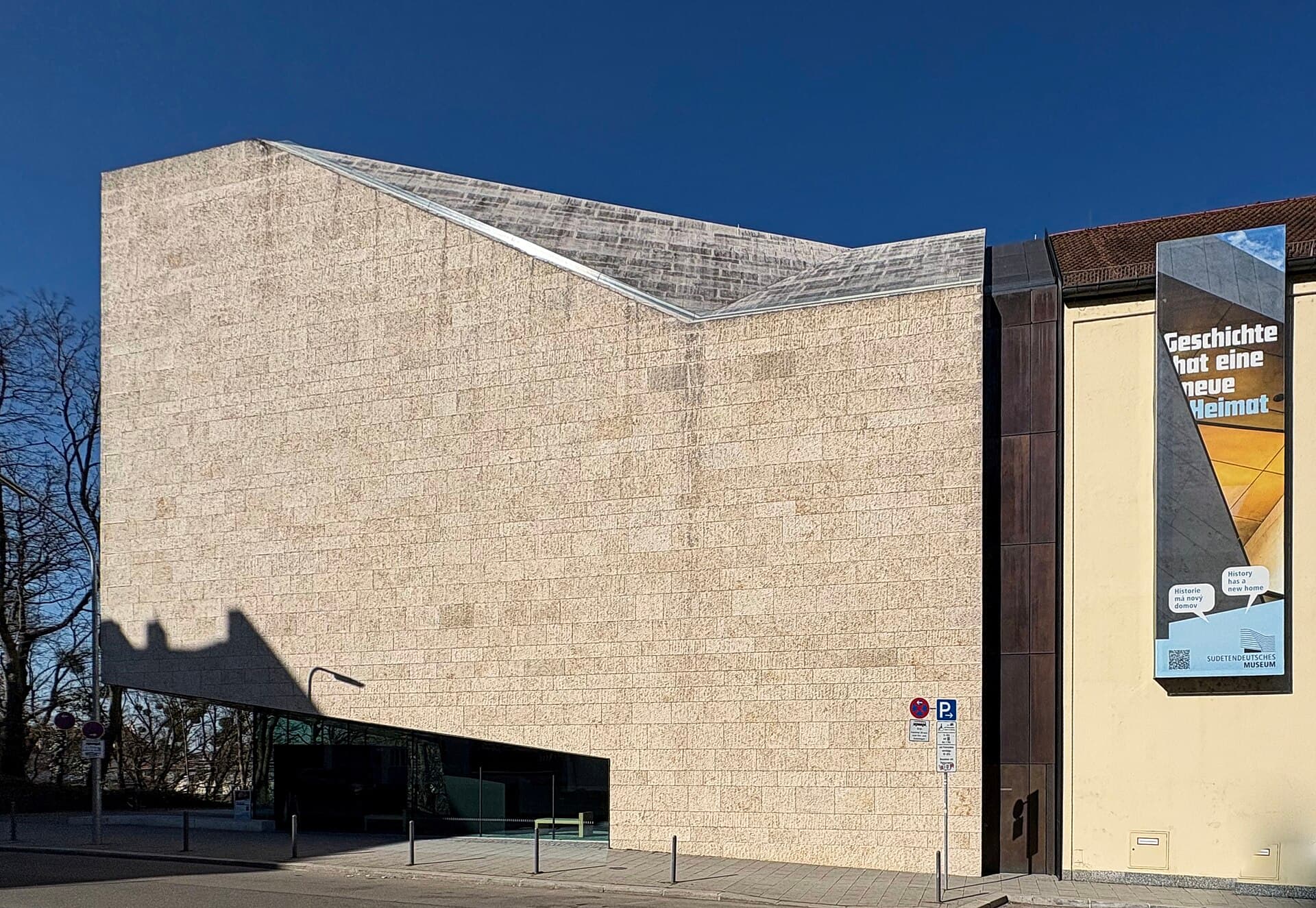 The Sudeten German MuseumThe Sudeten German Museum opened in 2020 and addresses a subject still sensitive8 minutes walk4.7
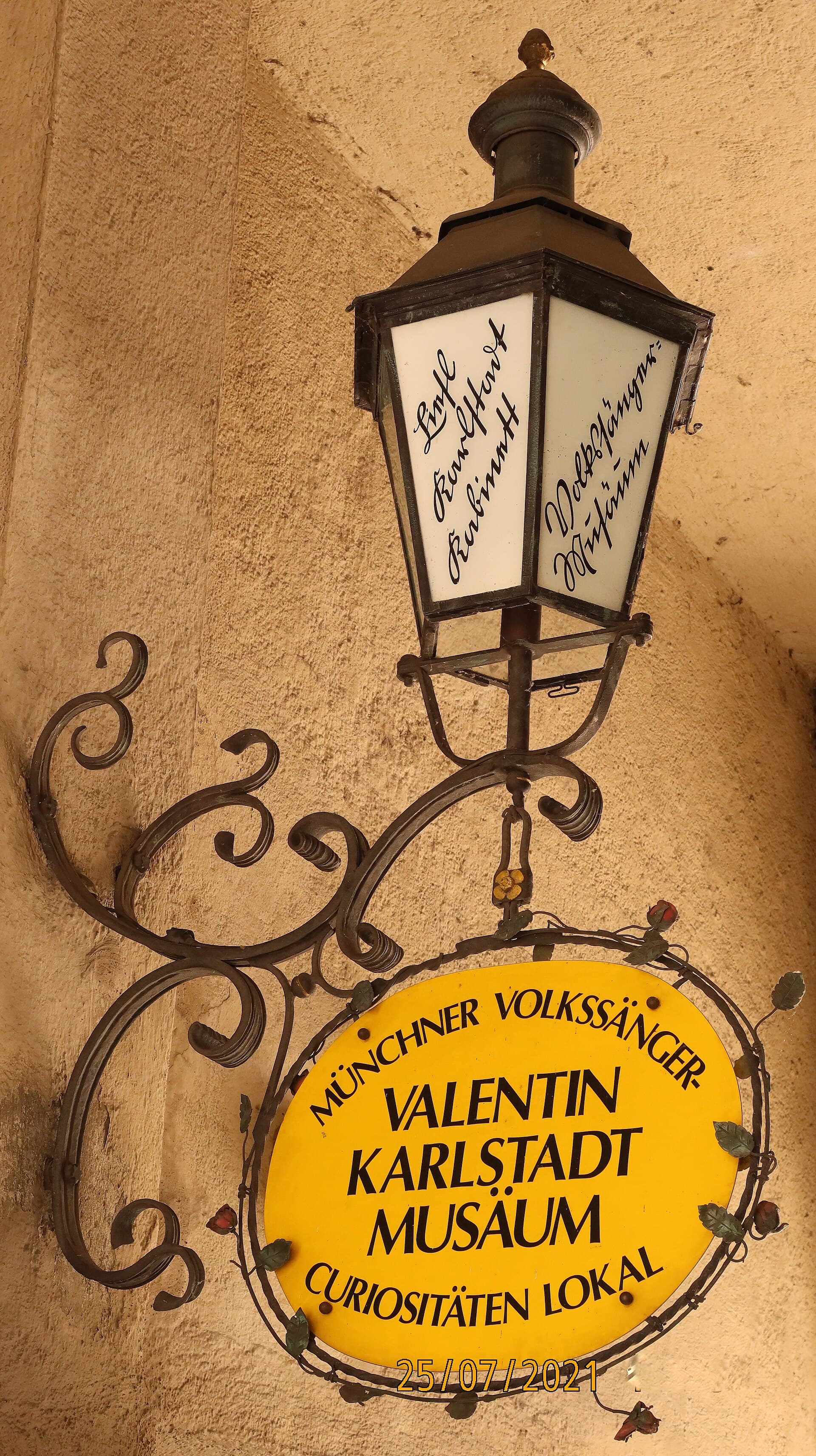 The Valentin-Karlstadt MusaeumThis museum sits inside the Isartor — one of the surviving gates of Munich's med9 minutes walk4.7
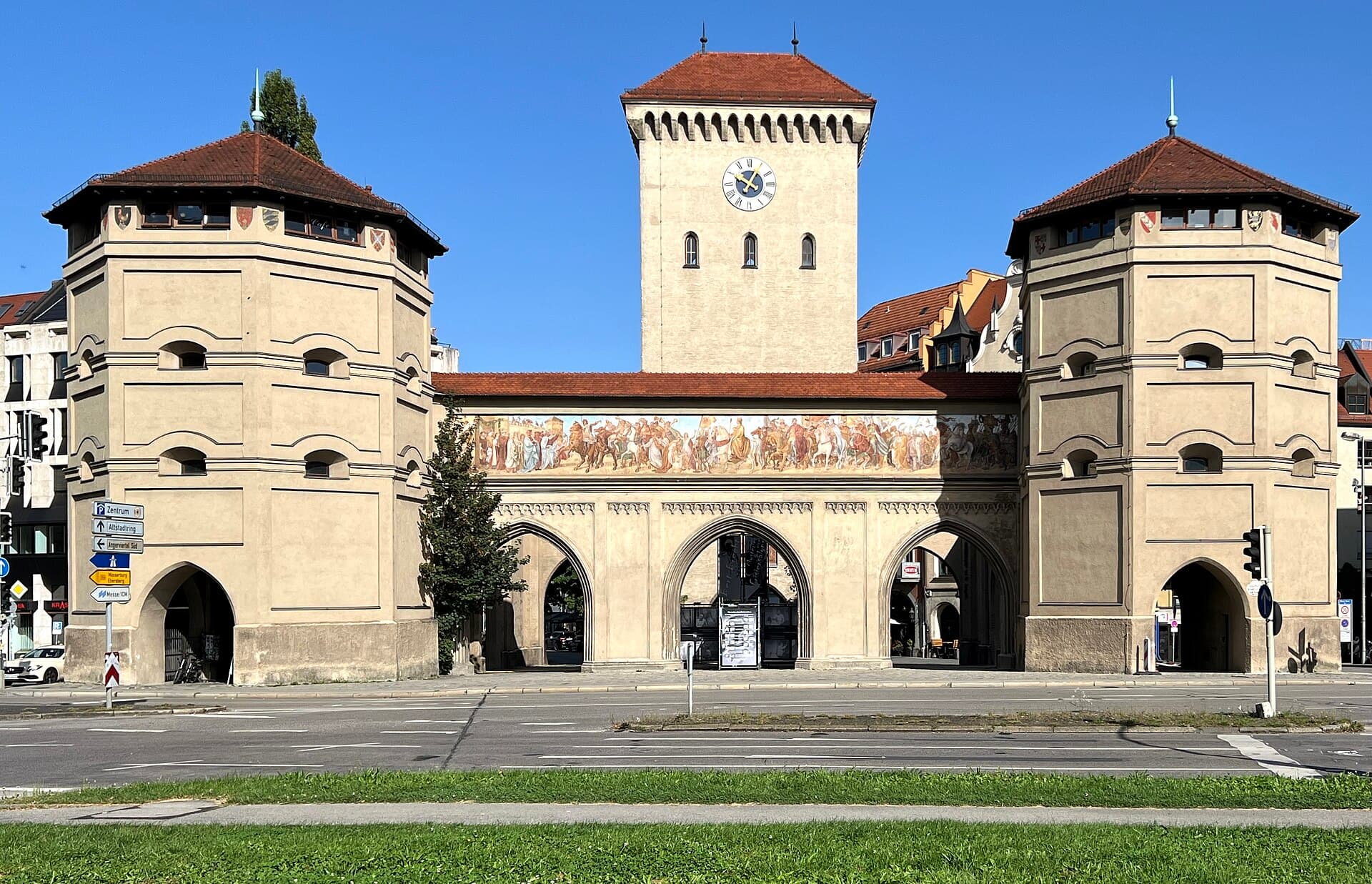 IsartorThe Isartor is the eastern gate of Munich's medieval wall, built in 1337 and the9 minutes walk4.6
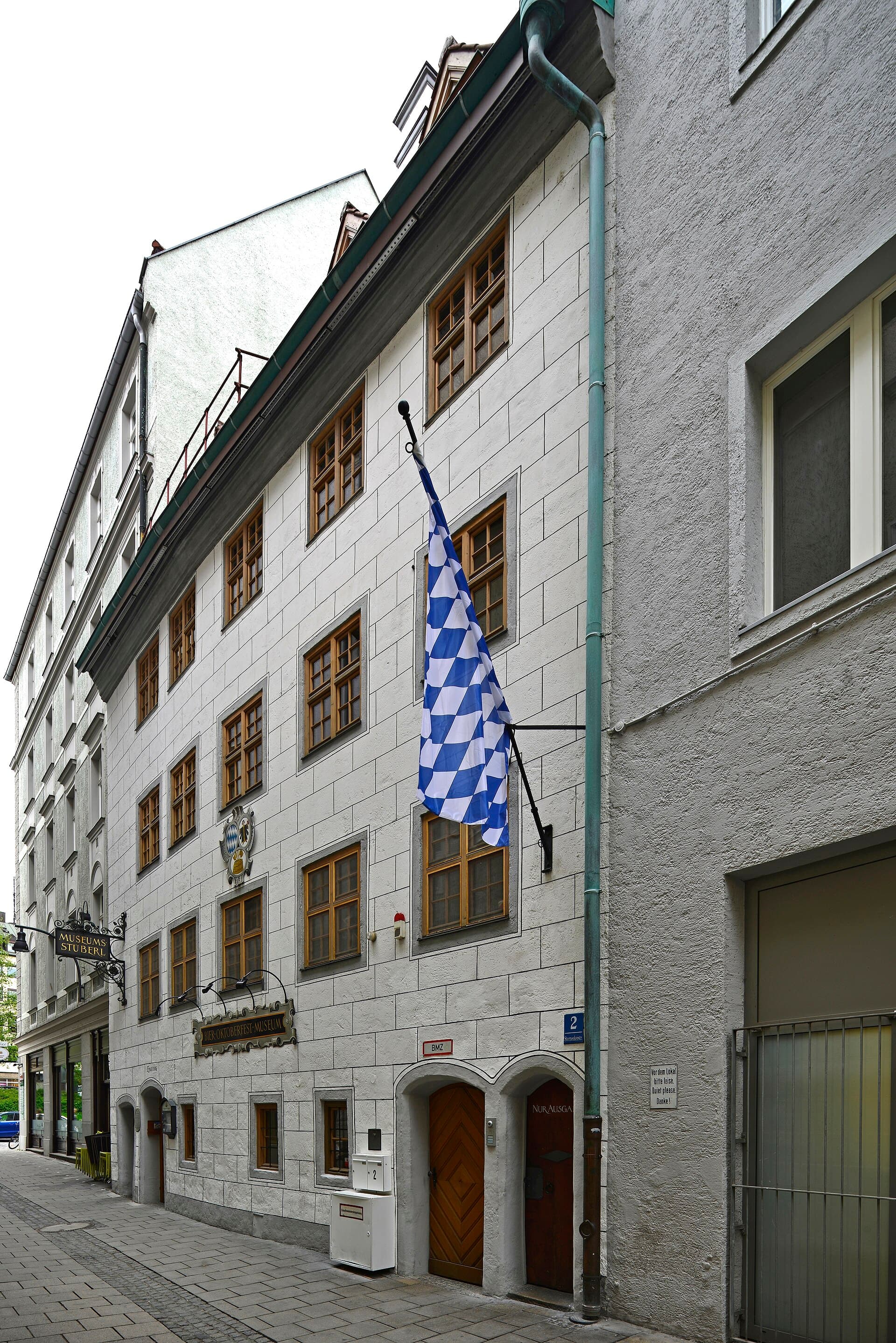 Beer and Oktoberfest MuseumThe Beer and Oktoberfest Museum is a small museum in one of Munich's oldest hous9 minutes walk4.4
The largest museum of science and technology in the world, on an island in the Isar, founded in 1903. It covers everything from mining to aviation to nuclear physics, and holds a complete underground coal mine, aircraft, spacecraft and a submarine. It is vast — it cannot be seen in a day, and it is being renovated in phases so some sections may be closed.
Munich's residents swim in it in summer and the practice is common and accepted, but it is a mountain river: the water is very cold even in August, and the current is strong in places, especially after rain or snowmelt. There is no lifeguard service. Keep to the shallow stretches people actually use, and do not swim alone or after rain.