
The copper facade
A striking stepped building of 2020.
Burkhard Mücke — CC BY-SA 4.0 · Burkhard Mücke — CC BY-SA 4.0 · Burkhard Mücke — CC BY-SA 4.0 · Burkhard Mücke — CC BY-SA 4.0
The Sudeten German Museum opened in 2020 and addresses a subject still sensitive in central Europe: the German-speaking minority that lived for centuries in Bohemia and Moravia — today's Czechia — and was expelled after the Second World War. The story is layered and the museum does not simplify it: it presents centuries of German presence in those regions, its culture and industries, then how the Sudeten German question was used by Hitler as the pretext for annexing the Sudetenland in 1938 and dismantling Czechoslovakia, and then the mass expulsion of around three million people after 1945 and the violence that accompanied it. That order is deliberate: the museum does not present the expulsion as an isolated injustice but places it in its causal sequence, which is what made it acceptable where earlier attempts drew accusations of historical revisionism. The building is architecturally striking, with a stepped copper facade, and the display is thoroughly modern.
A striking stepped building of 2020.
Centuries of presence, then 1938, then expulsion.
Hochstrasse 10, 81669 Munich
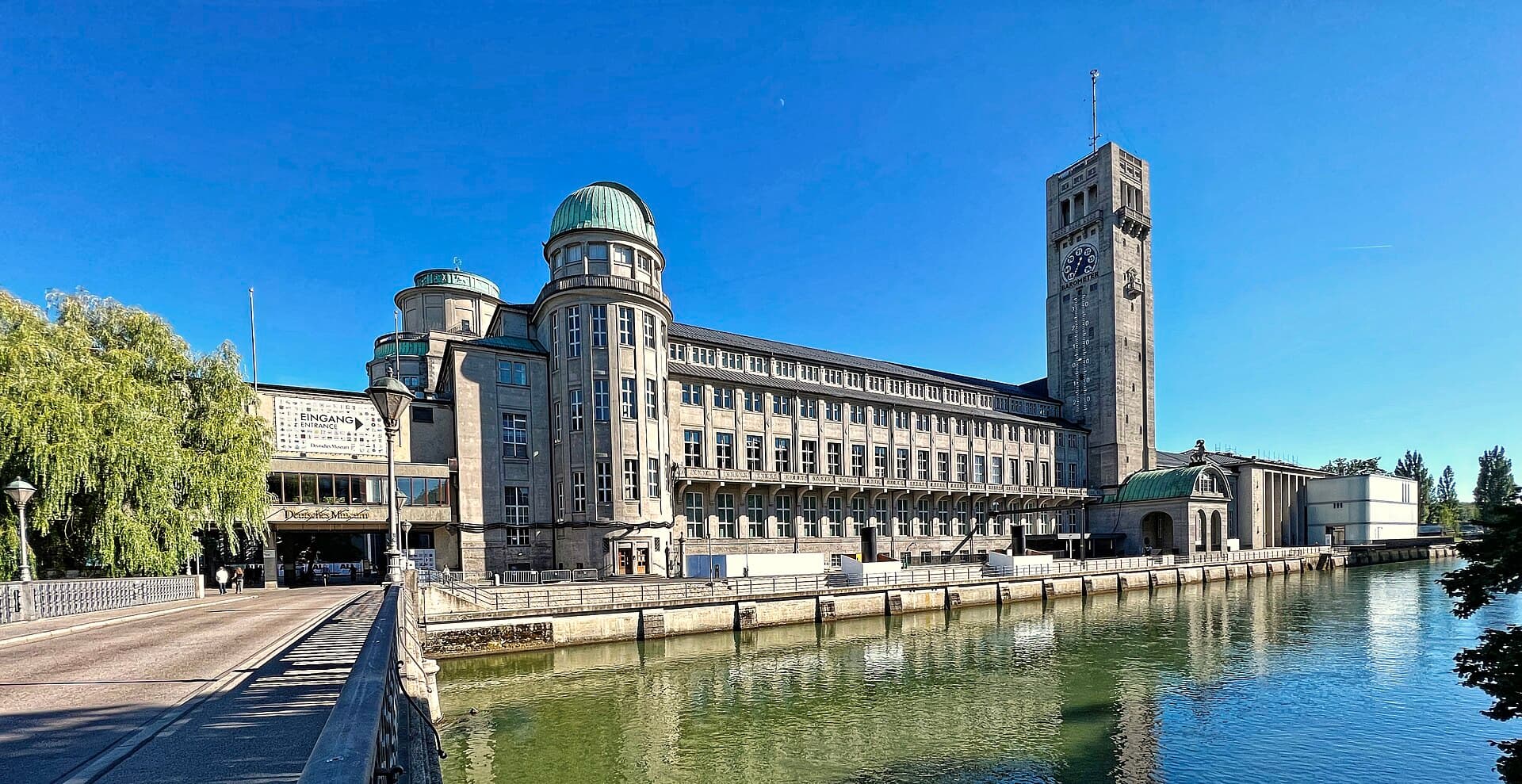 Deutsches MuseumThe Deutsches Museum stands on Museumsinsel, an island in the river Isar in cent5 minutes walk4.6
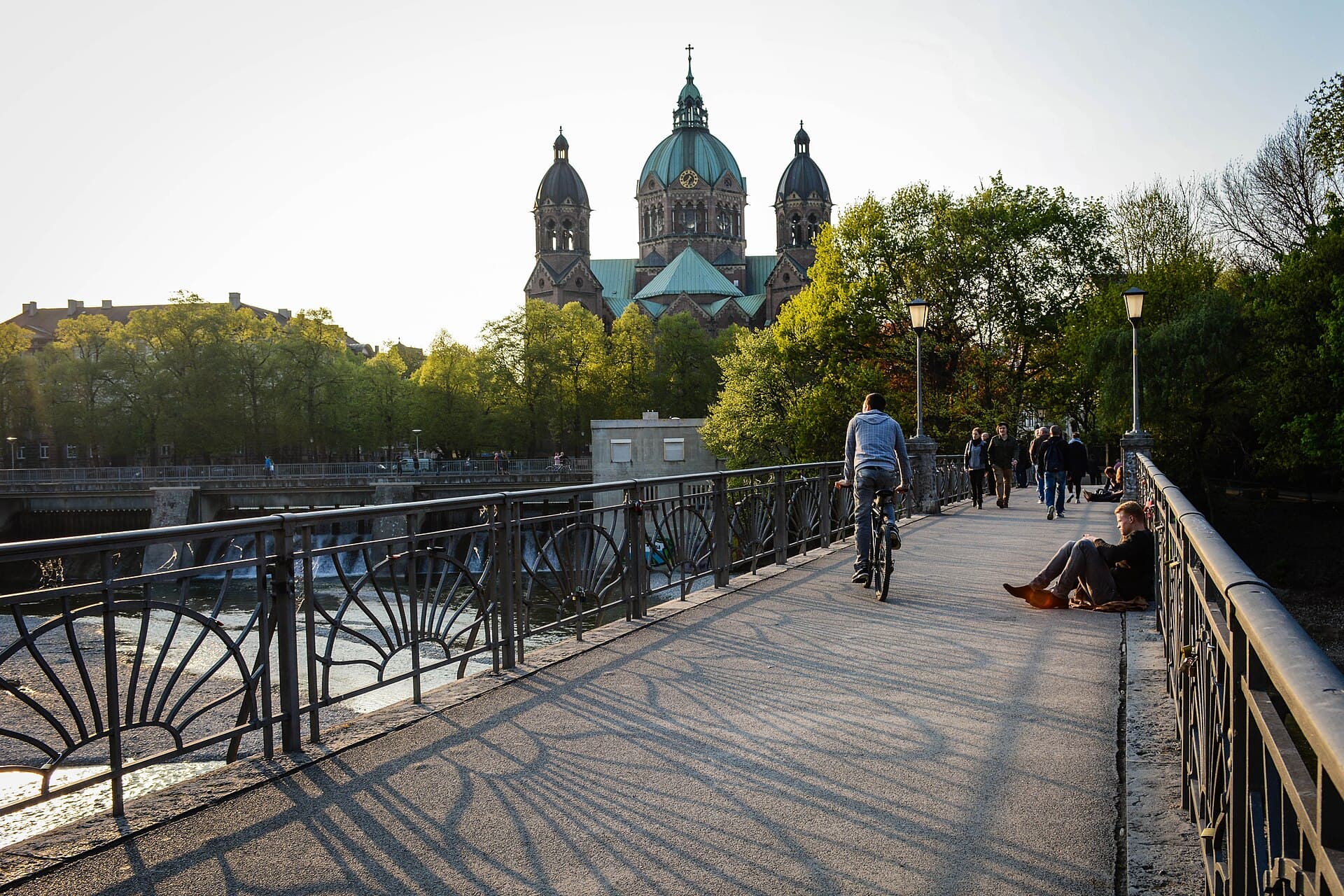 The KabelstegA pedestrian bridge over the Isar in Munich, linking the Lehel bank to the Museu6 minutes walk4.8
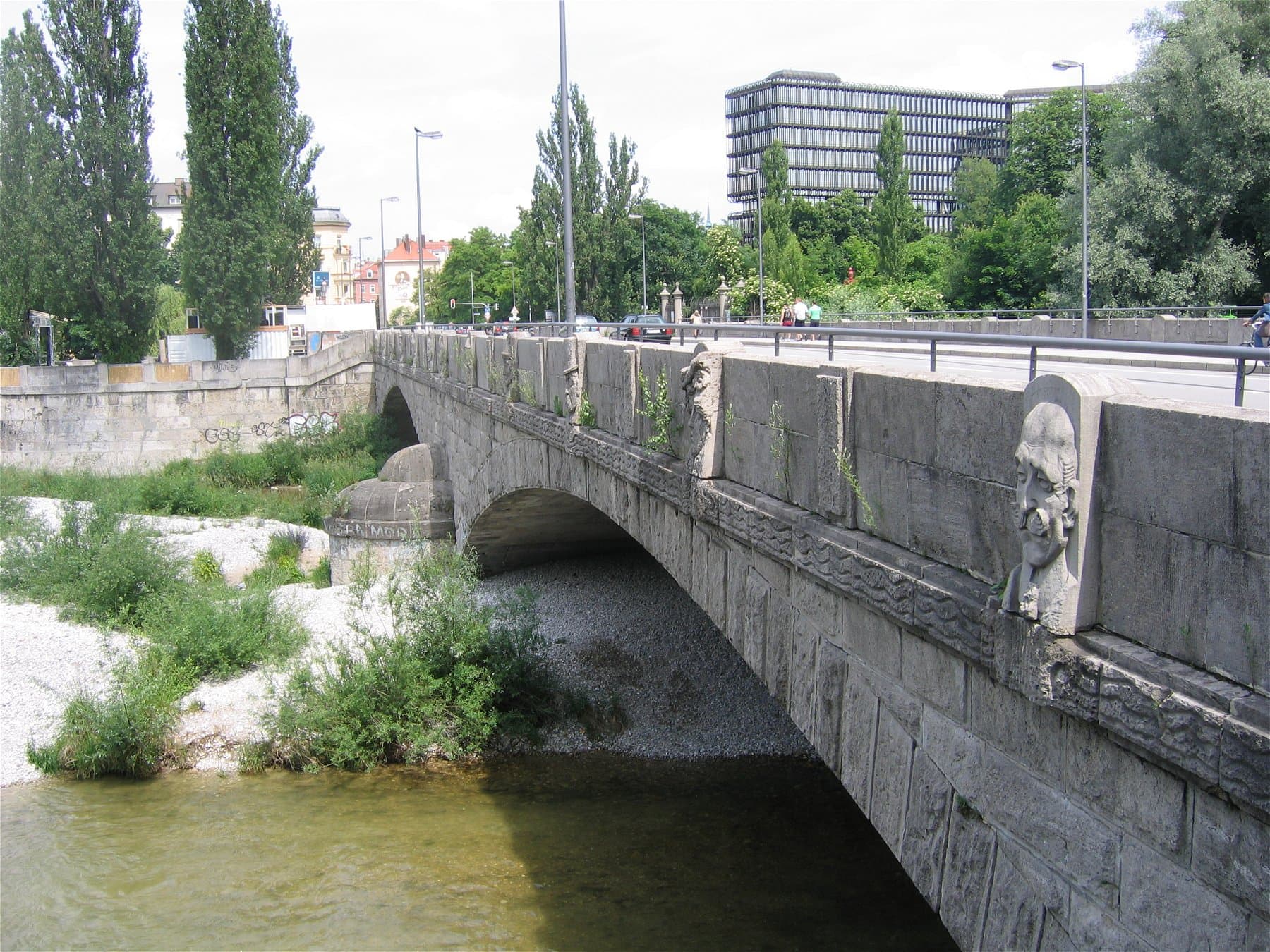 The CorneliusbrückeA bridge over the Isar south of central Munich, linking the western bank to the 8 minutes walk4.6
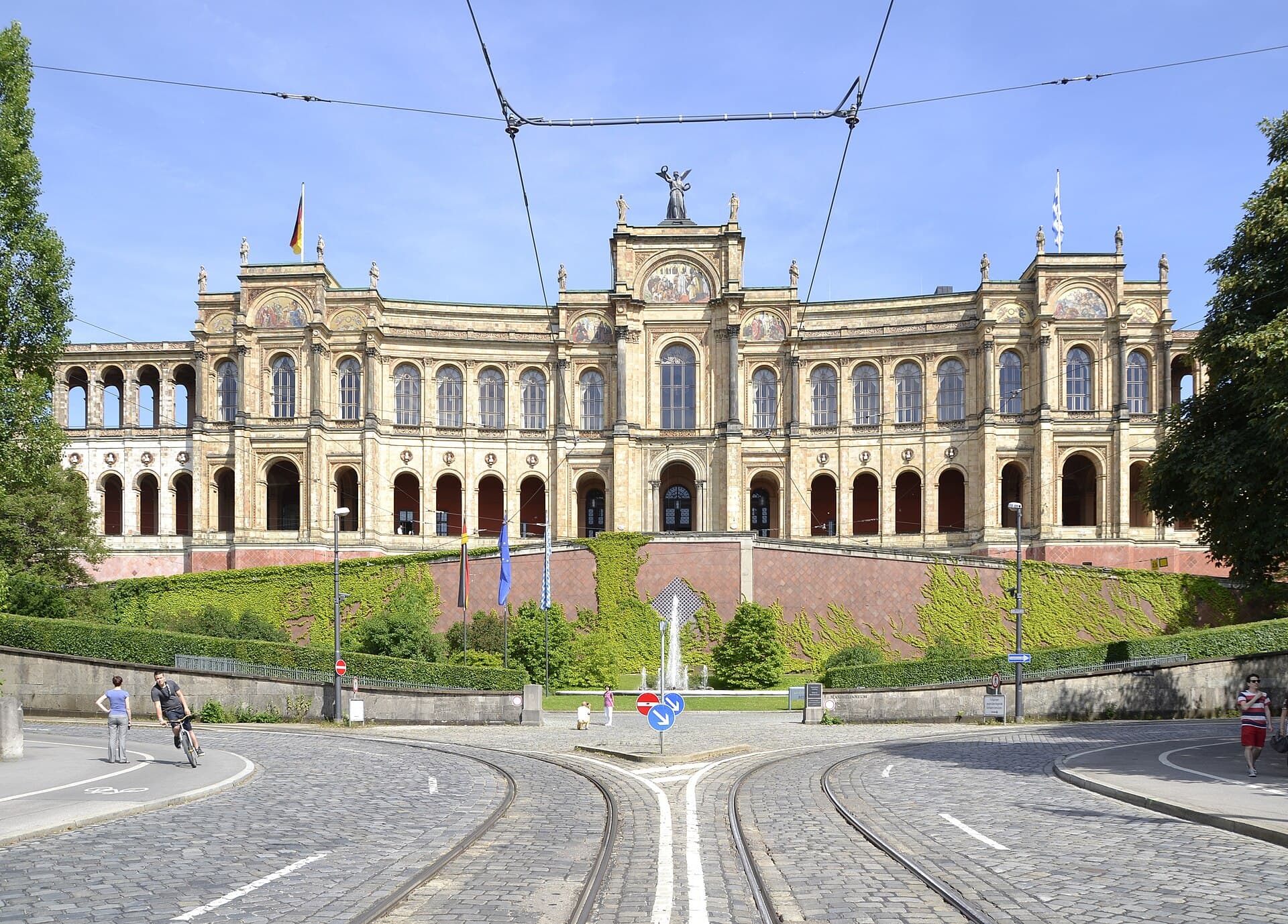 MaximilianeumThe Maximilianeum is a large building standing on a rise on the east bank of the9 minutes walk4.6
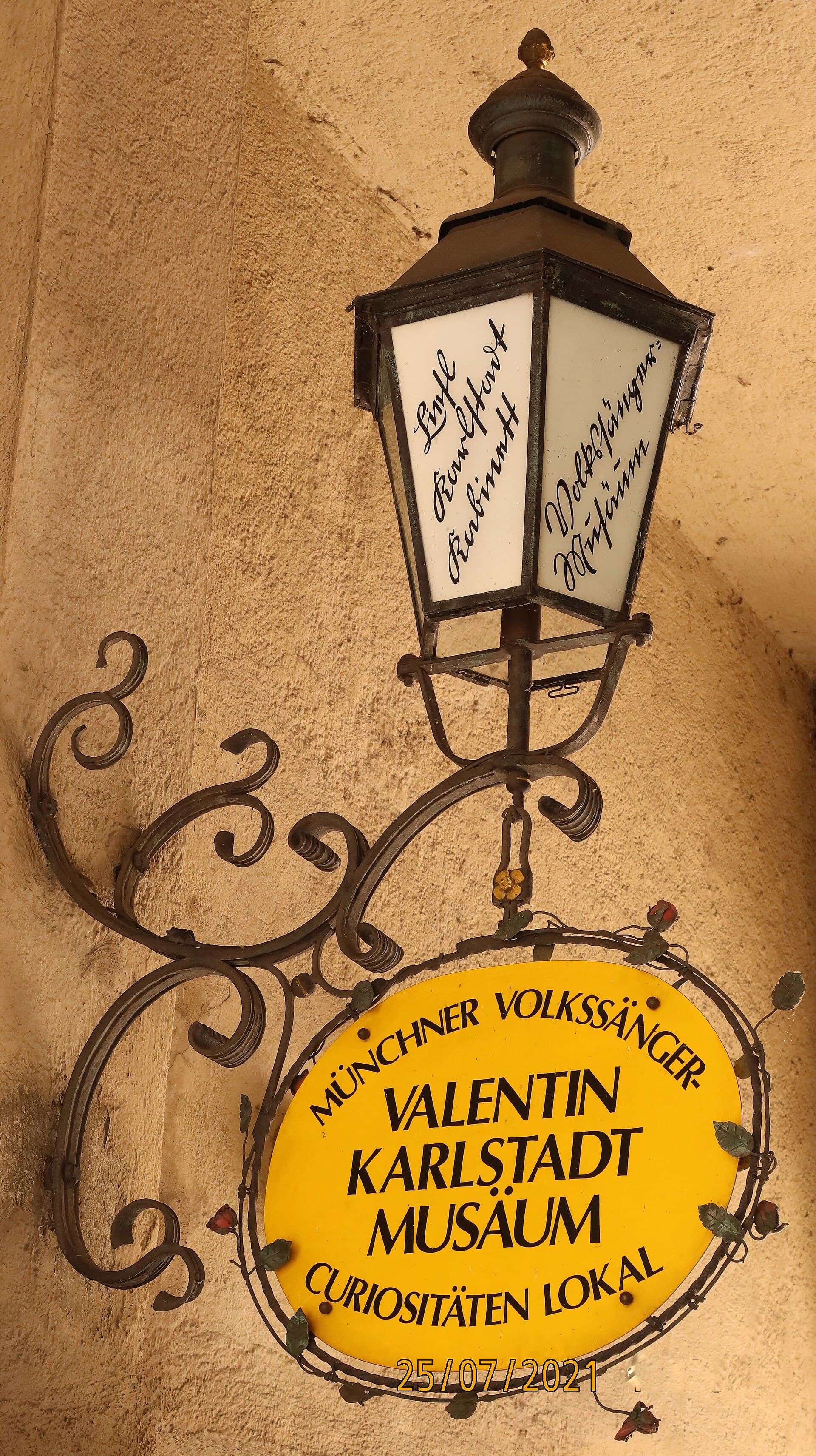 The Valentin-Karlstadt MusaeumThis museum sits inside the Isartor — one of the surviving gates of Munich's med9 minutes walk4.7
Because its two narratives collide: the German side emphasises that expelling three million civilians with violence was a collective crime, and the Czech side emphasises that this minority was the pretext by which Germany dismantled and occupied their state. Any attempt to tell one side alone reads on the other as distortion. This museum's relative success came from refusing to separate the expulsion from 1938.