
Aviation and astronautics
Original aircraft hung from the ceiling and engines cut open to show their insides, alongside the space section and its models. Among the largest sections currently open.
Burkhard Mücke — CC BY-SA 4.0 · Wilfredor — CC0 · Szekrényesy Réka — CC BY-SA 3.0 · Wilfredor — CC0
The Deutsches Museum stands on Museumsinsel, an island in the river Isar in central Munich, and is among the foremost and largest science and technology museums in the world. The engineer Oskar von Miller founded it in 1903 on an idea that was radical at the time: that a machine should be shown open, so a visitor can understand how it works, rather than sealed behind glass. That is why the museum is still full of buttons, levers and models that move when you operate them yourself. Around twenty permanent exhibitions are on show today: aviation and astronautics, robotics, optics, health, musical instruments, atomic physics and more. Its best-known set piece is the high-voltage demonstration, in which artificial lightning is discharged inside a Faraday cage in front of the audience. Important before you plan: the museum is working through a major phased renovation running to 2028, and whole wings are closed while it proceeds — among them the mining section with its underground mine, long one of its most popular. Open the exhibitions page on the official site the day before you come and confirm that what you are travelling for is open, because the list changes as the phases progress.
Original aircraft hung from the ceiling and engines cut open to show their insides, alongside the space section and its models. Among the largest sections currently open.
One of the museum's best-known demonstrations: artificial lightning discharged inside a Faraday cage at up to around a million volts. Times vary with the programme and the renovation work, so check the day's schedule as you arrive.
Astronomy shows under the museum's dome for a small extra ticket — book your slot as you arrive, since seats are limited.
A full-size mine rebuilt in the basement, long one of the museum's most popular sections. The mining department is closed for the renovation running to 2028 and is due to reopen in a later phase.
Museumsinsel 1, 80538 München
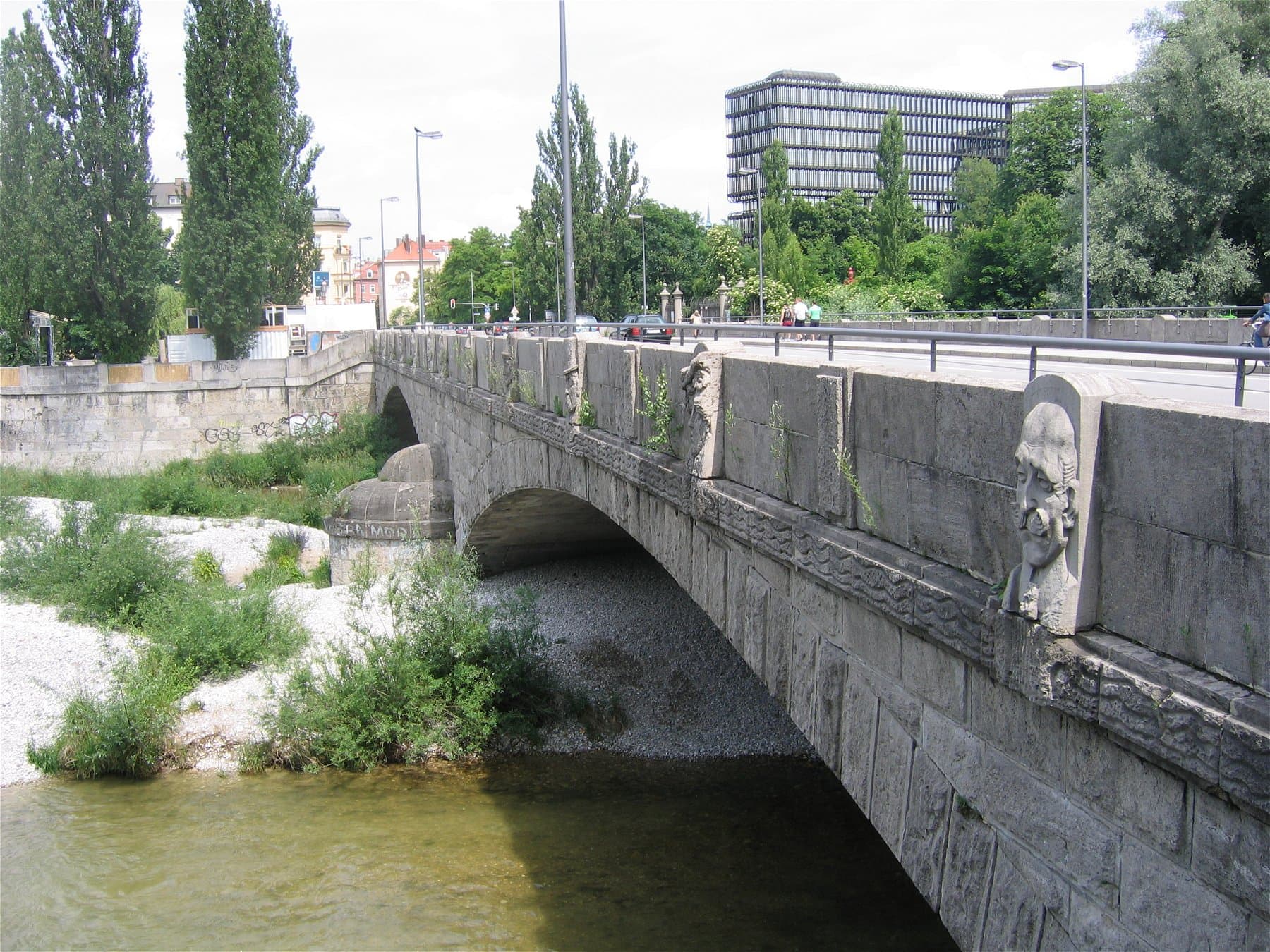 The CorneliusbrückeA bridge over the Isar south of central Munich, linking the western bank to the 4 minutes walk4.6
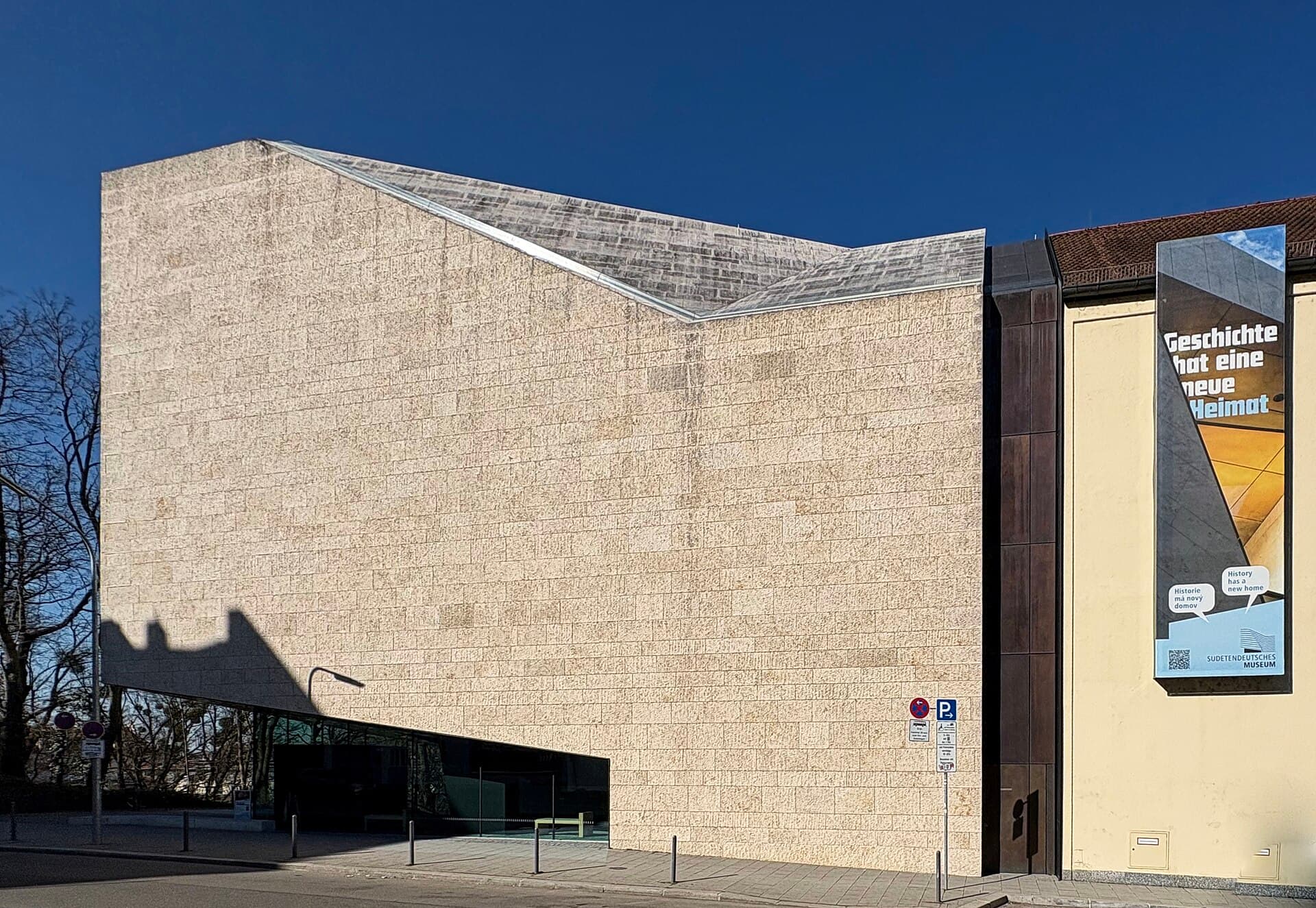 The Sudeten German MuseumThe Sudeten German Museum opened in 2020 and addresses a subject still sensitive5 minutes walk4.7
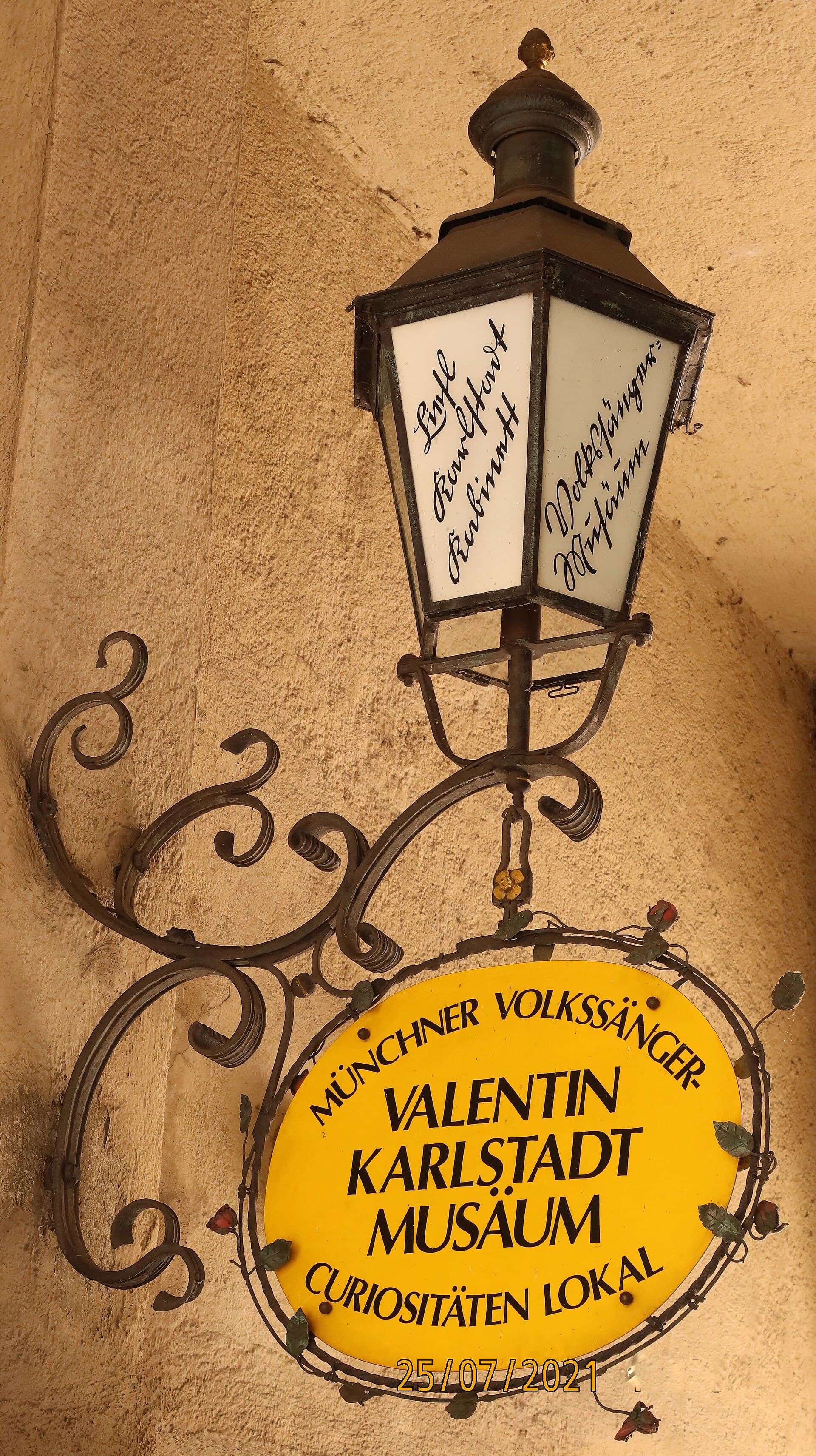 The Valentin-Karlstadt MusaeumThis museum sits inside the Isartor — one of the surviving gates of Munich's med7 minutes walk4.7
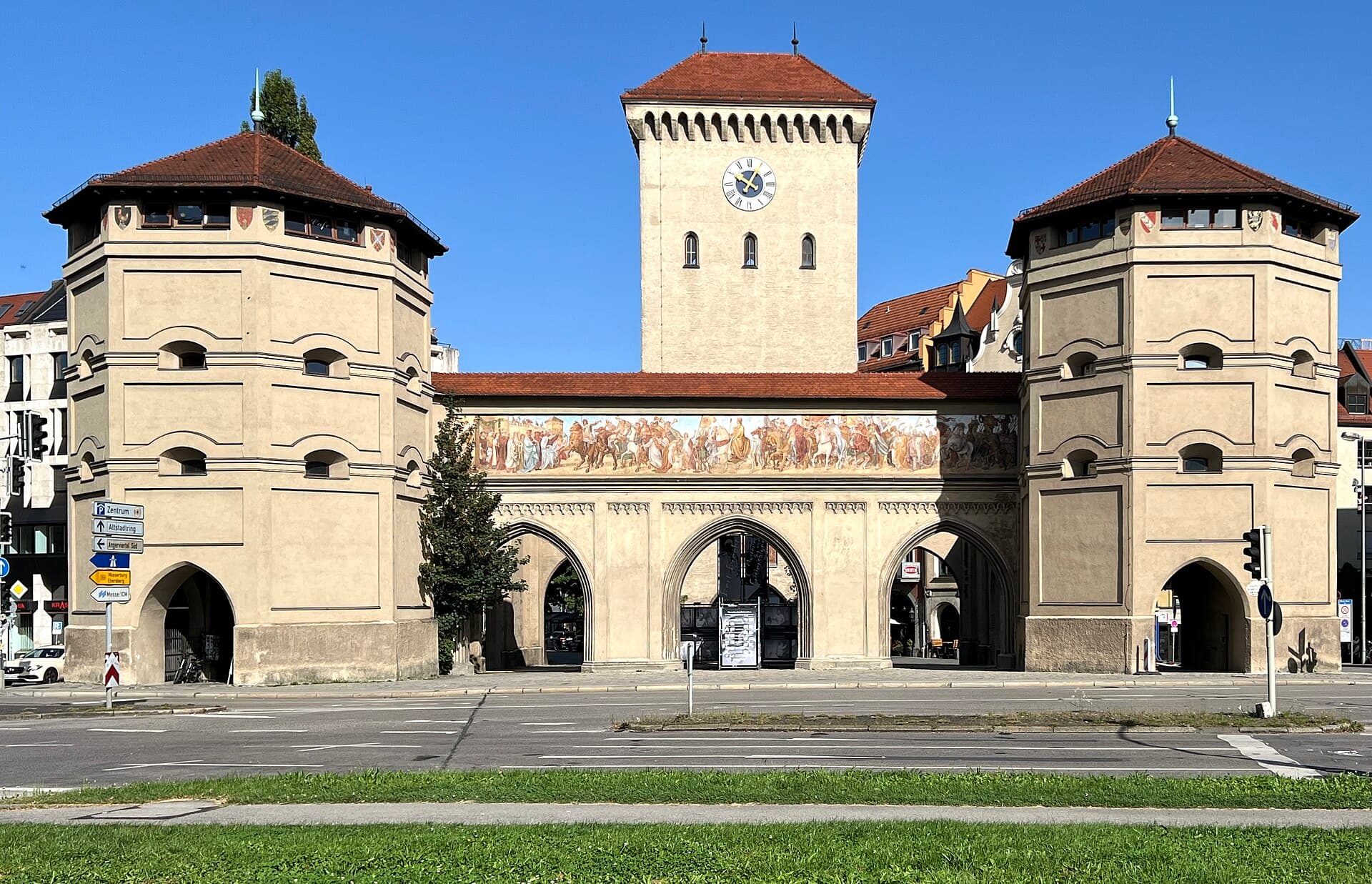 IsartorThe Isartor is the eastern gate of Munich's medieval wall, built in 1337 and the7 minutes walk4.6
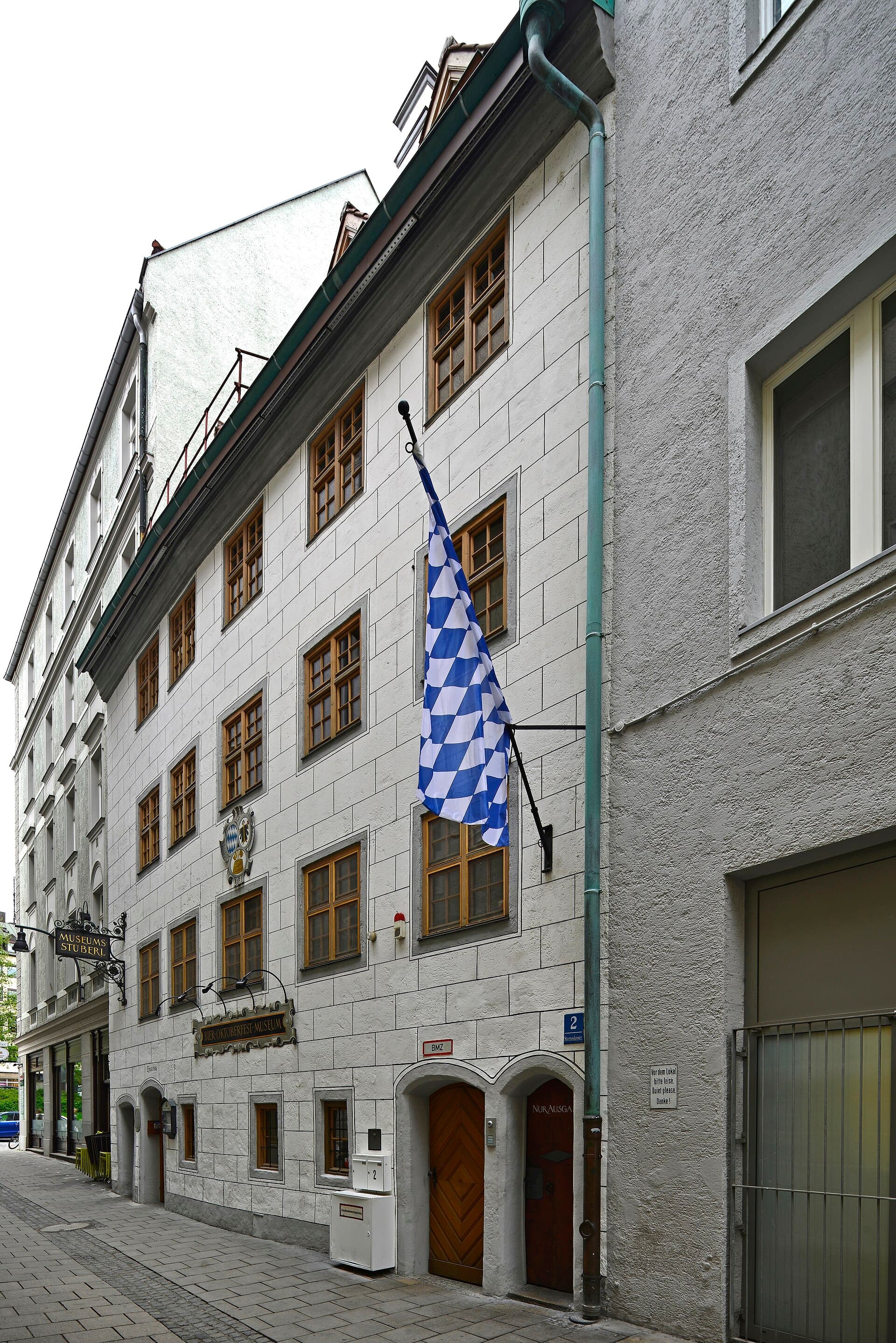 Beer and Oktoberfest MuseumThe Beer and Oktoberfest Museum is a small museum in one of Munich's oldest hous8 minutes walk4.4
Three hours is a sensible minimum and a full day if you are genuinely interested. The museum is so large that trying to see all of it means rushing past everything and taking in nothing — pick three sections and give them proper time.
Yes — it is one of the best things in Munich for families. Many exhibits work by pressing a button or pulling a lever, and the mine and the lightning show hold children completely. There is also a dedicated children's section where everything may be touched.
Not on an ordinary weekday, though booking online saves queueing at weekends and in the school holidays. The planetarium and the mine tour have limited slots, booked inside the museum on the day.
The museum has been renovating in phases for years, and wings open and close in turn. Do not rely on an old guidebook or article: open the exhibitions page on the official site the day before and confirm that the section you are coming for is open.