
The cells
Narrow and windowless, as left.
Jonas Rogowski — CC BY-SA 4.0 · Nenea hartia — CC BY-SA 4.0 · Edgars Košovojs — CC BY-SA 3.0 · Pitadzi — CC BY-SA 4.0
Latvia's most feared address: the Corner House, an elegant Art Nouveau building of 1912 at the crossing of Brīvības and Stabu streets, became in 1940 the headquarters of the Soviet secret police, later the KGB — and through its door thousands of Latvians were taken for interrogation, imprisonment and deportation to Siberia. It opened to the public in 2014 and was left as it stood: narrow windowless cells, interrogation rooms, corridors, an inner execution yard and the hidden room of prisoners' messages. The guided tour (English at set times) explains the machinery: informing, forced recruitment, the files — and the stories of those who passed through. It is run today as part of the Museum of the Occupation of Latvia, which documents three successive occupations (Soviet 1940, Nazi 1941, Soviet 1944-1991). A harsh visit, but the truest way to understand the Baltics and why independence means what it means here.
Narrow and windowless, as left.
Where sentences were carried out.
Brīvības iela 61, Riga
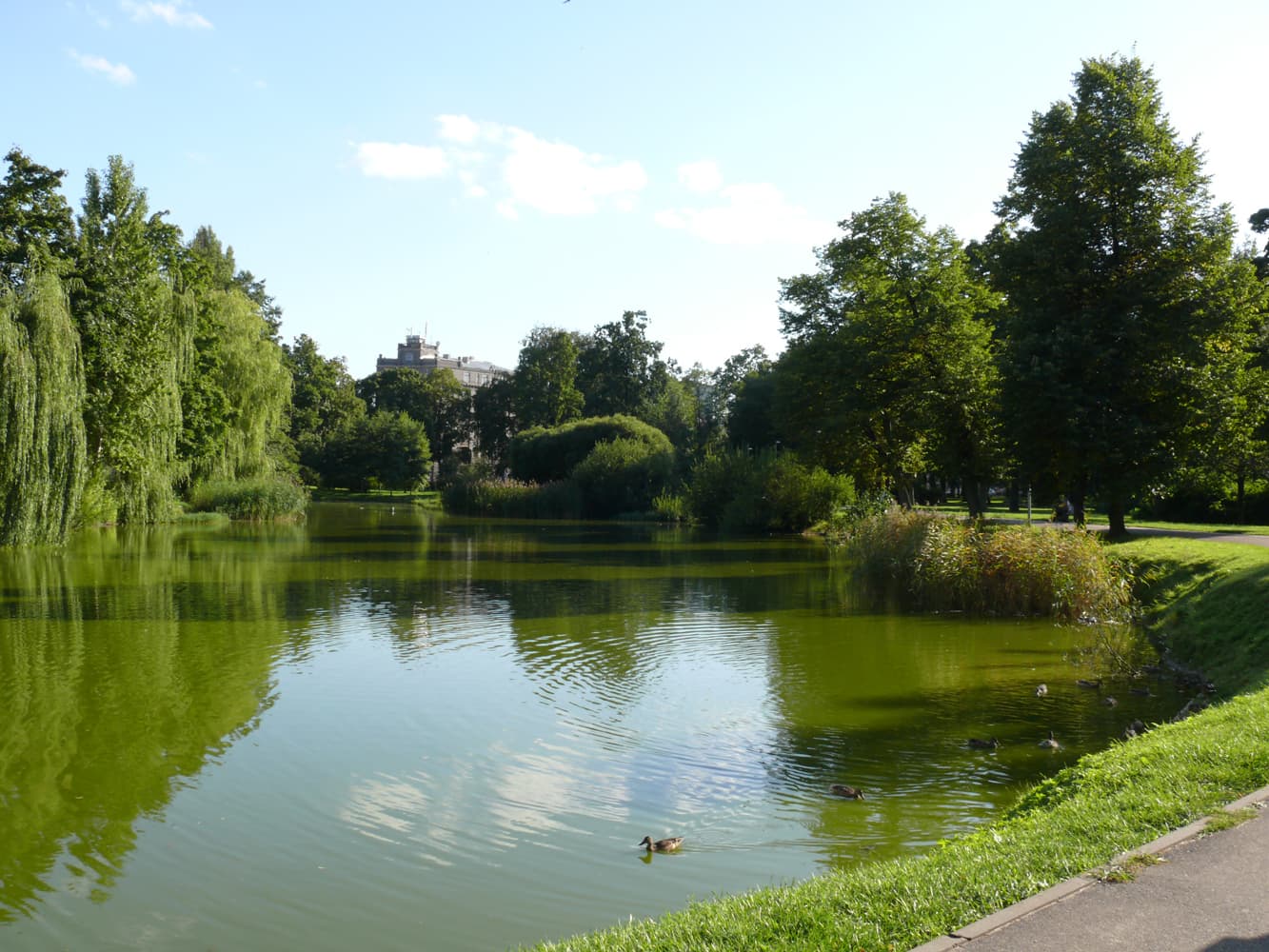 Viesturs GardenRiga's oldest public garden, laid out in the early eighteenth century on the ord9 minutes walk4.6
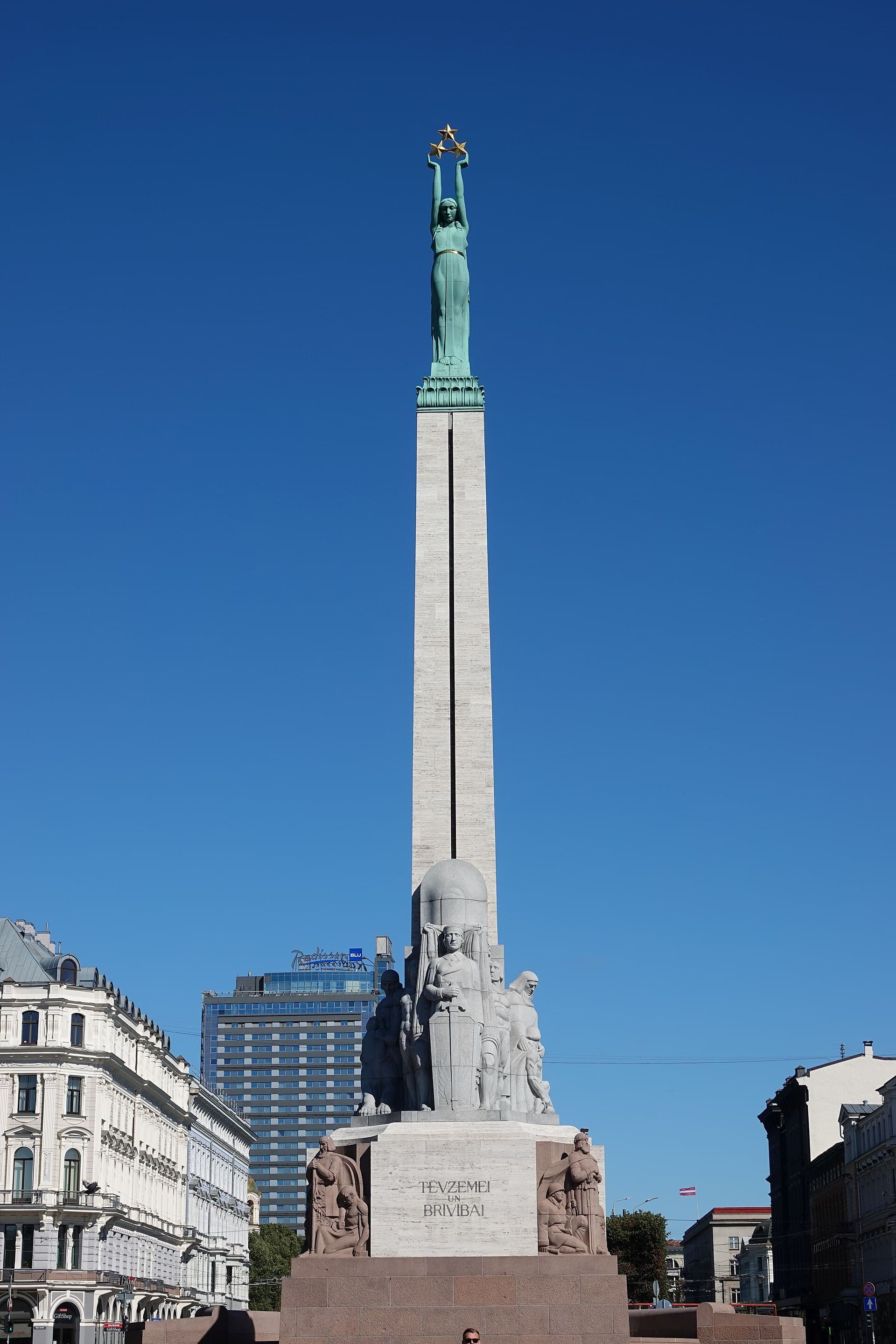 The Freedom MonumentThe symbol Latvians guarded with their eyes for fifty years: the Freedom Monumen12 minutes walk4.6
 The Art Nouveau District and BastejkalnsThe city with more Art Nouveau than any other on earth: a third of central Riga'13 minutes walk4.8
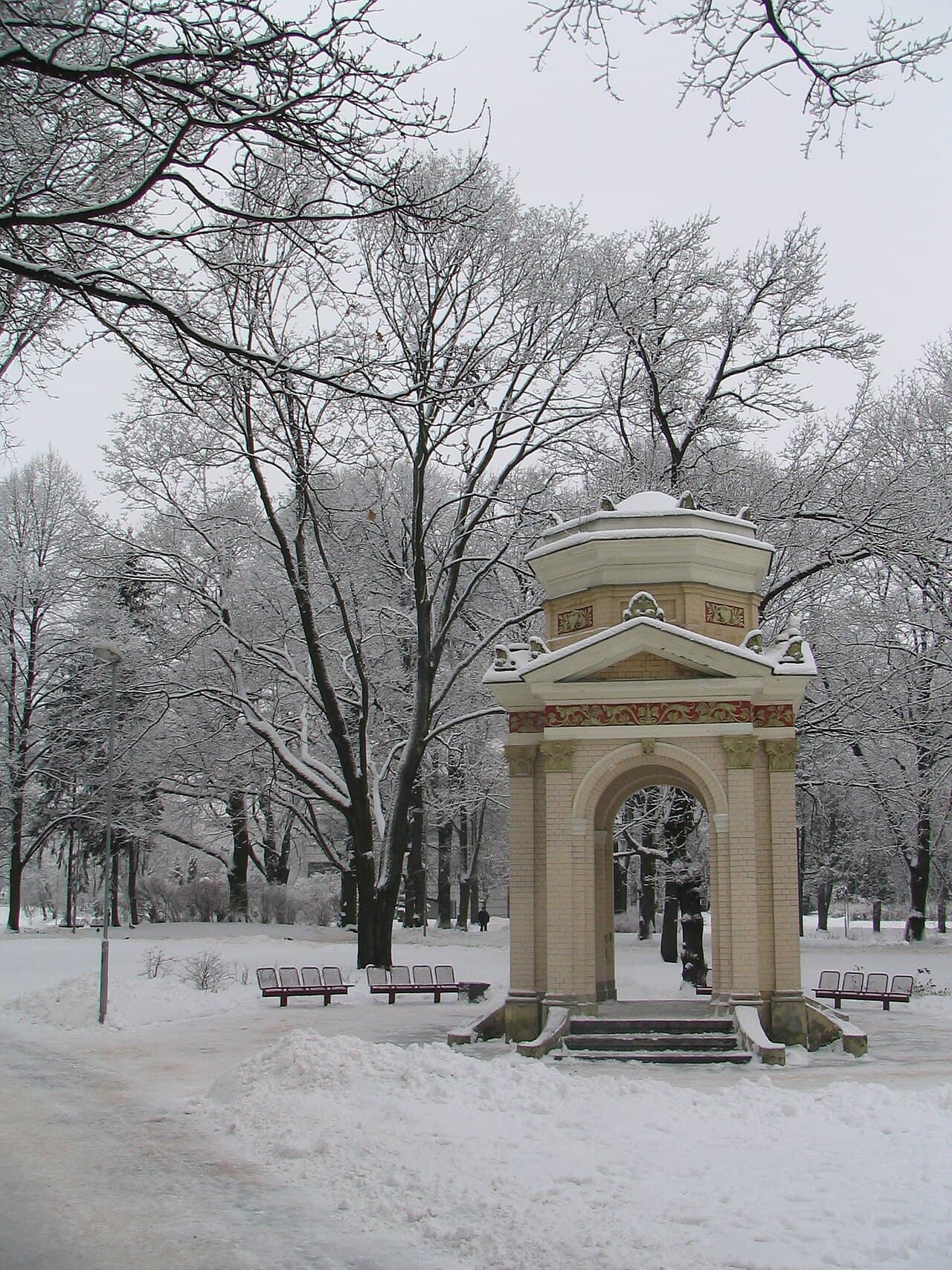 Kronvalda ParkA public park north of the old town running along both banks of the Riga canal, 14 minutes walk4.8
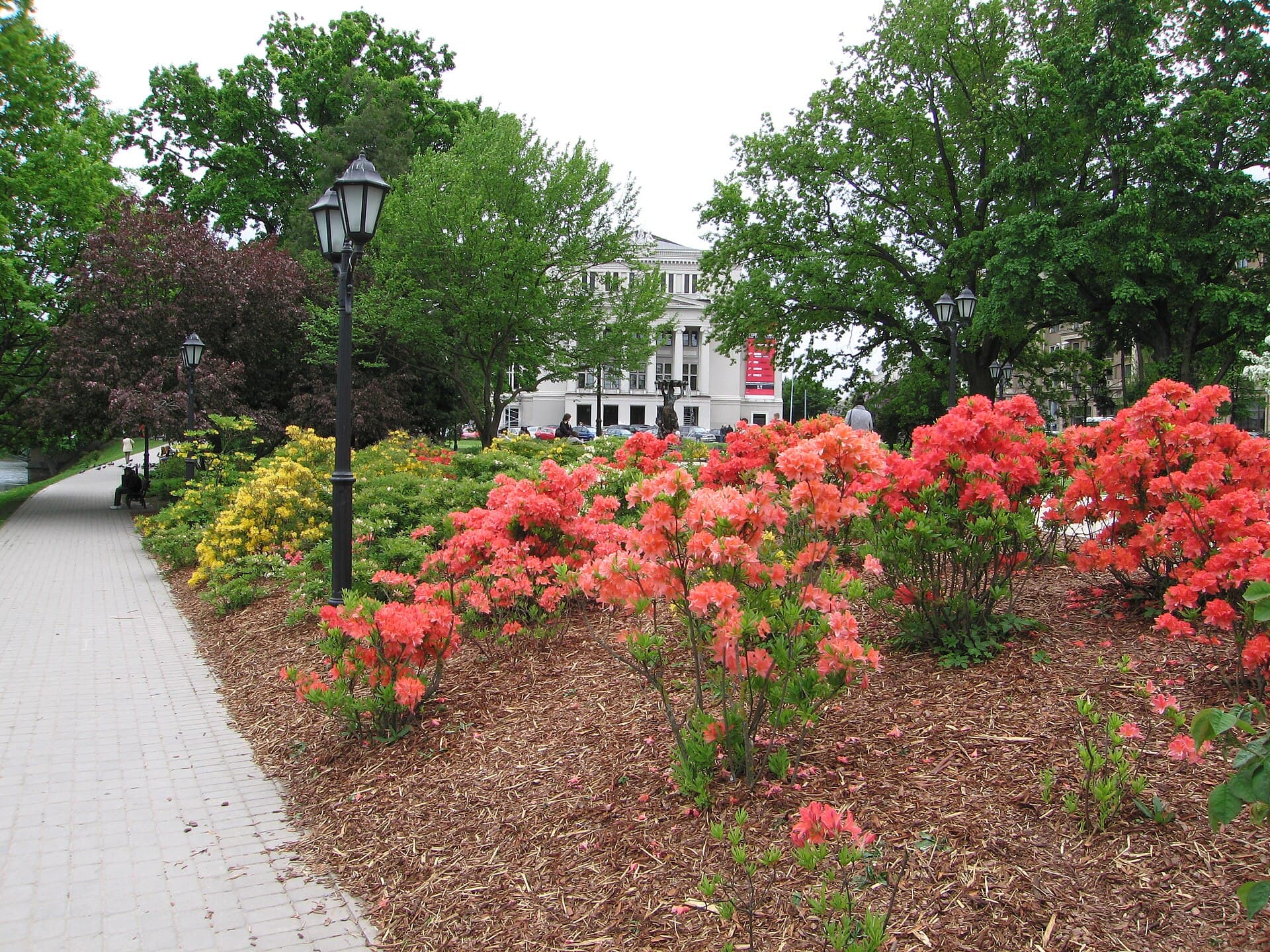
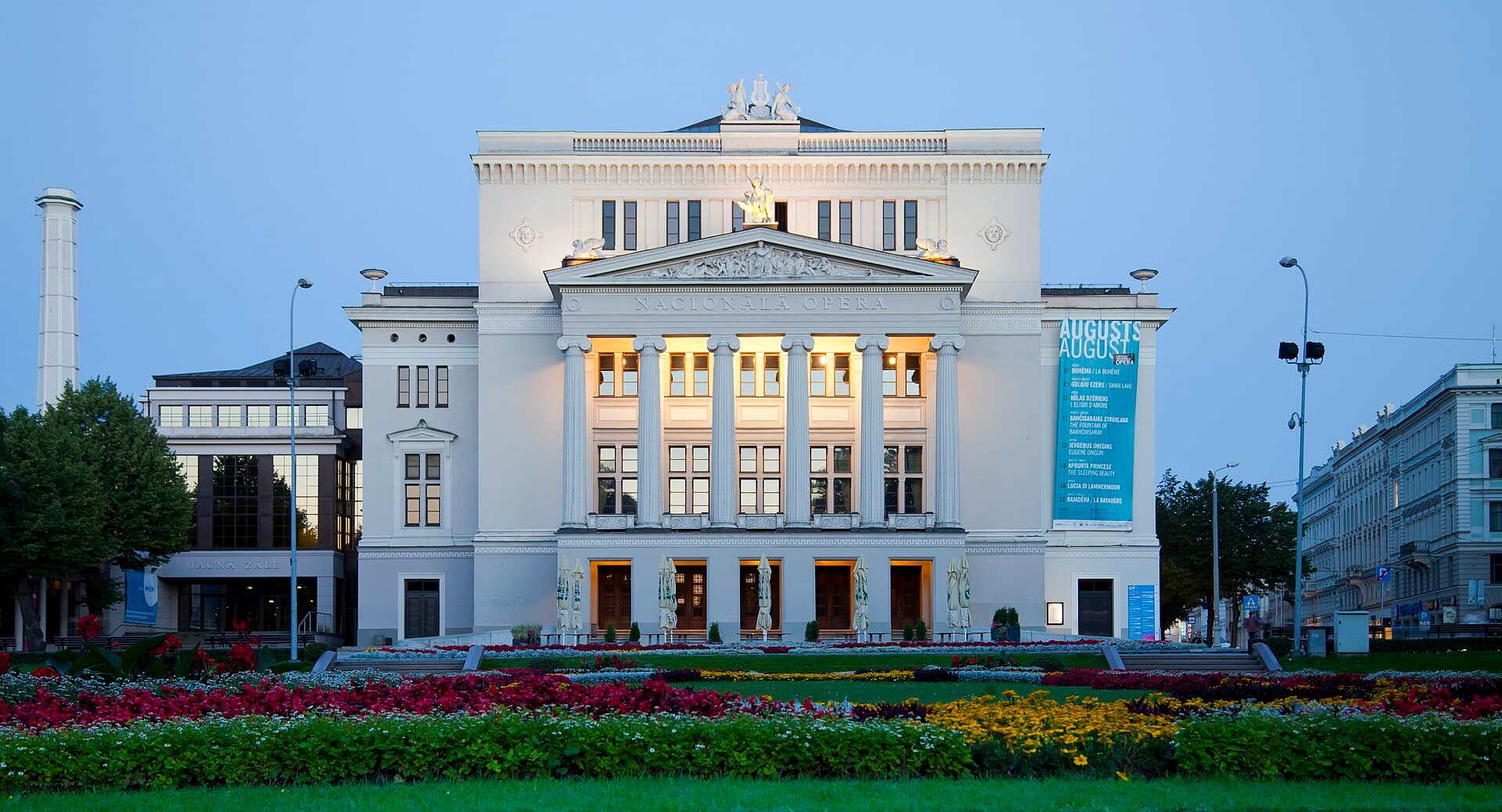 Latvian National OperaA white classical temple on the canal bank: Riga's opera house was built in 186314 minutes walk4.6
Not for the young: the content is harsh (arrest, torture, execution) and the space closed and narrow; sixteen and over, with preparation.