
Milda and the three stars
Latvia's three regions held aloft.
Nenea hartia — CC BY-SA 4.0 · Virtual-Pano — CC BY-SA 4.0 · Virtual-Pano — CC BY-SA 4.0 · Virtual-Pano — CC BY-SA 4.0
The symbol Latvians guarded with their eyes for fifty years: the Freedom Monument (1935) is a forty-two-metre travertine column crowned by Milda, a copper woman holding up three gold stars for Latvia's three historic regions — built from citizens' own donations on a base carved with the nation's history. Its wonder is that it survived: the Soviets planned to demolish it after annexing Latvia in 1940 — the Russian sculptor Vera Mukhina is said to have defended it on artistic grounds and saved it — but laying flowers there became an offence punishable by deportation to Siberia. In 1987 thousands broke the ban and laid flowers openly in a demonstration that began the end of the occupation. Today an honour guard stands there, changing hourly from nine to six in a short ceremony people gather for, and flowers appear daily. It stands between the old town and the modern city at the edge of Bastejkalns park.
Latvia's three regions held aloft.
A short ceremony every hour.
Brīvības bulvāris, Riga
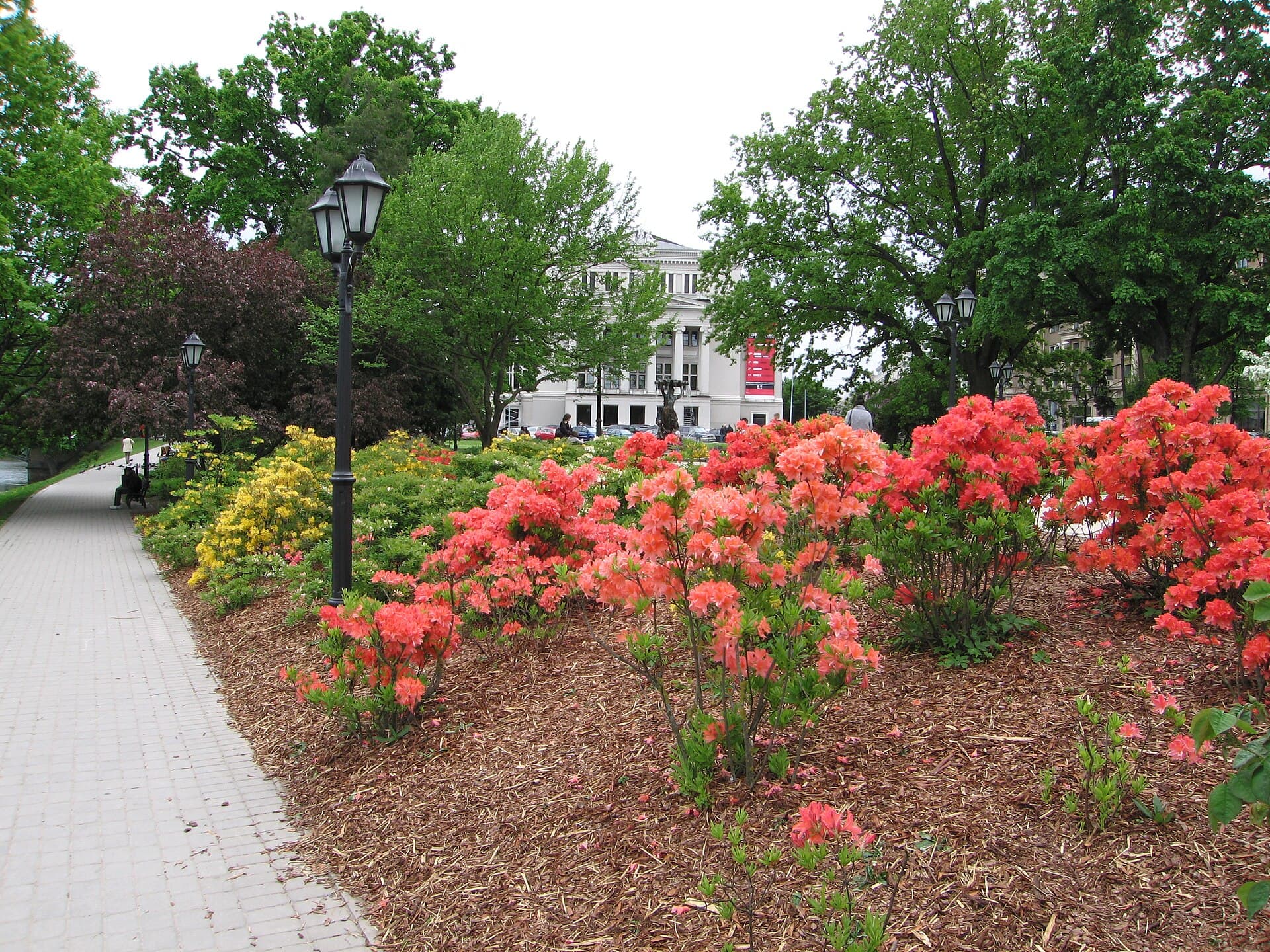 The Art Nouveau District and BastejkalnsThe city with more Art Nouveau than any other on earth: a third of central Riga'1 minute walk4.8
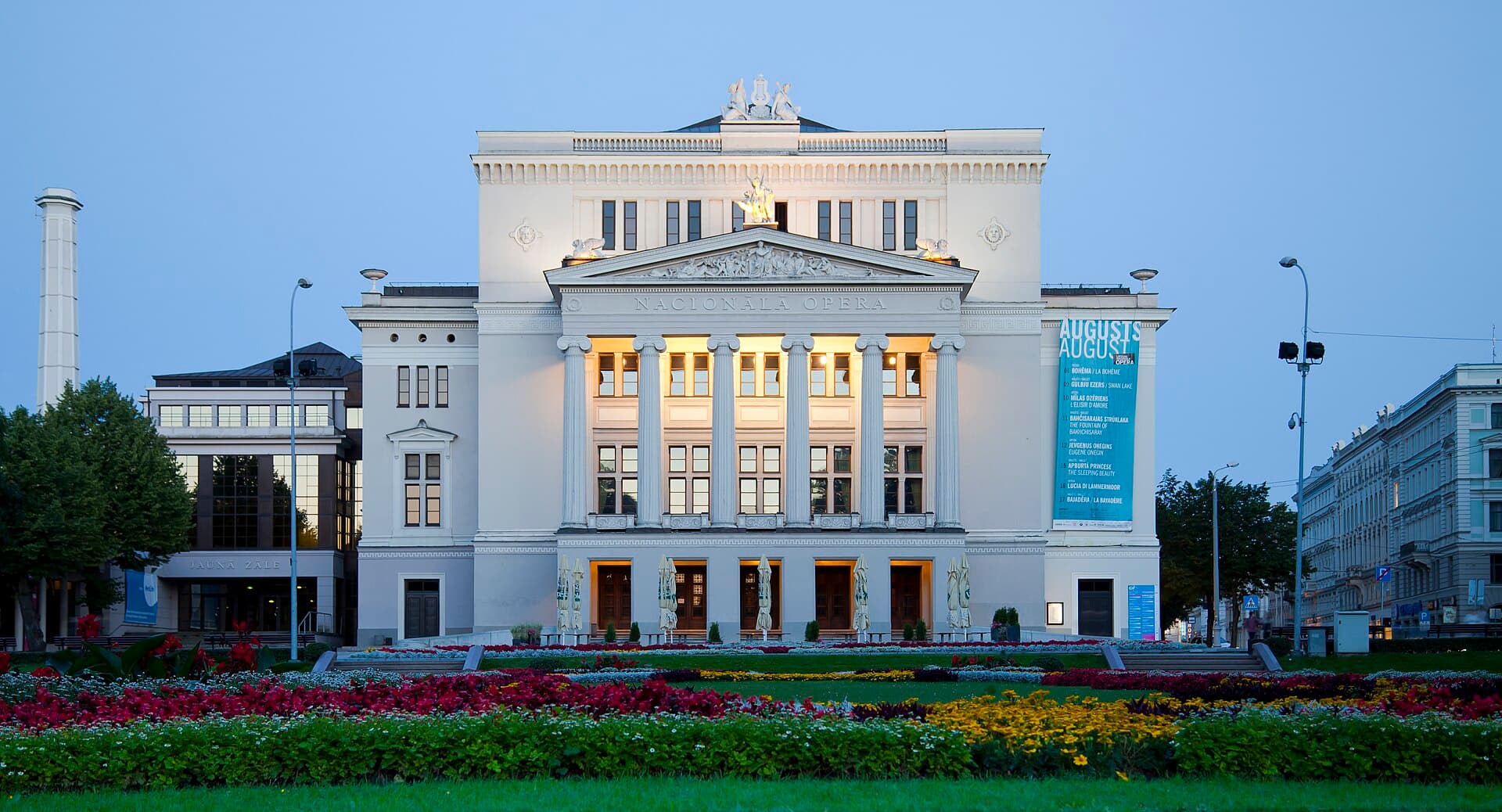 Latvian National OperaA white classical temple on the canal bank: Riga's opera house was built in 18633 minutes walk4.6
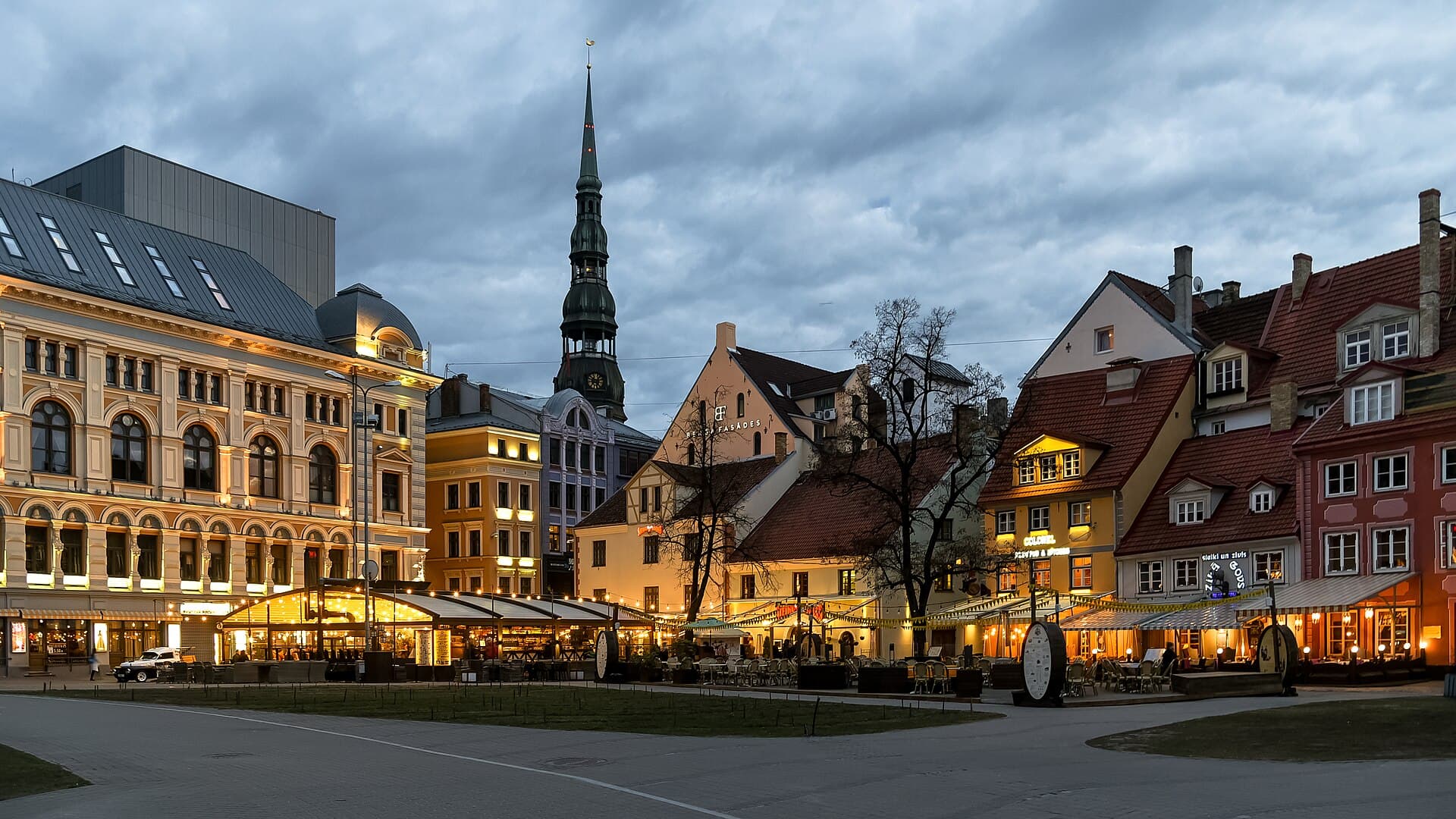 Līvu SquareAn open square in the heart of Riga's old town, ringed by cafés and restaurants 5 minutes walk4.5
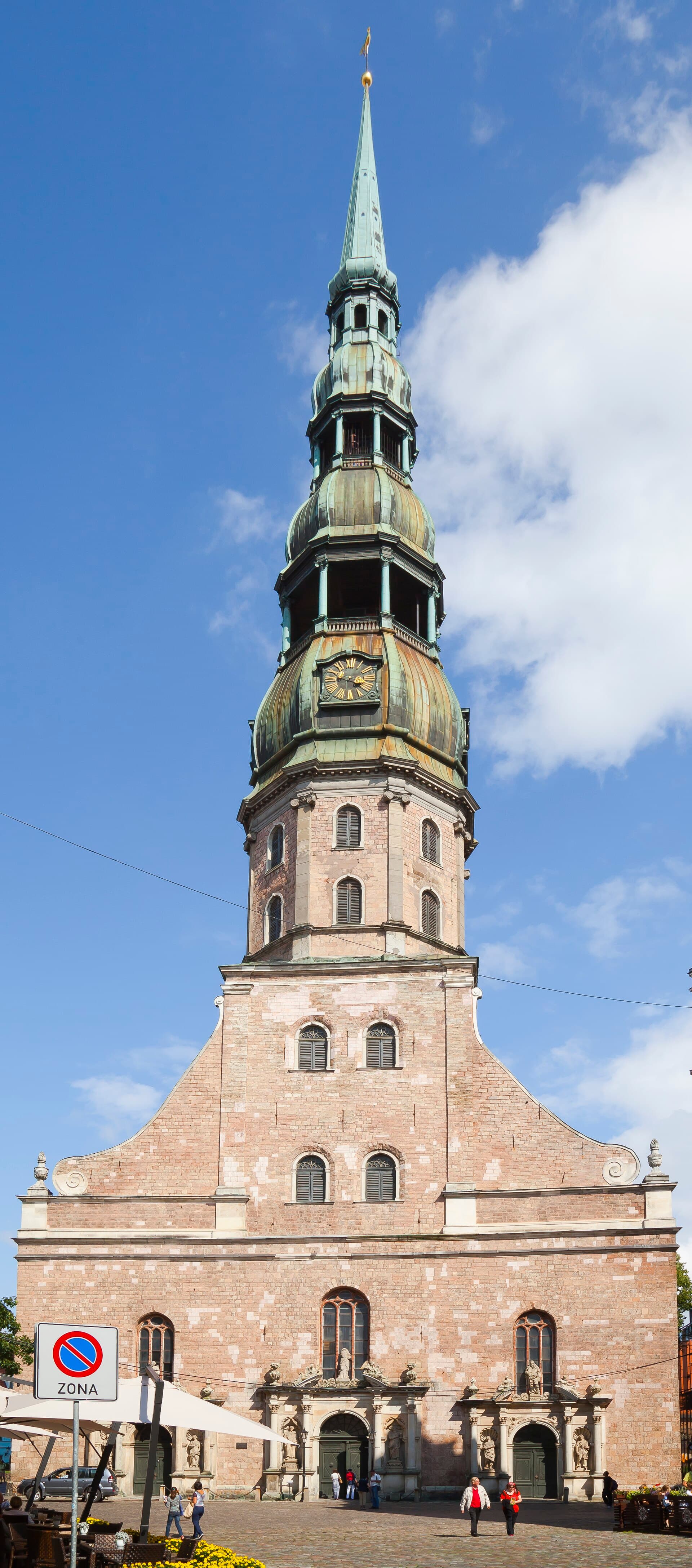 St Peter's ChurchOld Riga's tallest spire and its best view: the Gothic brick church of St Peter 6 minutes walk4.7
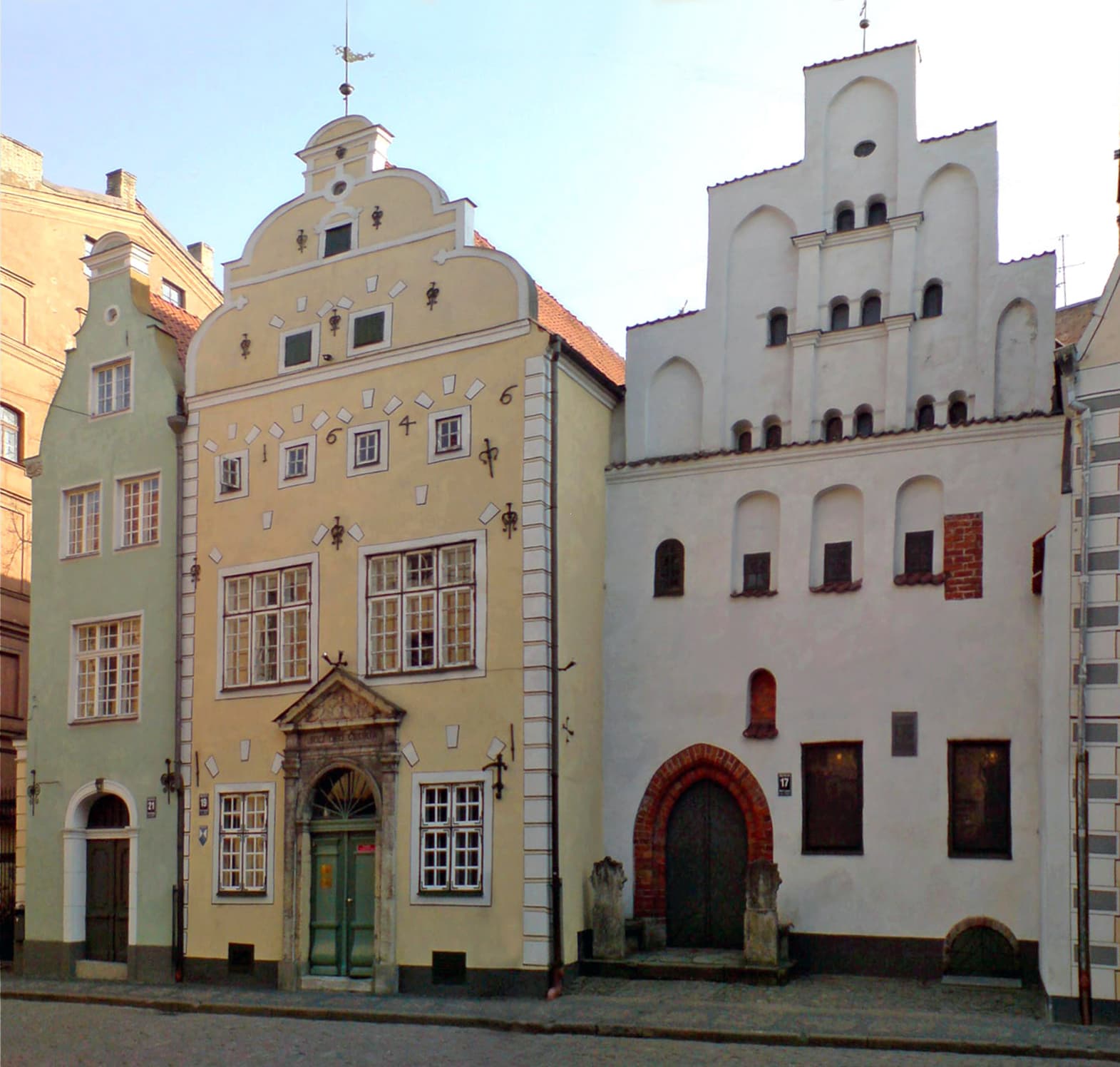 The Three BrothersThree joined houses that condense five centuries of domestic architecture: the T7 minutes walk4.5
A park on the old bastion hill cut by the city canal with its boats; it holds five stones memorialising those killed in the January 1991 events by Soviet special forces.