
Marbella before tourism
A town of olives, sugar cane and fishing that became the luxury coast within two decades.
Tyk — CC BY-SA 4.0 · Tyk — CC BY-SA 4.0 · Tyk — CC BY-SA 4.0 · Tyk — CC BY-SA 4.0
An old farmstead turned municipal cultural centre in Marbella. The building itself is the most important exhibit: it was an olive mill working into the middle of the twentieth century, and its stone pressing machinery survives in place. That opens a window onto the Marbella that came before tourism. Before the 1960s this was a small farming and fishing town whose economy was olives, sugar cane and fish, and within two decades it became the face of the luxury coast. The mill is physical evidence of that forgotten economy. The centre also holds temporary exhibition rooms, a library and spaces for municipal events, so the displayed content changes and what you find on a given day cannot be guaranteed. The visit is short, half an hour to an hour, and entry is normally free. It combines with a walk through the old town and the Plaza de los Naranjos minutes away.
A town of olives, sugar cane and fishing that became the luxury coast within two decades.
The pressing stones remain in position, the clearest explanation of the old economy.
Exhibitions are temporary and municipal, so what you find on a given day is not guaranteed.
Calle José Luis Morales, Marbella
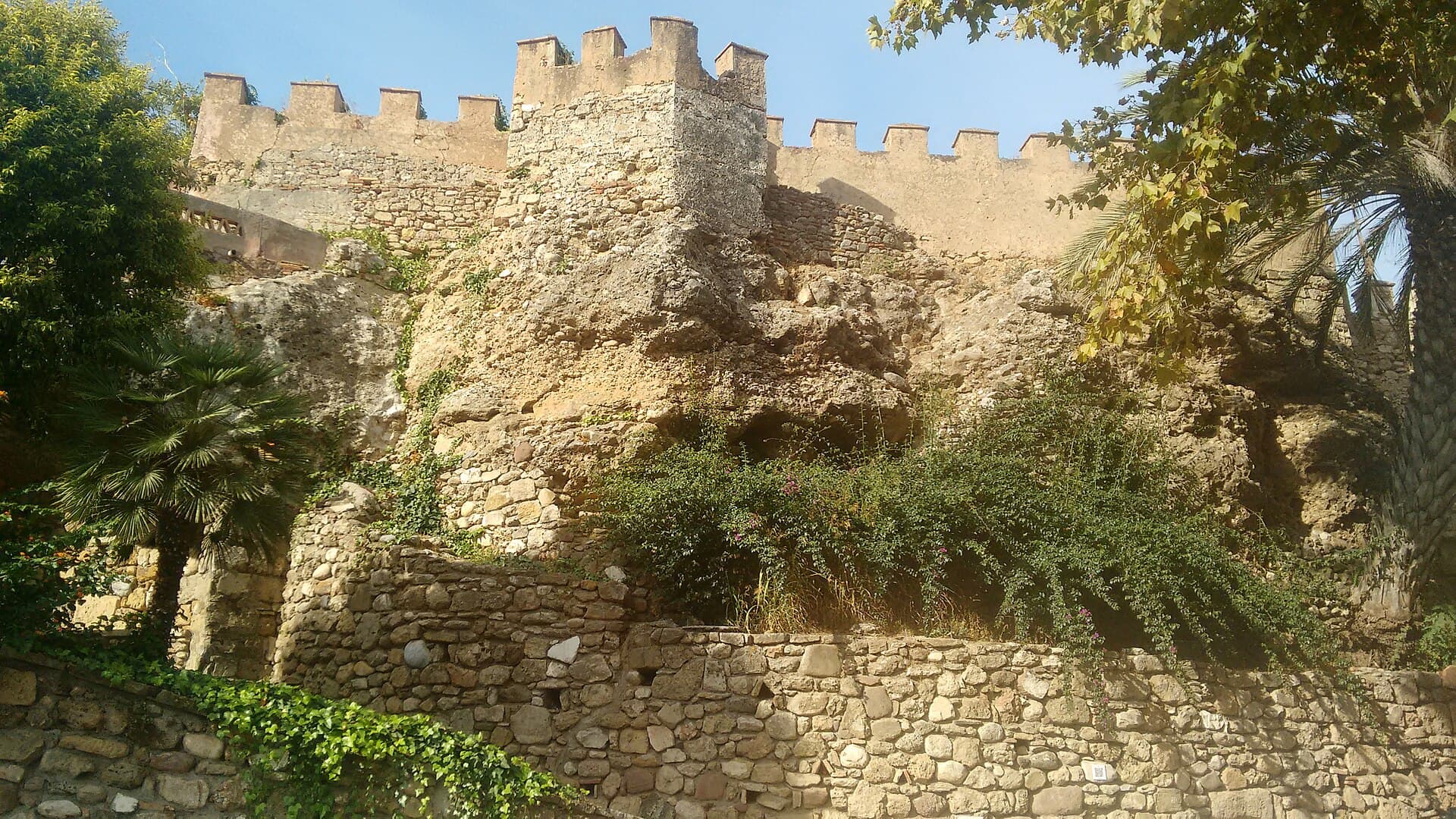 Marbella's Arab CastleMarbella's castle is Marbal-la's first witness: a tenth-century Umayyad qasba — 8 minutes walk4.2
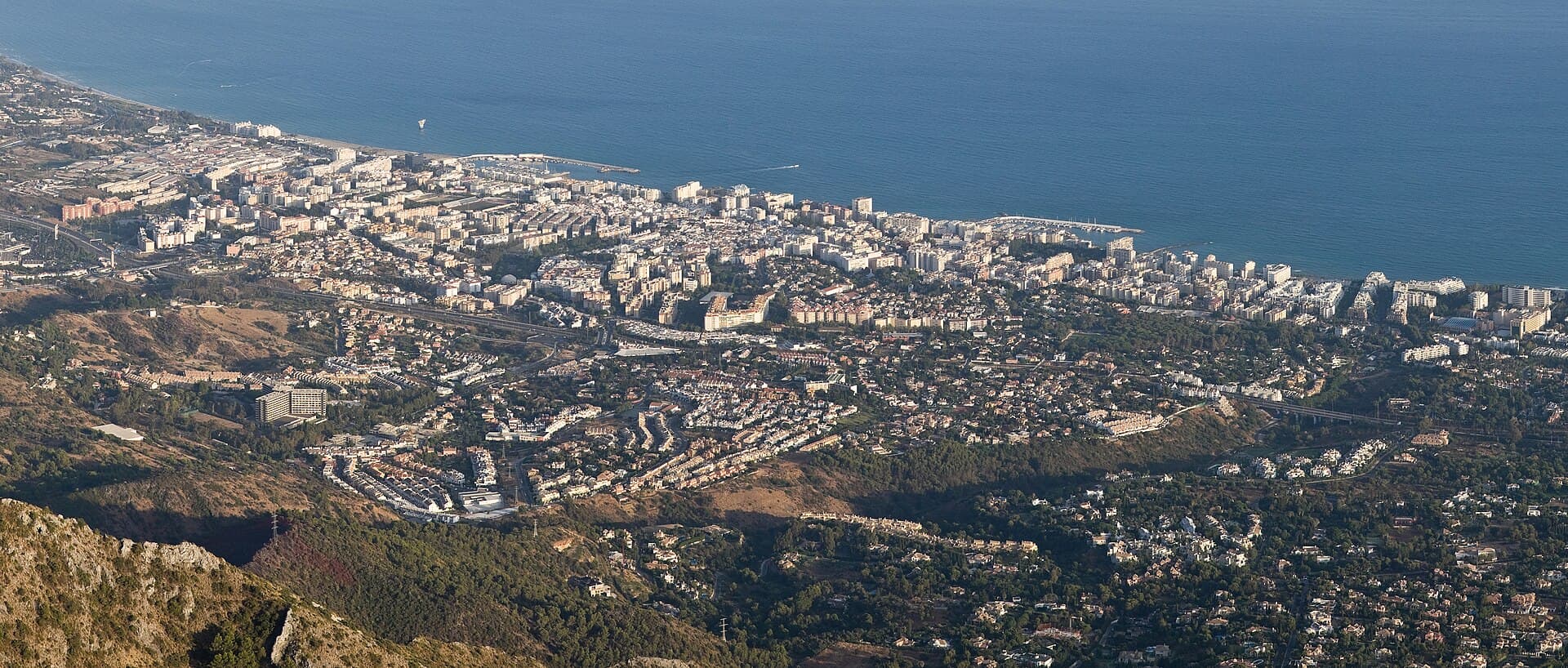 Marbella Old TownBehind the yacht front hides real Marbella: a complete white Andalusian town — n9 minutes walk
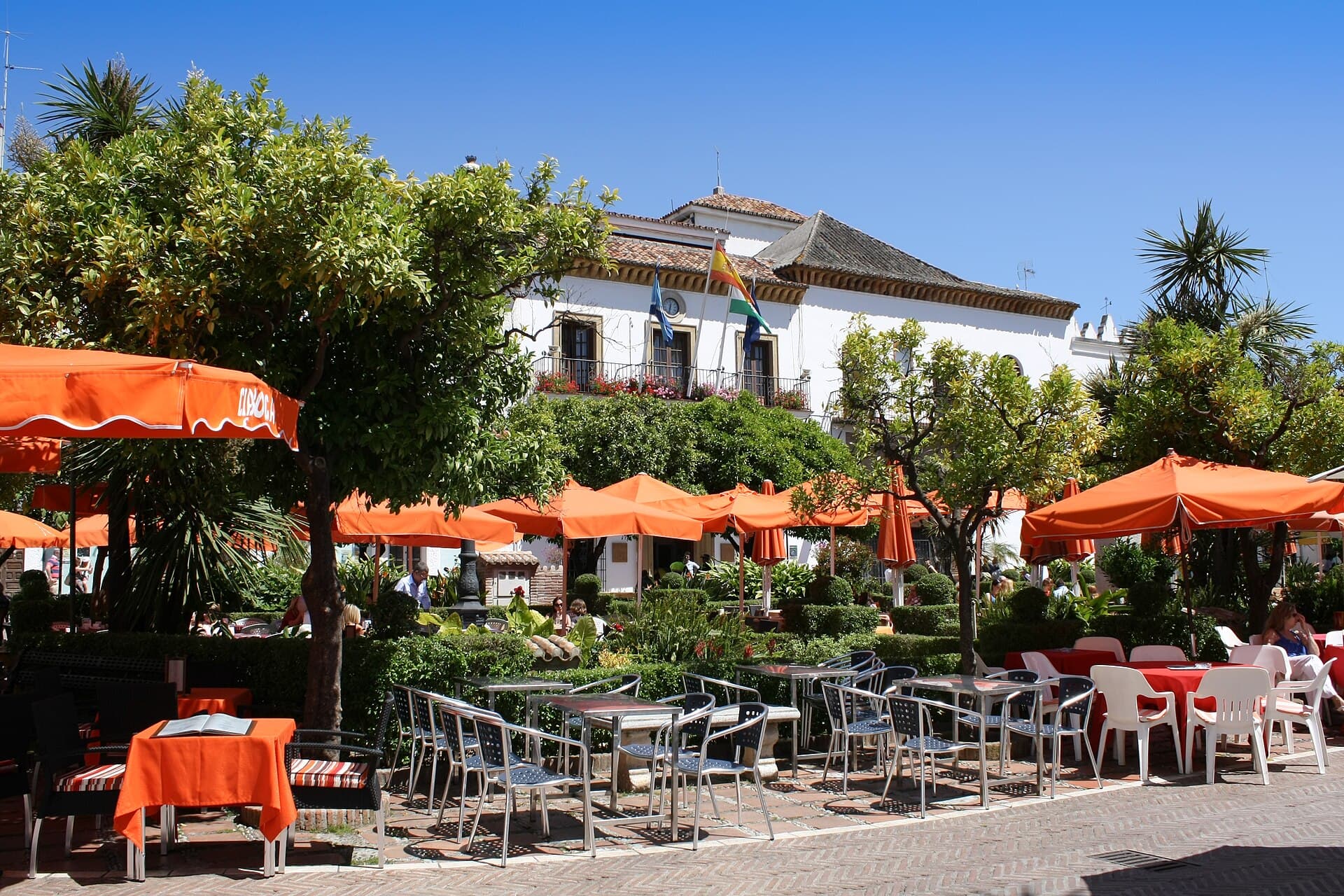 Plaza de los NaranjosThe main square of Marbella's old town, laid out in the late fifteenth century a9 minutes walk4.7
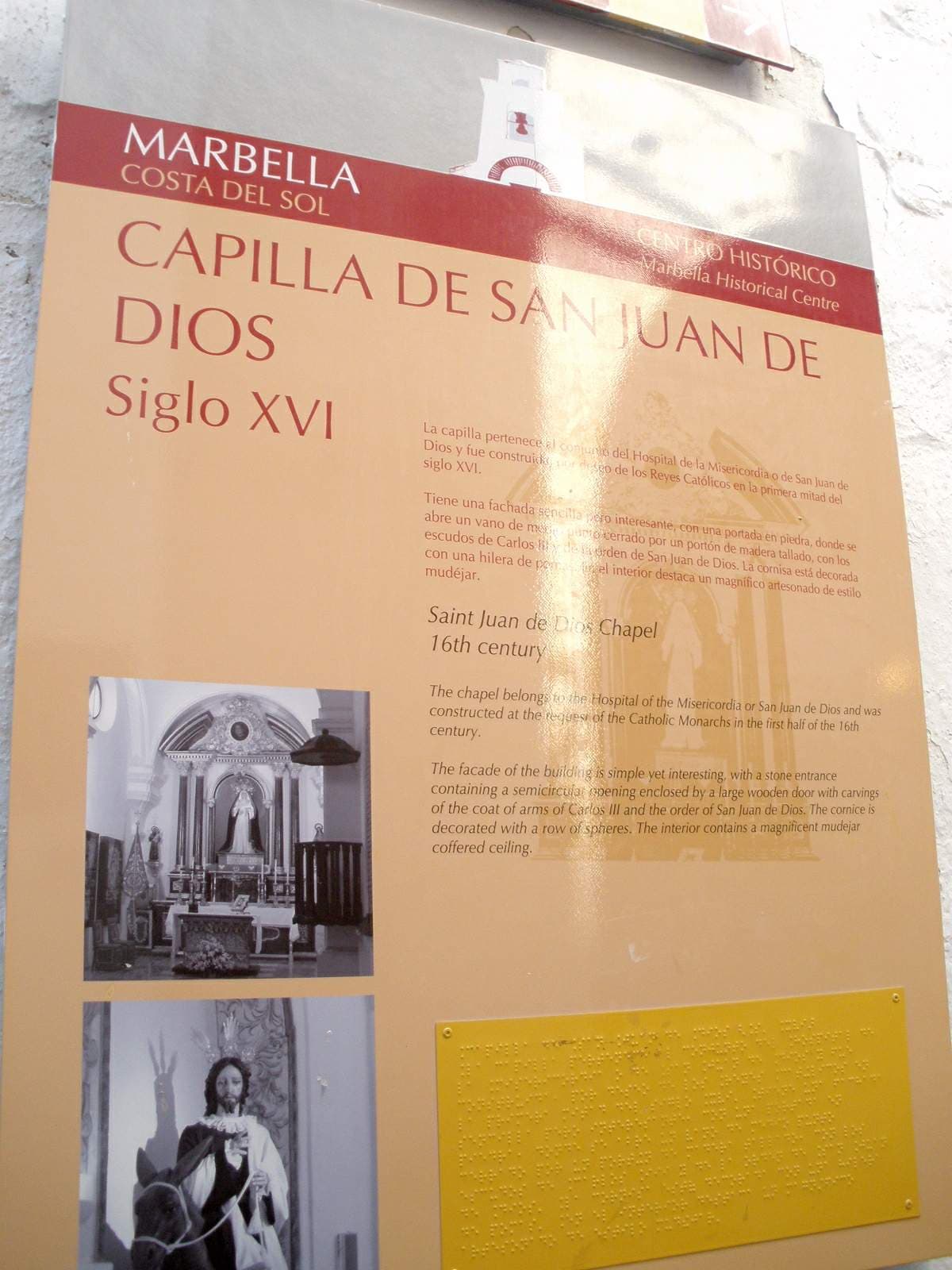 Chapel of San Juan de DiosA small chapel in Marbella's old town, among the oldest religious buildings in t11 minutes walk4.7
 Avenida del Mar & the Dalí BronzesThe Avenida del Mar is Spain's strangest open museum: a short marble promenade j12 minutes walk4.5
As a short free stop within a walk of the old town, yes, particularly if you care to see the Marbella that preceded the resorts. But it is not a destination that justifies a special trip, and the displayed content changes.
The Plaza de los Naranjos and the old town are minutes away on foot, and the three make one morning that gives you the non-coastal Marbella.