
Ludwig's golden saloon
The dreamer-king's rolling palace — history's most lavish railway car.
Matti Blume — CC BY-SA 4.0 · Matti Blume — CC BY-SA 4.0 · Matti Blume — CC BY-SA 4.0 · Matti Blume — CC BY-SA 4.0
In the city where Germany's first train ran in 1835 stands the country's oldest and foremost railway museum: the DB Museum, telling Germany's love affair with trains from first steam to the high-speed ICE. Real trains line the great halls: the replica of the "Adler", Germany's first locomotive; giant polished steam engines; King Ludwig II's golden saloon — a rolling palace worthy of Neuschwanstein's builder — and the Kaiser's coach. One section deals honestly with the railways' role in the Nazi era and its deportations. For children there is a kingdom of their own: the KIBALA play floor with driving to try, real driver's cabs, and one of Europe's largest model railways performing on schedule. A rare blend: a serious technical museum for adults and a dream playground for the young in one building.
The dreamer-king's rolling palace — history's most lavish railway car.
The replica of Germany's first train, which ran from Nuremberg itself in 1835.
Hundreds of metres of miniature track running to real timetables.
A play-and-drive kingdom for children — extraction is difficult.
Lessingstrasse 6, 90443 Nuremberg
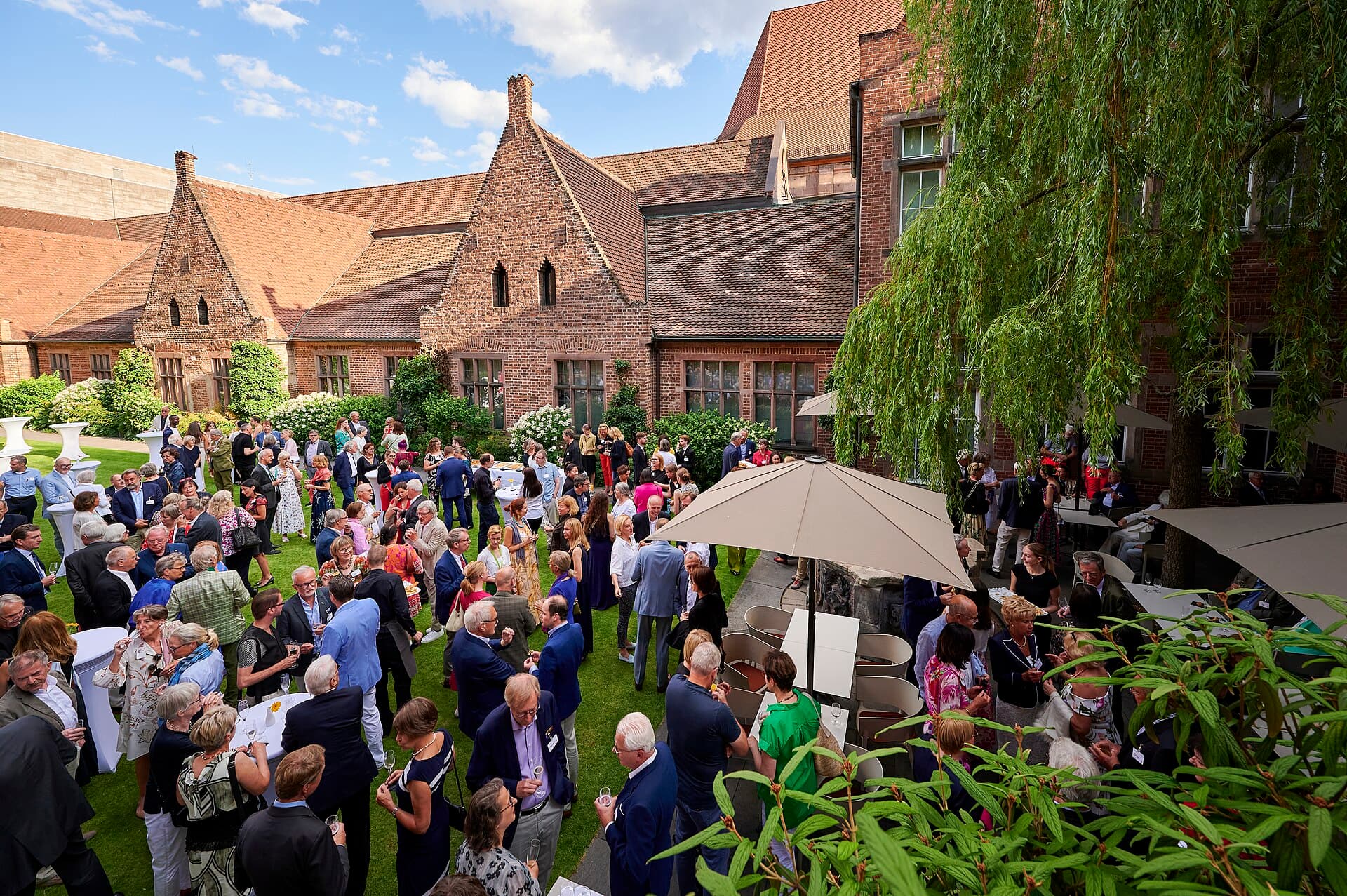 Germanisches NationalmuseumThe Germanisches Nationalmuseum in Nuremberg is the largest museum of history an4 minutes walk4.7
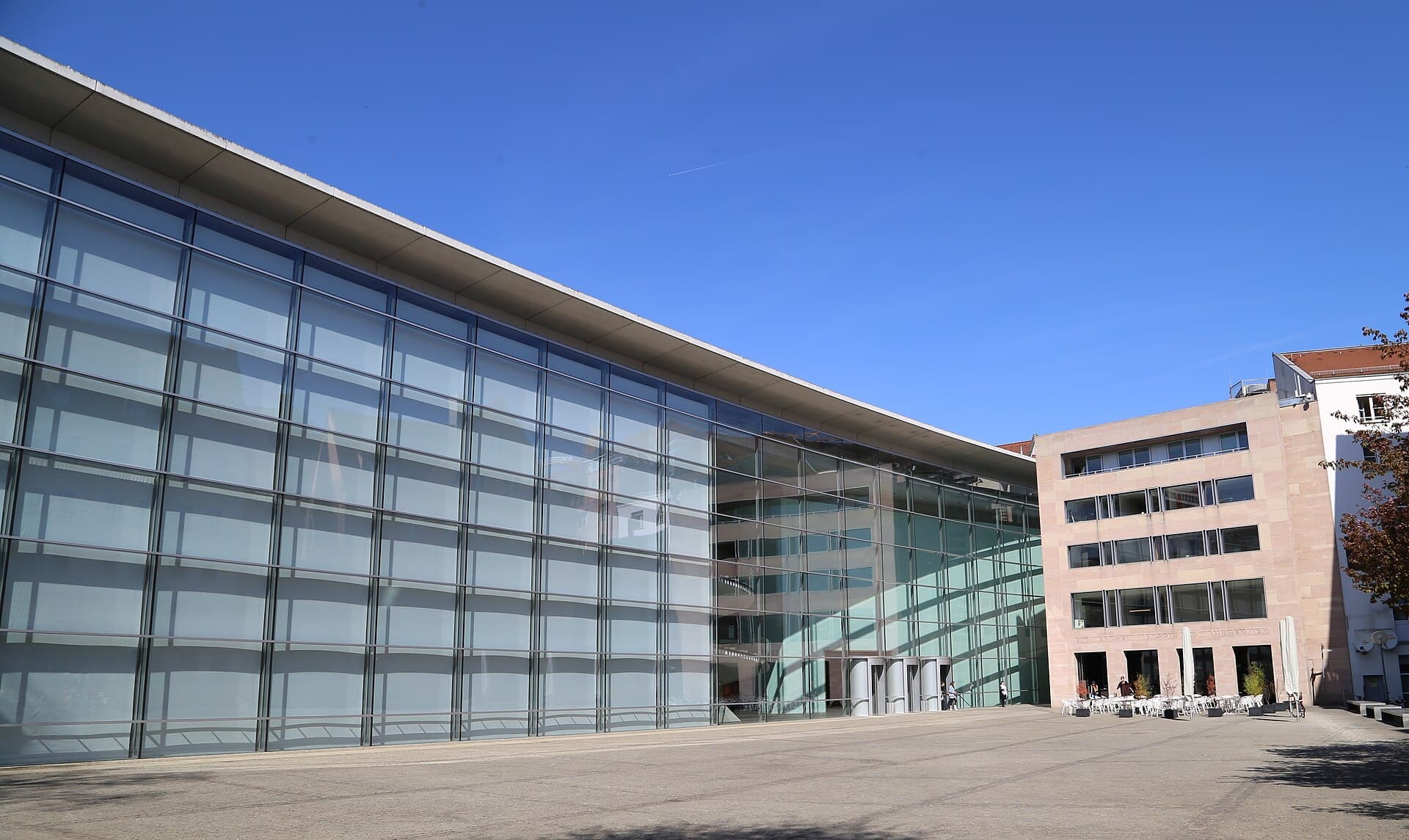 Neues Museum NurembergThe Neues Museum Nuremberg is a museum of modern art and design, opened in 2000 6 minutes walk4.3
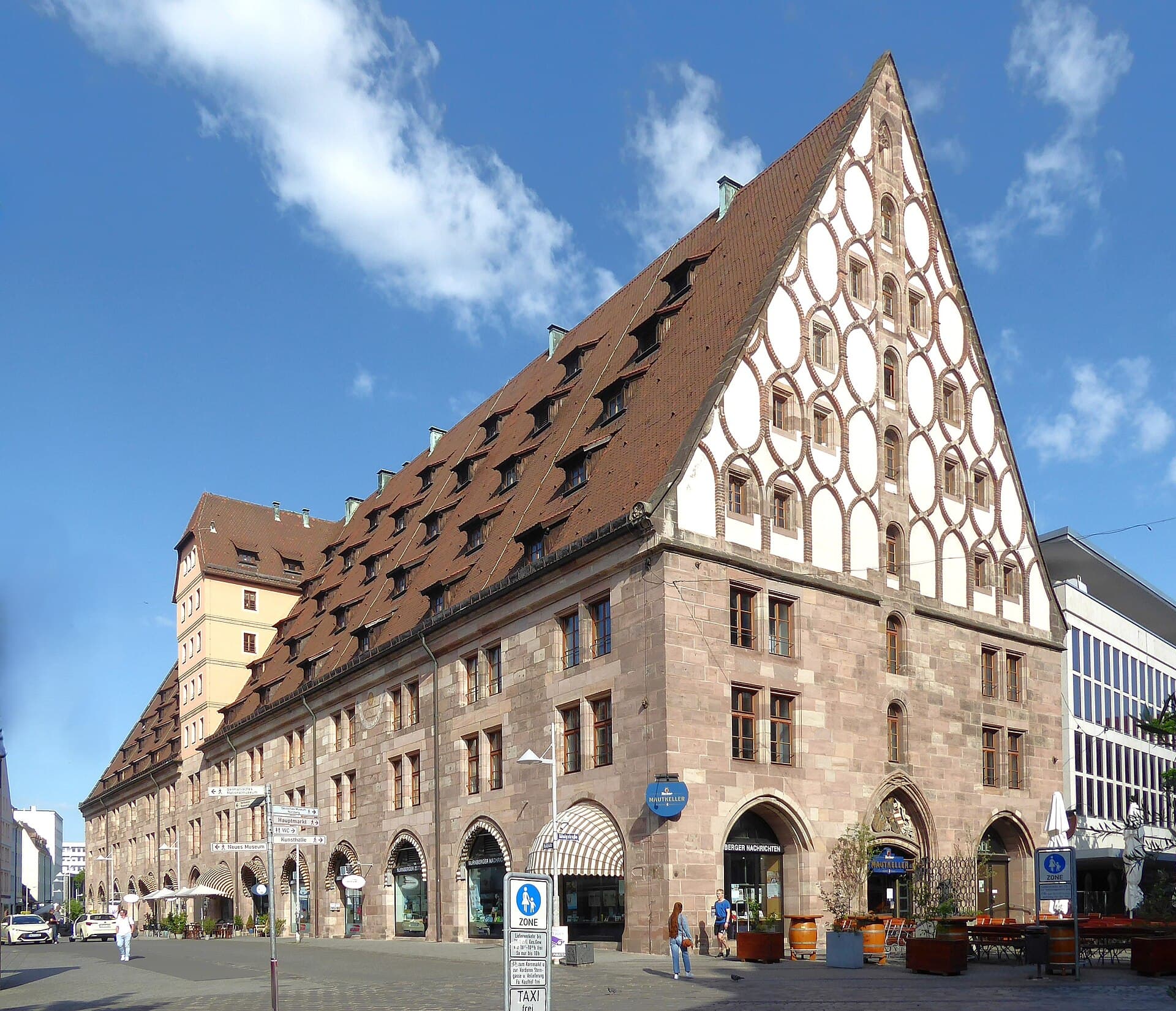 The MauthalleThe Mauthalle is a huge building of 1502 raised as both a grain store and a cust6 minutes walk4.3
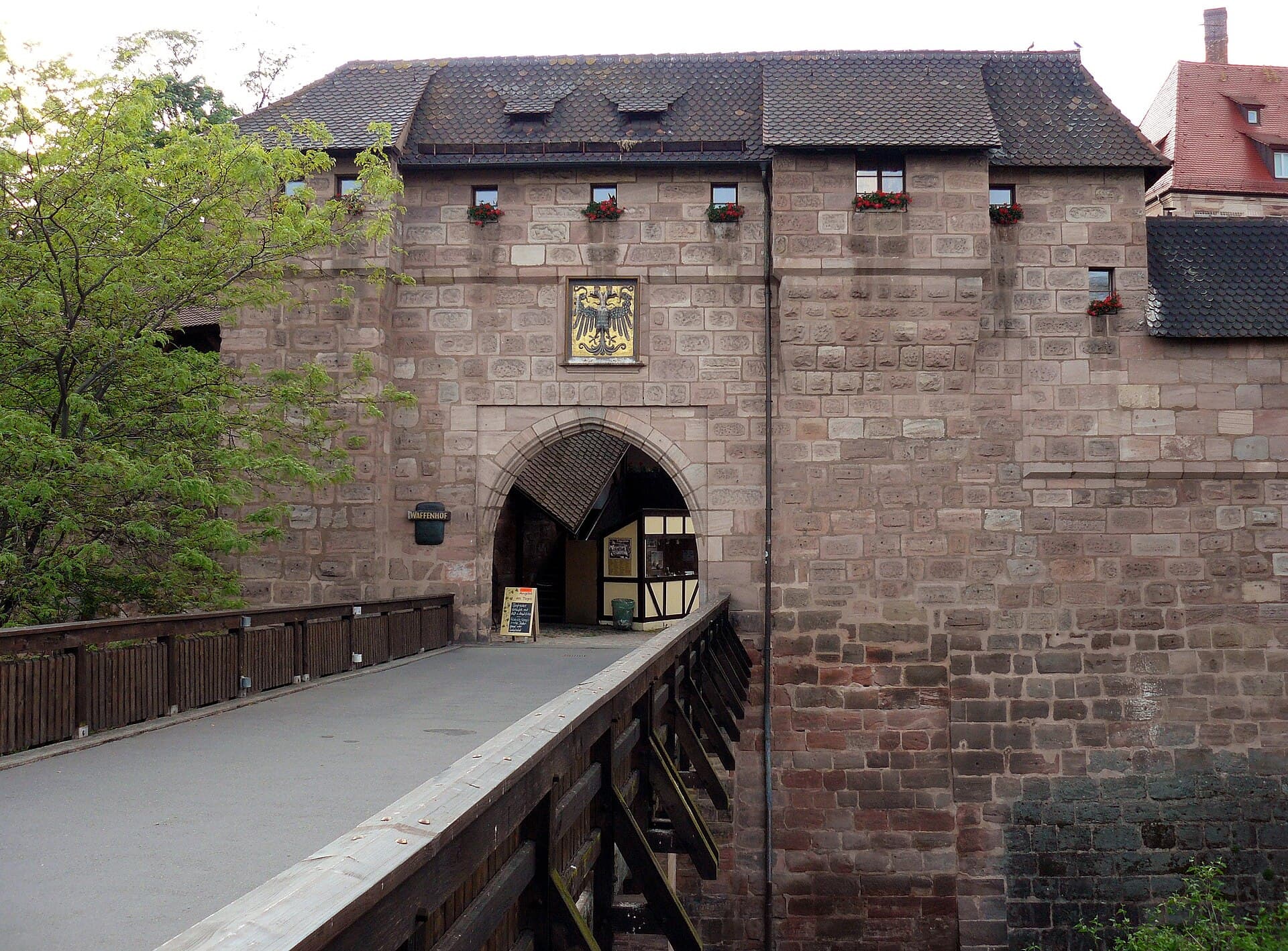 Frauentor GateThe Frauentor is one of the four great gates in Nuremberg's old wall, and its ma6 minutes walk4.6
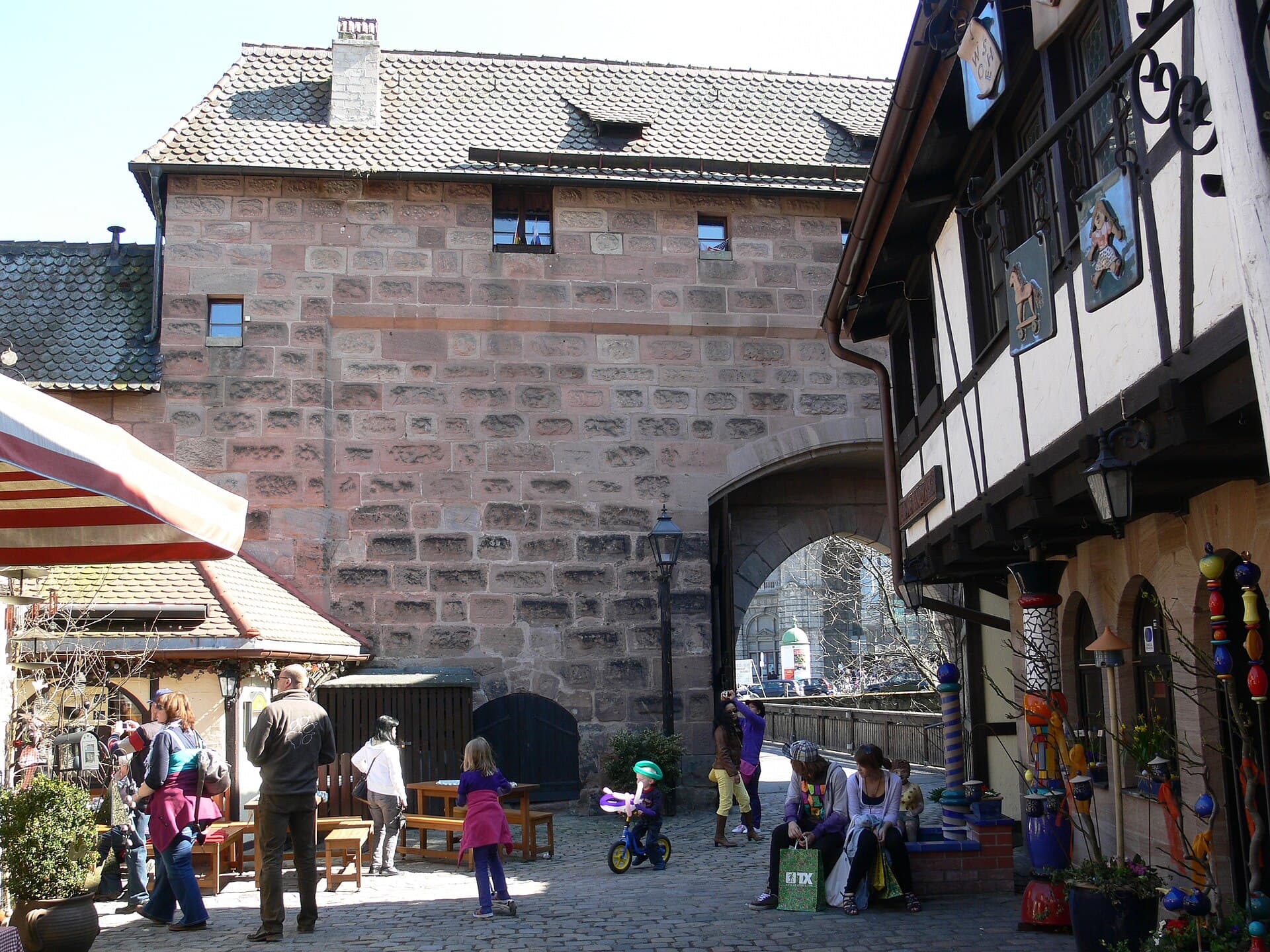 HandwerkerhofThe Handwerkerhof is a cluster of small timber-framed houses set inside the city7 minutes walk4.7
More than you expect: Ludwig's coach, the first-train story and the Nazi-era section are social history that grips anyone, and children are fully absorbed on their floor. Technics lovers will melt; the wholly indifferent should give the Germanisches next door priority.
Three hours vanish unnoticed: great halls, then the model show, then KIBALA — in that order, or they will never leave the play floor. The café inside sustains the mission.
Germany's first train ran from here to neighbouring Fürth in 1835 — six kilometres that changed the country. Hence the museum is here, not Berlin, and the city wears the title proudly.