
Hitler and Stalin
Two devils dancing over Lithuania.
Andrijana F — CC BY-SA 4.0 · Andrijana F — CC BY-SA 4.0 · Doyle of London — CC BY-SA 4.0 · Doyle of London — CC BY-SA 4.0
Three thousand devils in one museum — the only one of its kind in the world: the painter Antanas Žmuidzinavičius began collecting devil figures as a hobby in the early twentieth century, and when he died in 1966 his collection numbered sixty — then people from all over the world donated until it passed three thousand. The devils here are not frightening but folkish and satirical: in Lithuanian folklore the devil is a foolish trickster always beaten by cunning rather than force, so the figures show him dancing, playing instruments, drunk and farming. The pieces are wood, ceramic and metal, from Lithuania, Japan, Mexico, Cuba and Africa. The most famous piece is political rather than folkloric: a work showing Hitler and Stalin as two devils dancing over a Lithuania paved with human bones — the harshest artistic comment on the country's century. Three floors, an hour is enough, and children love it without fear.
Two devils dancing over Lithuania.
From Japan, Mexico, Cuba and Africa.
V. Putvinskio g. 64, Kaunas
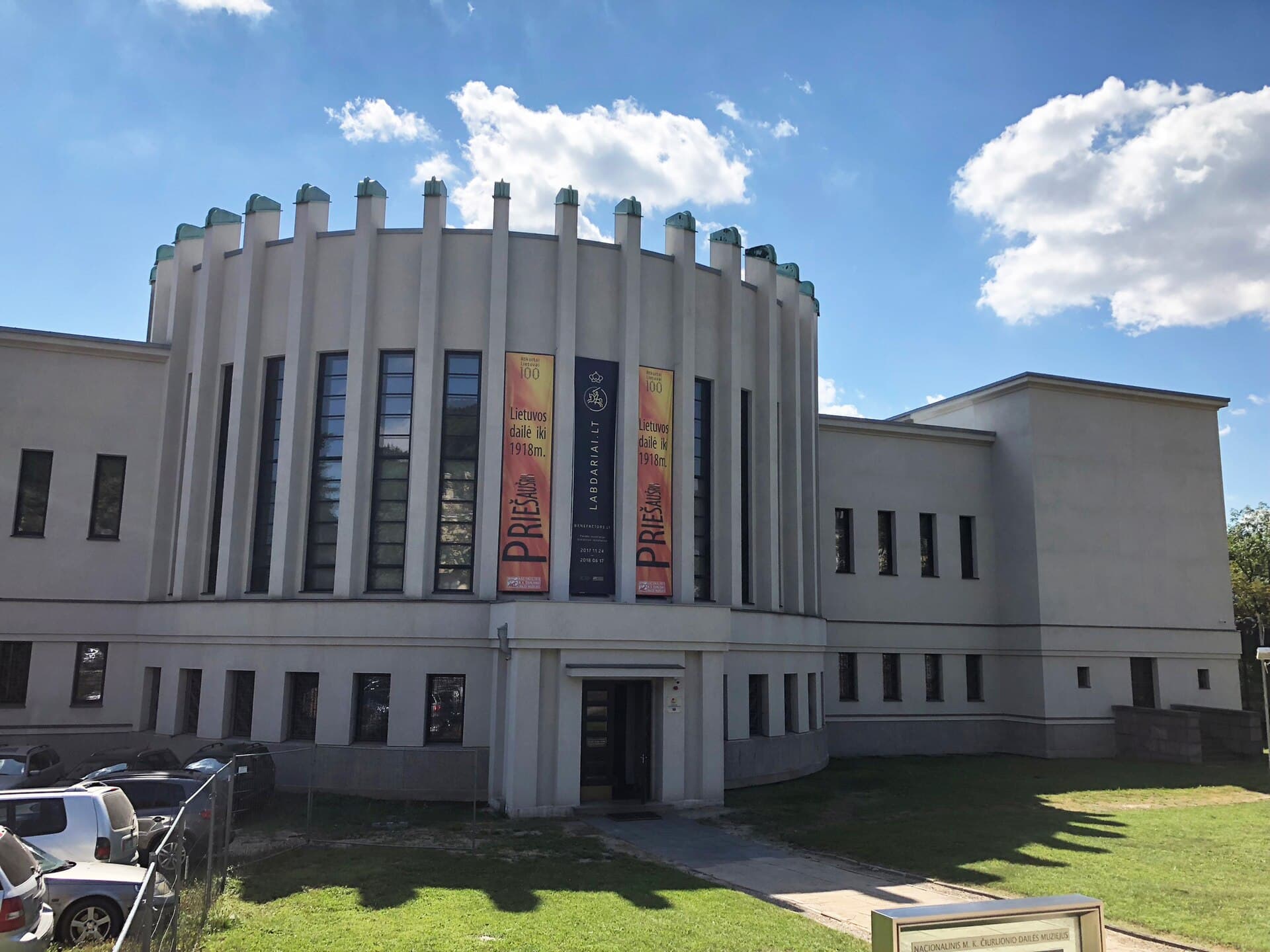 M. K. Čiurlionis National Art MuseumA museum for one man who changed a nation's art: Mikalojus Konstantinas Čiurlion1 minute walk4.9
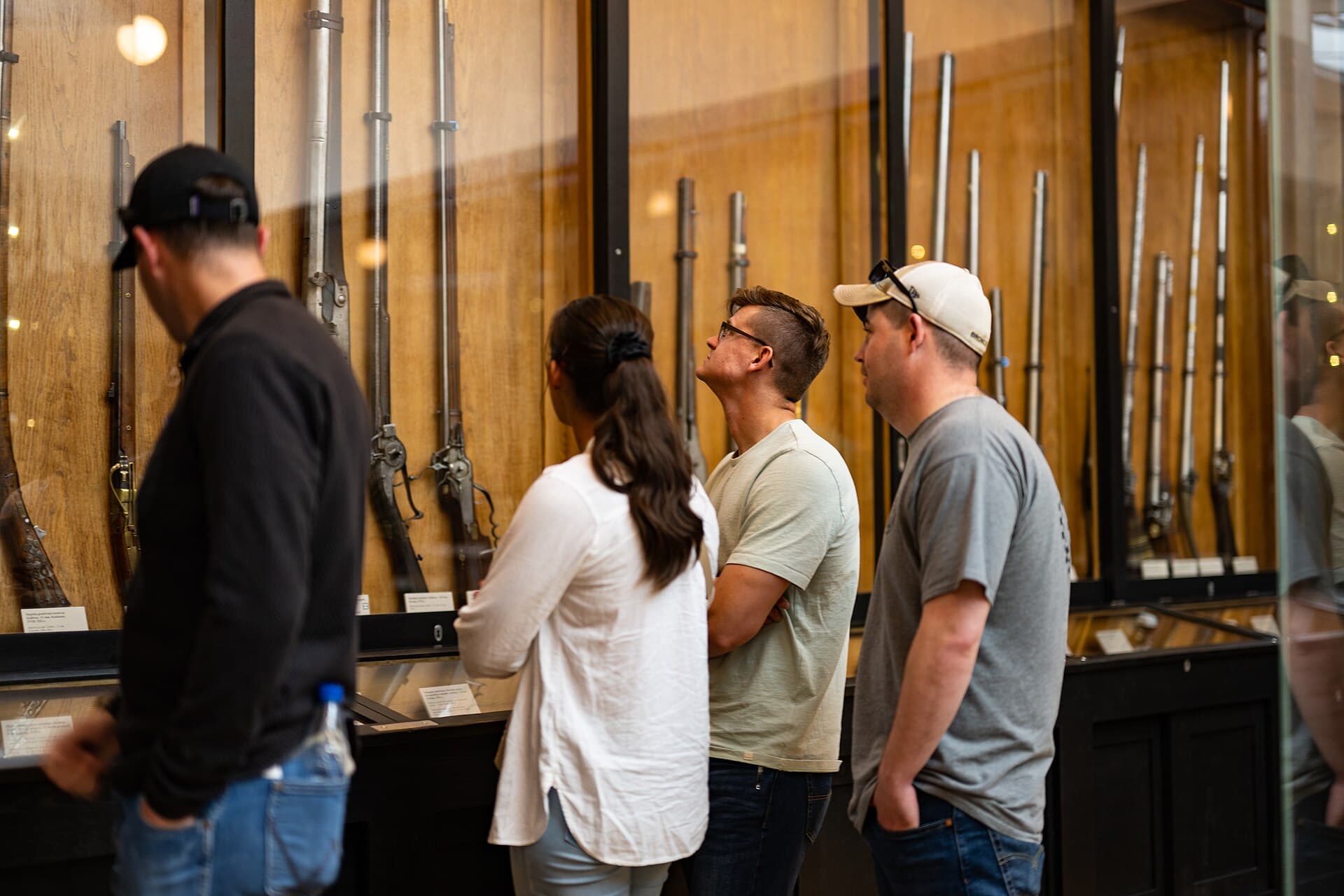 Vytautas the Great War MuseumLithuania's military museum and a symbol of its interwar independence: founded i2 minutes walk4.8
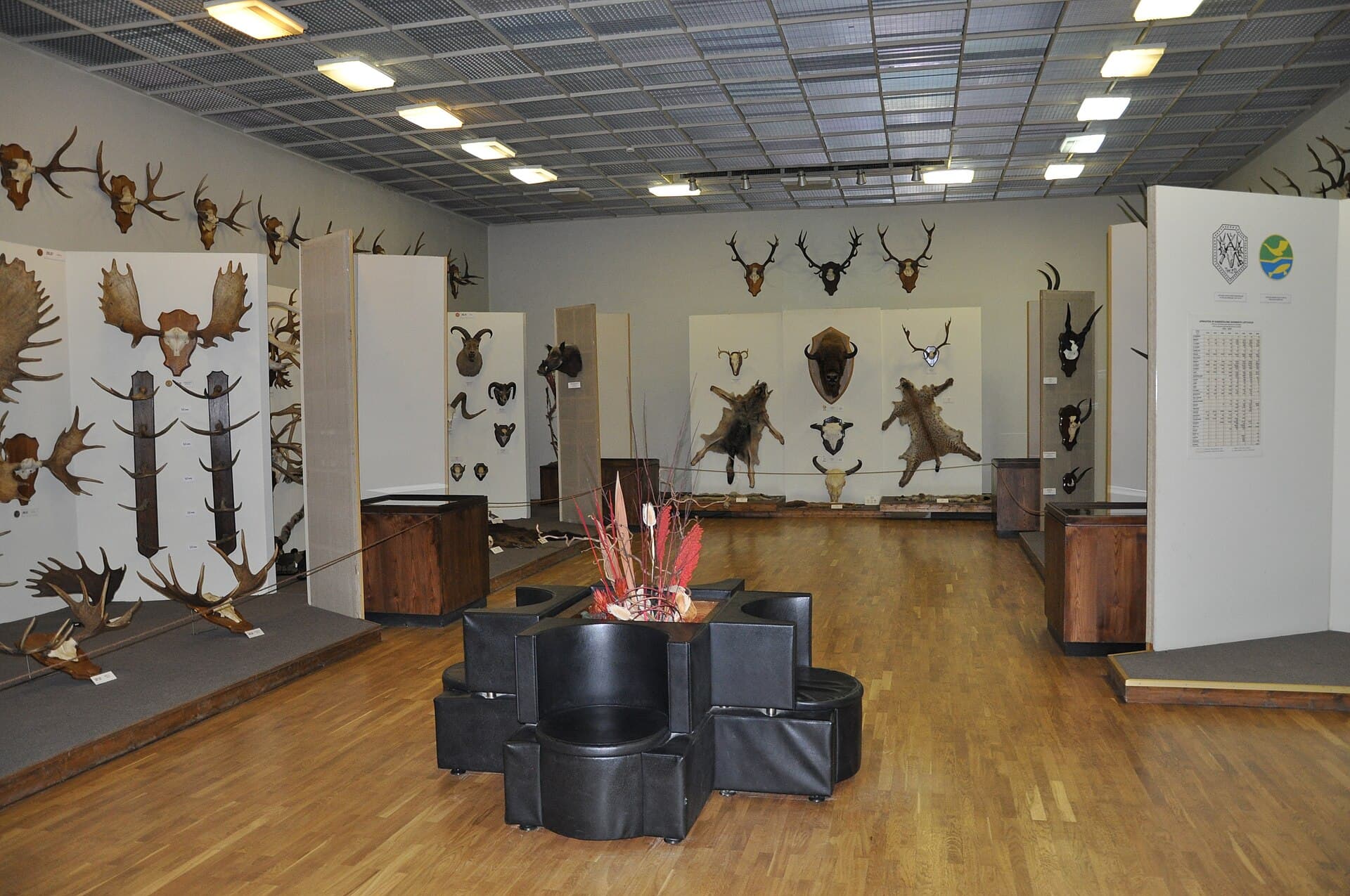 Tadas Ivanauskas Museum of ZoologyA natural history museum in central Kaunas, founded by the zoologist Tadas Ivana7 minutes walk4.6
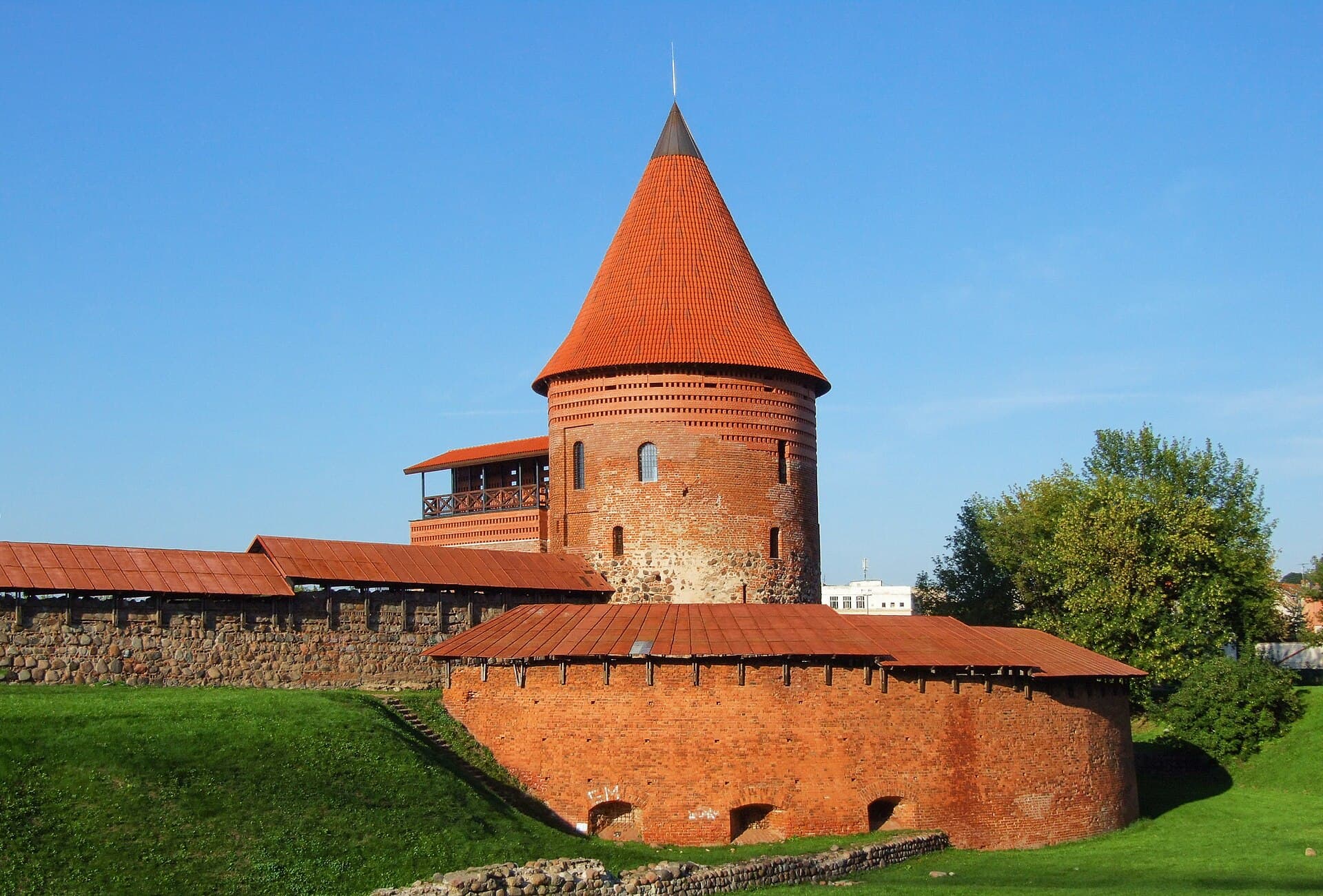 Kaunas CastleLithuania's oldest stone castle and the first thing built in Kaunas: raised in t21 minutes walk4.5
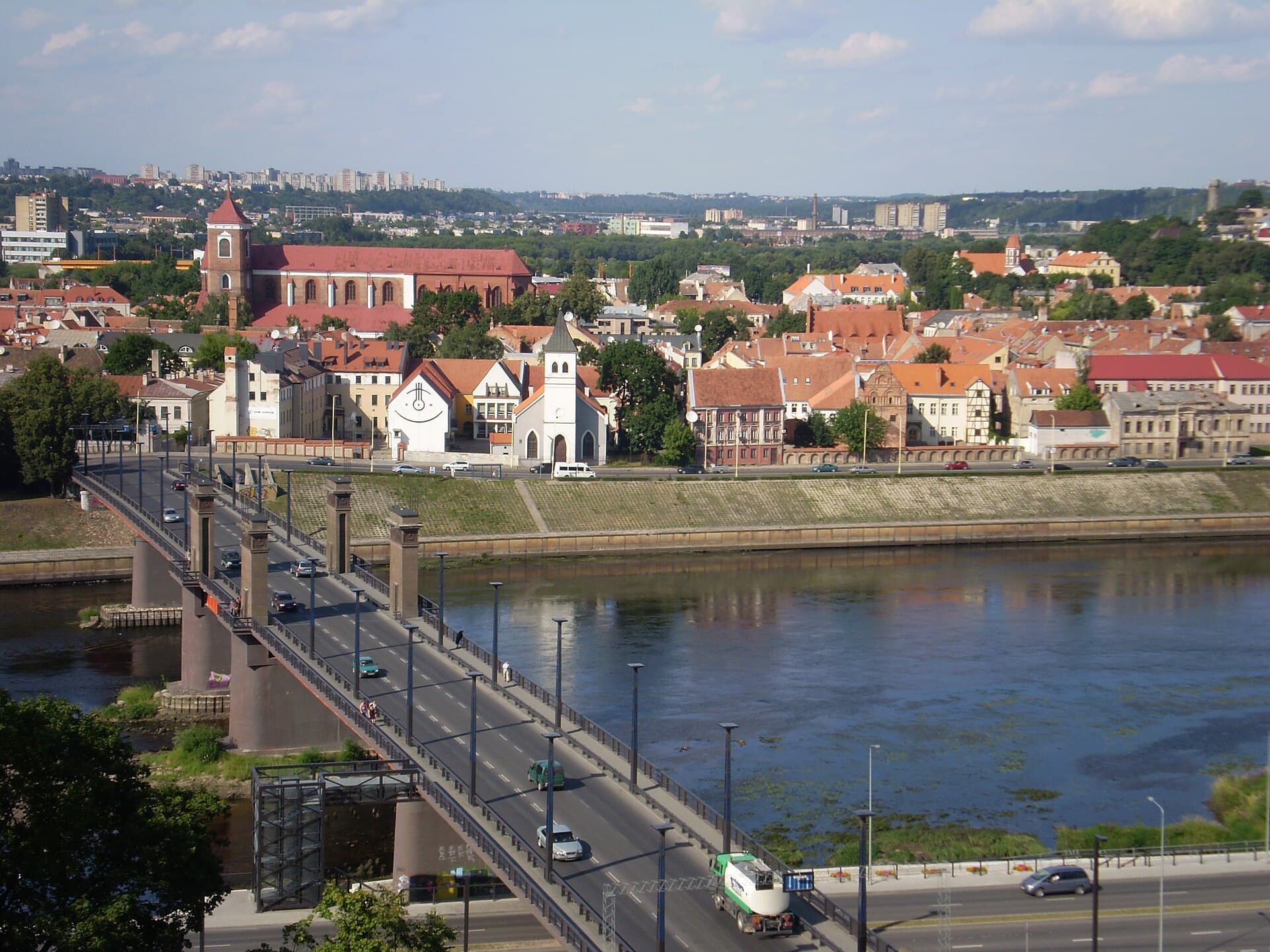 Vytautas the Great BridgeA bridge over the Nemunas linking central Kaunas with the Aleksotas district to 21 minutes walk4.8
Entirely: the figures are cartoonish and folkish and children find them funny rather than frightening — though the political work on the top floor needs an adult's explanation.