
Display from another era
Glass cases and rows of specimens — few museums remain like this.
Troica — Public domain · Troica — Public domain · Troica — Public domain · Troica — Public domain
A natural history museum in central Kaunas, founded by the zoologist Tadas Ivanauskas in 1919, and the largest of its kind in the Baltic states. The collection is vast: tens of thousands of mounted specimens from every continent, arranged by taxonomy and habitat, along with skeletons, insects and shells. Whole sections are devoted to Lithuanian animals and others to African and polar wildlife. The museum is old-fashioned in its presentation — glass cases, rows of specimens and text panels — and that has itself become part of the appeal: this is how natural history museums were shown through the twentieth century, and few survive unchanged. Ivanauskas is an important figure in Lithuanian science: he also founded Kaunas zoo and nature reserves, and was among the country's first advocates of conservation. Practical points: entry costs little with family rates. The museum is large — allow one to two hours. Good for children. It closes one or two days a week.
Glass cases and rows of specimens — few museums remain like this.
Ivanauskas also founded the zoo and nature reserves.
Whole sections on local wildlife alongside African and polar.
Laisvės Avenue, central Kaunas
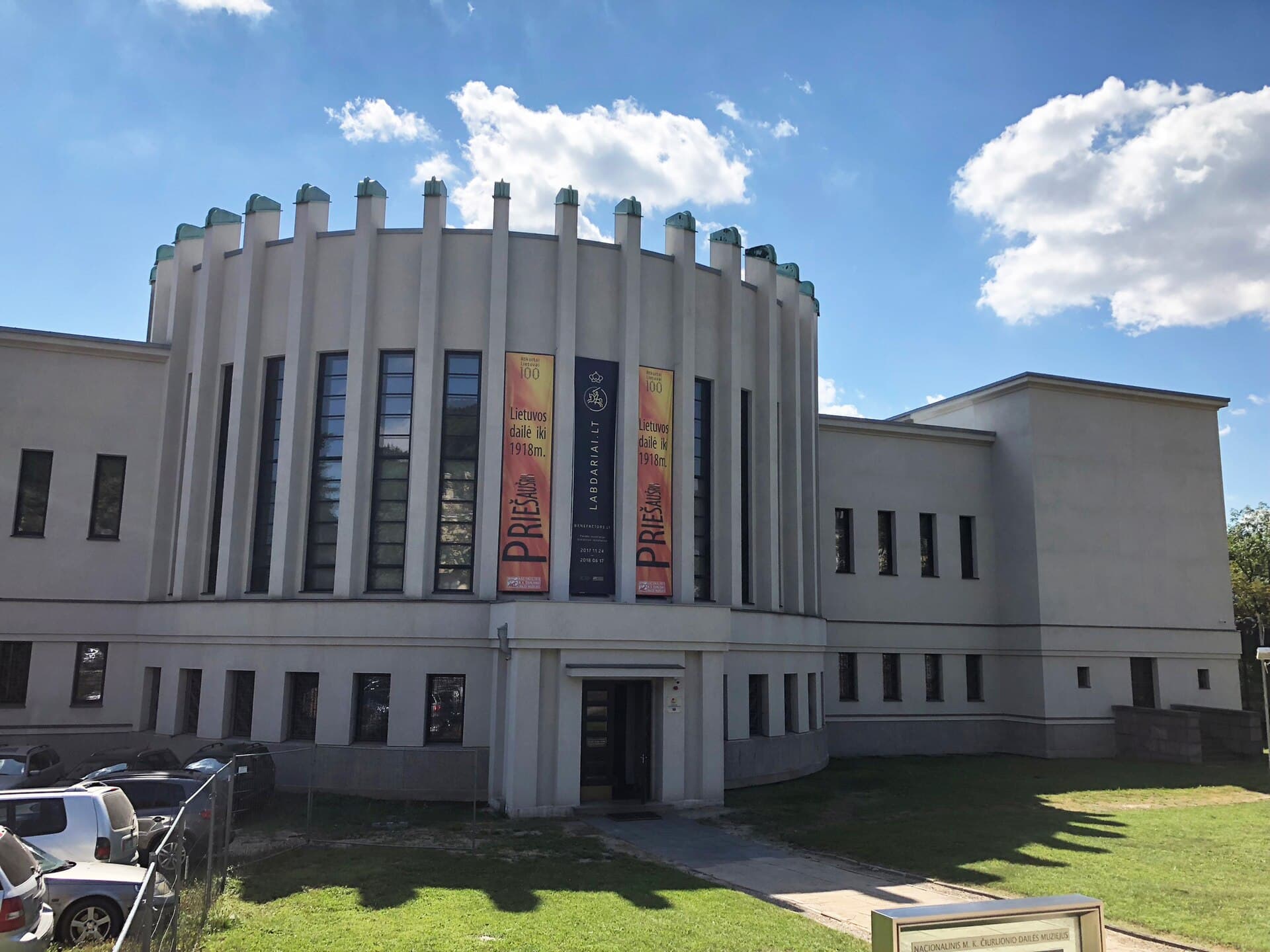 M. K. Čiurlionis National Art MuseumA museum for one man who changed a nation's art: Mikalojus Konstantinas Čiurlion7 minutes walk4.9
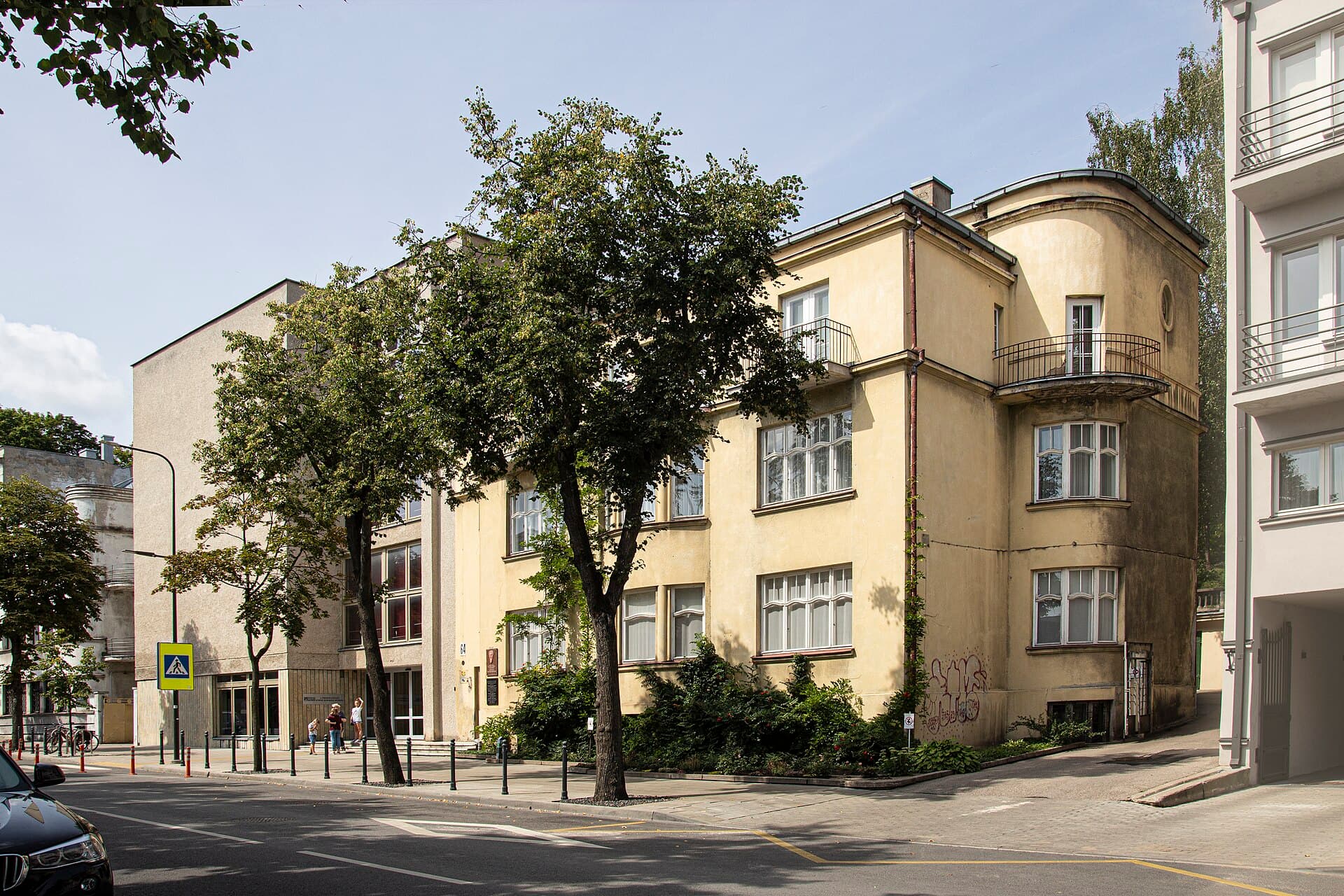 The Devils' MuseumThree thousand devils in one museum — the only one of its kind in the world: the7 minutes walk4.3
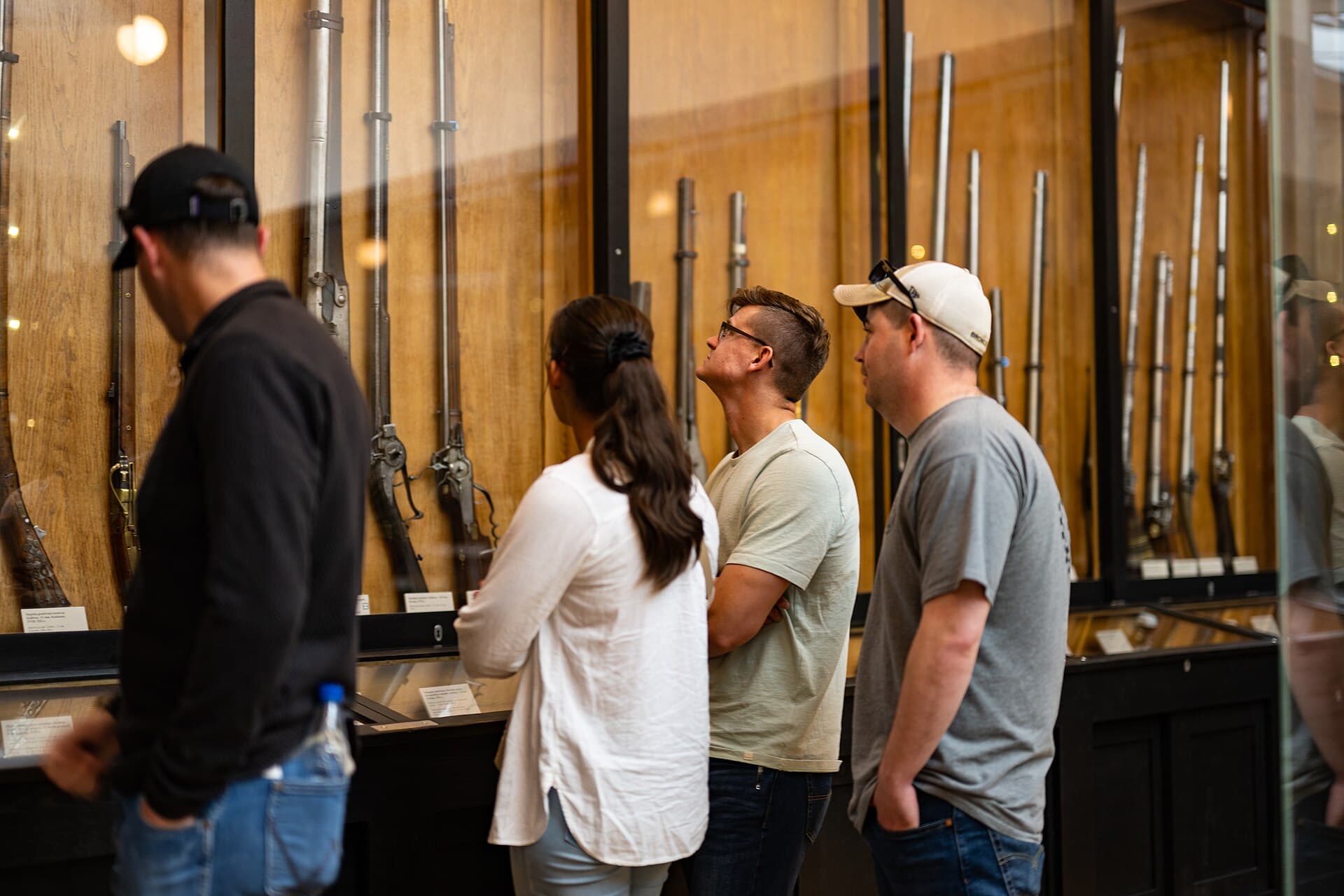 Vytautas the Great War MuseumLithuania's military museum and a symbol of its interwar independence: founded i7 minutes walk4.8
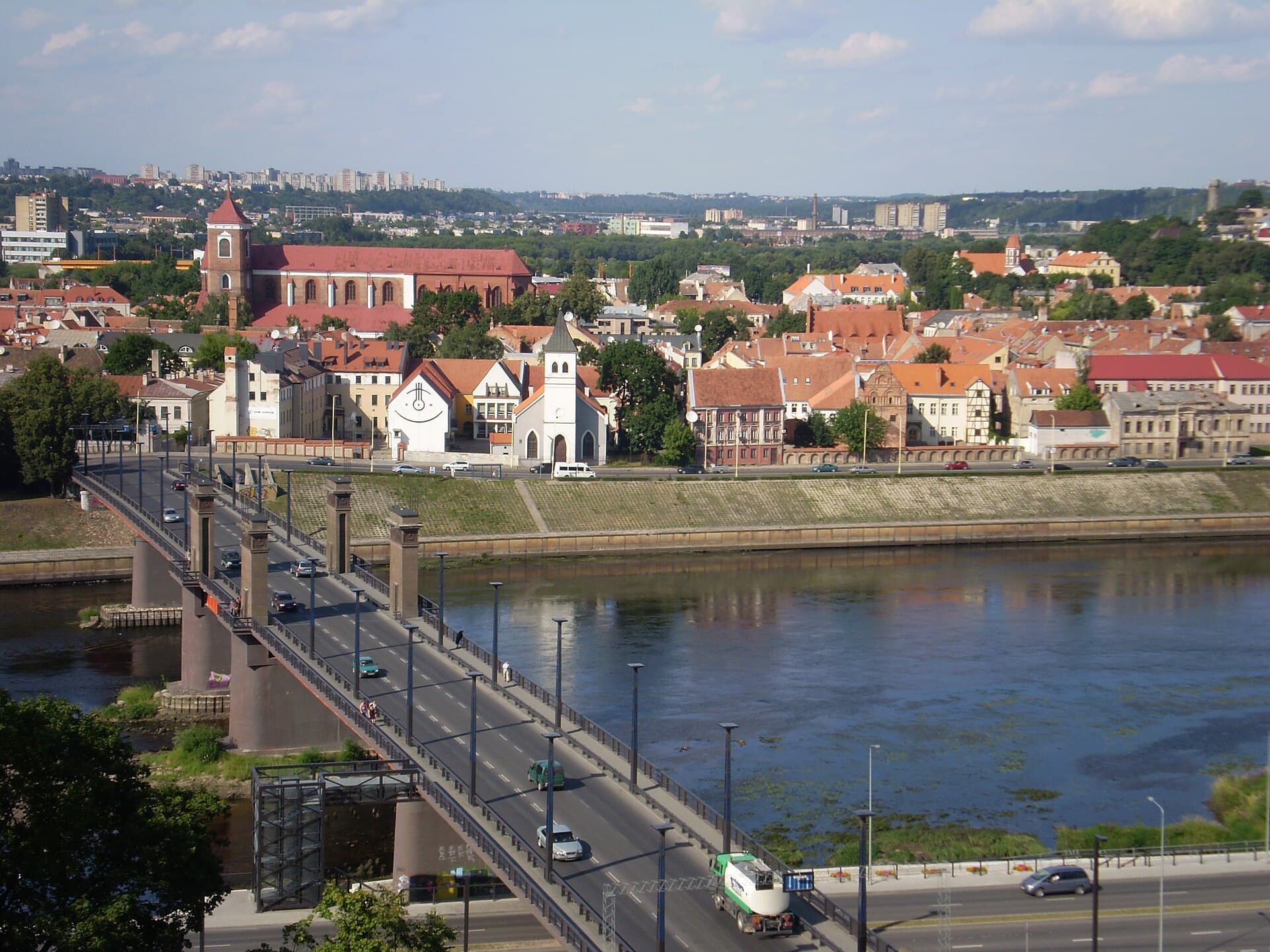 Vytautas the Great BridgeA bridge over the Nemunas linking central Kaunas with the Aleksotas district to 15 minutes walk4.8
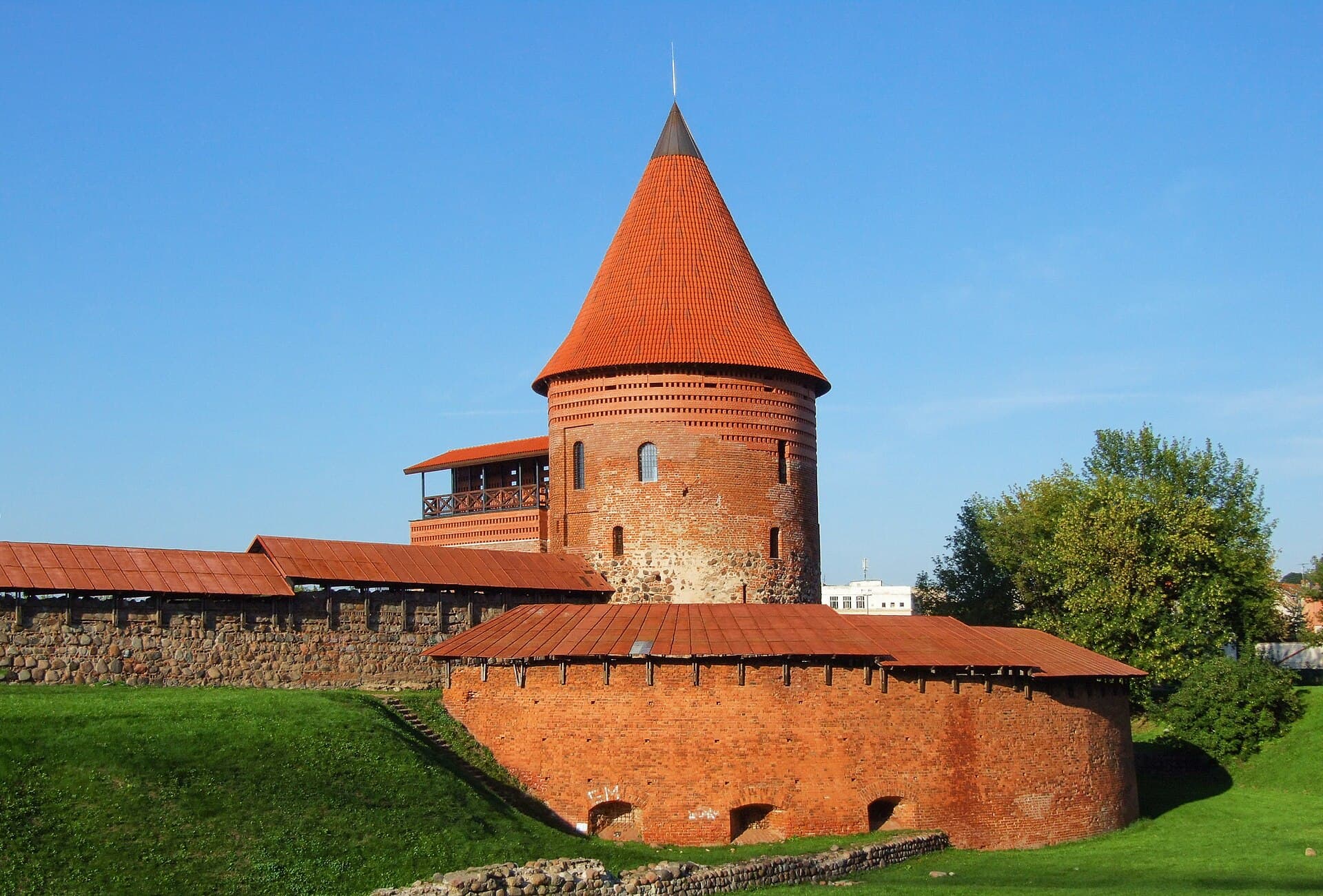 Kaunas CastleLithuania's oldest stone castle and the first thing built in Kaunas: raised in t15 minutes walk4.5
Very much so, and it is among the best options in Kaunas with them: the collection is entirely visual and needs no reading, and the large animals hold attention. It is entirely indoors, so a good wet-day option.
Kaunas's main pedestrian street, running about a kilometre and a half from the modern centre almost to the old town, lined with lime trees, cafés and shops. Most of Kaunas's interwar architecture is on or around it, and it is the best route for seeing it.