
The round tower
What remains after the river ate two thirds.
Pudelek (Marcin Szala) — CC BY-SA 3.0 · Pudelek (Marcin Szala) — CC BY-SA 3.0 · Pudelek (Marcin Szala) — CC BY-SA 3.0 · Raf24~commonswiki — CC BY 4.0
Lithuania's oldest stone castle and the first thing built in Kaunas: raised in the fourteenth century where the Nemunas and Neris rivers meet, to hold off the Teutonic Order, it was the first Lithuanian castle with a double wall — and it fell in the siege of 1362 after the knights mined beneath it, then was rebuilt stronger. Barely a third of it survives today: the river ate the rest over the centuries, leaving a round tower, part of the wall and the moat — which is why its present shape is a half-circle ending abruptly at the water. It was restored in the past decade and opened with an exhibition on the city's history and the siege. Around it lie a park and the confluence promenade, and from it the pedestrian Vilniaus street runs to the old town and the town hall square with its white church, nicknamed the White Swan. In summer performances and festivals fill its courtyard.
What remains after the river ate two thirds.
The Nemunas and Neris meeting behind the castle.
Pilies g. 17, Kaunas
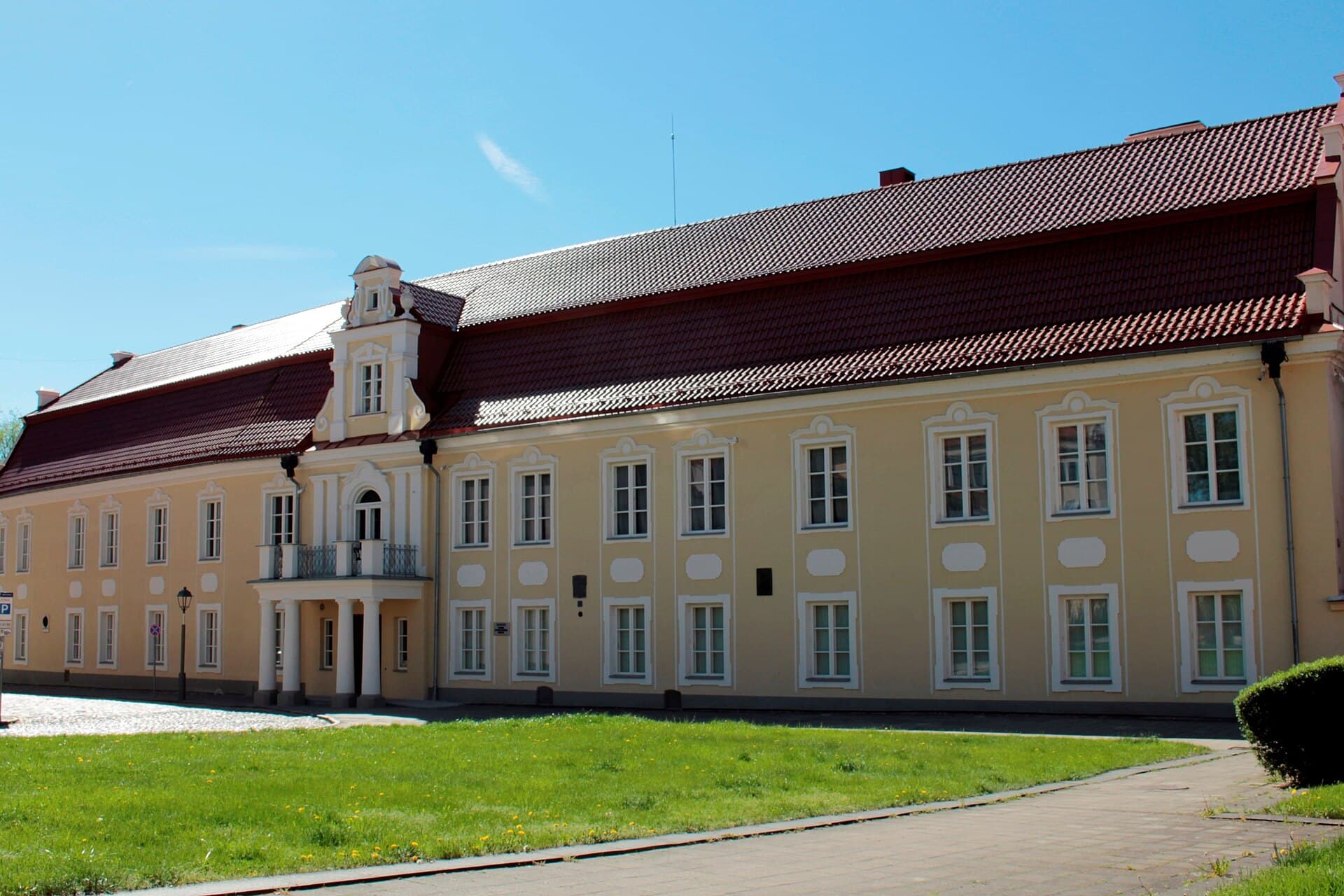 Maironis Lithuanian Literature MuseumA museum in the house of the poet Maironis in Kaunas old town, devoted to him an3 minutes walk4.6
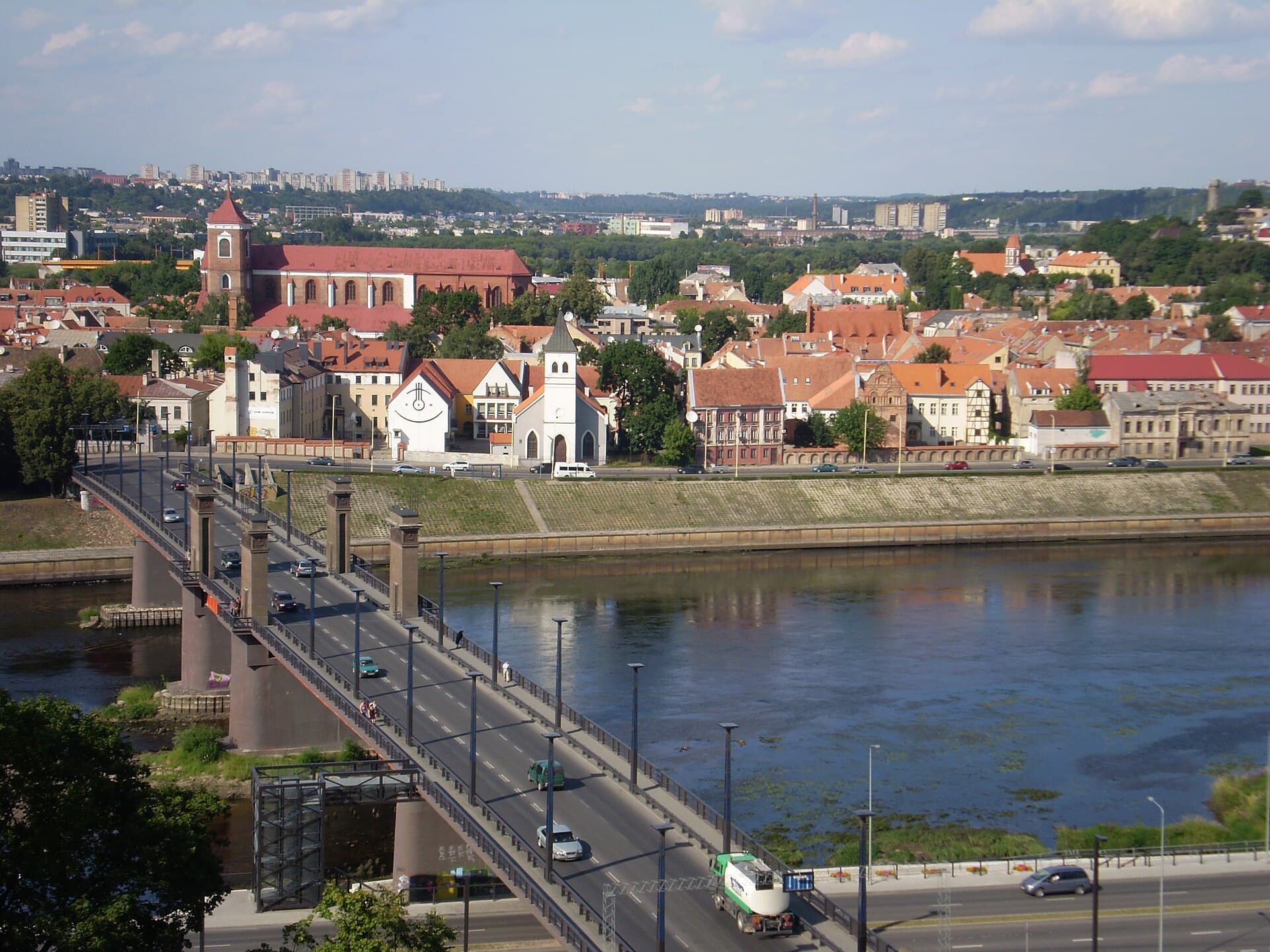 Vytautas the Great BridgeA bridge over the Nemunas linking central Kaunas with the Aleksotas district to 8 minutes walk4.8
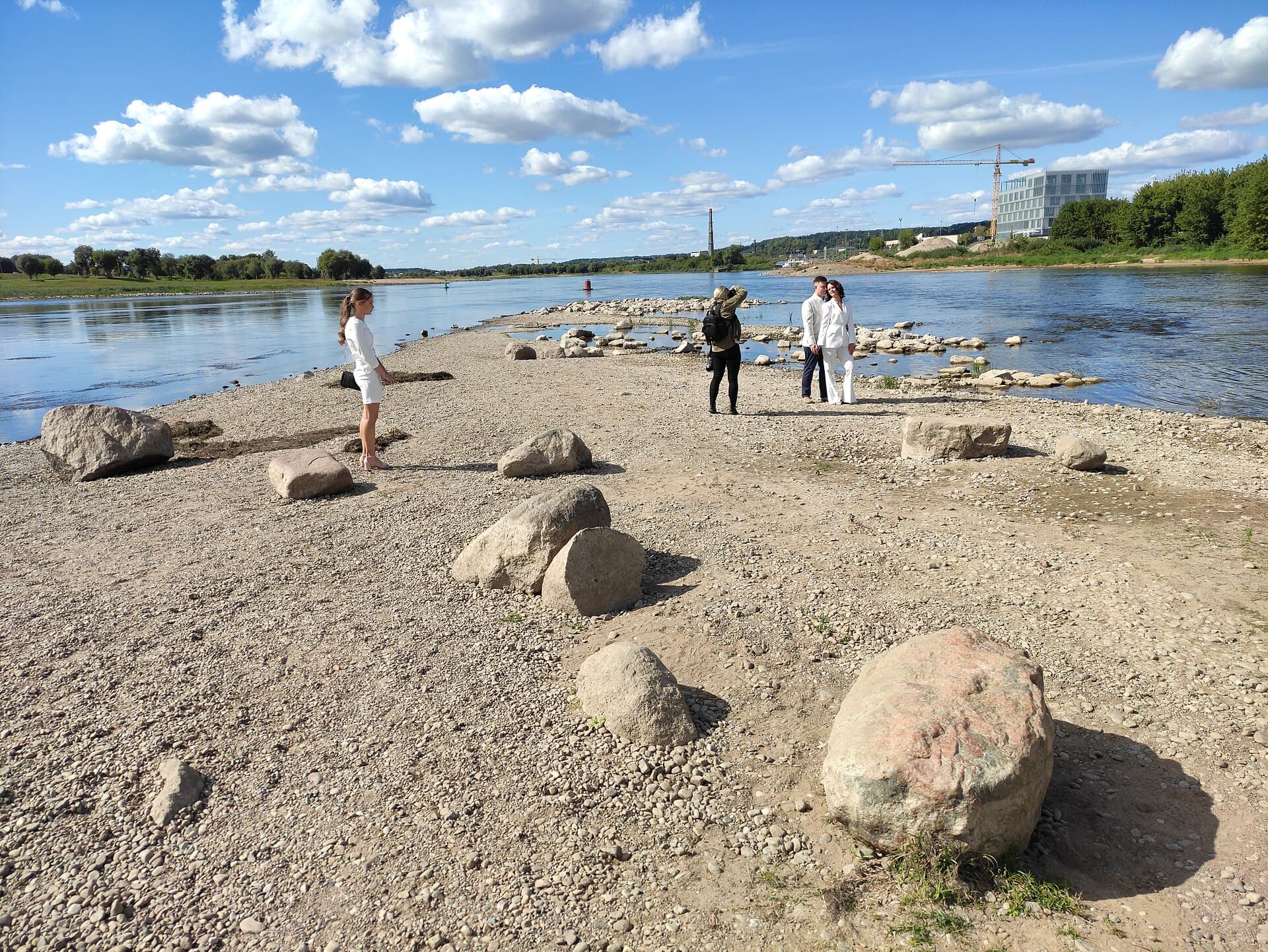 Confluence of the Nemunas and NerisThe point where Lithuania's two largest rivers — the Nemunas and the Neris — mee10 minutes walk4.9
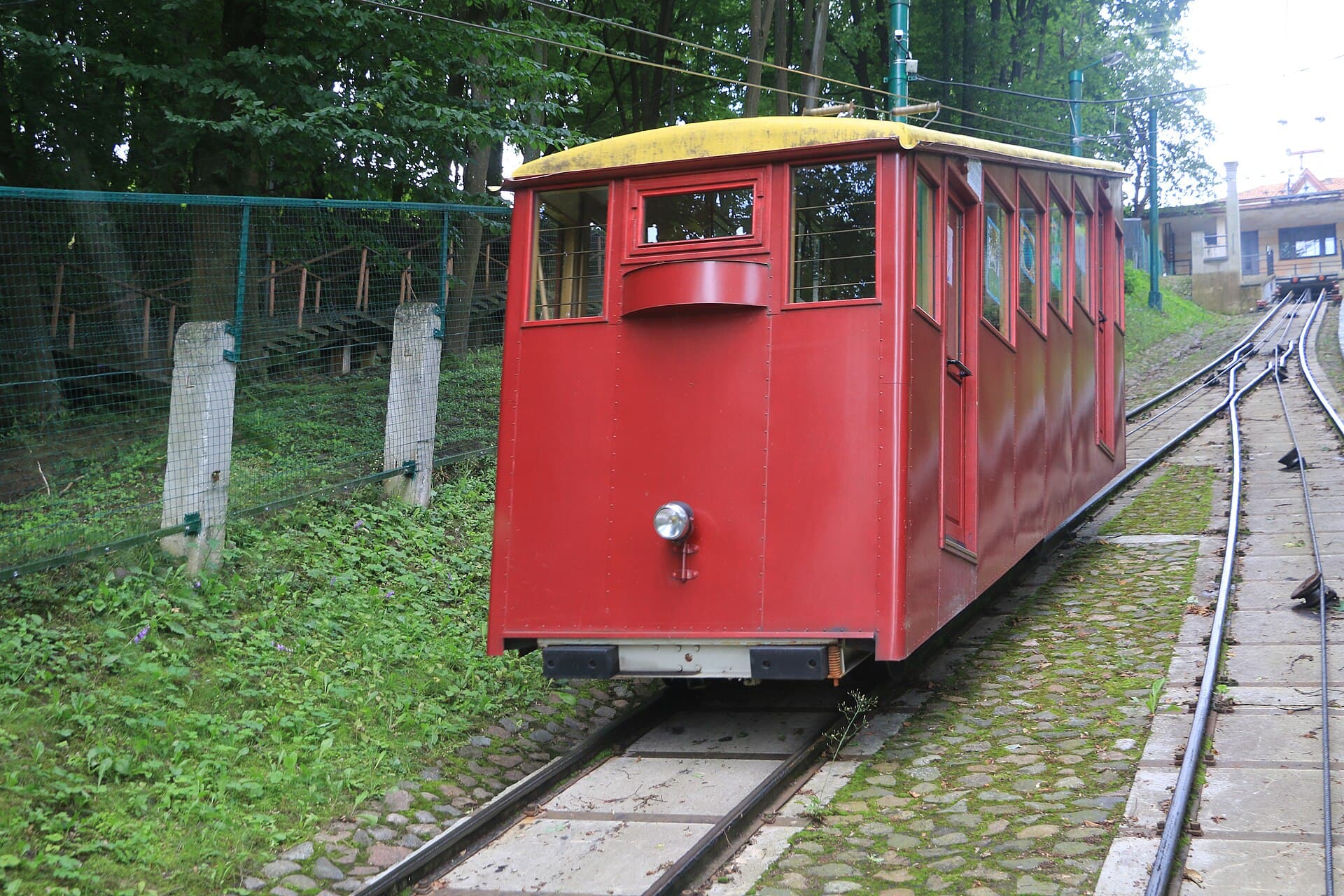 Aleksotas FunicularA funicular railway climbing the Aleksotas hill south of the Nemunas in Kaunas, 11 minutes walk4.5
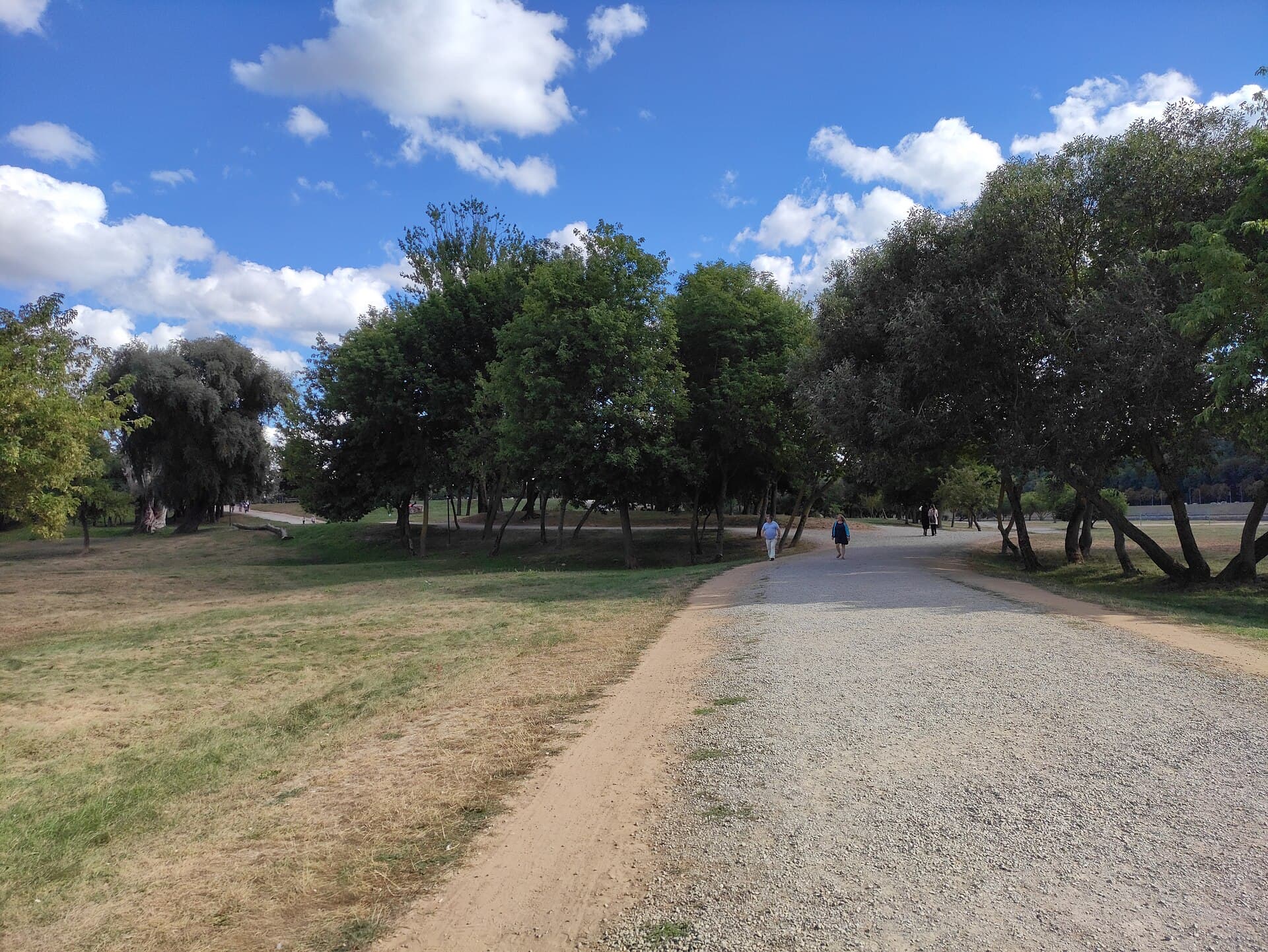 Confluence Park, Nemunas and NerisA park at the point where the Nemunas and the Neris, Lithuania's two largest riv11 minutes walk4.8
Lithuania's second city and its capital between the wars, when Poland held Vilnius — so a complete modernist Art Deco city was built here, UNESCO-listed in 2023, alongside its old town and museums. An hour by train from Vilnius.