
Lituanica
Six thousand kilometres over the Atlantic before the crash.
U.S. Army National Guard photo by Spc. Andres Nunez — Public domain · U.S. Army National Guard photo by Spc. Andres Nunez — Public domain · U.S. Army National Guard photo by Spc. Andres Nunez — Public domain · Rob Oo from NL — CC BY 4.0
Lithuania's military museum and a symbol of its interwar independence: founded in 1921 after the first independence and named for Grand Duke Vytautas, its present building (1936) is a landmark of Kaunas modernism — with a garden of statues of the nation's figures before it and a carillon tower that plays the anthem on the hour. Its display runs from medieval weapons and knights' armour to the wars of the twentieth century and the resistance against the Soviets. Its most famous exhibit is not a weapon: the wreck of Lituanica, the aircraft in which the Lithuanian-American pilots Darius and Girėnas tried to cross the Atlantic non-stop from New York to Kaunas in 1933 — they flew 6,411 kilometres and crashed in Germany six hundred short of arriving. The pilots became a national legend, their faces on Lithuanian currency for decades, and the wreck is displayed here as a relic. The other wing is the Čiurlionis art museum — the two buildings adjoin, on separate tickets.
Six thousand kilometres over the Atlantic before the crash.
The nation's figures before a modernist front.
K. Donelaičio g. 64, Kaunas
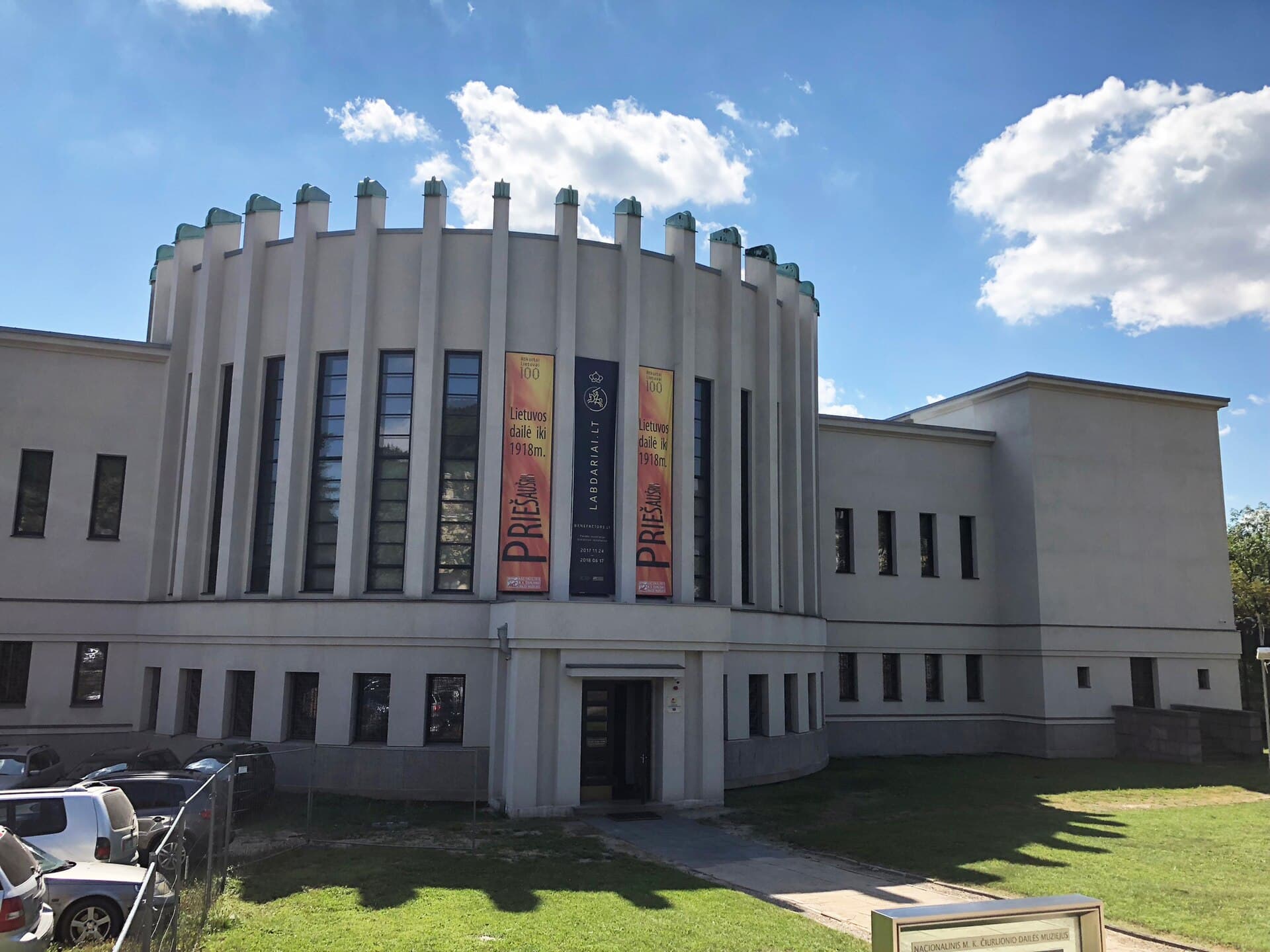 M. K. Čiurlionis National Art MuseumA museum for one man who changed a nation's art: Mikalojus Konstantinas Čiurlion1 minute walk4.9
 The Devils' MuseumThree thousand devils in one museum — the only one of its kind in the world: the2 minutes walk4.3
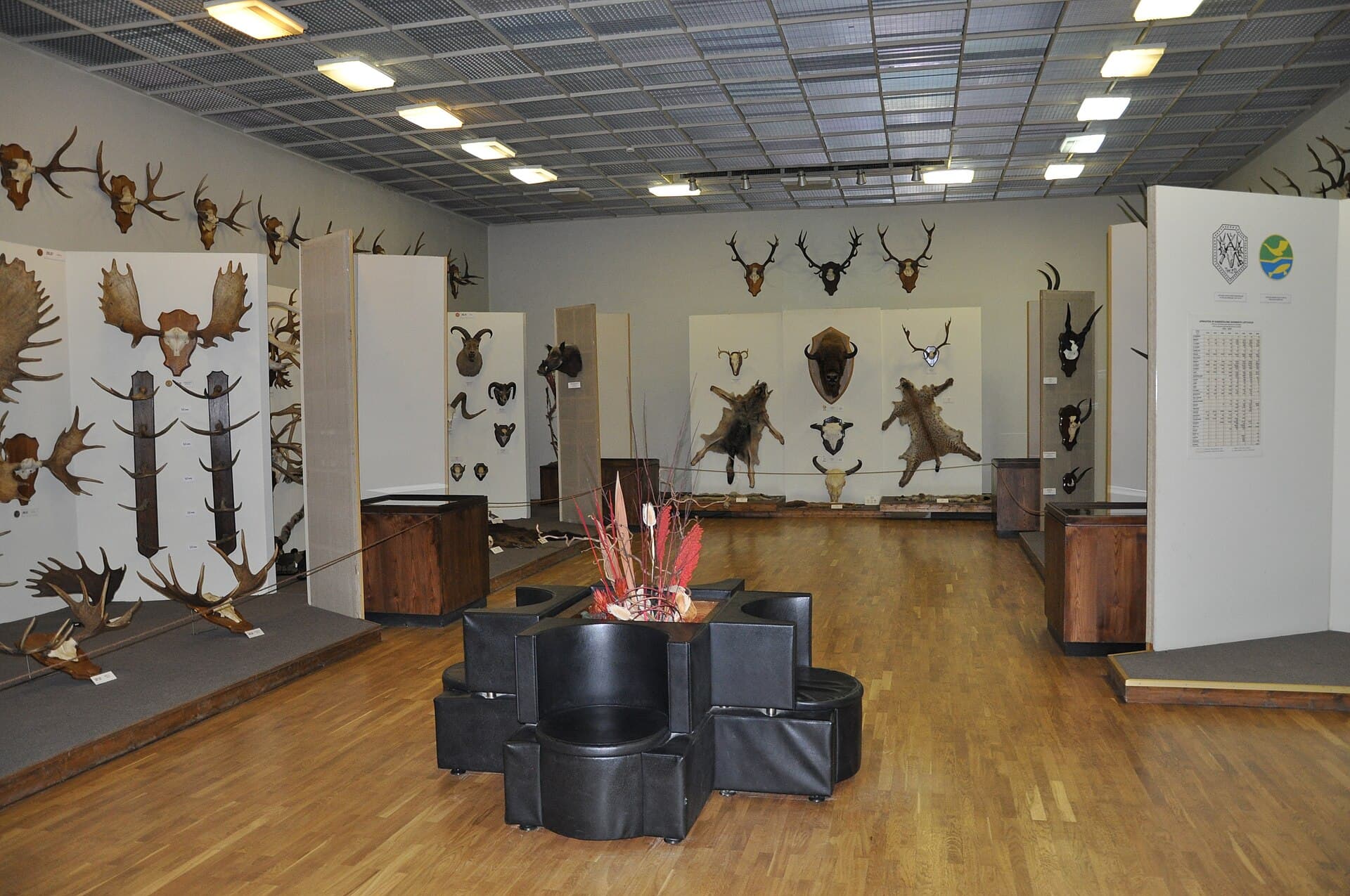 Tadas Ivanauskas Museum of ZoologyA natural history museum in central Kaunas, founded by the zoologist Tadas Ivana7 minutes walk4.6
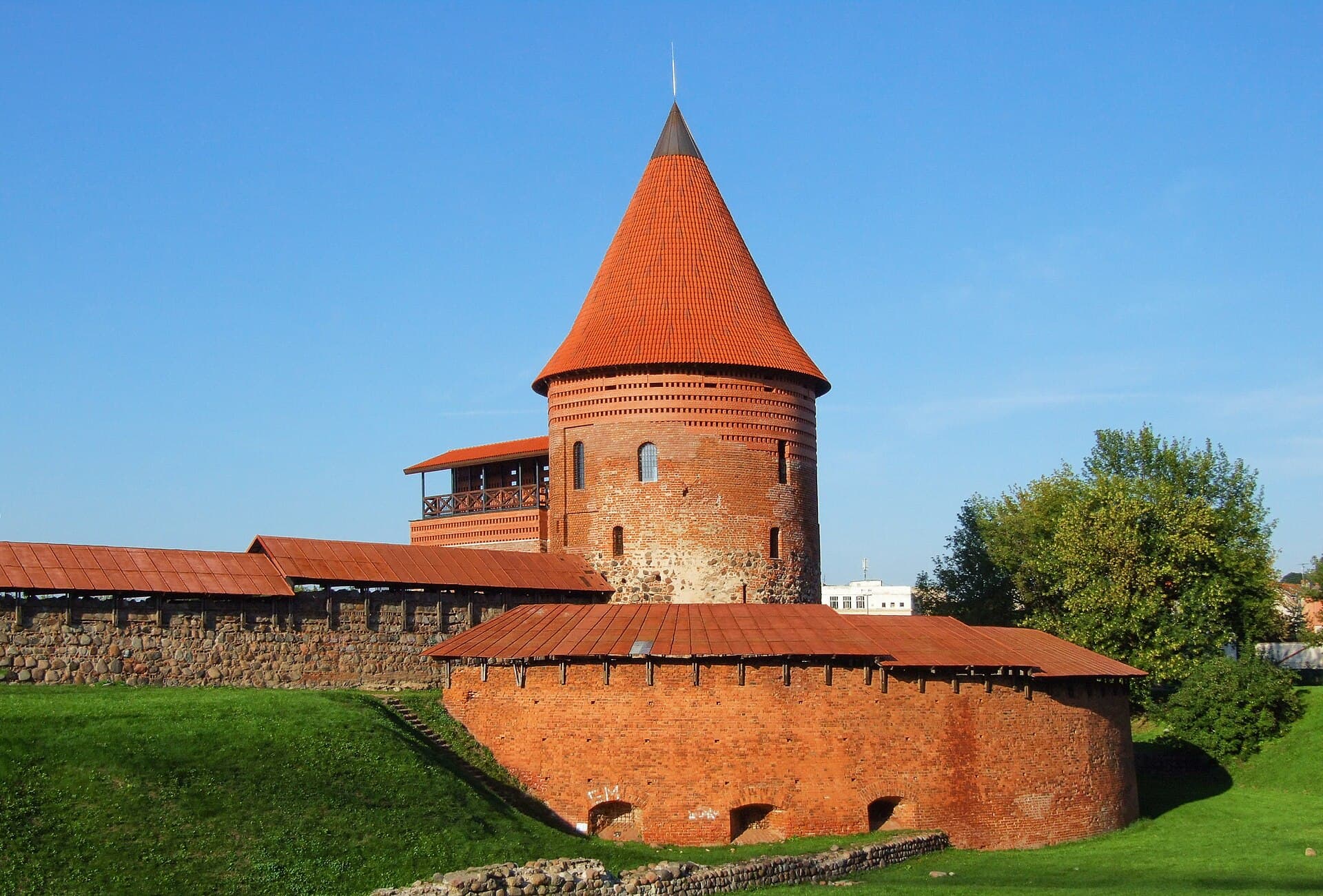 Kaunas CastleLithuania's oldest stone castle and the first thing built in Kaunas: raised in t22 minutes walk4.5
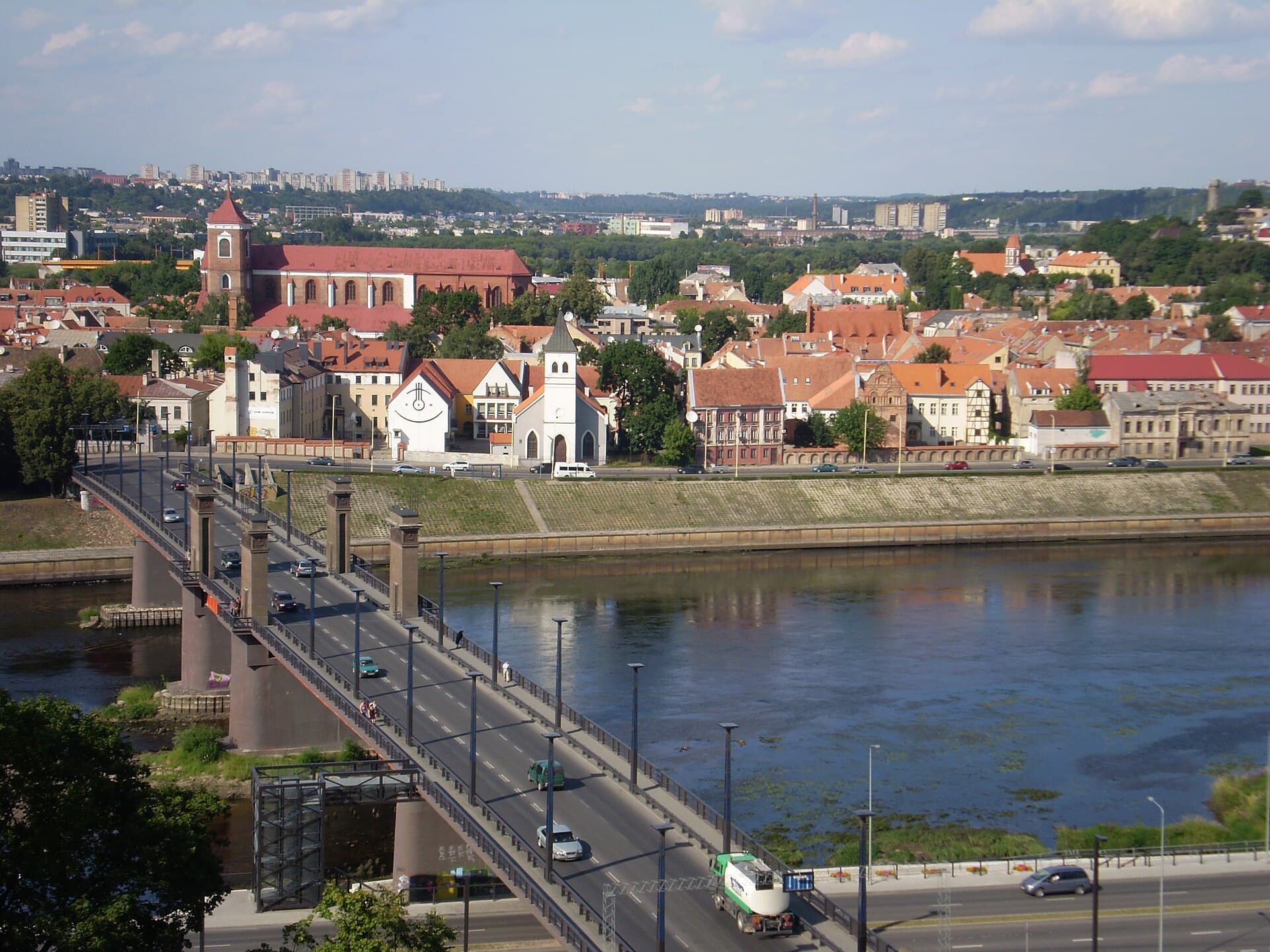 Vytautas the Great BridgeA bridge over the Nemunas linking central Kaunas with the Aleksotas district to 22 minutes walk4.8
Two Lithuanian pilots who emigrated to America and in 1933 attempted a non-stop Atlantic crossing in their homeland's honour; their plane crashed in Germany for reasons never settled — and they became the symbol of national ambition, their faces on the ten-litas note for decades.