
Thirteen days to cross
The interwar calendar difference between the banks made the joke.
Kulmalukko — CC BY-SA 3.0 · PIERRE ANDRE LECLERCQ — CC BY-SA 4.0 · PIERRE ANDRE LECLERCQ — CC BY-SA 4.0 · Barnos — CC BY-SA 4.0
A bridge over the Nemunas linking central Kaunas with the Aleksotas district to the south, carrying an odd title in local history: the longest bridge in the world. The joke has a basis. Between the wars the border between Lithuania and Poland ran near this point, and for a period the two sides kept different calendars — so crossing the bridge took you to the far bank thirteen days later. The story is told in various forms but is part of the city's memory. The present bridge was rebuilt after being destroyed in the Second World War, as were most of Kaunas's bridges. From the bridge you see Kaunas Castle and the confluence to the west, and the Aleksotas hill with its funicular to the south. Practical point: crossing is free and always open, and it is the natural route between central Kaunas and the funicular and viewing platform. Minutes on a walk.
The interwar calendar difference between the banks made the joke.
Most of Kaunas's bridges were destroyed in the Second World War.
From the middle you see the castle and the confluence.
Over the Nemunas, Kaunas
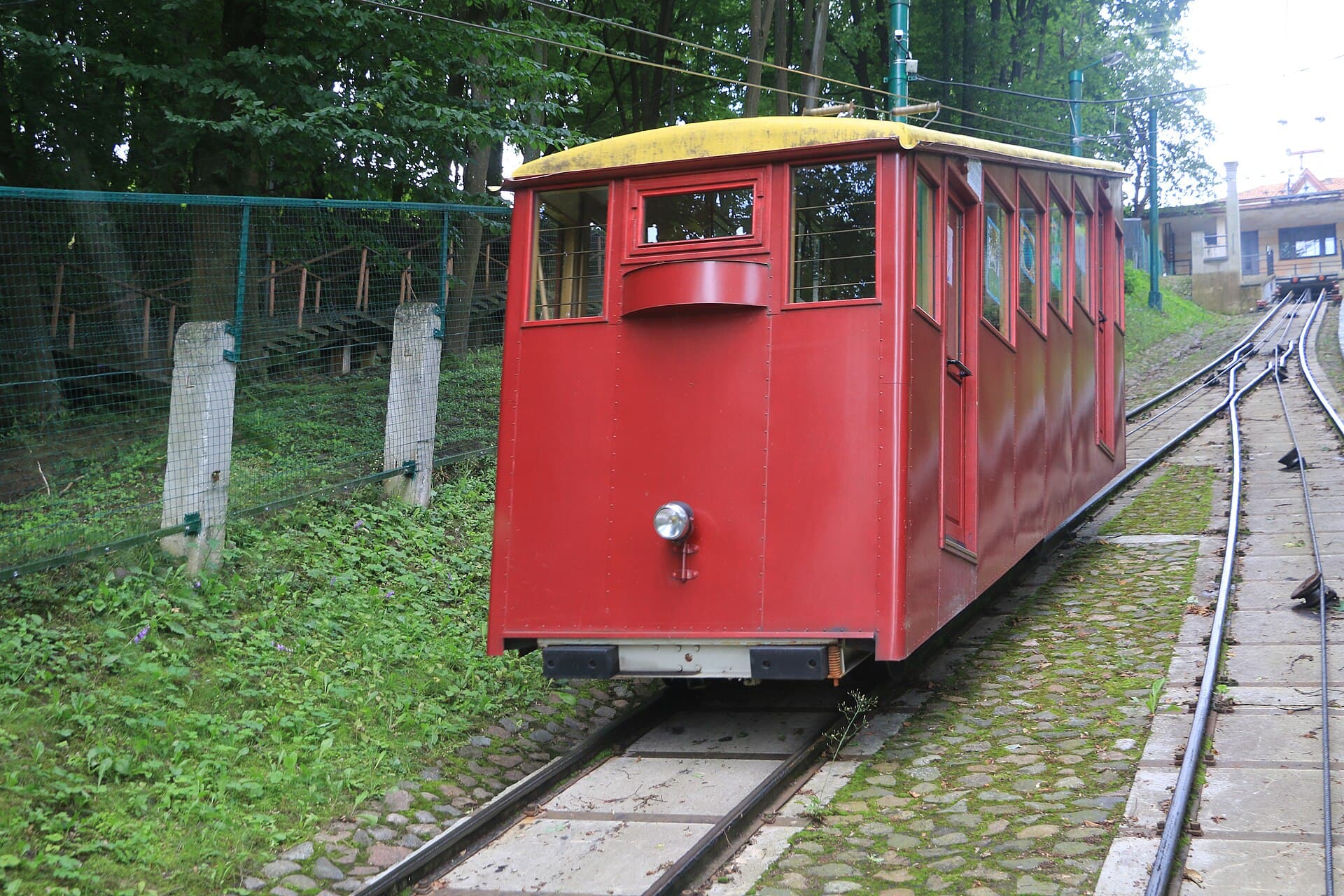 Aleksotas FunicularA funicular railway climbing the Aleksotas hill south of the Nemunas in Kaunas, 3 minutes walk4.5
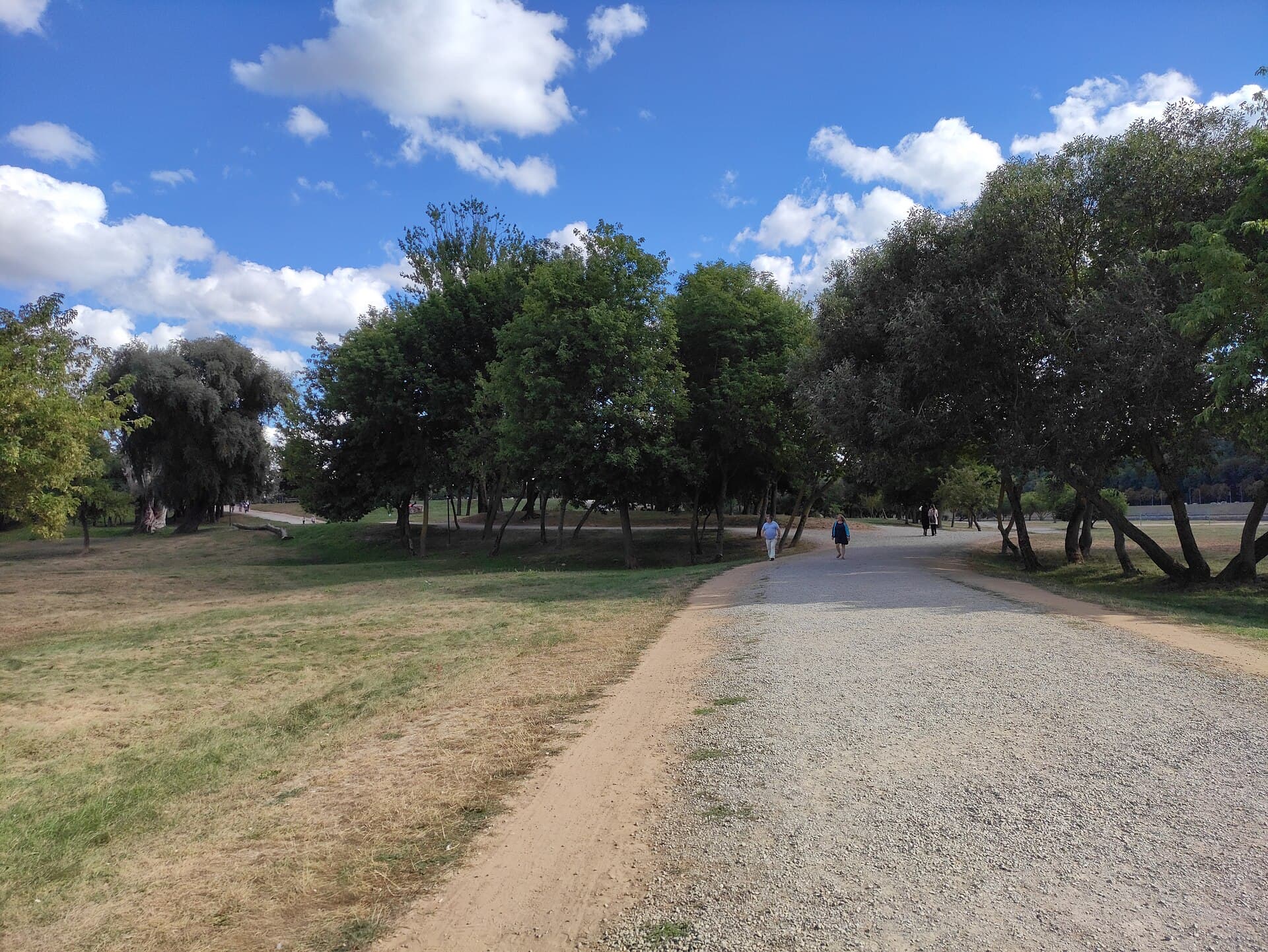 Confluence Park, Nemunas and NerisA park at the point where the Nemunas and the Neris, Lithuania's two largest riv5 minutes walk4.8
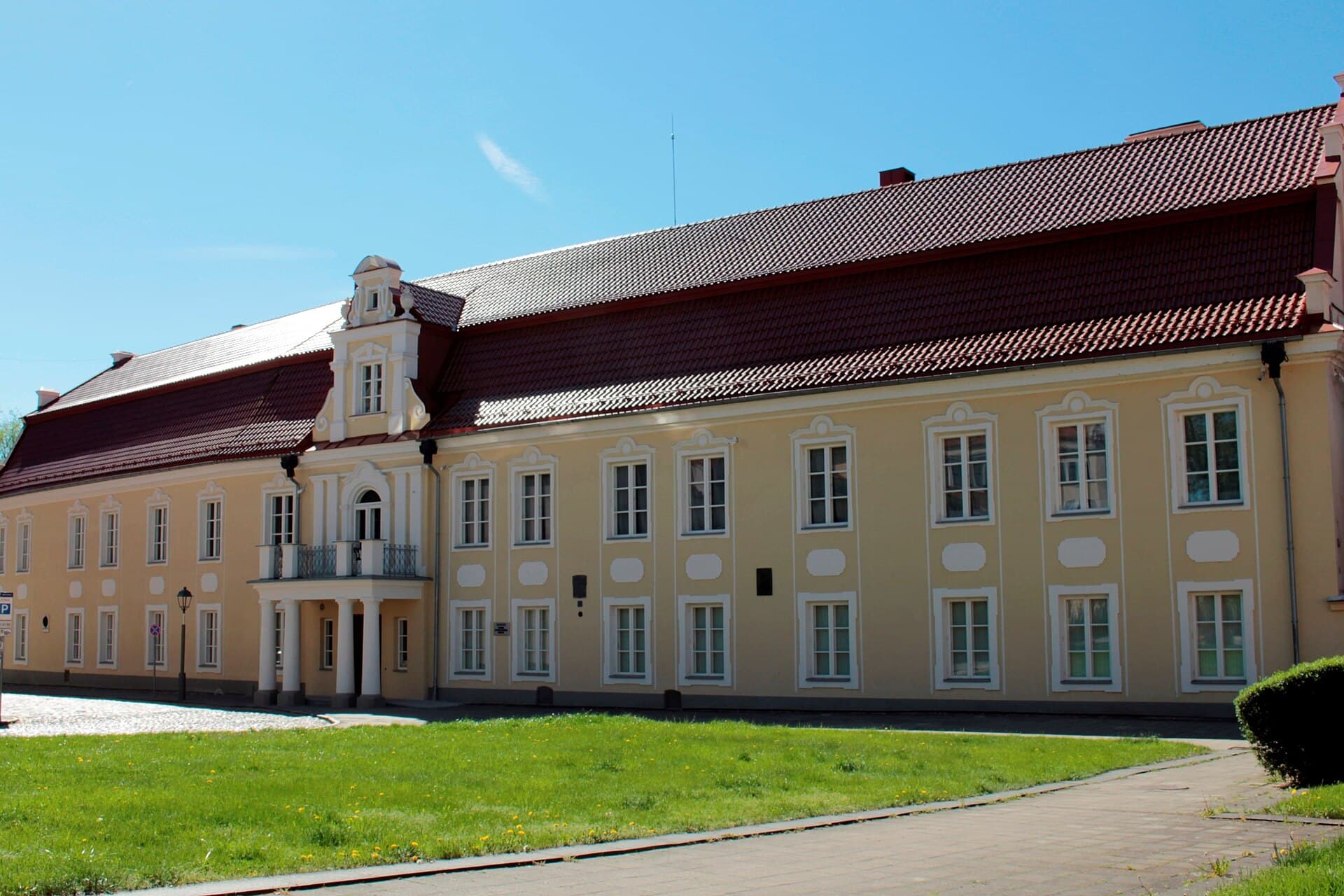 Maironis Lithuanian Literature MuseumA museum in the house of the poet Maironis in Kaunas old town, devoted to him an5 minutes walk4.6
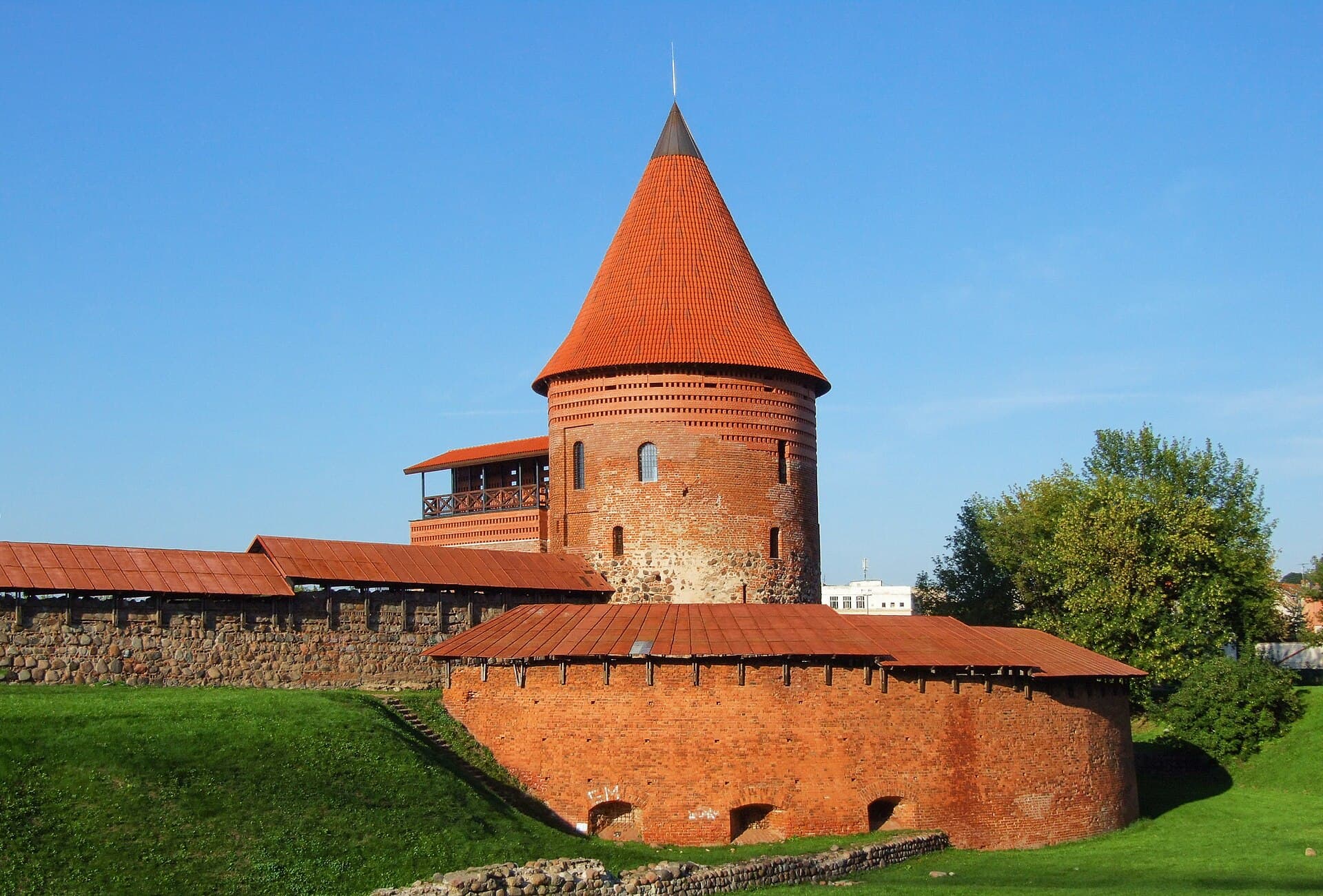 Kaunas CastleLithuania's oldest stone castle and the first thing built in Kaunas: raised in t8 minutes walk4.5
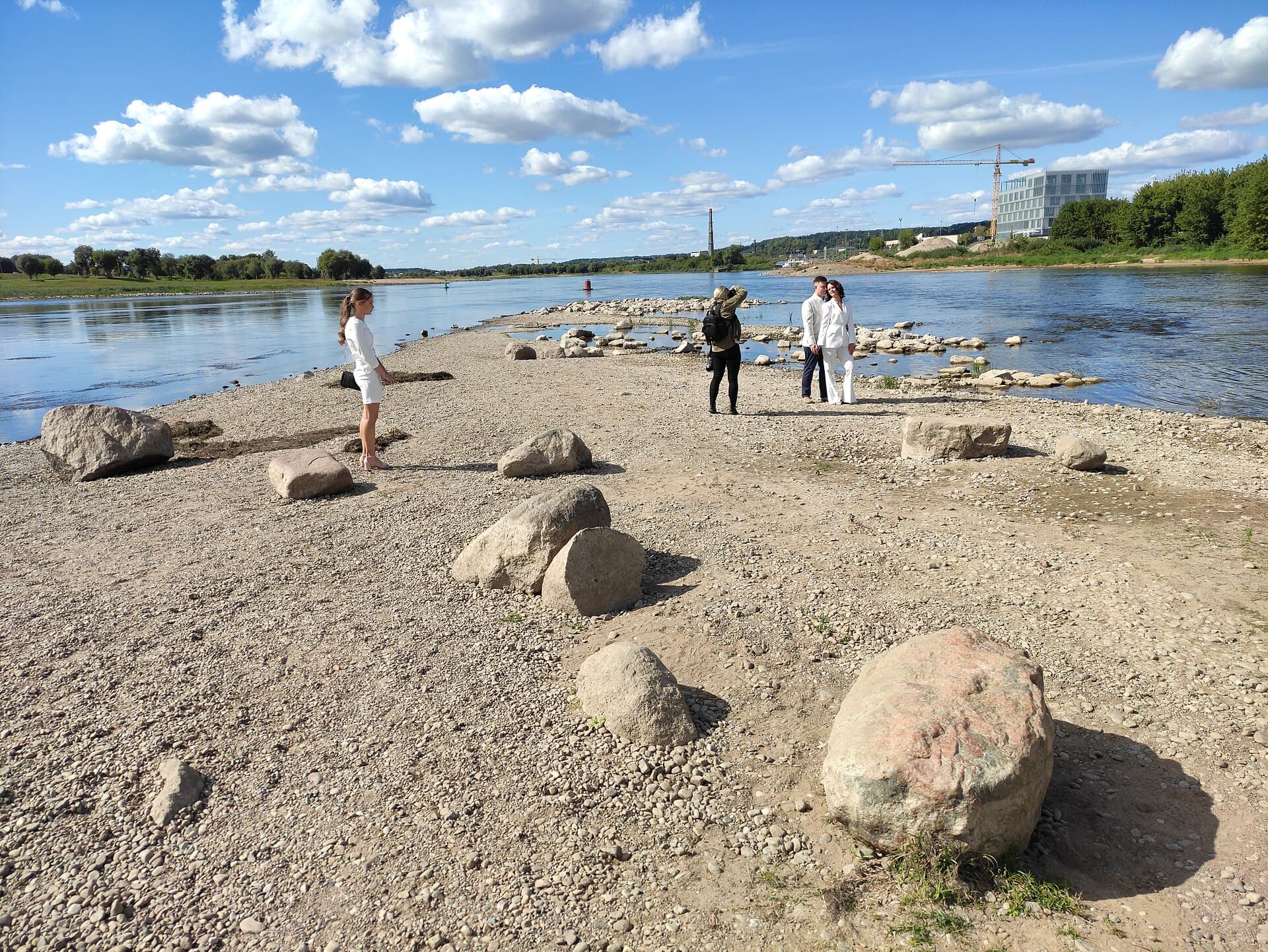 Confluence of the Nemunas and NerisThe point where Lithuania's two largest rivers — the Nemunas and the Neris — mee15 minutes walk4.9
It has a basis but is told with exaggeration. The gap between the Gregorian and Julian calendars is thirteen days, and both were in use in different parts of the region at overlapping times. The tale has become local pride more than a precisely documented event. Ask a local guide and you will hear three versions.
The Aleksotas funicular directly on the south bank and the viewing platform at its top. Cross the bridge, ride up, look at the city from above, then come down and return. That is a ninety-minute route giving you the best of Kaunas visually.