
History at the level of individuals
Diaries, letters and family albums rather than state papers.
Adrian Grycuk — CC BY-SA 3.0 pl · Adrian Grycuk — CC BY-SA 3.0 pl · Adrian Grycuk — CC BY-SA 3.0 pl
A cultural centre in Warsaw devoted to Polish history and the twentieth-century history of central and eastern Europe, offering exhibitions, lectures and film screenings. What distinguishes it from conventional museums is its material: it works chiefly from photographs, oral testimony and personal documents — diaries, letters and family albums — rather than from objects. This gives its exhibitions a different character: history at the level of individuals rather than states. An exhibition on daily life under communism, or on the deportation of Poles to Siberia, or on pre-war Warsaw — all from the angle of those who lived it. The centre is connected with the KARTA Foundation, an archive that began clandestinely in the 1980s to gather testimony and documents the official account denied. The programme changes entirely — check before going.
Diaries, letters and family albums rather than state papers.
The KARTA Foundation gathered in the 1980s what the official account denied.
Among the subjects the centre has treated through survivors' testimony.
Karowa street, near the Old Town
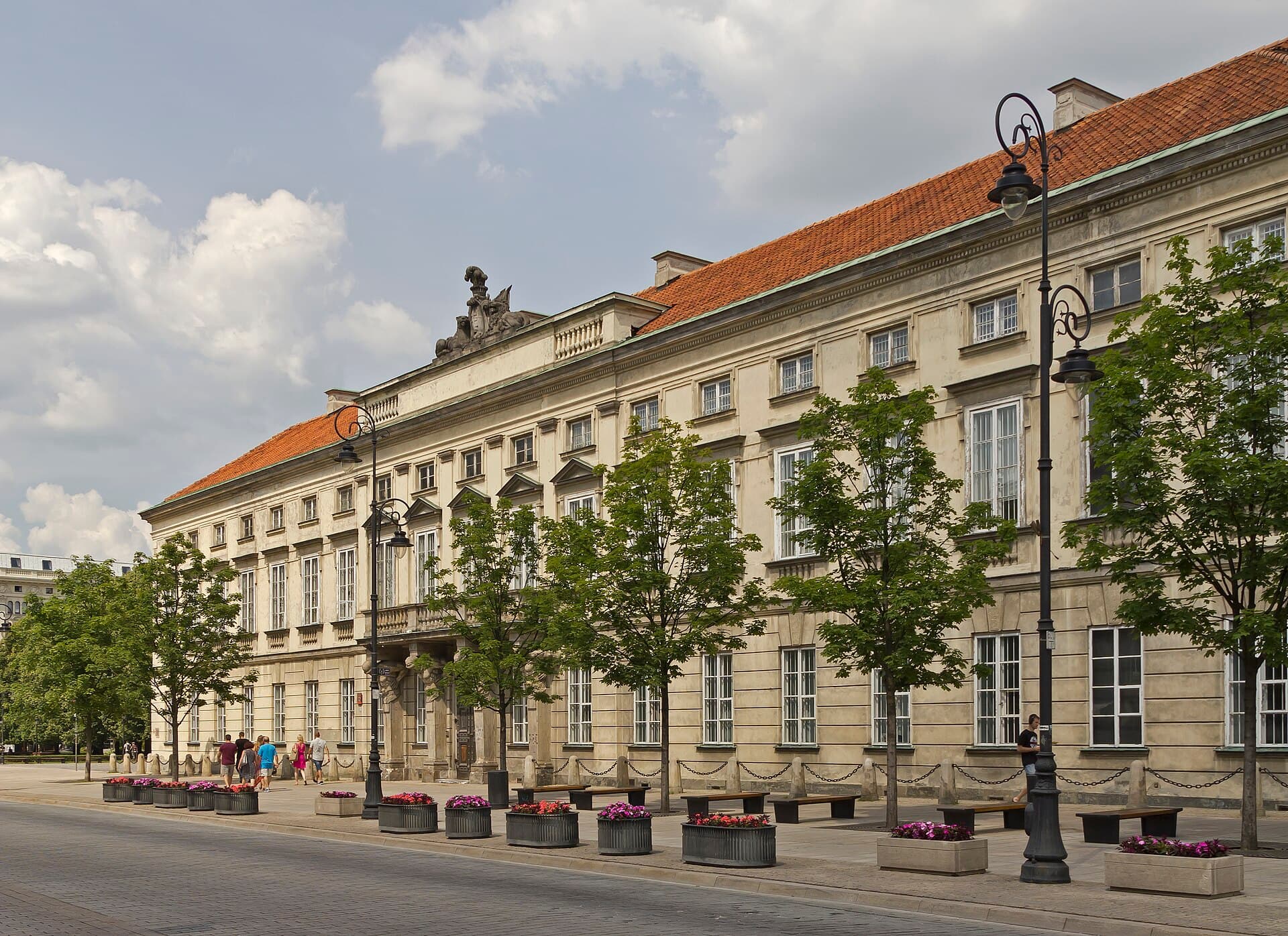 Museum of the University of WarsawA small museum within the historic campus of the University of Warsaw on the Roy3 minutes walk4.5
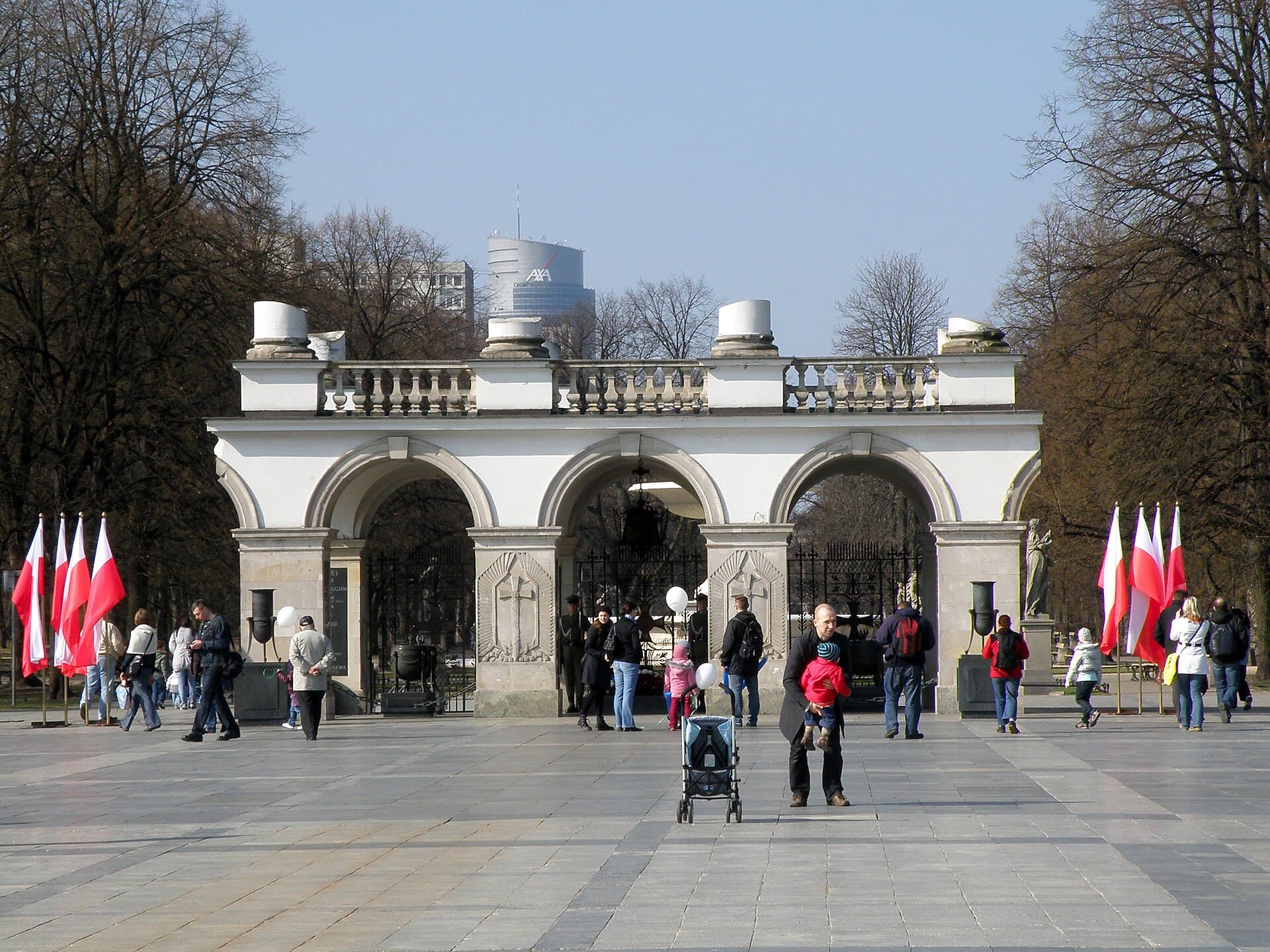 The Tomb of the Unknown Soldier & Saxon GardenThe Tomb of the Unknown Soldier is Warsaw's deliberately kept wound: three arcad5 minutes walk4.7
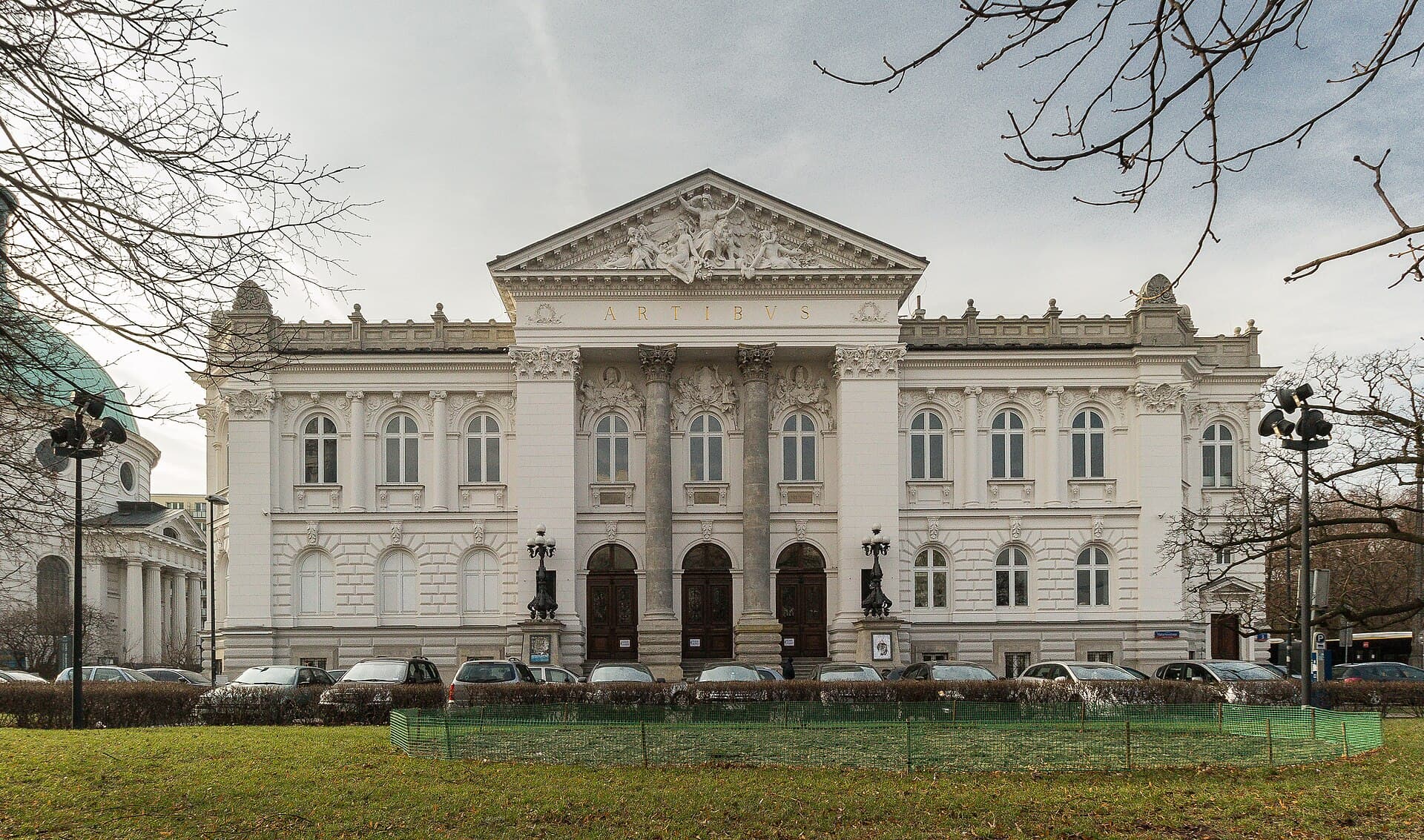 Zachęta National Gallery of ArtPoland's leading contemporary art gallery, in an early twentieth-century buildin6 minutes walk4.6
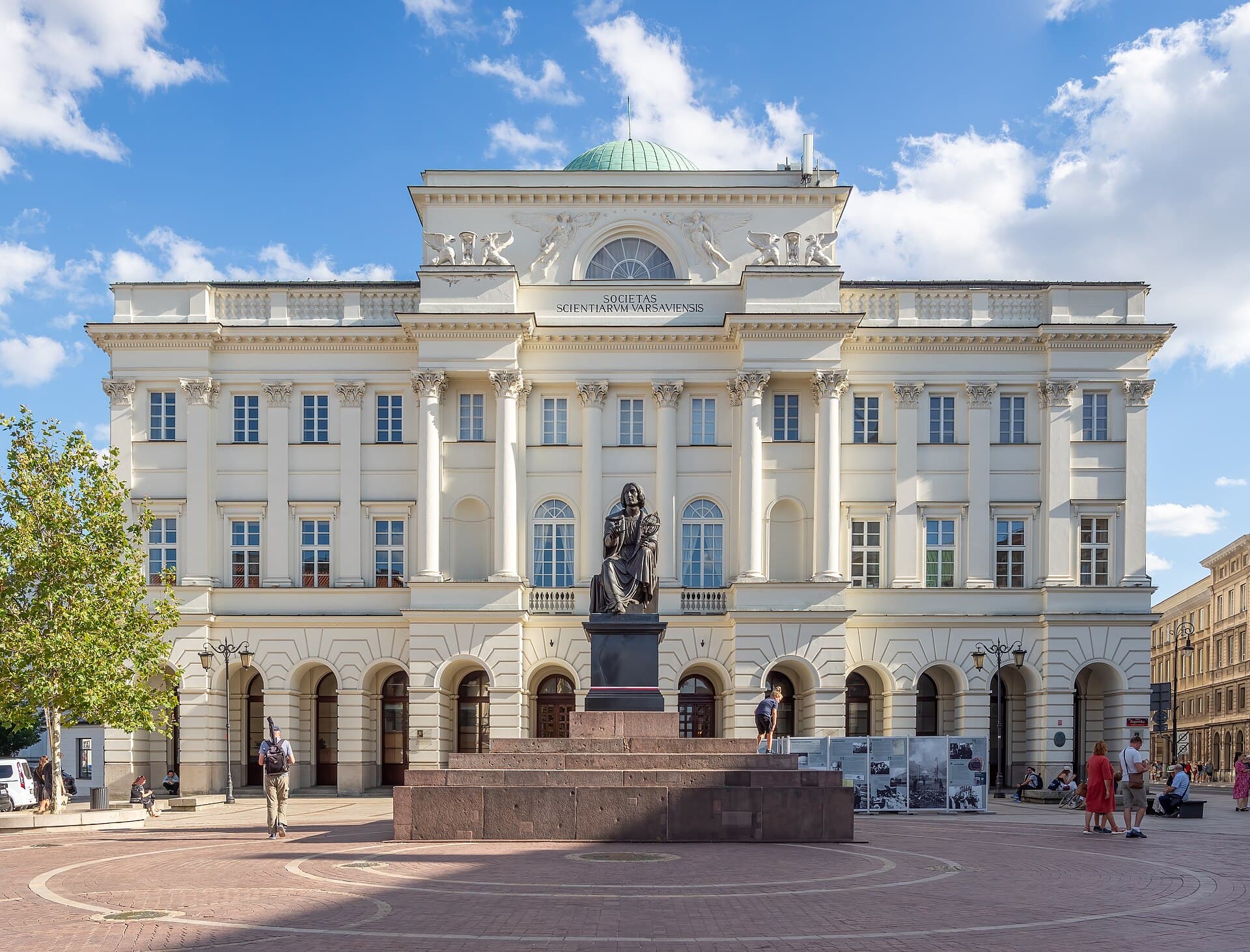 Staszic PalaceA neo-classical building on Warsaw's Royal Route, the seat of the Polish Academy6 minutes walk4.7
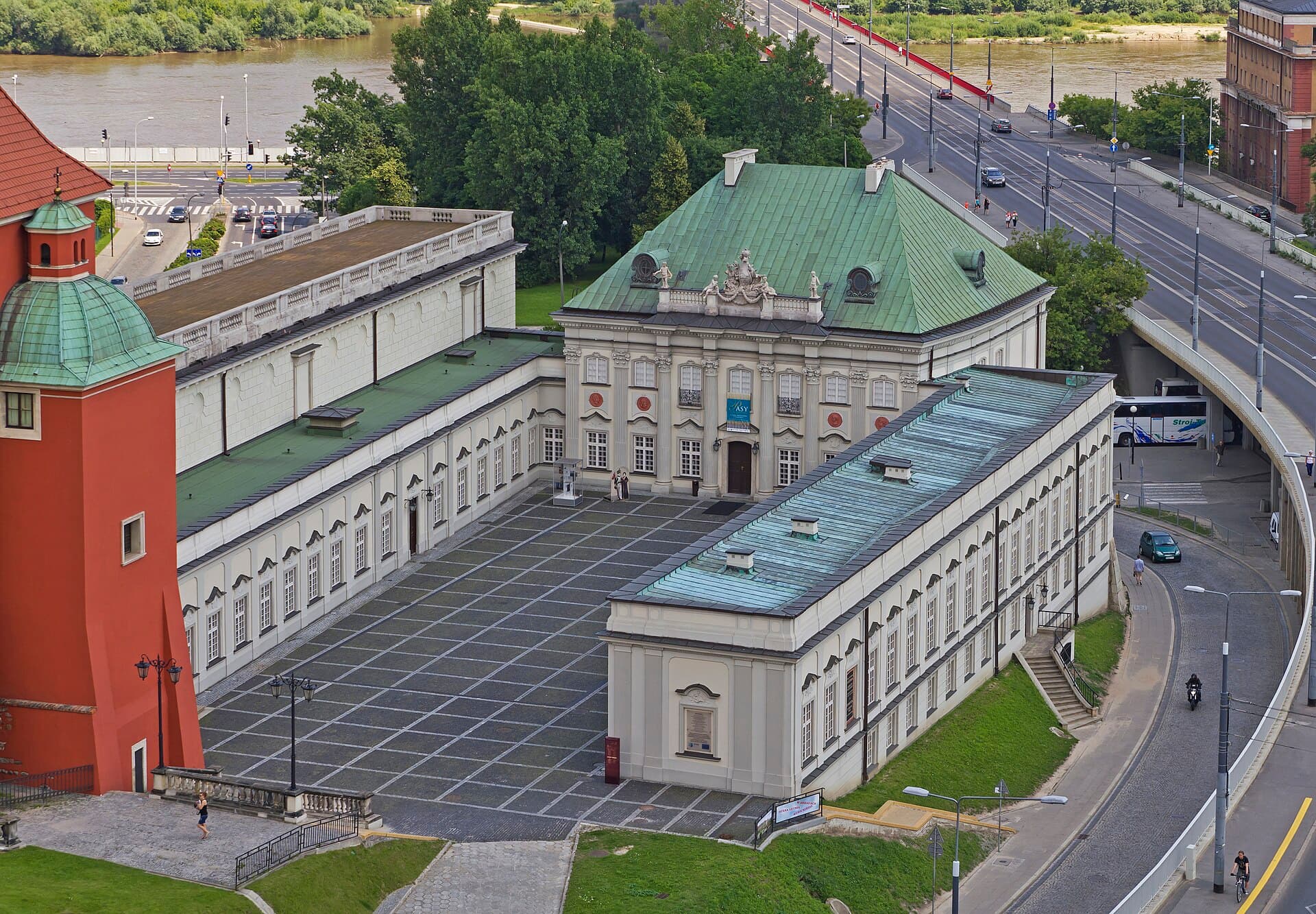 The Tin-Roofed PalaceA palace adjoining Warsaw's Royal Castle, older than it in parts, and run today 7 minutes walk4.6
It began as an underground bulletin in 1982 during martial law in Poland, then became an archive gathering documents and testimony concerning twentieth-century repression — arrests, deportations and camps — from private sources, because the official archives were closed or falsified. After 1989 it became a public institution holding hundreds of thousands of photographs and thousands of recorded testimonies, and is today among Europe's most important oral history archives.
The Warsaw Rising Museum — among the most affecting museums in Poland, treating the 1944 uprising in an immersive manner that can be heavy. The POLIN Museum of the History of Polish Jews. The Museum of Warsaw on the old square, about the city itself. And the Polish Army Museum. Each has its own ticket, and most are free on one day a week.