
The first president's assassination
Gabriel Narutowicz was killed here in 1922, five days after taking the oath.
rdrozd — CC BY-SA 3.0 · Kuba Dąbrowski — CC BY-SA 3.0 pl · Kuba Dąbrowski — CC BY-SA 3.0 pl · Marek Krzyżanek — CC BY-SA 3.0 pl
Poland's leading contemporary art gallery, in an early twentieth-century building in central Warsaw. The name Zachęta means encouragement, from the Society for the Encouragement of Fine Arts that founded it in 1860 to support Polish artists at a time when no state existed to do so. The building carries an event that is always recalled: in December 1922 Gabriel Narutowicz, the first elected president of independent Poland, was assassinated here by a nationalist painter, five days after taking the oath. He had been elected with the votes of minorities and the left, and the right-wing press had run a violent campaign of incitement against him. The killing is regarded as an early wound in the history of the first Polish Republic. Zachęta today displays no permanent collection: its entire programme is temporary exhibitions of Polish and international contemporary art, changing several times a year. Check the programme before going, as what you see depends entirely on when you visit.
Gabriel Narutowicz was killed here in 1922, five days after taking the oath.
Its programme sets the terms of the country's art scene.
What you see depends entirely on when you visit.
Małachowskiego Square, central Warsaw
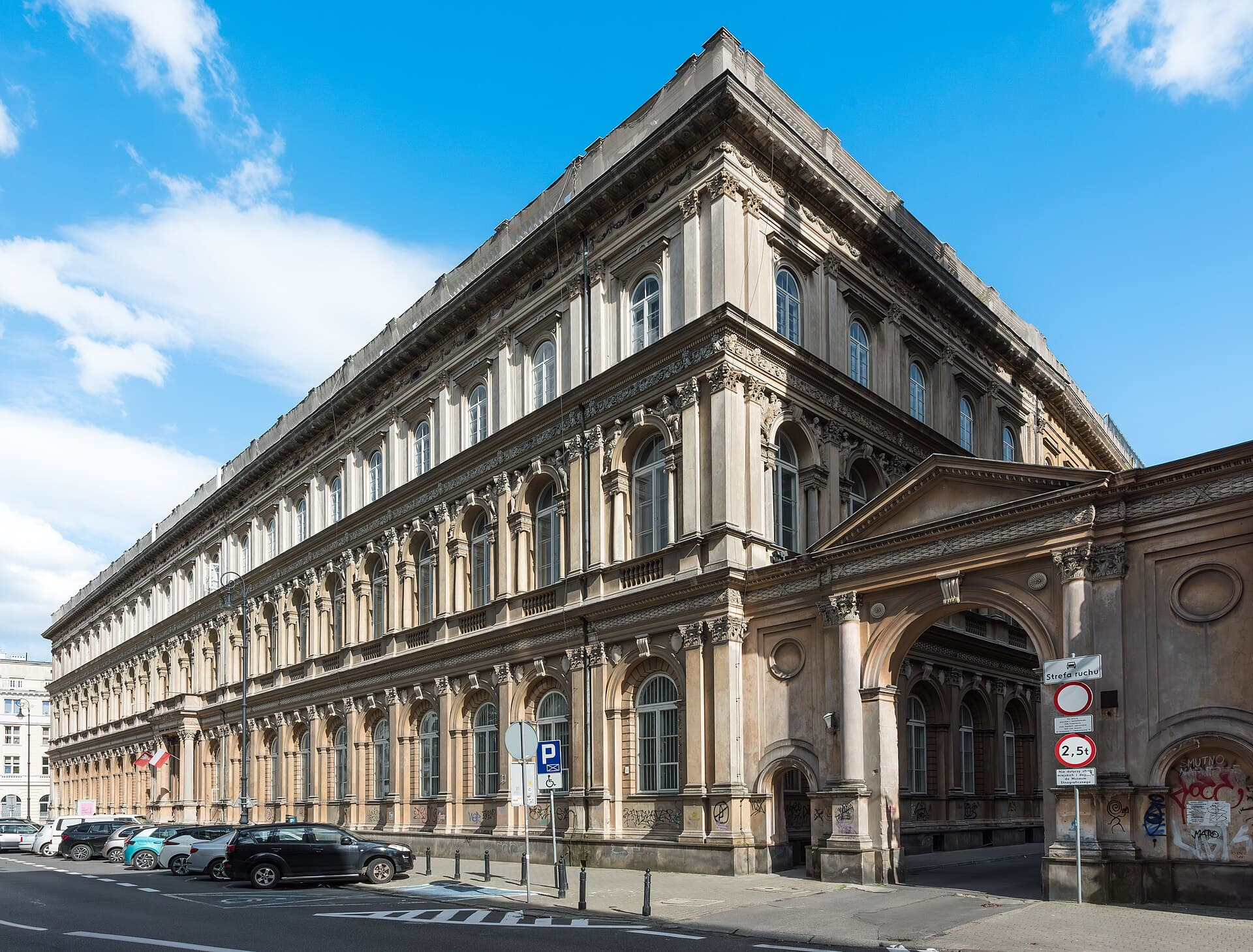 State Ethnographic MuseumA museum of Polish folk culture and non-European cultures, in an 1858 building o2 minutes walk4.5
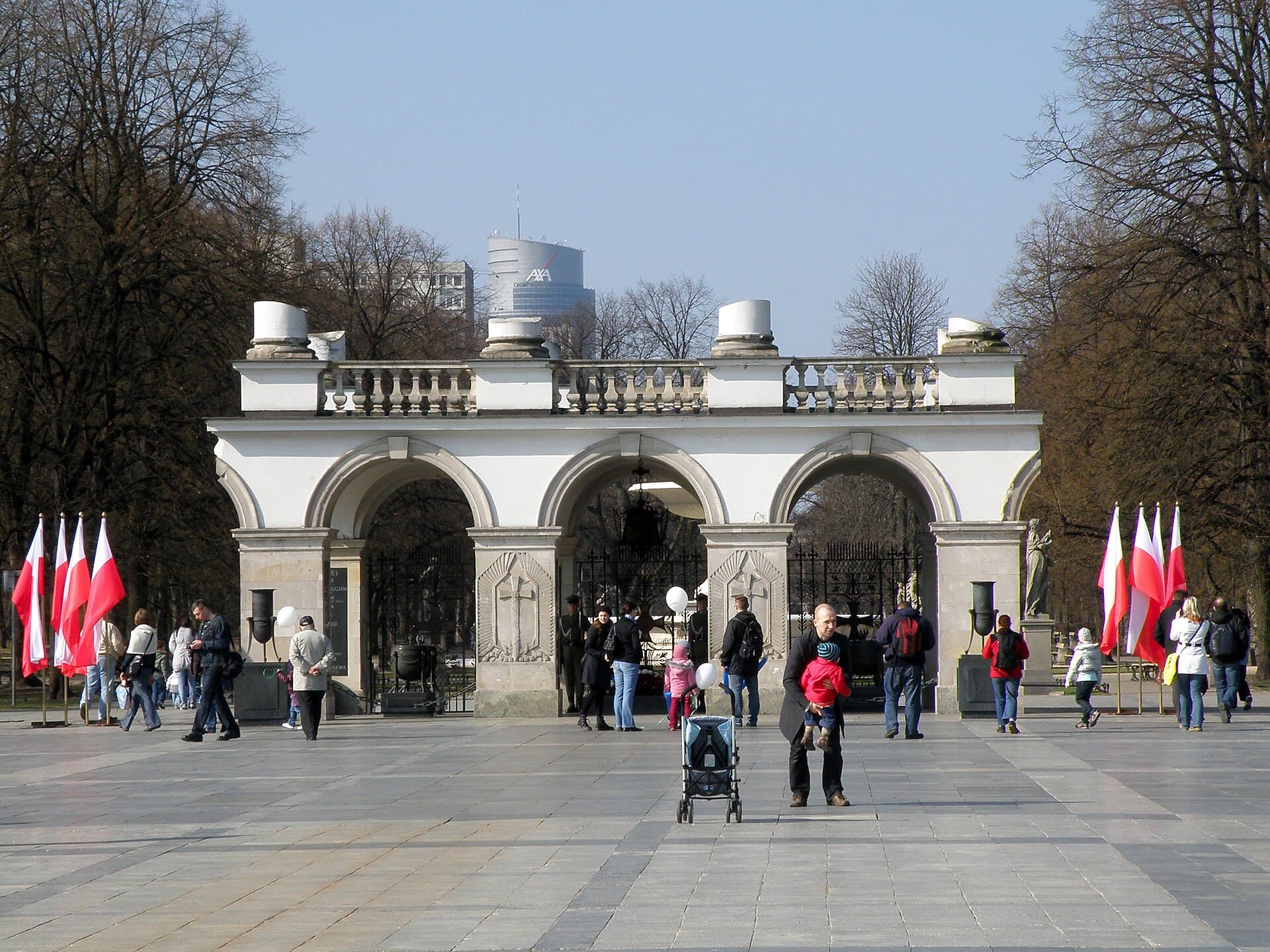 The Tomb of the Unknown Soldier & Saxon GardenThe Tomb of the Unknown Soldier is Warsaw's deliberately kept wound: three arcad2 minutes walk4.7
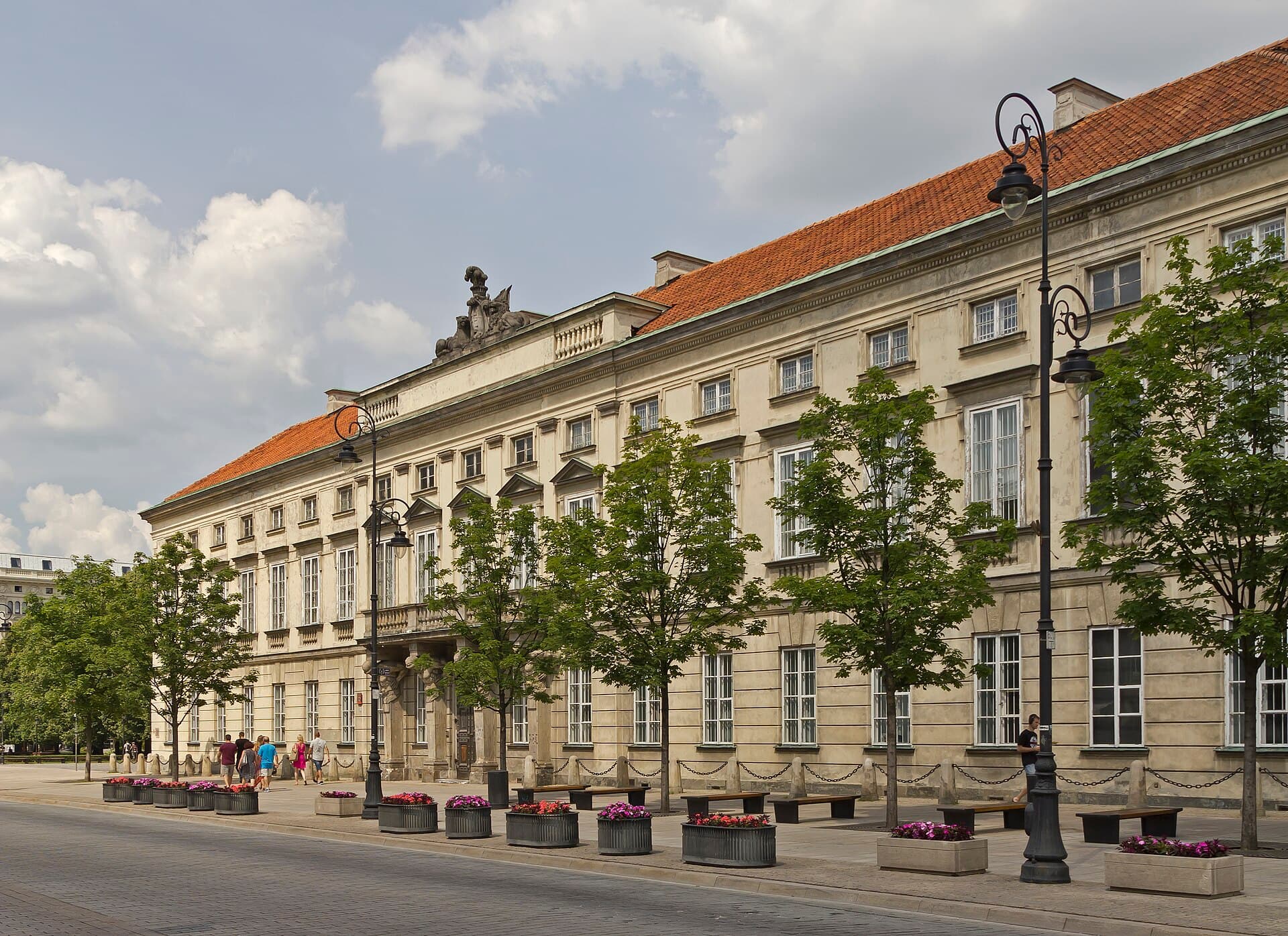 Museum of the University of WarsawA small museum within the historic campus of the University of Warsaw on the Roy5 minutes walk4.5
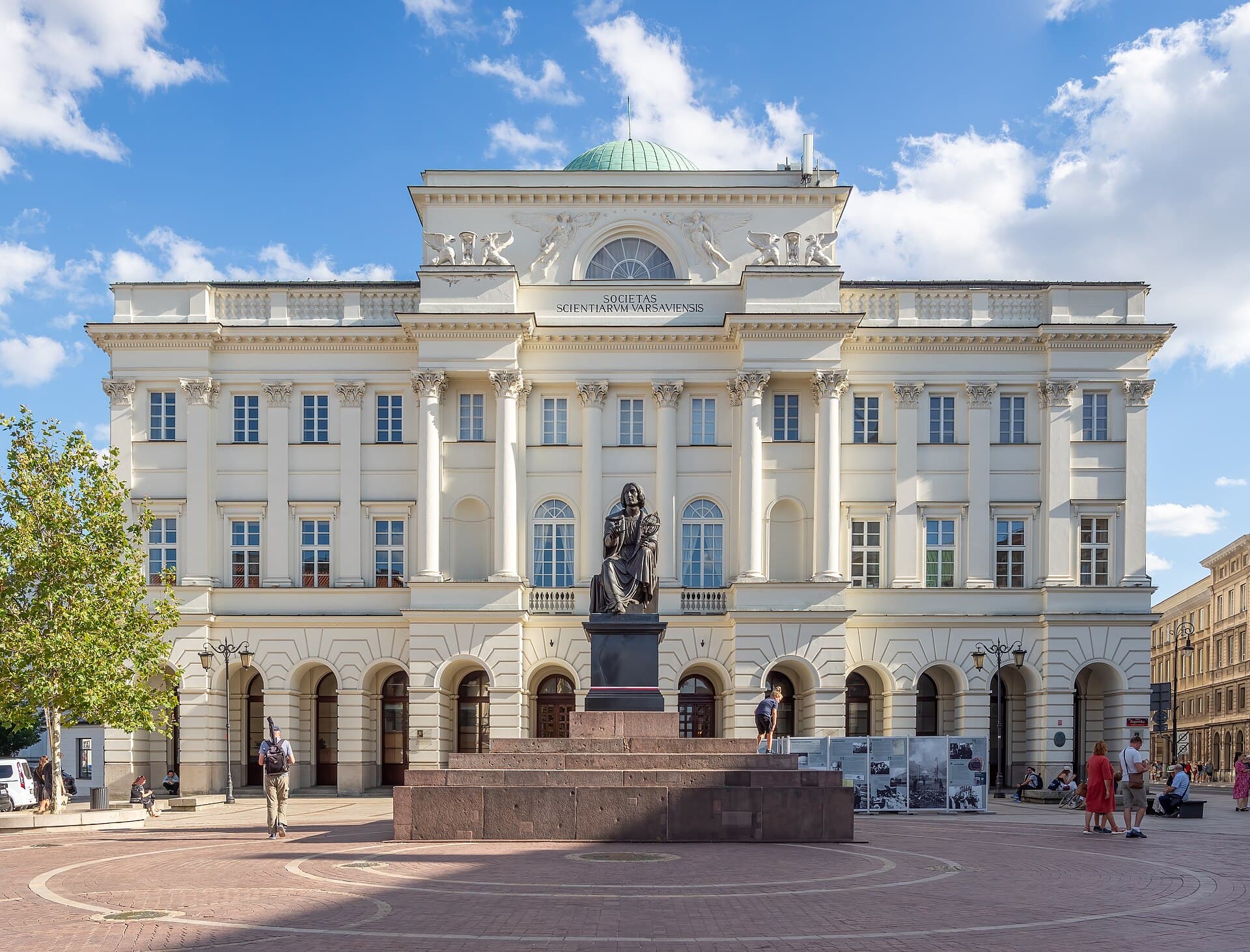 Staszic PalaceA neo-classical building on Warsaw's Royal Route, the seat of the Polish Academy6 minutes walk4.7
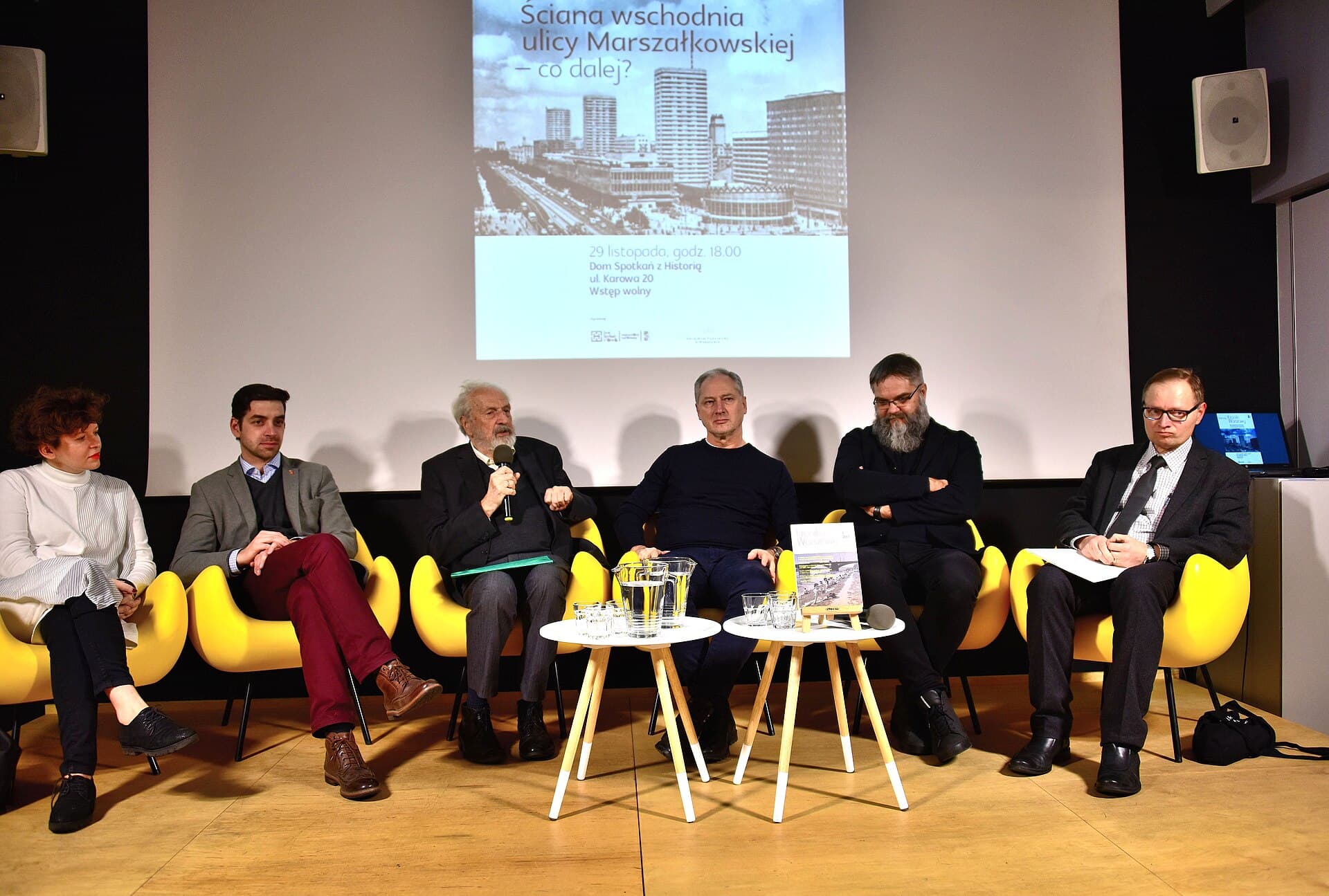 The History Meeting HouseA cultural centre in Warsaw devoted to Polish history and the twentieth-century 6 minutes walk4.9
It cannot be stated. Zachęta shows no permanent collection at all — every hall is a temporary exhibition changing several times a year. That makes an unchecked visit a gamble, and you may arrive during a closure between installations.
At the National Museum in Warsaw, about fifteen minutes' walk away, which holds Matejko's vast historical canvases and the Polish collection of past centuries, along with the Faras frescoes from Nubia. Zachęta is for the contemporary alone.