
A plaque removed in daylight
A young resistance member took the German plaque off the monument in 1942.
Rhododendrites — CC BY-SA 4.0 · FOTO:Fortepan — ID 54667: Adományozó/Donor: Lencse Zoltán. archive copy at the Wayback Machine — CC BY-SA 3.0 · FOTO:Fortepan — ID 75054: Adományozó/Donor: Romák Éva. archive copy at the Wayback Machine — CC BY-SA 3.0 · Lukas Plewnia from Berlin, Deutschland — CC BY-SA 2.0
A neo-classical building on Warsaw's Royal Route, the seat of the Polish Academy of Sciences, with the Nicolaus Copernicus monument in front of it. The architect Antonio Corazzi built it between 1820 and 1823, funded by Stanisław Staszic — a priest, geologist and social reformer who argued for education and industry and left his fortune to science. The building has a strange history: in the 1880s the Russian authorities rebuilt its facade in a Russo-Byzantine manner and turned it into a gambling hall and club, erasing its Polish character. It was returned to its original classical form in the 1920s, then destroyed in the war and rebuilt again. The monument in front is what people stop at: the Copernicus statue of 1830 by the Danish sculptor Bertel Thorvaldsen. Under Nazi occupation the Germans removed its Polish inscription and put up a German one, which a young resistance member named Maciej Aleksy Dawidowski removed in a celebrated operation in 1942. The building is a working institution and its interior is not normally visited; the stop is at the monument and the facade.
A young resistance member took the German plaque off the monument in 1942.
The Russians rebuilt it in Byzantine style in the 1880s; it was restored to classical.
A priest and geologist who left his fortune to science and education.
The Royal Route, Nowy Świat street
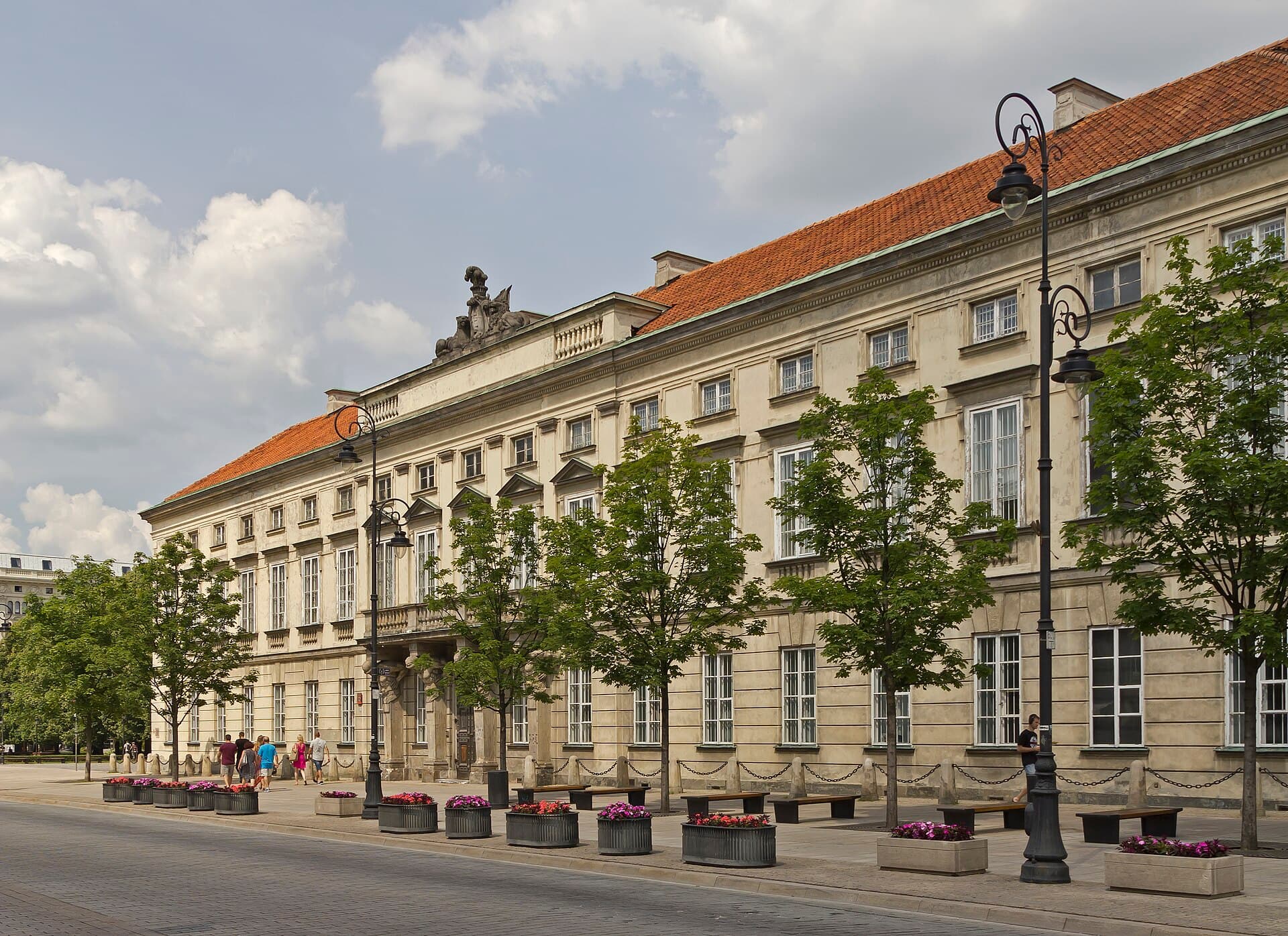 Museum of the University of WarsawA small museum within the historic campus of the University of Warsaw on the Roy4 minutes walk4.5
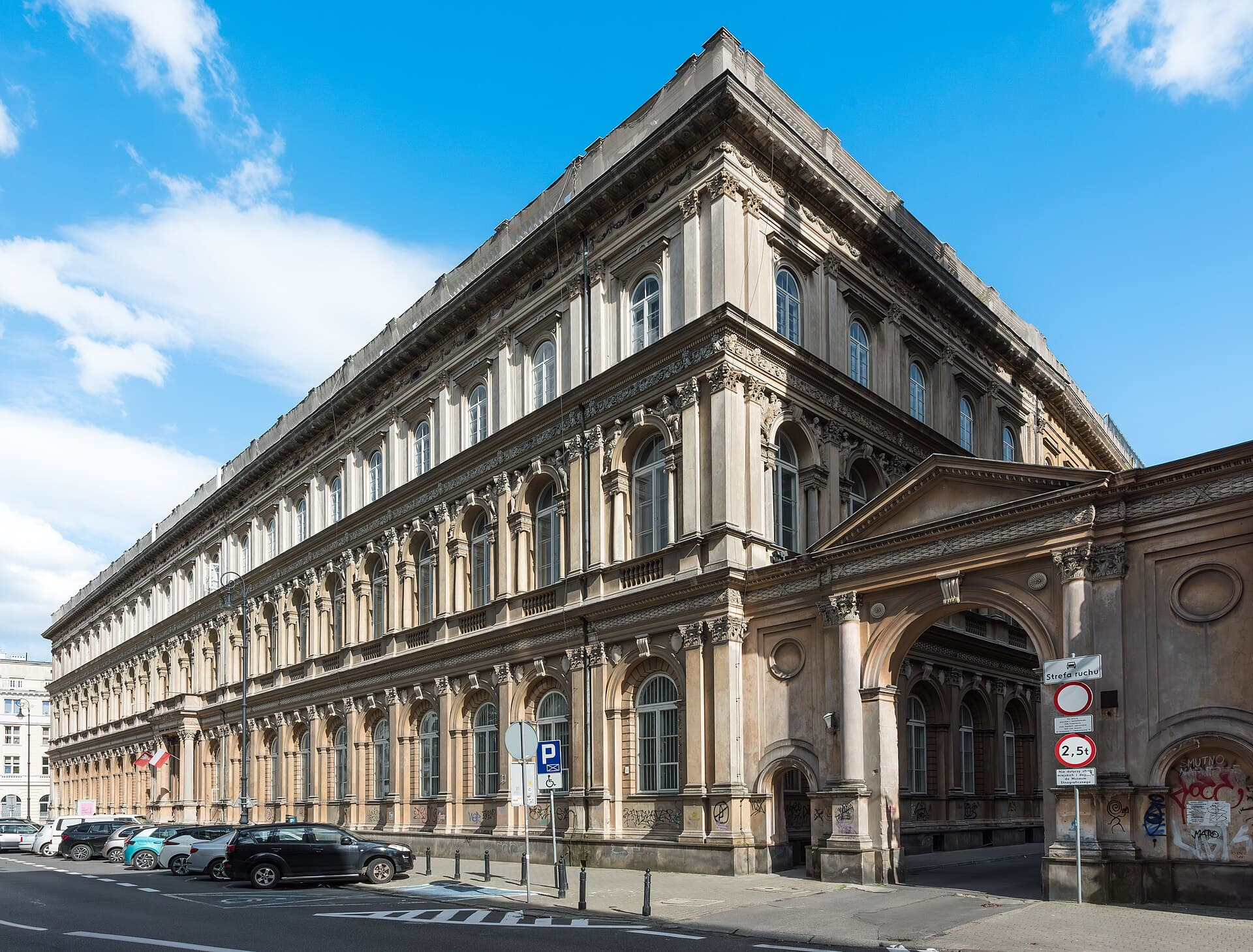 State Ethnographic MuseumA museum of Polish folk culture and non-European cultures, in an 1858 building o5 minutes walk4.5
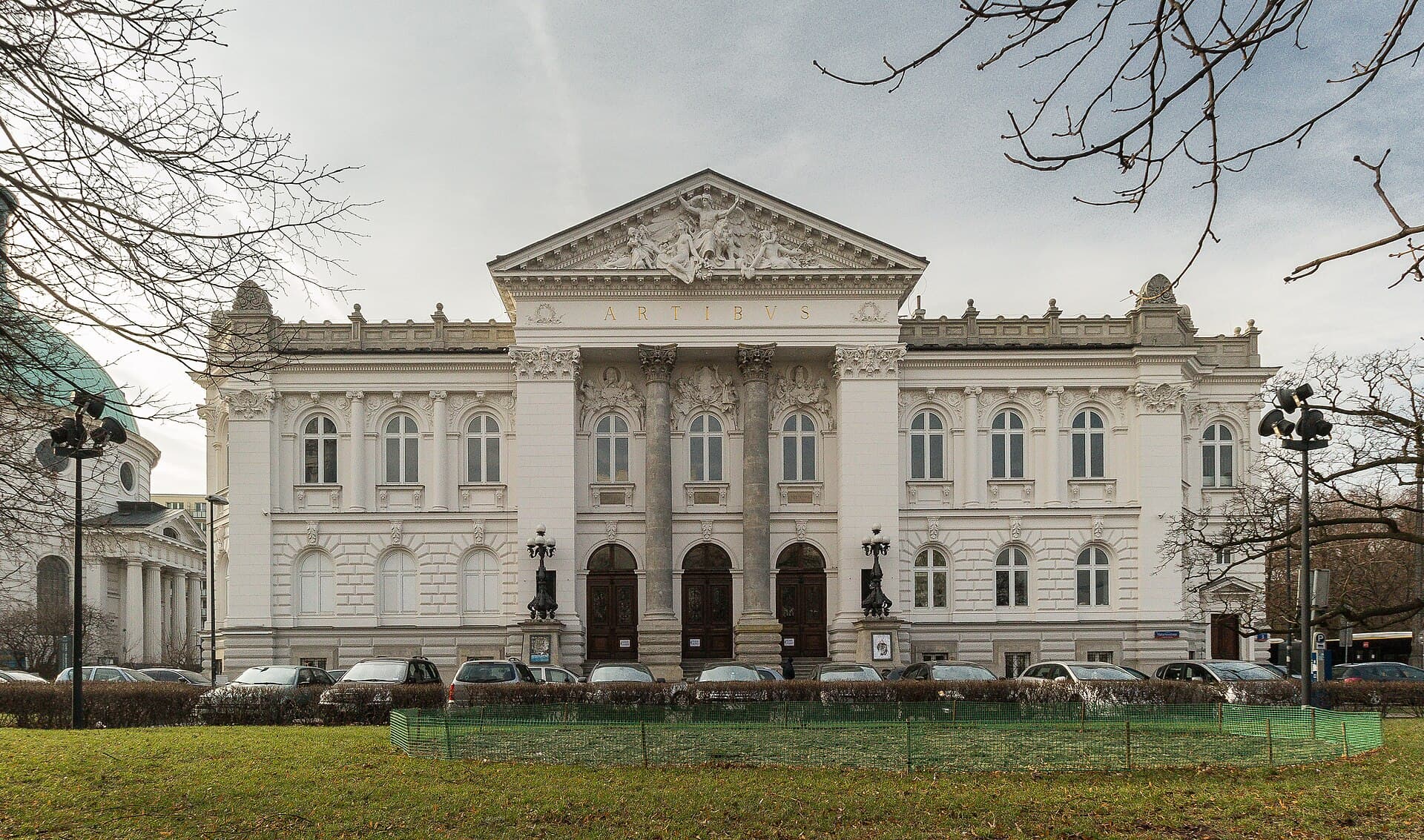 Zachęta National Gallery of ArtPoland's leading contemporary art gallery, in an early twentieth-century buildin6 minutes walk4.6
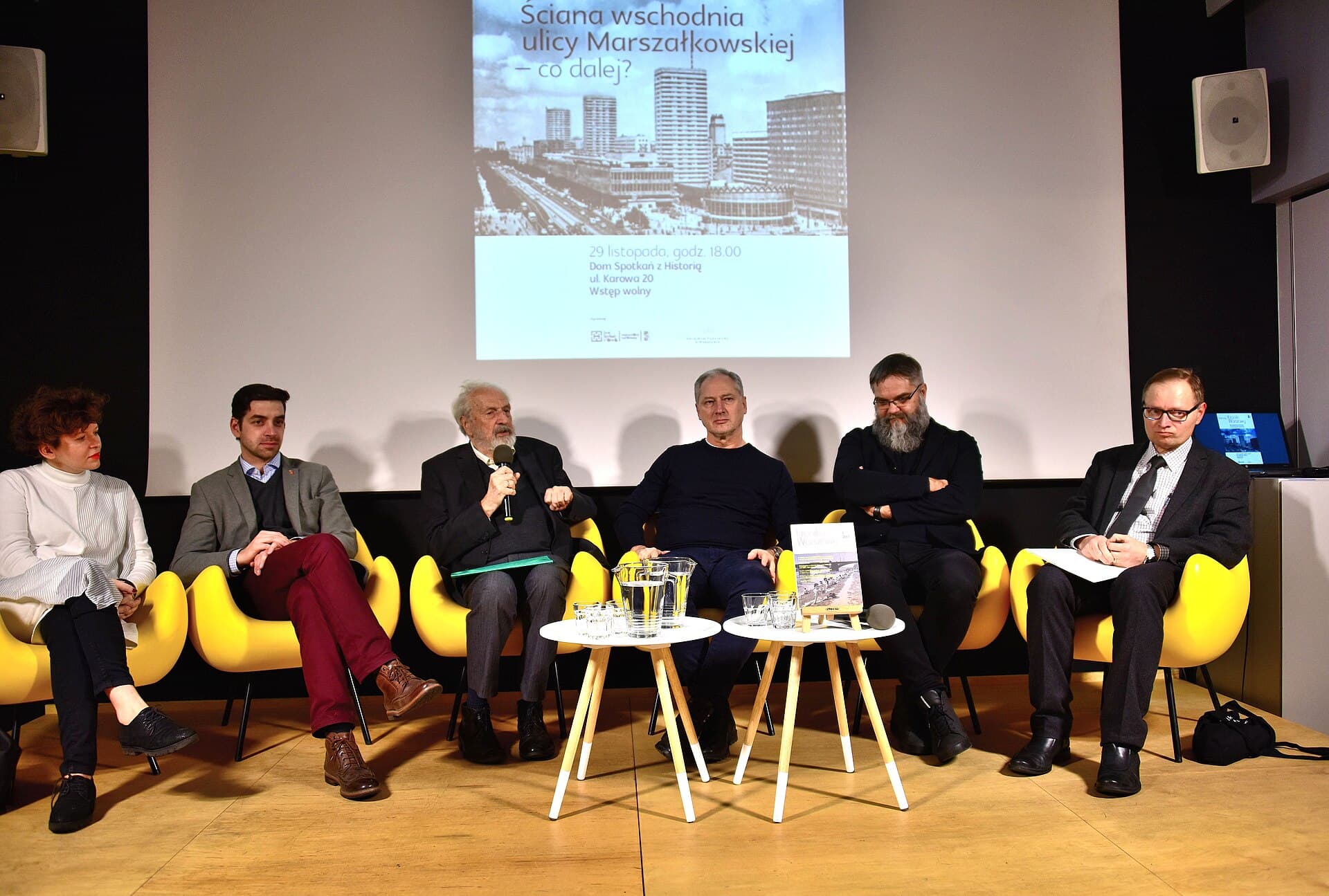 The History Meeting HouseA cultural centre in Warsaw devoted to Polish history and the twentieth-century 6 minutes walk4.9
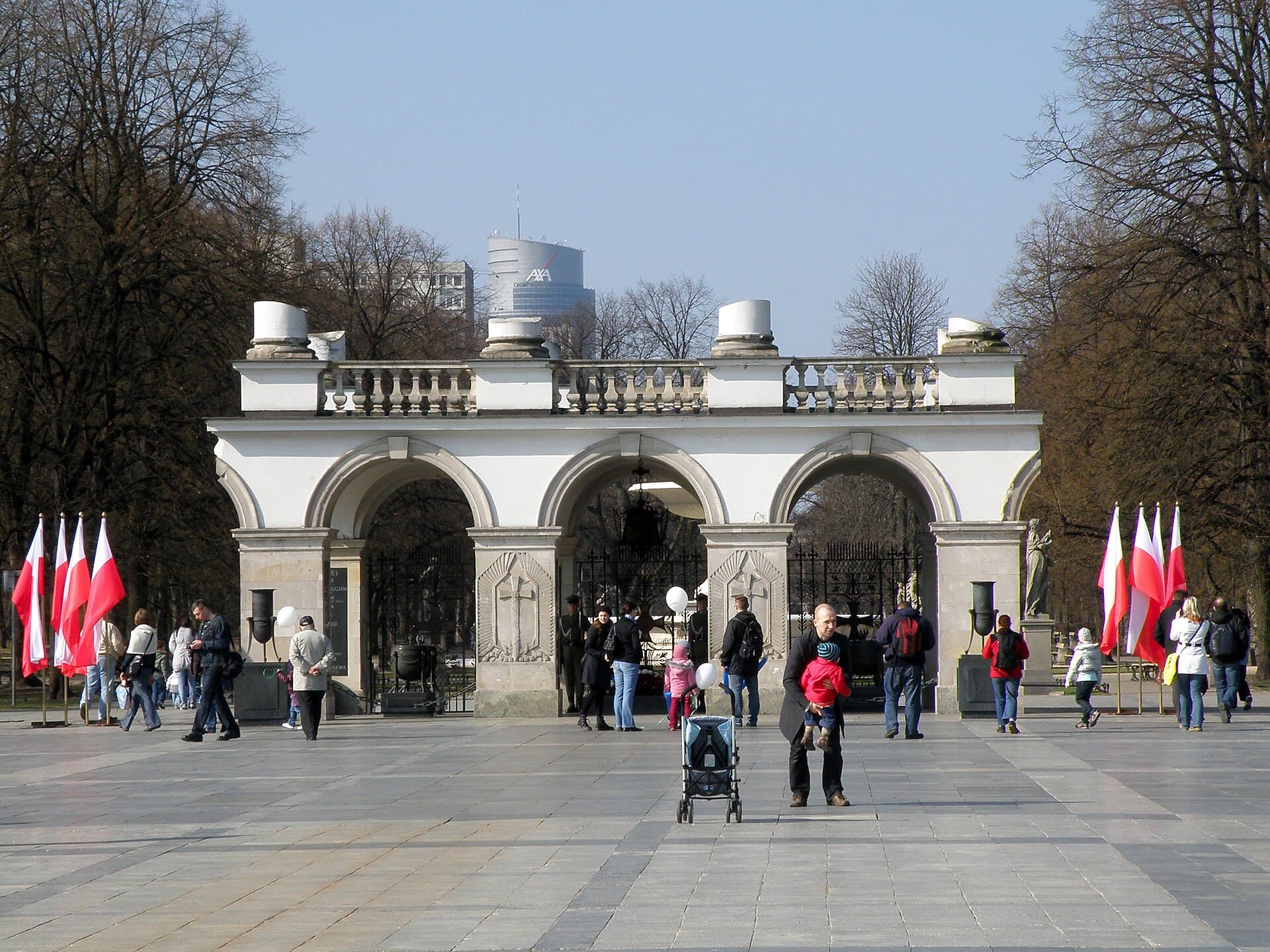 The Tomb of the Unknown Soldier & Saxon GardenThe Tomb of the Unknown Soldier is Warsaw's deliberately kept wound: three arcad7 minutes walk4.7
A historic four-kilometre axis in Warsaw running south from Castle Square along Krakowskie Przedmieście, Nowy Świat and Aleje Ujazdowskie, ending at Łazienki Park and the Belweder Palace. It was the road between royal residences, and today the city's most important historic buildings, churches and palaces stand along it. Walking its full length is the best way to see Warsaw.
No. It is a stop of minutes on the Royal Route: pause at the Copernicus monument, look at the facade, and continue. But it is worth stopping at rather than passing unnoticed, especially if you have visited the Collegium Maius in Kraków where he studied.