
The three bays
All that remains of the Saxon Palace.
Alina Zienowicz Ala z — Public domain · Igor123121 — CC BY 4.0 · Igor123121 — CC BY 4.0 · Igor123121 — CC BY 4.0
The Tomb of the Unknown Soldier is Warsaw's deliberately kept wound: three arcade bays are all that remains of the great Saxon Palace the Nazis blew apart — and when everything else was rebuilt, the tomb was left in its palace's ruin on purpose: the monument is absence itself, the eternal flame between shrapnel-bitten columns and the battle plaques of a thousand years. Its guard changes hourly around the clock in strict rite (Sunday noon the great ceremony with its music) — and here the nation prays all its official days. Behind it the Saxon Garden (1727) is among the world's first public parks: baroque statues, a fountain, a lake and ancient chestnuts — the centre's green rest between square and old town, and practically the Royal Route's western gate. The trio's reverent half-hour falls on every walk by verdict.
All that remains of the Saxon Palace.
The strict rite around the clock.
Plac Piłsudskiego, 00-078 Warsaw
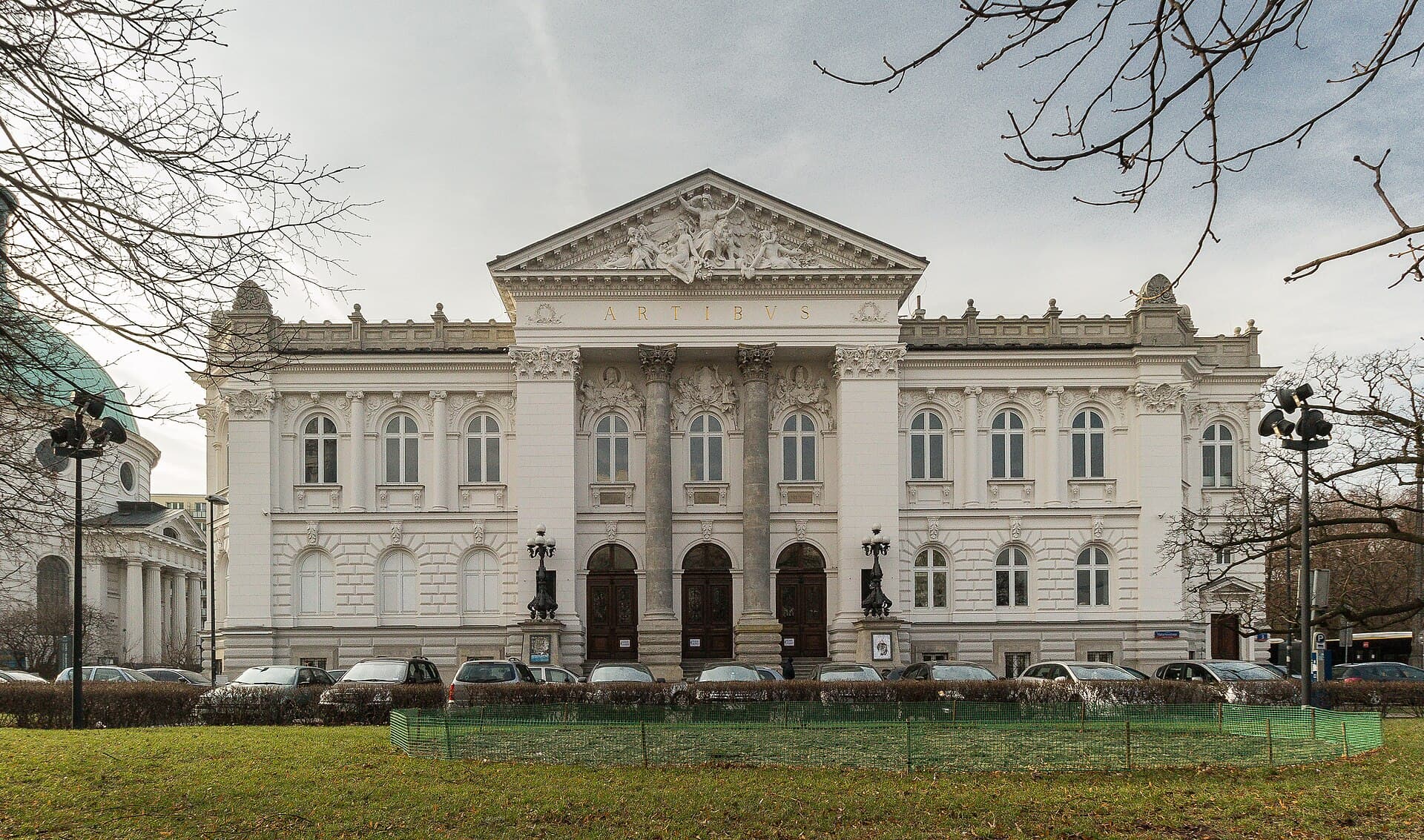 Zachęta National Gallery of ArtPoland's leading contemporary art gallery, in an early twentieth-century buildin2 minutes walk4.6
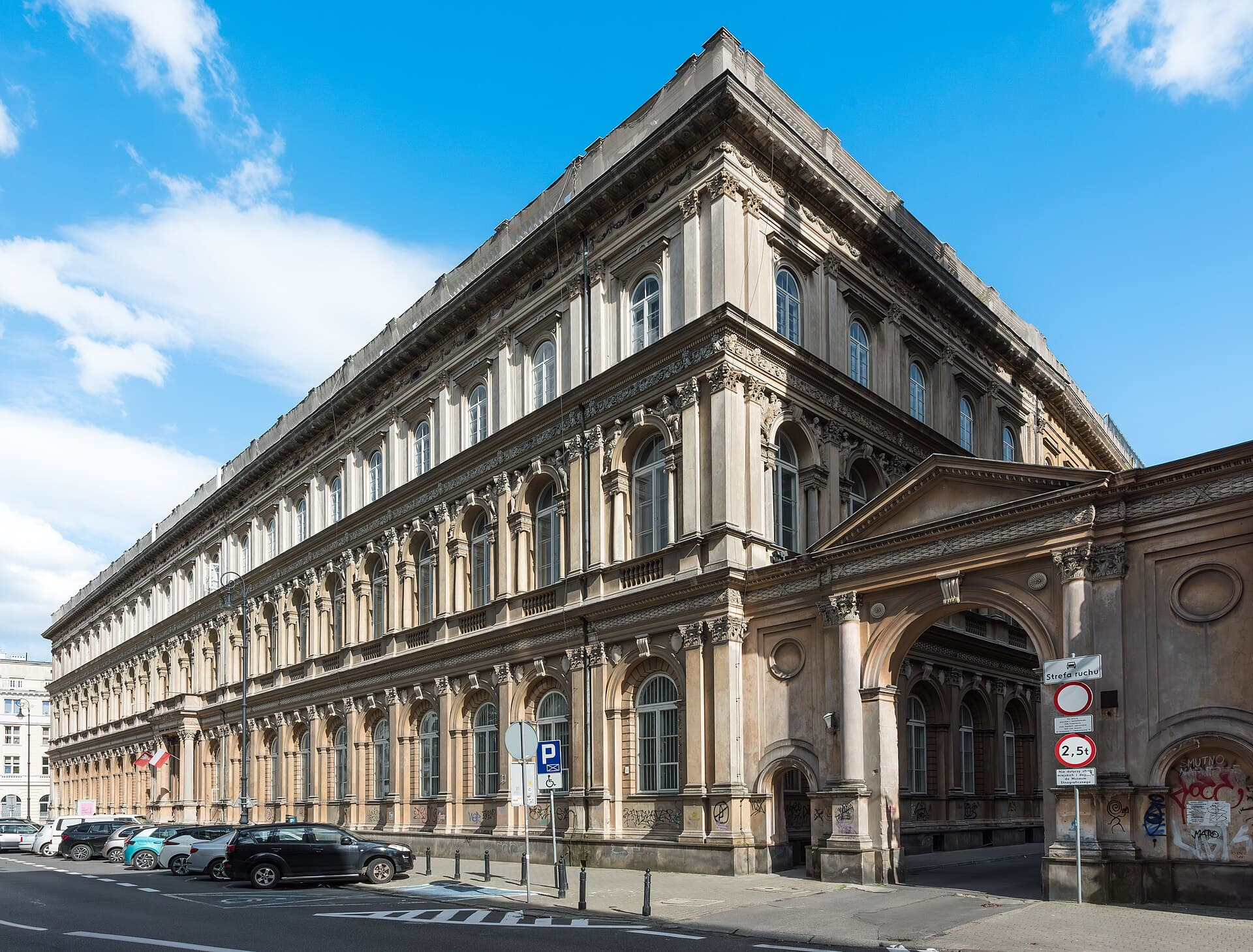 State Ethnographic MuseumA museum of Polish folk culture and non-European cultures, in an 1858 building o4 minutes walk4.5
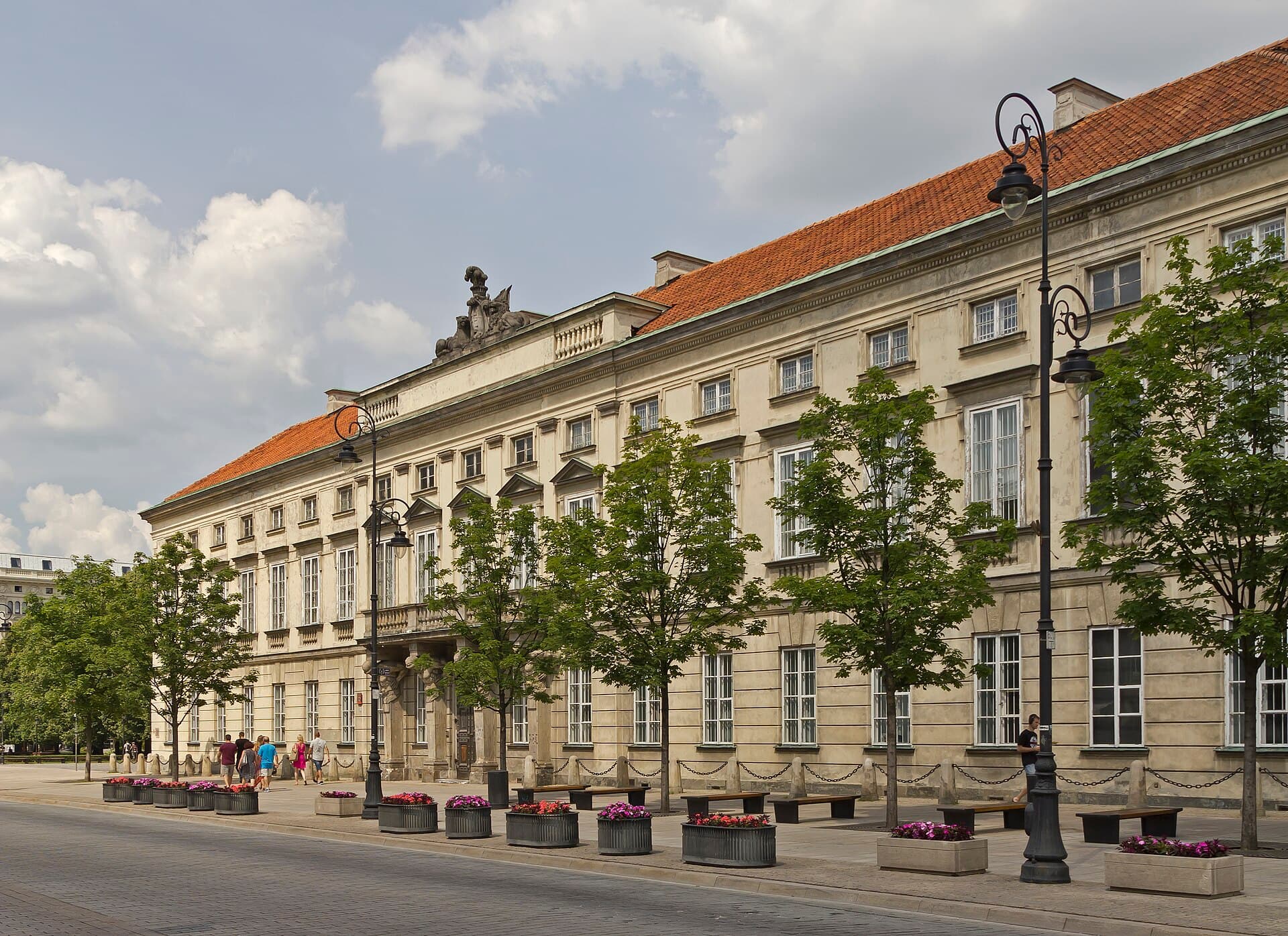 Museum of the University of WarsawA small museum within the historic campus of the University of Warsaw on the Roy4 minutes walk4.5
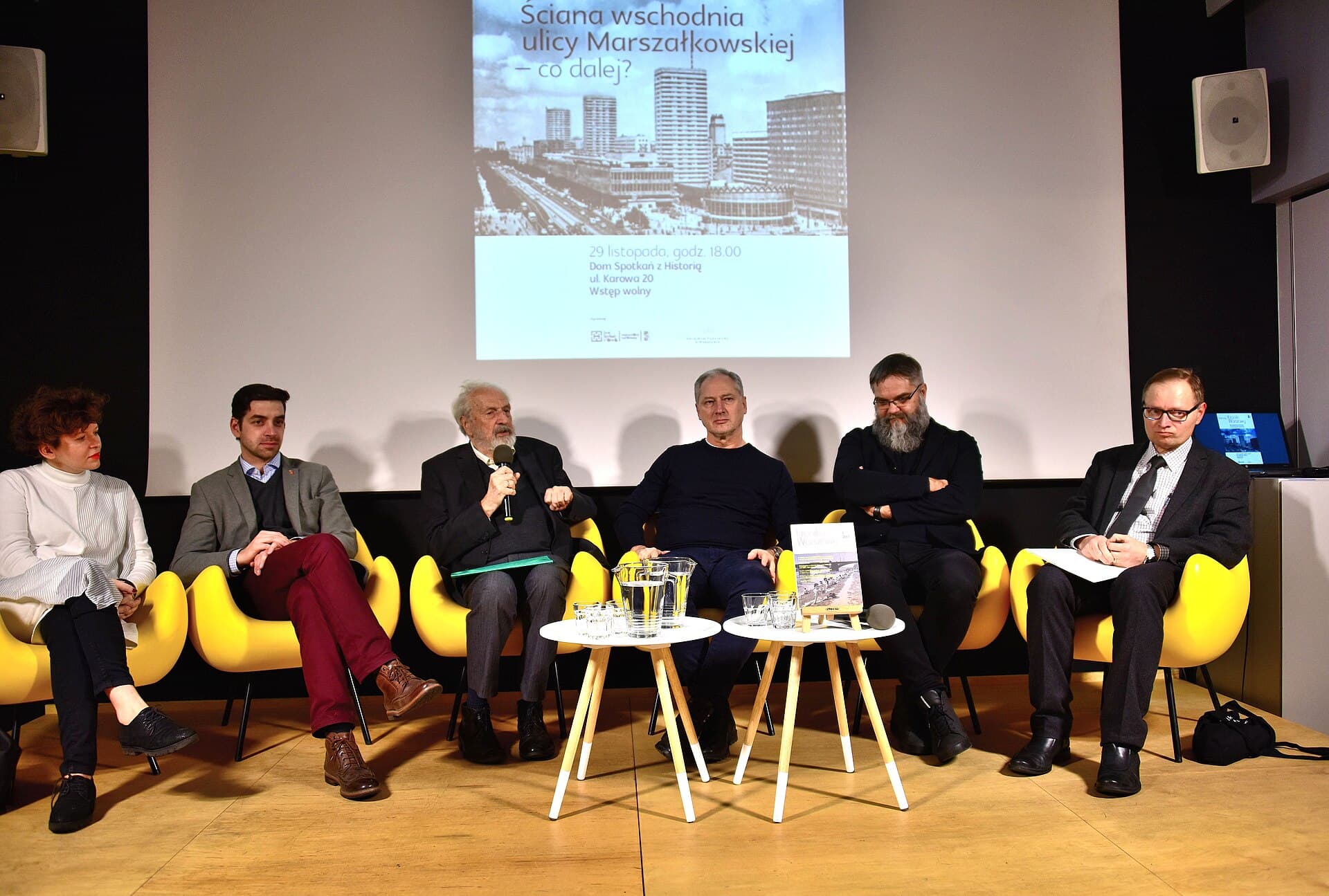 The History Meeting HouseA cultural centre in Warsaw devoted to Polish history and the twentieth-century 5 minutes walk4.9
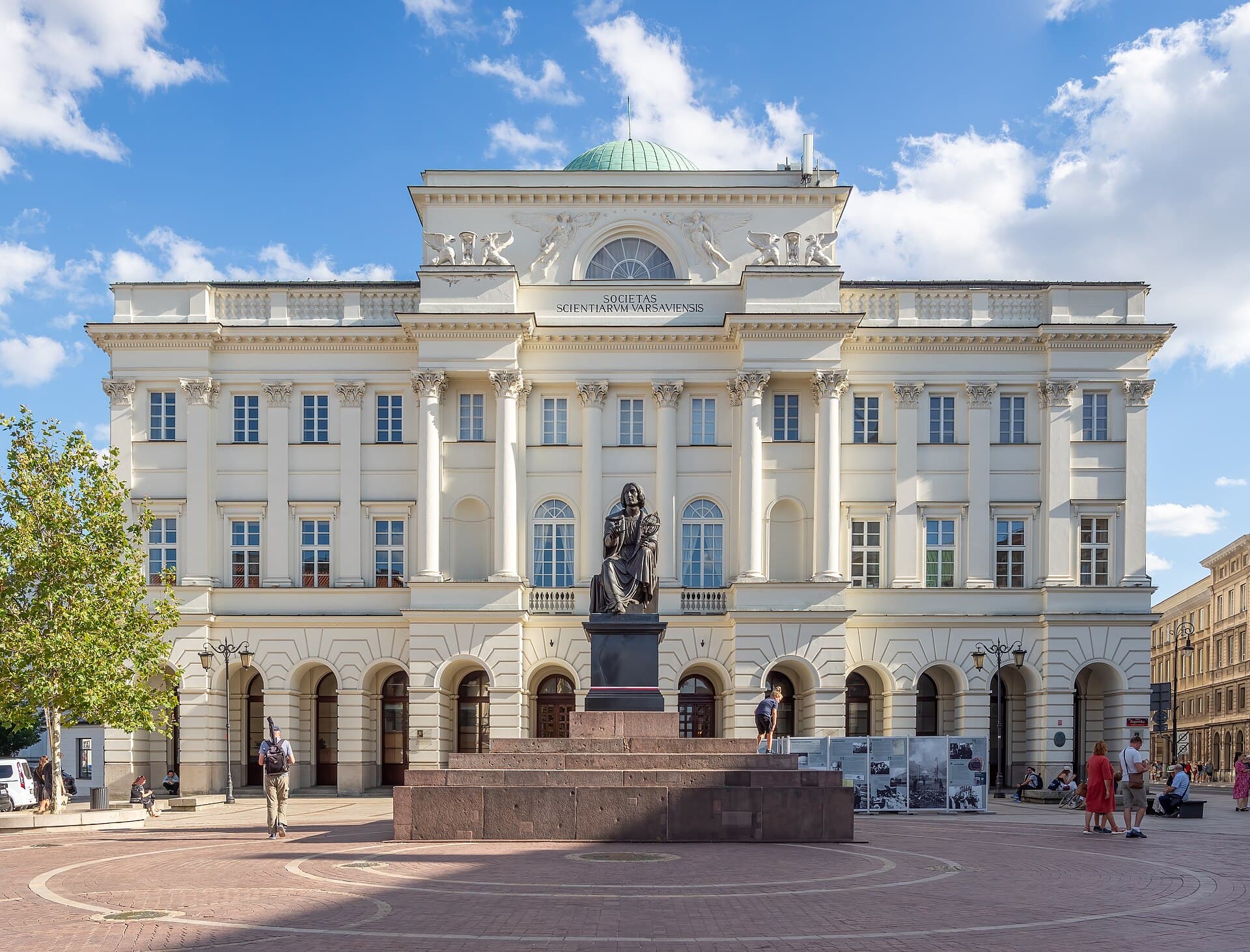 Staszic PalaceA neo-classical building on Warsaw's Royal Route, the seat of the Polish Academy7 minutes walk4.7
The names of Polish battles across a thousand years — from the first Piast wars to both World Wars — reading an astonishing geography: Tobruk, Monte Cassino, the Battle of Britain — for occupied Poland fought on every Allied front with her exile armies. The soldier unknown, the epics known.